





Small Wooden Armchair
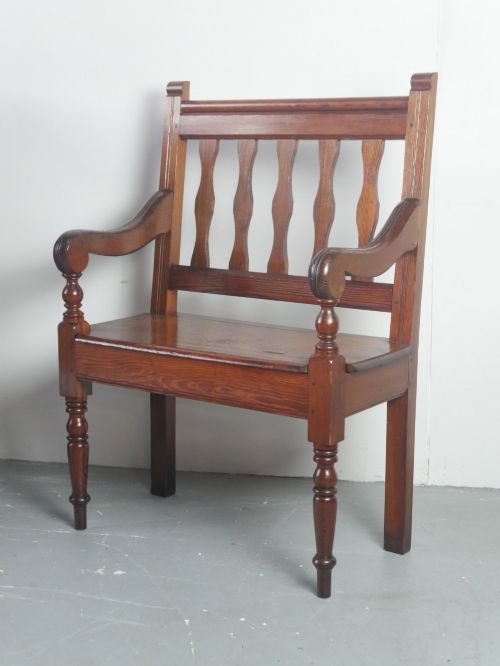
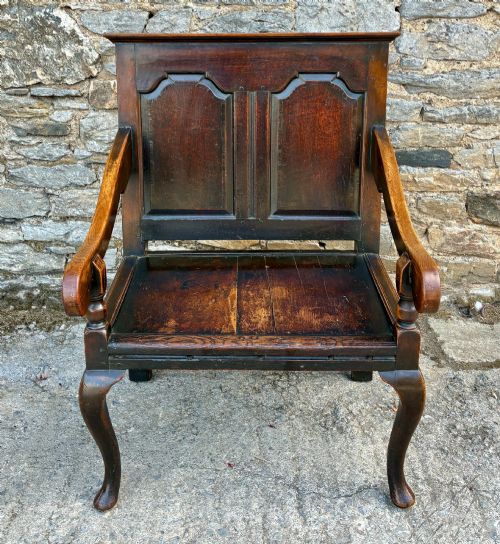
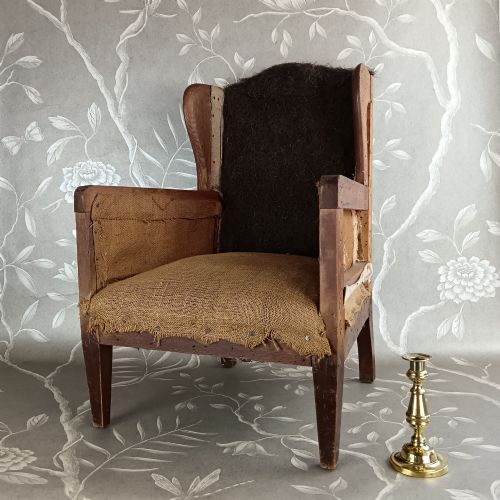
A small wooden armchair is a compact seat built to sit closer to the fire or fit tighter spaces, offering sturdy timber framing and immediate domestic charm.
Small Wooden Armchair
A small wooden armchair is a compact seating form designed for intimate spaces, chamber rooms, or chimney corners. The selection on this page centres on domestic seating built from solid timber across various historic periods.
Buyers will most frequently meet vernacular country forms like Windsor chairs alongside refined Georgian, Regency, and Victorian iterations. These smaller proportions serve modern homes where standard seating overwhelms the floor plan.
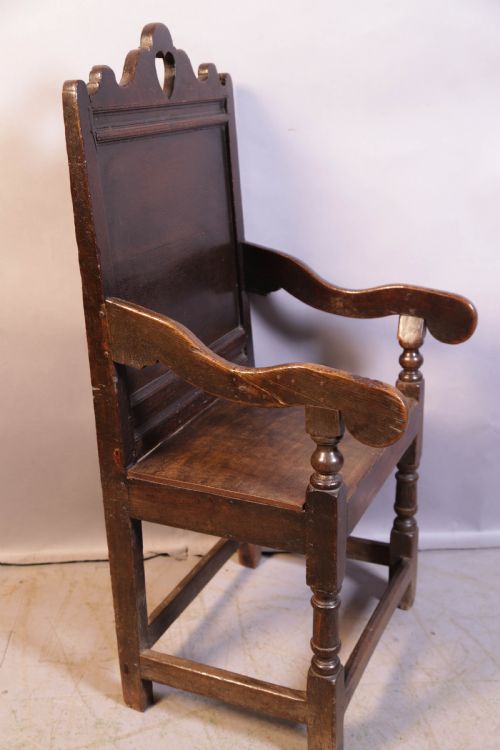
The objects span centuries of carpentry, including stick-back armchairs, children's variants, wainscot chairs, and benches. Each piece demonstrates how makers scaled down seating utility without sacrificing structural integrity.
How they were made
Carpenters utilised native hardwoods such as oak, elm, beech, and pine to construct these robust frames. Timber selection dictated whether the piece relied on heavy mortise and tenon joinery or turned spindle-and-hoop construction.
Seat bases and frames frequently incorporate secondary materials like woven rush, cane, fabric, and hessian support webbing. Surface treatments range from natural wax polish to ebonisation and historic painted finishes.
Small Wooden Armchair Retail Price Guide 2026
Typical asking prices for small wooden armchair among the pieces listed under this phrase on Sellingantiques today, from the lower quarter to the upper quarter. They describe what is for sale here now, not the wider market.
Listings feature timbers including oak, elm, beech, and pine across periods from the seventeenth century through to the Edwardian era.
What varies in quality
The distinction between standard vernacular items and finer examples rests upon timber selection and the sophistication of the turnery. Better pieces display crisply carved details, harmonious proportions, and original structural components.
Conservation history and the survival of an uncompromised surface patina define the upper tier of the range. Retaining original stretcher systems, such as crinoline braces, elevates the integrity of country seating.
The Small Wooden Armchair Glossary
- Wainscot chair
- A heavy wooden armchair dating from the seventeenth century or later revival periods, characterised by a panelled back and solid timber seat. This form evolved from chests and box seats into dedicated seating.
- Windsor chair
- A chair built with a solid wooden seat into which the legs and back spindles are directly inserted. The distinct construction distributes weight efficiently through a central saddle.
- Crinoline stretcher
- A curved under-stretcher found on certain Windsor chairs that resembles the shape of a hoop skirt. It provides crucial lateral bracing between the legs while adding decorative turning.
- Stick back
- A chair back constructed from multiple plain or shaped wooden spindles fixed into a solid seat and top rail. This vernacular method provides lightweight yet resilient support.
- Ebonisation
- The process of staining or treating light timber to imitate heavy ebony. This technique gained particular popularity during the Victorian era for formalising simpler wooden frames.
Small Wooden Armchair: Frequently Asked Questions
Why are these armchairs so small?
Historic domestic spaces, narrow chambers, and hearthside positioning required furniture to occupy a minimal footprint. Makers scaled down seating to retain warmth near fires or fit restricted architectural layouts.
Today, these reduced proportions make antique seating exceptionally well-suited to modern apartments, hallways, and reading corners where standard armchairs prove too bulky.
What woods were used in these chairs?
Carpenters relied heavily on accessible native timbers, pairing durable hardwoods like oak and elm for structural frames and seats with beech or ash for turned spindles and steam-bent components.
Pine and pitch pine appear frequently in secondary framing or country workshops, while decorative pieces occasionally showcase exotic finishes or ebonised surfaces over standard woods.
Are children's antique chairs common?
Miniature seating was produced across the Georgian, Victorian, and Edwardian periods as scaled-down versions of adult forms, serving both domestic utility and apprenticeship display pieces.
These smaller items mirror the exact construction techniques, stylistic flourishes, and timber choices of their full-sized counterparts found in the same eras.