



Small Wood Console
A small wood console delivers surface and structure to narrow hallways and tight drawing-room corners without dominating the floor plan.
Small Wood Console
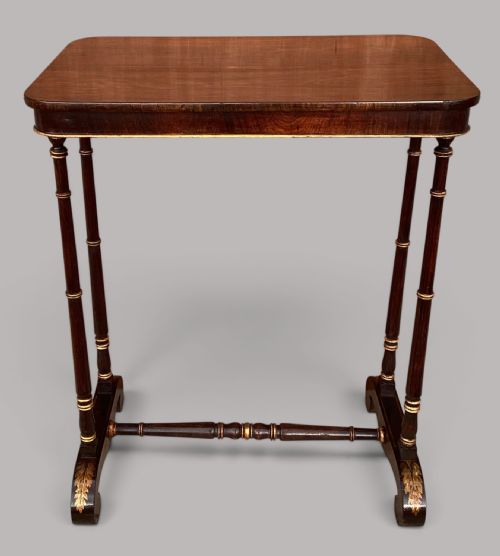
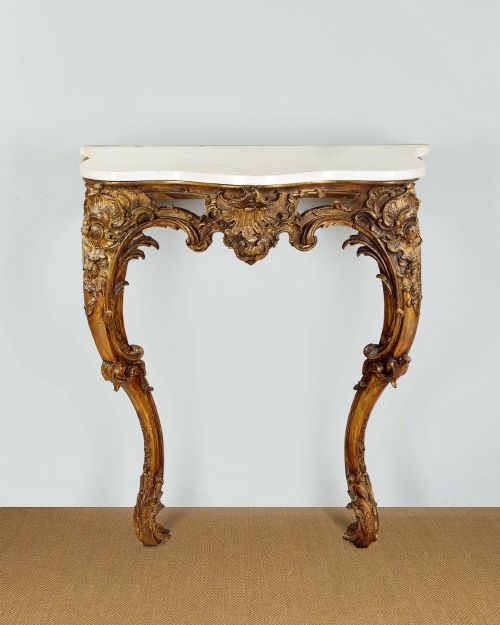
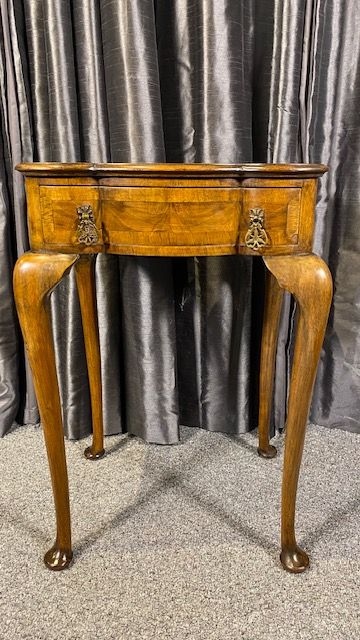
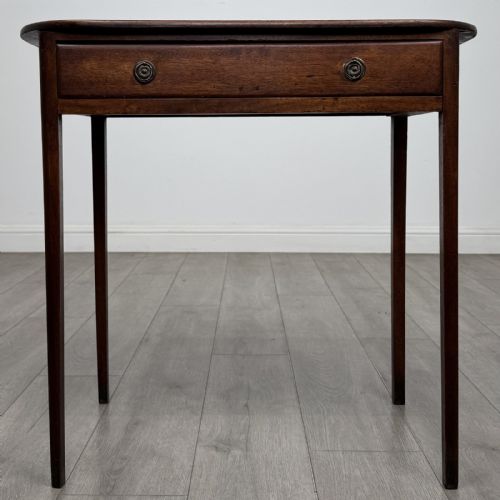
A small wood console encompasses slender side tables, demi-lune card tables, and narrow hall furniture designed to sit flat against a wall or float freely in a compact space. These pieces emerge primarily from Georgian, Regency, Victorian, and Edwardian workshops, reflecting domestic demands for versatile, space-saving furniture.
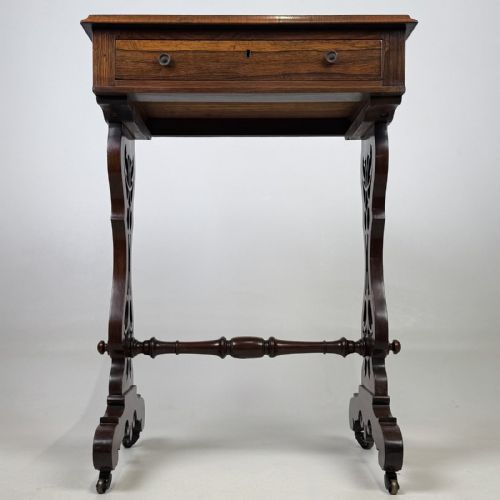
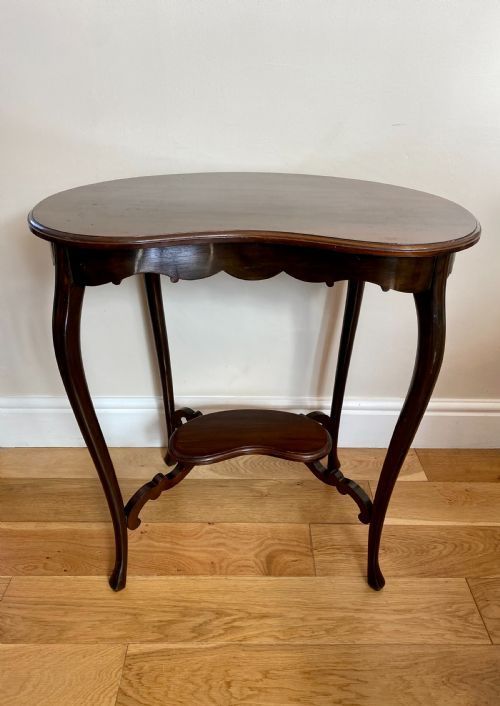
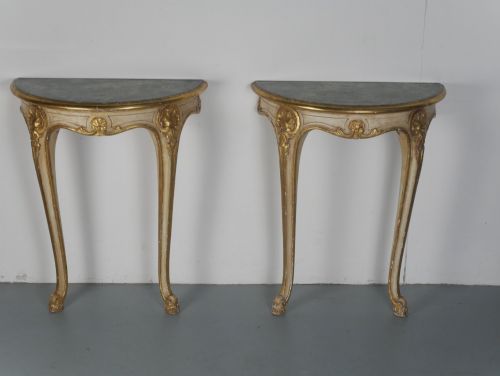
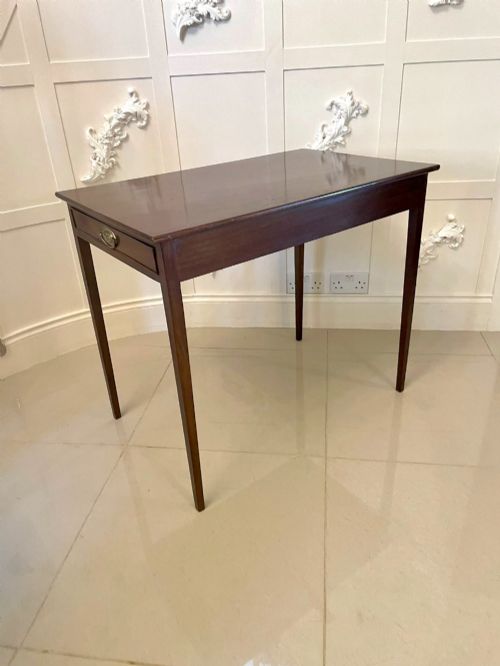
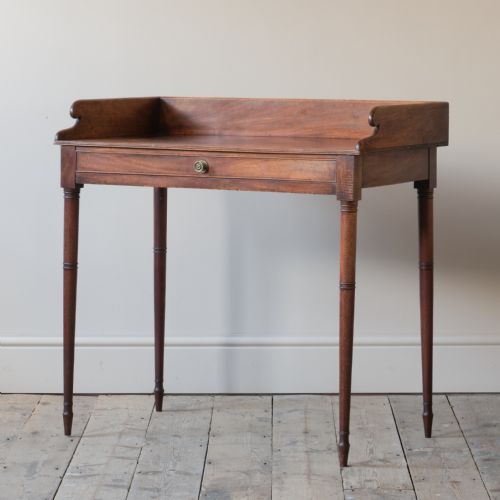
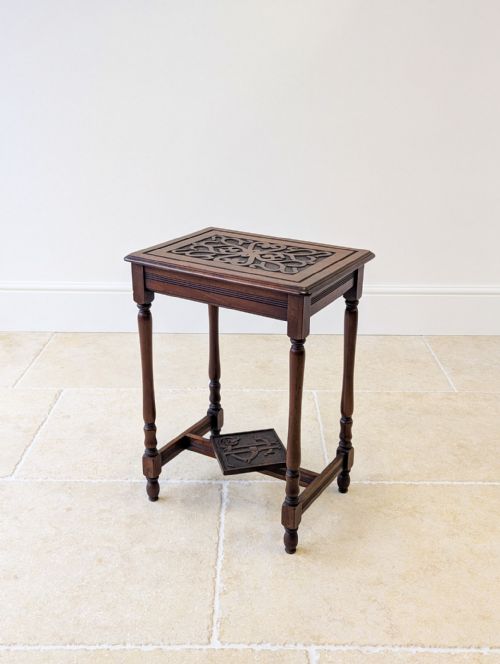
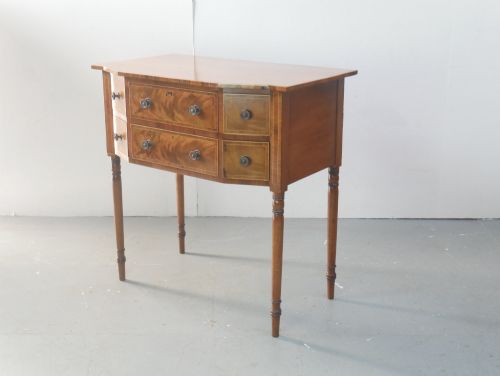
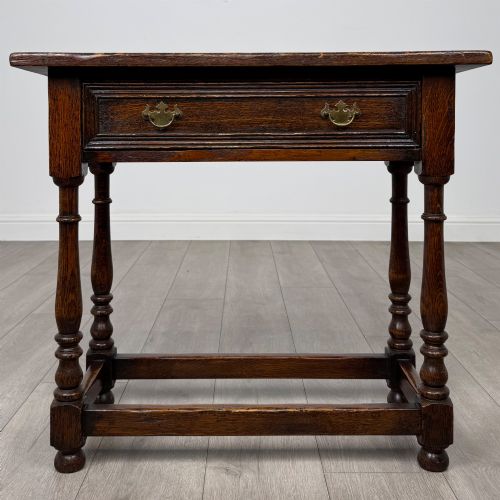
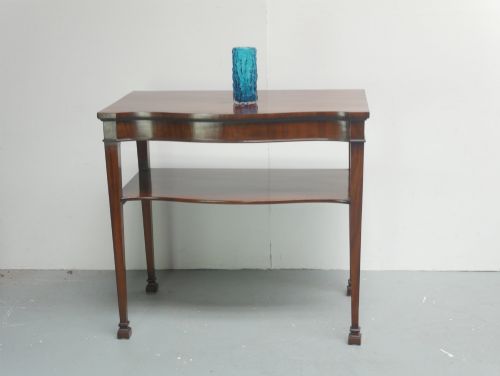
The version most commonly encountered on this page is the narrow mahogany side table or occasional table, often fitted with a single drawer and supported by turned or tapering legs. Examples also surface in oak, walnut, rosewood, and elm, spanning simple vernacular forms to elaborate gilt-trimmed Italian and French designs.
Buyers seek these tables for their practical proportions, utilising them as lamp tables, writing desks, or decorative focal points in entrance halls. Their enduring appeal lies in the way native and exotic timbers have been handled across different centuries to create functional elegance.
How they were made
Cabinetmakers constructed these tables using dense hardwoods such as mahogany, oak, walnut, and rosewood, frequently selecting figured veneers for table tops and drawer fronts. Secondary softwoods were often utilised for internal framing, drawer linings, and structural backing.
Construction techniques combined traditional mortise and tenon joinery with hand-cut dovetails for drawers, ensuring stability in pieces designed with narrow proportions. Surface decoration involved hand-applied polish, delicate inlay work, and occasionally giltwood carving or paint finishes to suit the prevailing style of the period.
Small Wood Console Retail Price Guide 2026
Typical asking prices for small wood console among the pieces listed under this phrase on Sellingantiques today, from the lower quarter to the upper quarter. They describe what is for sale here now, not the wider market.
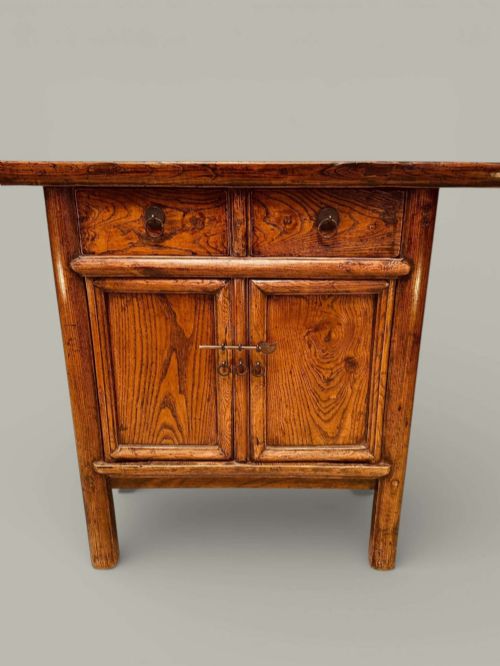
Regional variations appear across the selection, including primitive French elm workbenches alongside refined English Georgian card tables and Italian gilt consoles.
What varies in quality
The tier of a small wood console is determined by the selection of timber, particularly the grain figuration on the top surface and the depth of colour achieved in the polish. Superior pieces display thoughtful matching of veneers and harmonious proportions that integrate the drawer assembly without disrupting the line of the frieze.
Refinement in leg turning, carving, or inlay work separates standard utility furniture from sophisticated examples produced by established cabinetmakers. The integrity of the original structure, including the fit of the drawers and the crispness of edge mouldings, dictates the standing of the piece.
Druce and Co·Jenks and Woods
The Small Wood Console Glossary
- Demi-lune
- A half-moon shape characteristic of console and card tables designed to stand flush against a wall. This form became particularly popular during the Georgian and Edwardian periods for narrow spaces.
- Frieze
- The horizontal band situated directly beneath the table top, often housing a single drawer or carrying decorative inlay. In quality furniture, this element balances the visual weight of the top with the support of the legs.
- Occasional table
- A light, versatile table intended for moveable use around a sitting room rather than a fixed architectural position. These pieces frequently feature spider legs, drop leaves, or shaped tops.
- Pembroke table
- A drop-leaf table featuring hinged flaps on opposing sides, traditionally fitted with a single drawer. The design allows the footprint to expand or contract according to immediate domestic needs.
- Figured mahogany
- Timber harvested with a mottled, wavy, or fiddle-back grain pattern that catches the light. Cabinetmakers reserved these choice cuts for primary display surfaces like table tops.
Small Wood Console: Frequently Asked Questions
Where should I place a small wood console?
These tables find a natural home in entrance halls, narrow corridors, or small reception rooms where floor space is limited. Their shallow depth allows them to sit against a wall without obstructing foot traffic while offering a convenient surface for lamps or correspondence.
In living areas, they work effectively behind sofas or nestled in alcoves as occasional display surfaces. Their compact footprints ensure they integrate easily into varied room layouts.
How do I identify a Georgian console from a Victorian one?
Georgian pieces generally exhibit restrained classical proportions, rectilinear or demi-lune tops, and timber selections focused on rich mahogany or oak figure. Their construction relies on hand-cut joinery and understated aesthetic restraint.
Victorian examples often introduce darker ebonised finishes, heavier turned legs, or revival influences such as Jacobean and Rococo details. The secondary timbers and interior construction methods also align with nineteenth-century workshop practices.
Can I use a small wood console as a desk?
Many narrow side tables and writing tables from the Georgian and Regency periods were built precisely for correspondence and light administrative tasks. Models fitted with a single frieze drawer provide adequate knee clearance and storage for modern stationery.
When selecting one for daily desk use, check the height from the floor to the underside of the drawer rail to ensure comfortable seating. Freestanding variants finished on all sides offer additional placement flexibility within a room.
What is the difference between a side table and a console table?
Traditional side tables are generally freestanding pieces designed to stand against a wall or beside other furniture, often possessing four finished legs. Console tables historically relied on wall fixings or decorative brackets for support, though many later domestic variants became self-supporting.
In modern usage, the terms frequently overlap, with both describing narrow rectangular or demi-lune tables intended for display and storage in hallways or living spaces.