





Small Walnut Dining Table
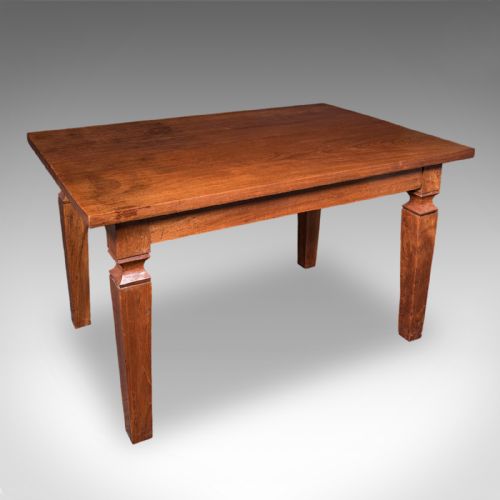
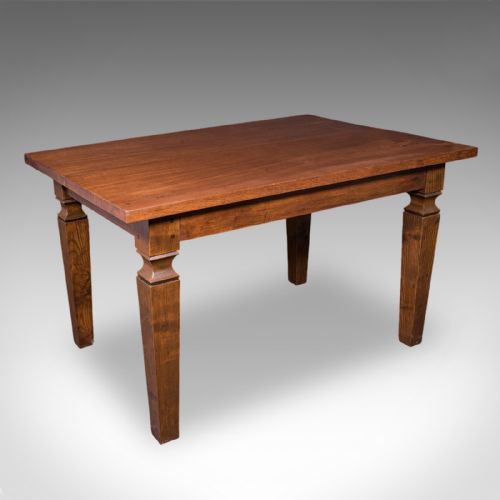
These small walnut dining table pieces offer compact proportions and rich grain, making them a practical choice for intimate spaces.
Small Walnut Dining Table
A small walnut dining table provides an intimate surface for dining while fitting into restricted floor space. The selection here spans Victorian, Georgian, and Edwardian periods, encompassing various formats designed for flexible use.
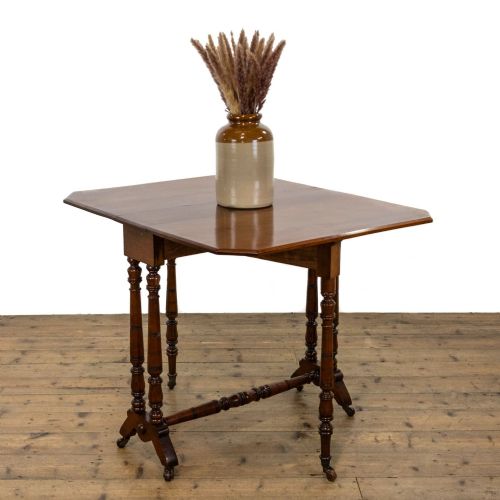
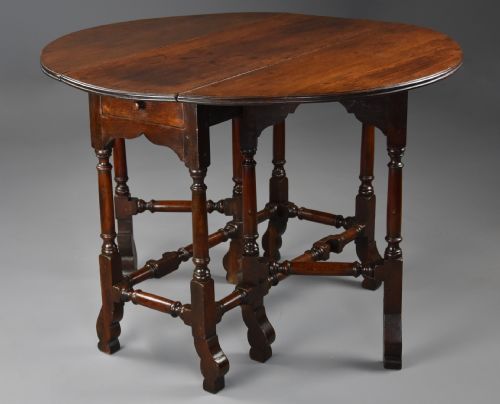
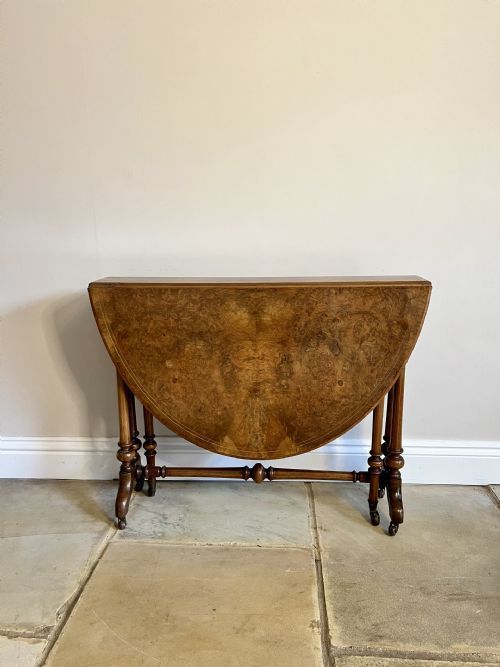
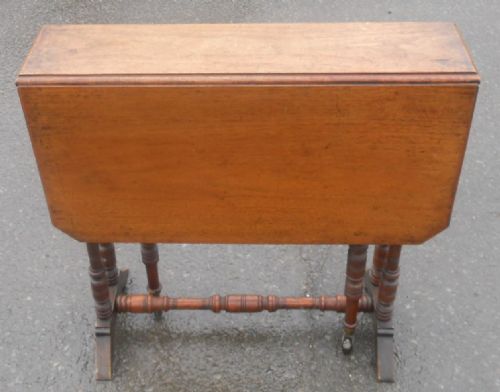
The most common forms encountered in this search are drop-leaf and gateleg variants, alongside specific sutherland and oval extending tables. These pieces utilise walnut timber, frequently highlighting burr or red walnut grain patterns.
Originating largely from the nineteenth and eighteenth centuries, these tables combine domestic utility with decorative cabinet-making. Buyers find both drop-leaf occasional pieces and dedicated extending dining formats among the current stock.
How they were made
Cabinet-makers constructed these small walnut dining table examples using solid walnut and burr walnut veneers applied to secondary timbers. Structural stability in gateleg and drop-leaf mechanisms relies on traditional framing and hinged joints.
Metal and brass components frequently appear as hinges, castors, and gateleg supports, allowing leaves to fold neatly downward. Ceramic elements occasionally feature in the hardware of these period tables.
Surfaces were finished to accentuate the natural figuring of the walnut, often employing ebonised wood details or inlay to define the borders and edges of the table top.
Small Walnut Dining Table Retail Price Guide 2026
Typical asking prices for small walnut dining table among the pieces listed under this phrase on Sellingantiques today, from the lower quarter to the upper quarter. They describe what is for sale here now, not the wider market.
Bobbin-turned legs give certain Victorian side tables the charming appearance of stacked wooden spools.
What varies in quality
The hierarchy of a small walnut dining table rests upon the selection of timber and the complexity of its grain figure. Burr walnut and red walnut veneers demand superior cabinet-making skill to apply evenly across folding leaves and oval tops.
Mechanism engineering dictates the daily utility of these folding and extending forms, where smooth gateleg movement separates superior workshops from standard production. The integration of brass and ceramic fittings further indicates the original tier of manufacture.
The Small Walnut Dining Table Glossary
- Sutherland table
- A narrow drop-leaf table featuring exceptionally slender legs and leaves that fold down almost vertically. This form was especially popular during the Victorian period for versatile drawing room use.
- Gateleg table
- A table with hinged leaves supported by swing-out legs that pivot from the frame to hold the leaves upright. This construction allows a compact footprint to expand into a larger dining surface.
- Burr walnut
- Timber taken from a tree growth or burl, yielding highly decorative, swirling grain patterns prized for veneering tabletop surfaces. It creates a distinctive rippled aesthetic across Victorian and Edwardian furniture.
- Drop leaf table
- A table featuring a fixed central section and hinged flaps on either side that rise to increase the surface area. Supporting brackets or swinging legs hold the flaps in place when raised.
- Red walnut
- A specific tonal variety of walnut timber historically utilised for eighteenth-century furniture. It exhibits a warm, reddish-brown hue distinct from later Victorian walnut stock.
Small Walnut Dining Table: Frequently Asked Questions
How do I use a drop leaf table daily?
You can keep the leaves folded down against the central section to save space when dining is not required. Simply lift the hinged flaps and swing out the supporting legs or brackets when you need a larger surface.
The mechanism is designed for frequent adjustment, allowing the table to adapt between a compact console footprint and an intimate dining area within seconds.
Where does burr walnut come from?
Burr walnut is harvested from abnormal growths on walnut trees where the grain has grown in a turbulent, swirling pattern. Cabinet-makers slice this timber into thin veneers to display the complex figuring across prominent surfaces.
Because these growths are irregular, the resulting veneer patterns are unique to each individual piece of furniture.
How do I date a Victorian walnut table?
Dating relies upon examining construction methods, timber choices, and hardware styles characteristic of the nineteenth century. Victorian pieces often incorporate specific leg turnings, ceramic castors, and walnut veneers applied to sturdy secondary woods.
Comparing the specific proportions and hinge mechanisms against documented examples from the period helps narrow the timeframe of manufacture.
Can these small tables seat four people?
Many of these compact formats are engineered with drop leaves or extending mechanisms specifically to accommodate small dinner parties. When the leaves are fully raised, the surface area provides adequate knee clearance and placement for intimate dining.
Checking the extended dimensions ensures the table matches your specific seating requirements for small gatherings.