

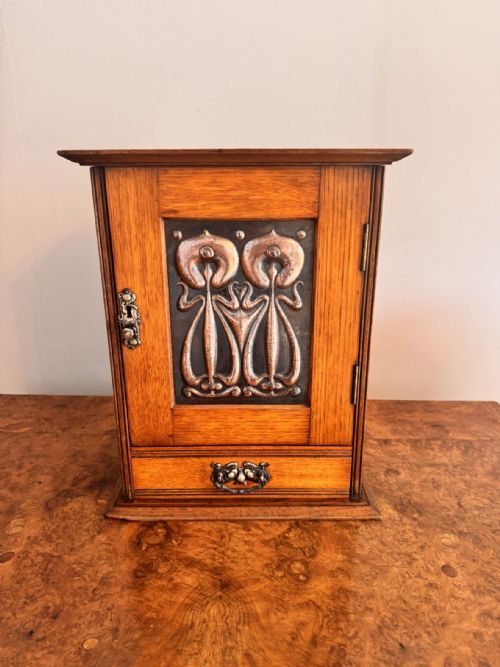
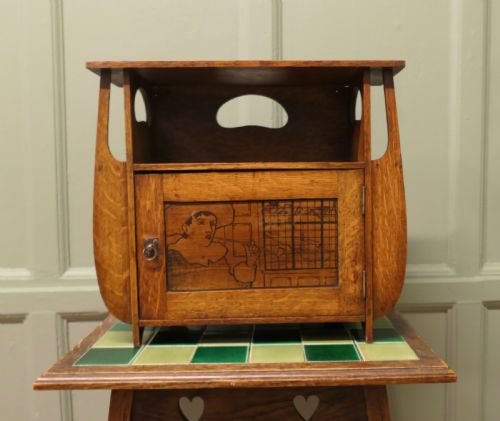

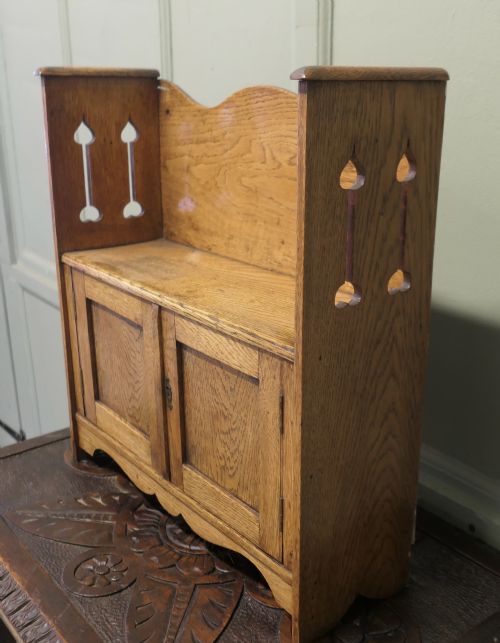
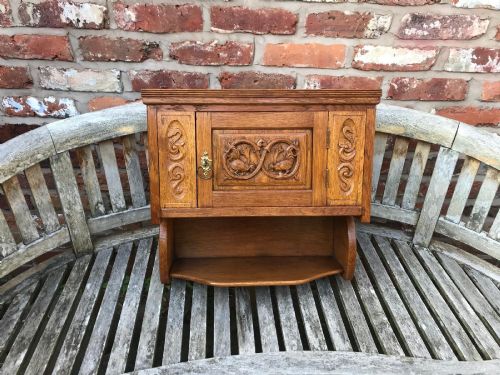
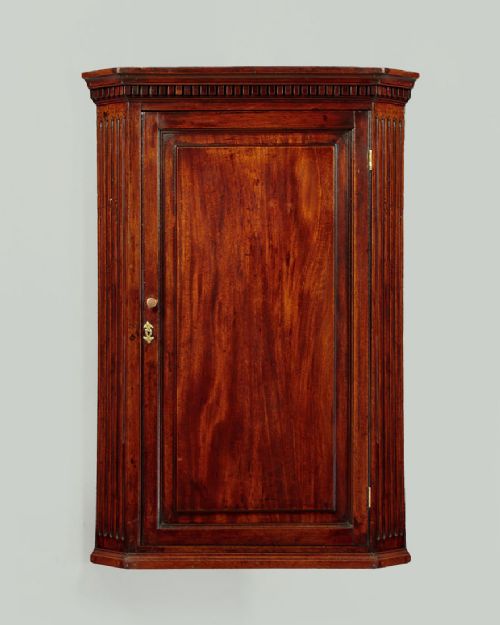
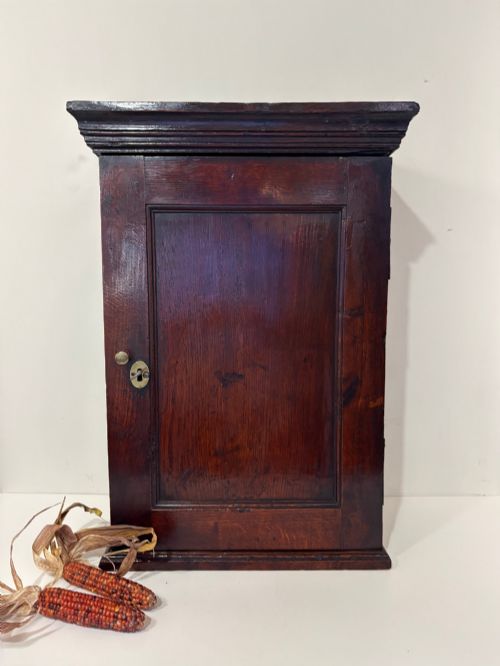
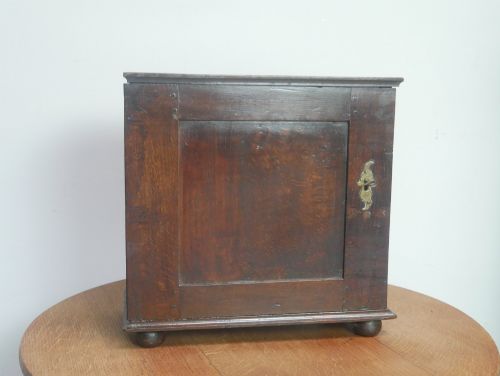
Small Wall Cabinet
A small wall cabinet solves the eternal problem of display and storage in compact rooms, bringing period character directly to eye level.
Small Wall Cabinet
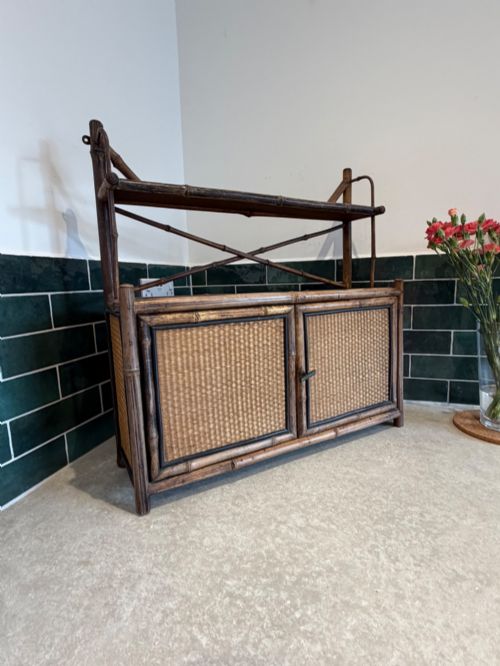
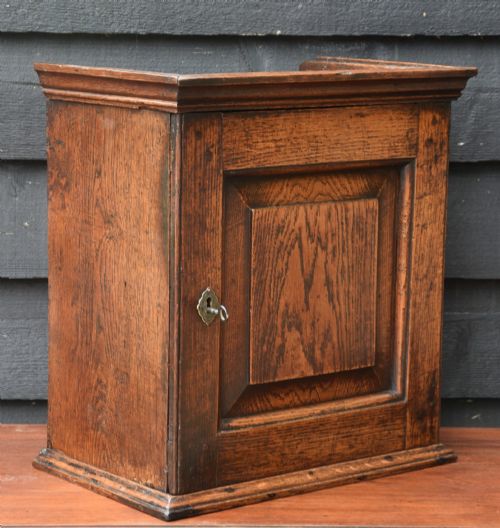
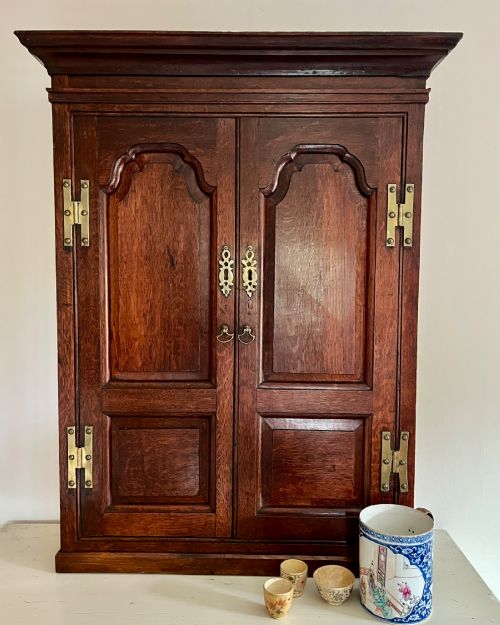
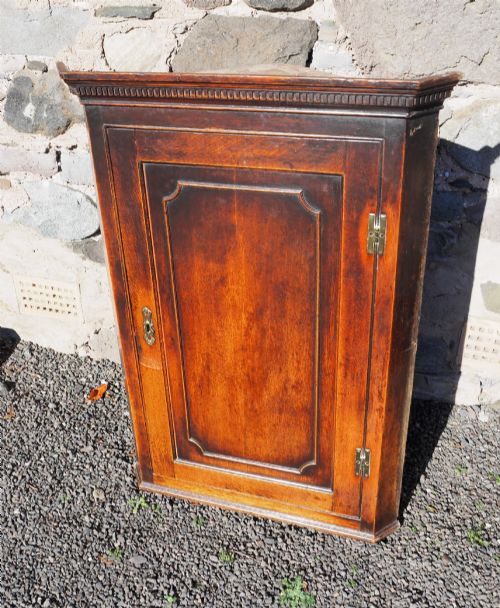
A small wall cabinet is a compact hanging storage piece designed to save floor space while keeping precious items enclosed and secure. When you search for a small wall cabinet, you encounter forms ranging from corner cupboards and spice chests to glazed display units and key cabinets.
The pieces appearing on this page span the 17th, 18th, 19th, and early 20th centuries, covering Georgian, Victorian, Edwardian, and Arts and Crafts aesthetics. Oak and pine dominate the domestic vernacular, alongside richer woods like mahogany, walnut, and limewood.
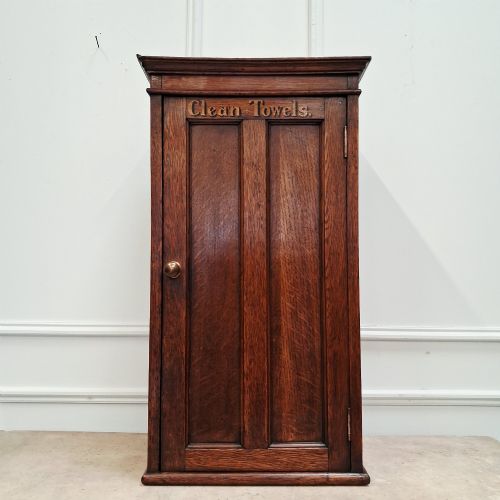
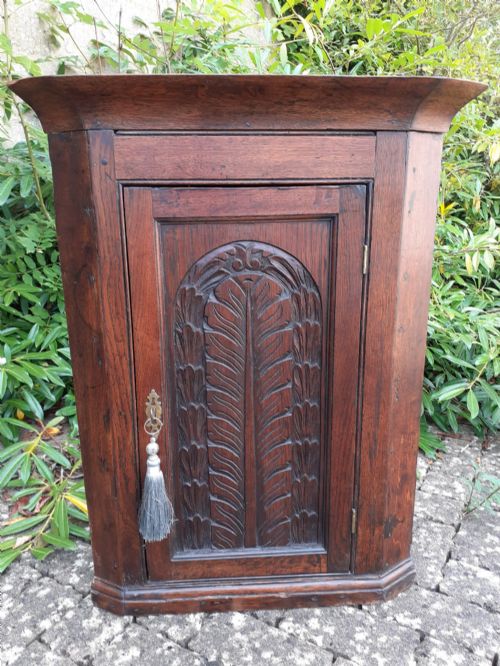
You are most likely to meet 18th-century oak spice cupboards and 19th-century pine corner cabinets hanging or mounted for domestic use. These functional pieces served utilitarian purposes in kitchens, hallways, and living spaces before becoming appreciated for their proportions and timber.
How they were made
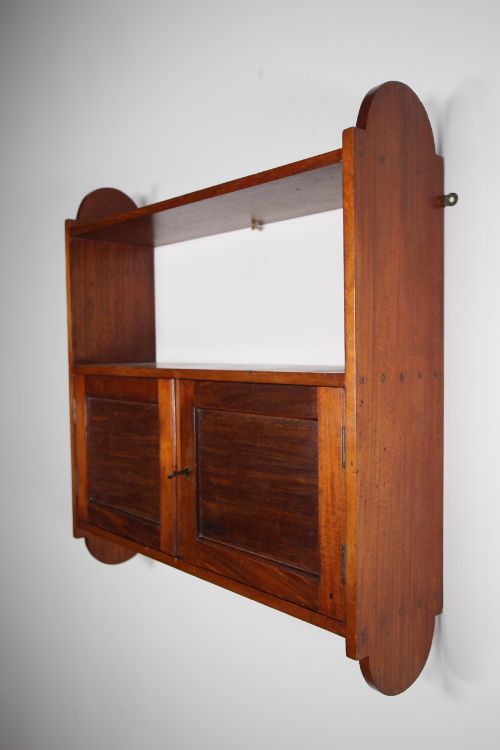
Cabinet makers built these hanging cupboards using solid native timbers like oak and pine, frequently applying mahogany, walnut, or exotic hardwoods for finer urban commissions. Construction relied on traditional joinery, including pegged mortise and tenon joints for structural stability under wall-mounted loads.
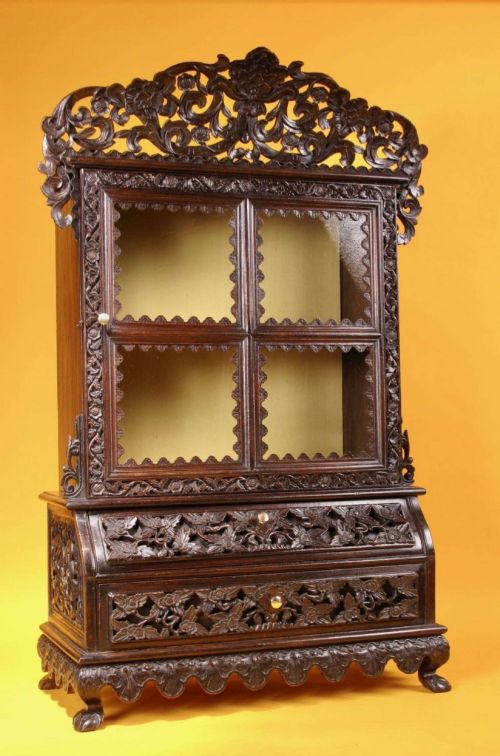
Surface treatments varied from waxed and polished natural grains to painted finishes, marquetry inlay, pokerwork, and carved panel details. Glazed doors utilised timber framing to hold glass panes securely, while brass hinges, locks, and handles provided functional security.
Small Wall Cabinet Retail Price Guide 2026
Typical asking prices for small wall cabinet among the pieces listed under this phrase on Sellingantiques today, from the lower quarter to the upper quarter. They describe what is for sale here now, not the wider market.
Listings feature hanging cupboards spanning the 17th, 18th, 19th, and early 20th centuries in oak, pine, mahogany, and walnut.
What varies in quality
Quality rests in the selection of timber and the crispness of hand-carved decorative elements, such as Gothic panels or applied mouldings. Superior examples display thoughtful proportions, original brass hardware, and well-preserved backboards designed to bear the weight of suspension.
The integrity of the structural joinery and the survival of original painted or polished surfaces distinguish regional vernacular pieces from finer cabinet maker output. Finer pieces maintain original glass, working locks with keys, and tight door alignment despite centuries of atmospheric change.
Heals
The Small Wall Cabinet Glossary
- Corner cupboard
- A triangular cabinet designed to fit neatly into the junction of two walls, maximising awkward domestic angles.
- Spice cupboard
- A small, shallow hanging box featuring multiple internal drawers or shelves historically used for valuable culinary ingredients.
- Marquetry
- The art of applying decorative veneer pieces to a structure to form intricate picture designs or geometric patterns.
- Pokerwork
- A decorative technique using heated metal points to burn designs into wooden surfaces, prominent in Arts and Crafts pieces.
- Glazed door
- A frame fitted with transparent glass panes to allow the display of contents while protecting them from dust.
Small Wall Cabinet: Frequently Asked Questions
How were small wall cabinets originally used?
These cabinets served to store valuable spices, personal keys, household linens, and small tablewares safely away from dampness and pests. Their elevated position kept contents secure and within convenient reach in busy domestic rooms.
Over time, owners repurposed them to display small ceramics, glassware, and curiosities. Their compact footprint made them ideal for mounting above serving tables or beside hearths.
Where should I hang a wall cabinet?
Choose a wall location with stable structural support, such as direct timber studs or masonry, to safely bear the weight of the solid wood carcass and its contents. Hanging them at eye level allows you to appreciate the carved details and use internal shelves comfortably.
Avoid placing antique timber or painted surfaces in direct, strong sunlight or directly above active heat sources. Stable indoor temperatures prevent the wood and historical joinery from drying out or splitting.
How do I identify a Georgian wall cabinet?
Georgian cabinets typically feature architectural proportions, refined cornice mouldings, and mahogany or figured oak timbers. Look for fielded panel doors, brass H-hinges or butterfly hinges, and occasional fitted drawers below the main cupboard.
Interior configurations often include shaped shelving or small pigeonholes for orderly storage. The construction methods employ hand-cut dovetails and pegged joints characteristic of 18th-century workshop practices.
What defines Arts and Crafts wall cabinets?
Arts and Crafts pieces emphasise honest construction, visible joinery, and the natural grain of golden oak or plain timber. Ornamentation remains minimal, often featuring hand-beaten copper strap hinges, subtle pokerwork, or stylized organic carvings.
These cabinets reflect a turn away from mass production toward handcrafted simplicity. They frequently incorporate iron or brass hardware designed specifically to complement the structural aesthetic.