

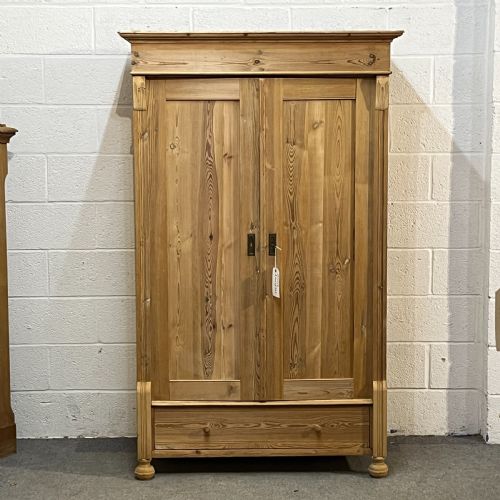


Small Vintage Wardrobe
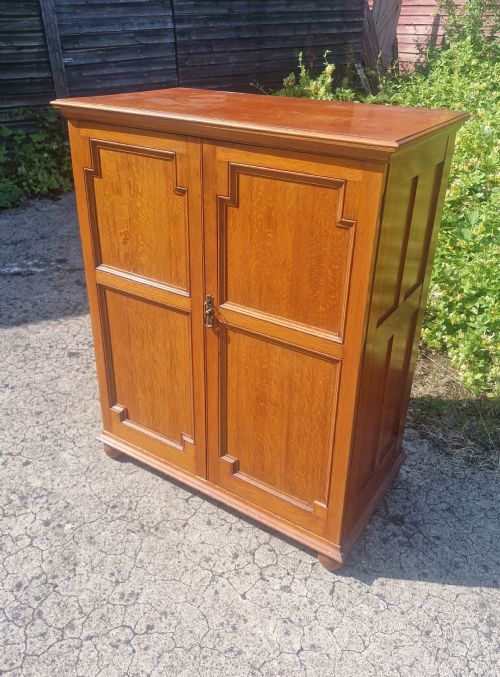
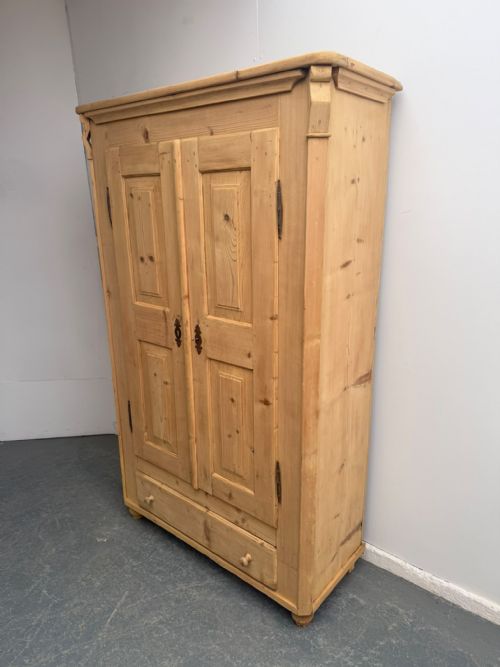
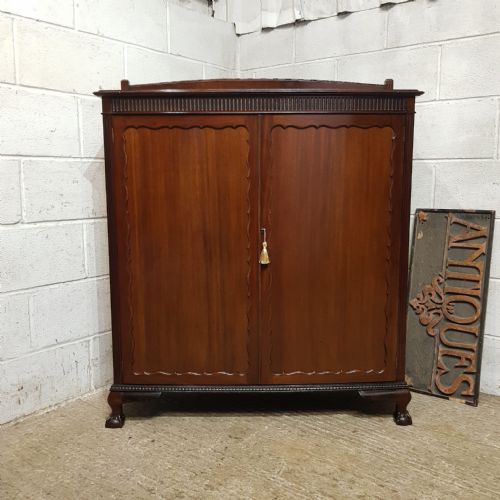
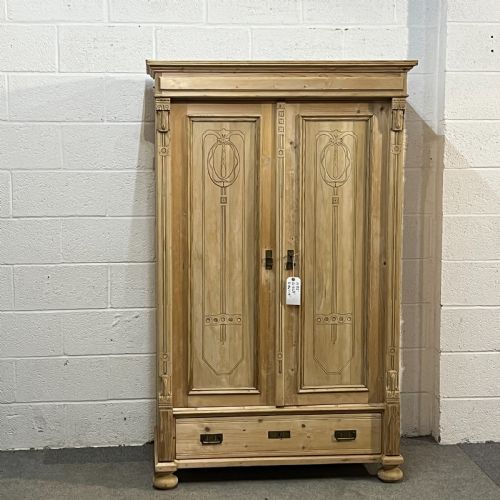
A small vintage wardrobe provides essential hanging space and character without dominating a room.
Small Vintage Wardrobe
A small vintage wardrobe serves as a compact storage solution for bedrooms and halls, offering practical hanging capacity alongside shelves or drawers. When you search for a small vintage wardrobe, you encounter pieces designed to fit modest footprints without sacrificing traditional utility.
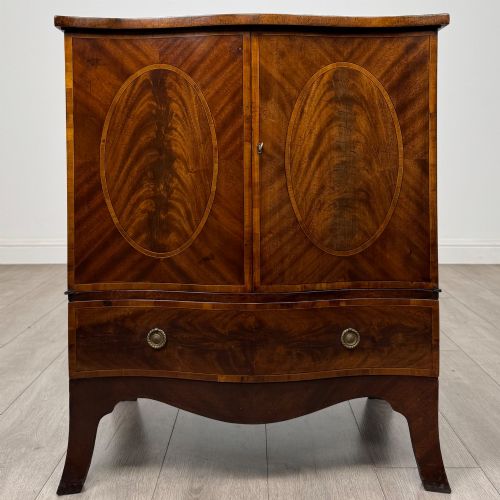
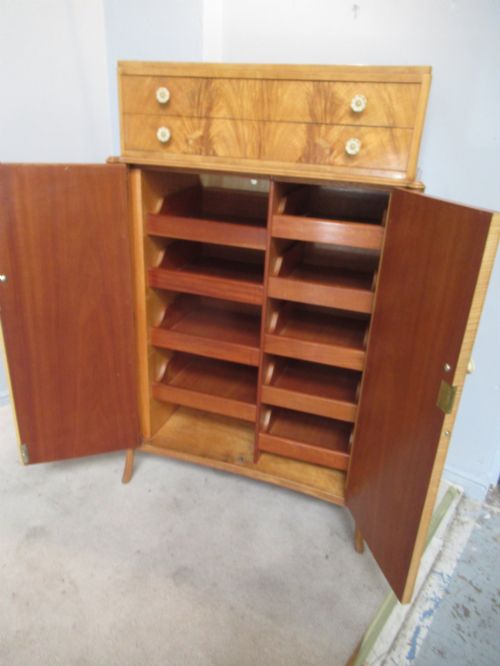
The selections span several distinct eras, including Edwardian, 1920, 1930, Georgian, and the nineteenth century. Common configurations range from diminutive hall robes and childs wardrobes to dwarf house keepers cupboards and serpentine cupboards.
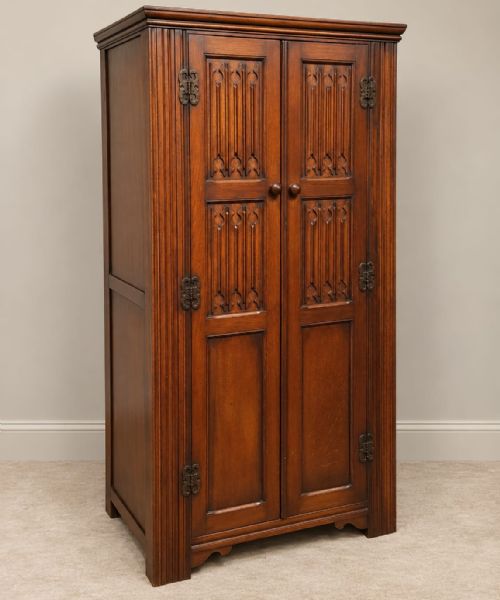
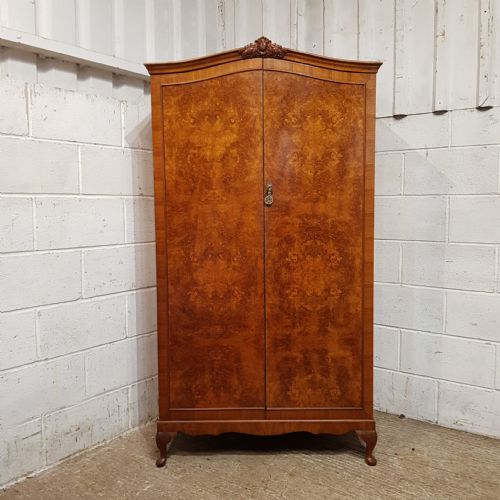
Materials vary widely across the inventory, featuring mahogany, pine, oak, walnut, maple, and veneer, often paired with brass hardware. Styles stretch from Georgian Revival and Gothic Revival to Art Deco, Art Nouveau, and rustic farmhouse designs.
How they were made
Carpenters constructed these wardrobes using solid timbers like oak, pine, and mahogany, frequently applying decorative veneers such as burr walnut and maple to visible surfaces. Brass handles, key escutcheons, and hinges completed the hardware.
Construction methods incorporated panelled doors, banded edgings, and fitted interior compartments. Workshops built these pieces to withstand daily domestic use while maintaining refined proportions.
Listings feature pieces spanning from the nineteenth century through the 1930s, constructed in oak, pine, mahogany, and walnut.
What varies in quality
The distinction between standard utility pieces and finer examples rests upon the choice of timber and the complexity of the cabinetwork. Selected hardwoods and figured veneers indicate greater workshop ambition than basic pine utility builds.
Refined joinery, such as bow fronts or serpentine forms, separates simpler cupboards from more accomplished architectural pieces. Original brass fittings and intact interior configurations elevate the standing of a wardrobe.
The Small Vintage Wardrobe Glossary
- Wardrobe
- A tall piece of furniture used for hanging clothes. Many older examples include internal shelves or a bottom drawer.
- Compactum
- A multi-functional wardrobe combining hanging space with drawers and shelving. This form maximises storage within a restricted footprint.
- Dwarf
- A description applied to low cabinets or cupboards. These pieces sit lower than standard full-height wardrobes.
- Serpentine
- A curved shape featuring a convex centre flanked by concave ends. Cabinetmakers utilised this profile on premium front panels.
- Veneer
- A thin layer of decorative wood applied to a secondary timber base. Burr walnut and mahogany veneers added visual pattern to door fronts.
Small Vintage Wardrobe: Frequently Asked Questions
What fits inside a small vintage wardrobe?
These compact pieces typically accommodate shorter hanging garments, children's clothing, or folded linens depending on the internal layout. Many incorporate a bottom drawer or lower shelf for additional organisation.
Buyers often utilise them in guest rooms or hallways where full-sized furniture overwhelms the available floor space.
How do I date an Edwardian wardrobe?
Edwardian pieces often display lighter timbers, simpler lines, and influences from earlier Georgian revival styles. Examine the construction of the interior drawers and the style of the brass hardware for period clues.
Documentation or dealer descriptions matching the 1900 to 1910 window provide further confirmation of the era.
Are pine wardrobes difficult to maintain?
Pine responds well to standard waxing or painting, depending on whether the surface has a waxed finish or requires a fresh coat. Regular care keeps the softwood conditioned and preserves the vintage appearance.
Many examples arrive ready to wax or paint, allowing customisation to suit specific room colour schemes.
What is an Art Deco small wardrobe?
Art Deco pieces from around 1930 feature distinctive geometric lines, cloud walnut veneers, and streamlined silhouettes. They reflect the modern design shifts of the interwar period.
These wardrobes offer striking wood grains and minimal ornamentation compared to earlier Edwardian or Victorian designs.