

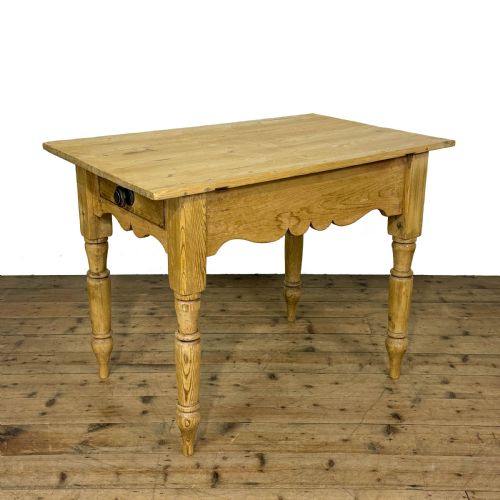


Small Victorian Dining Table
A small victorian dining table brings practical nineteenth-century scale and native timber into compact modern rooms.
Small Victorian Dining Table
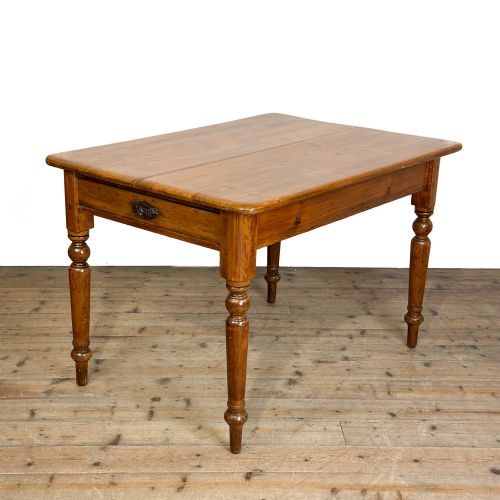
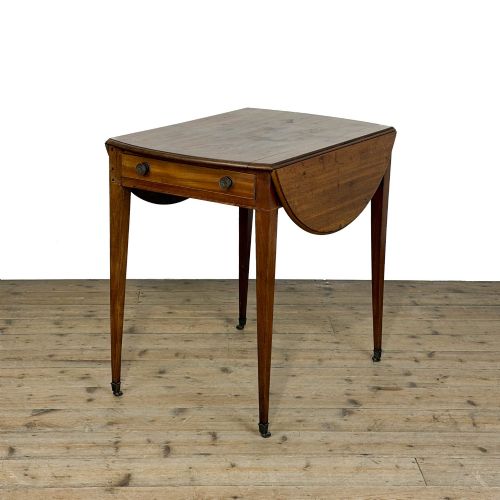
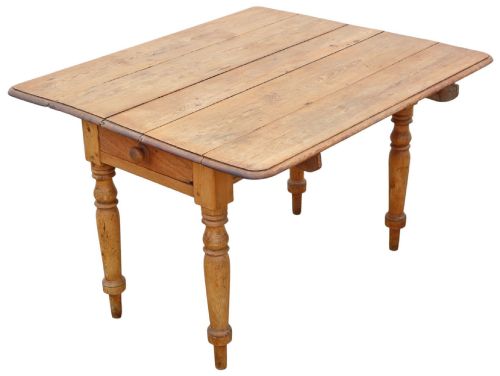
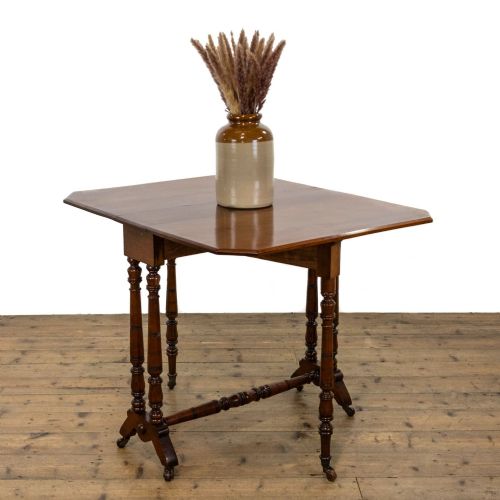
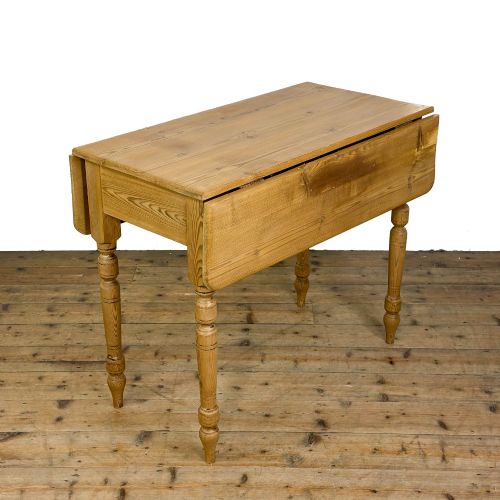
A small victorian dining table bridges the gap between historical presence and the space constraints of modern rooms. Buyers searching this phrase meet drop-leaf pembroke tables, gateleg designs, and narrow wind-out extending pieces built for intimate dining.
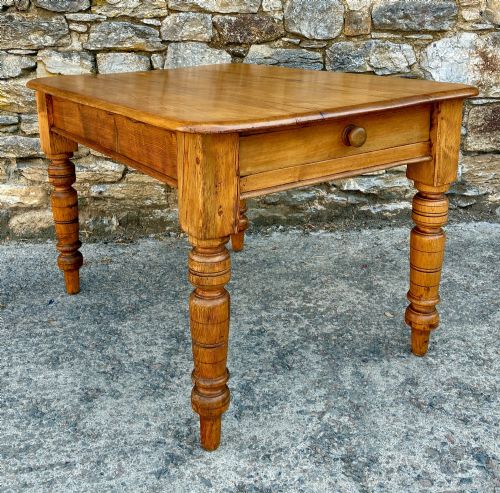
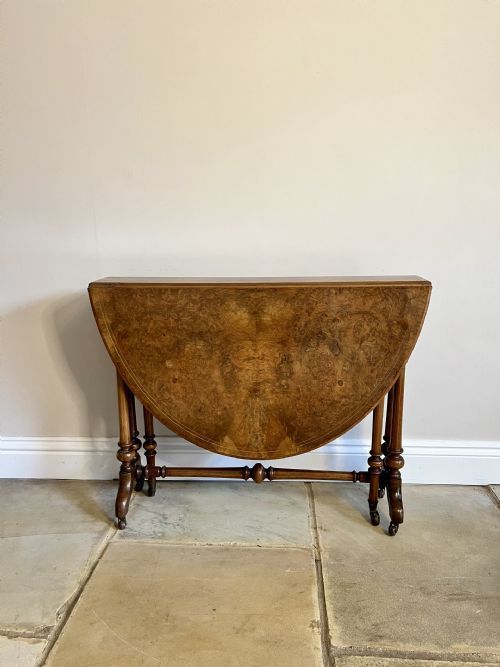
The material palette ranges from dense mahogany and figured burr walnut to everyday pine and oak. These surfaces reflect both formal parlour use and robust country kitchen preparation.
Most examples date from the mid to late nineteenth century, bearing the hallmarks of regional British cabinet-making and utilitarian farmhouse carpentry.
How they were made
Cabinet-makers utilised solid timbers such as mahogany, oak, and pine alongside decorative veneers like burr walnut. Structural stability relied on traditional joinery methods including gateleg frames, folding leaves, and drop mechanisms.
Metal components such as brass castors and hinges appear frequently on mahogany and walnut models to assist with mobility and leaf support. Surface finishes range from scrubbed raw pine to polished polished mahogany and inlaid woodwork.
Small Victorian Dining Table Retail Price Guide 2026
Typical asking prices for small victorian dining table among the pieces listed under this phrase on Sellingantiques today, from the lower quarter to the upper quarter. They describe what is for sale here now, not the wider market.
Some nineteenth-century tables hide a card table or a reading desk inside their compact frames.
What varies in quality
The distinction between ordinary utility pieces and finer examples rests on timber selection and decorative restraint. Highly figured burr walnut veneers and precise cabinet joinery separate parlour tables from basic utilitarian pine kitchen boards.
Proportion and mechanical ingenuity also dictate standing, with clever extending mechanisms and subtle turned legs marking out superior nineteenth-century workshop production.
Joseph Fitter
The Small Victorian Dining Table Glossary
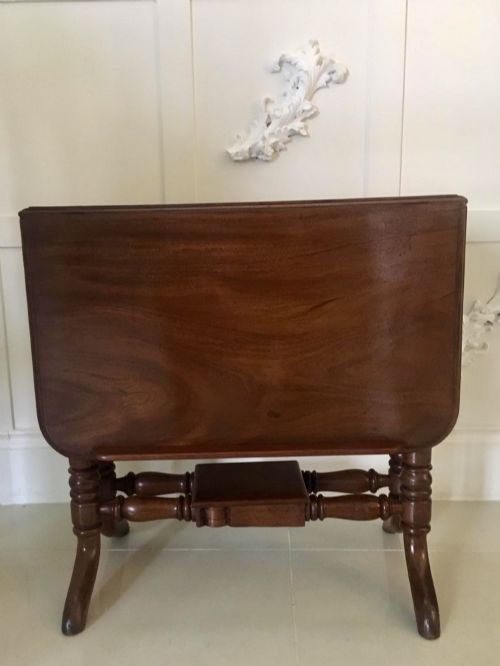
- Sutherland table
- A narrow drop-leaf table where the leaves are supported by swing-out gate legs, allowing the entire piece to fold flat for storage.
- Wind-out table
- An extending dining table operated by a concealed internal screw mechanism that separates the halves to insert central leaves.
- Gateleg table
- A table with hinged leaves supported by legs that swing outward like a gate to hold the flaps aloft.
- Scrub top
- A plain wooden tabletop left unpolished or repeatedly scoured clean, typical of utilitarian kitchen and farmhouse furniture.
Small Victorian Dining Table: Frequently Asked Questions
How many people can sit at a small victorian dining table?
Most compact drop-leaf and gateleg versions seat two to four diners comfortably for everyday meals. Extending mechanisms allow some models to accommodate larger gatherings when guests arrive.
Selecting the right size depends on whether the leaves remain dropped against the wall or raised permanently in the centre of the room.
Where were these tables used in nineteenth-century homes?
Kitchen tables in pine and oak stood in working domestic quarters for food preparation and daily family meals. Mahogany and burr walnut variants belonged in parlours and dining rooms for tea or card games.
Their modest proportions allowed them to move between rooms depending on the household requirements of the day.
How should I care for a polished mahogany or walnut surface?
Maintain the timber by dusting regularly with a soft dry cloth and applying natural beeswax occasionally to nourish the grain. Avoid placing hot dishes or liquids directly onto the polished finish to prevent water marks.
Keep nineteenth-century wooden furniture away from direct heat sources and strong sunlight to prevent timber shrinkage and veneer lifting.