




Small Turkish Accent Rug
A small turkish accent rug brings warmth and genuine tribal character to a narrow hallway or compact room.
Small Turkish Accent Rug
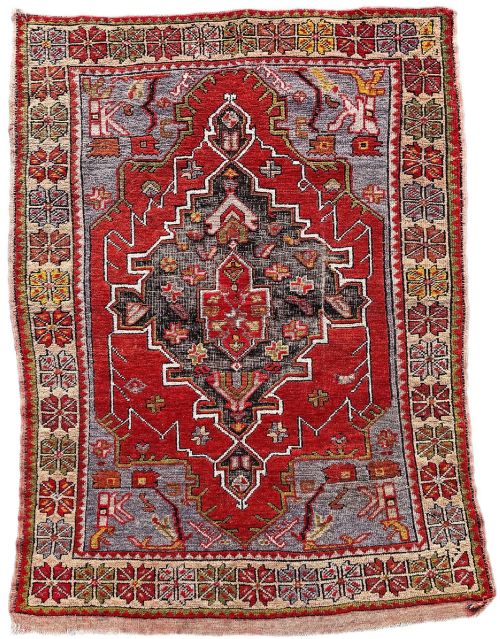
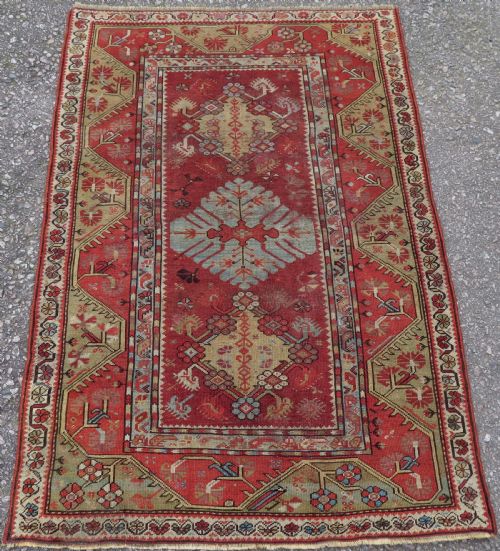
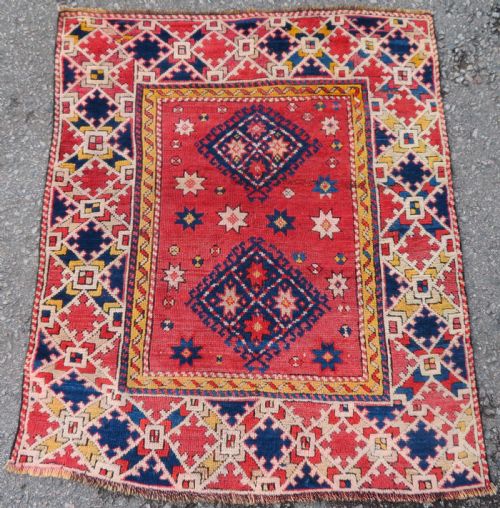
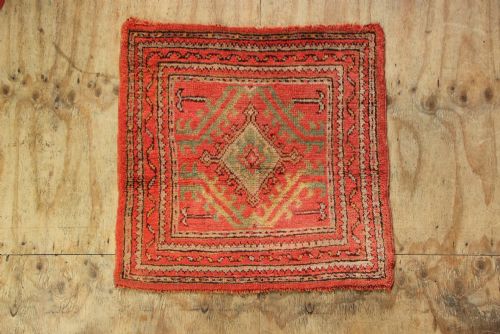
When you search for a small turkish accent rug, you encounter hand-knotted village and town floor coverings originating from Anatolia. These pieces span from the mid nineteenth century through to the early twentieth century, taking forms such as square formats, elongated runners and dedicated prayer designs.
The styles you meet most frequently on this page carry distinct regional identities rooted in Ottoman and Anatolian traditions. Pieces from centres like Bergama, Oushak, Kula, Konya, Yagcebedir, Kirsehir, Milas and Monastir demonstrate the diverse local weaving dialects found across western and central regions.
Village workshops and nomadic weavers produced these textiles primarily for domestic use rather than export. Consequently, the formats remain modest in scale, perfectly suited for modern placement as compact accent pieces in living spaces and studies.
Materials and construction
Weavers relied on natural animal and plant fibres, utilising wool for the dense pile and foundation warps alongside cotton for supplementary structural elements. Hand-spun wool provides the tactile resilience and subtle tonal variations inherent in these historic floor coverings.
The construction involves looping pile yarns individually around the warp threads before securing each horizontal row with multiple shots of weft. This traditional knotting technique creates a flexible yet durable fabric designed to withstand decades of daily foot traffic.
Small Turkish Accent Rug Retail Price Guide 2026
Typical asking prices for small turkish accent rug among the pieces listed under this phrase on Sellingantiques today, from the lower quarter to the upper quarter. They describe what is for sale here now, not the wider market.
Every village weaver left tiny intentional wool colour shifts in the border, proving human hands guided the loom.
Distinguishing quality
The refinement of a piece rests upon the precision of the knotting and the handling of the wool pile. Tighter knot counts allow for sharper graphic definition within geometric medallions and floral motifs.
Subtlety of palette marks the distinction between standard village output and superior examples. Natural dye absorption creates depth across fields of soft pastels and saturated earth tones, giving the surface a rich visual resonance.
The Small Turkish Accent Rug Glossary
- Prayer rug
- A textile featuring a distinct architectural mihrab arch design at one end, traditionally laid facing Mecca during daily worship.
- Warp
- The vertical foundation threads running the entire length of the rug upon which the pile knots are tied.
- Weft
- The horizontal threads passed back and forth across the warp to lock the rows of knots in place.
- Pile
- The vertical surface layer of wool fibres that stands up from the foundation to form the tactile face of the textile.
- Mihrab
- The pointed arch motif that directs the visual orientation of a prayer rug towards the holy city.
Small Turkish Accent Rug: Frequently Asked Questions
Where should I place a small turkish accent rug?
These compact formats fit naturally beside a bed, in a quiet reading corner or as a focal point in a modest entryway. Their scale allows them to anchor smaller spaces without overwhelming the surrounding floorboards.
Keep them away from damp areas like bathrooms to protect the historic wool and cotton fibres from moisture damage over time.
How do I clean an antique rug?
Gentle surface brushing and careful vacuuming without a rotating beater bar remove everyday dust and grit from the pile. Avoid vigorous shaking or modern washing machines, which can distort the historic woven structure.
Professional textile conservators should handle deep washing to ensure the natural dyes do not bleed or dull.
How can I tell the age of these pieces?
Dating relies on examining the specific wool quality, the complexity of the regional design vocabulary and the chemistry of the dyes. Pieces from the nineteenth century often display soft, organic fading and irregular abrash colour shifts.
Later examples from the early twentieth century show subtle shifts towards standardised town production while retaining traditional motifs.
Are these rugs durable enough for daily use?
The dense hand-knotted wool construction makes these textiles remarkably resilient against normal domestic foot traffic. Placing a breathable natural underlay beneath the piece prevents slipping and cushions the foundation.
Rotating the textile periodically ensures even wear across high-traffic areas in your home.