

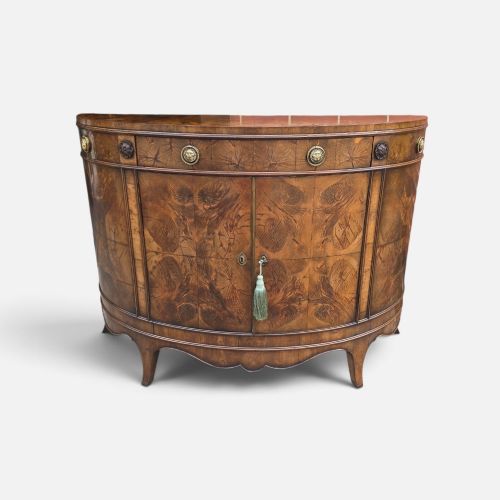


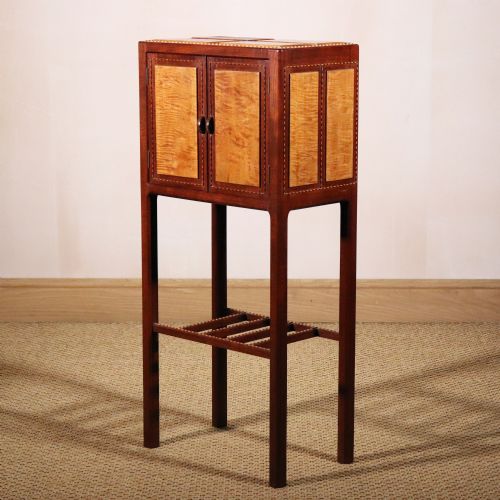


Small Timber Cupboard
A small timber cupboard offers neat storage and rich grain, bringing practical charm to any corner.
Small Timber Cupboard
When you search for a small timber cupboard, you are looking at compact storage furniture that appears across multiple eras, from the 18th century through to the mid-20th century.
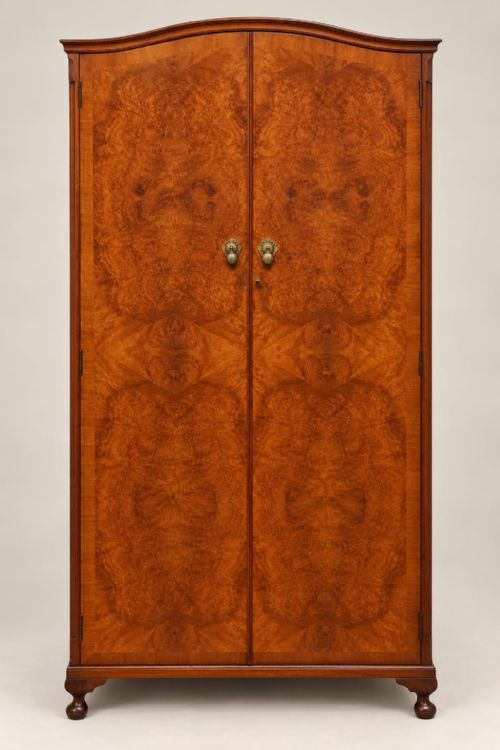
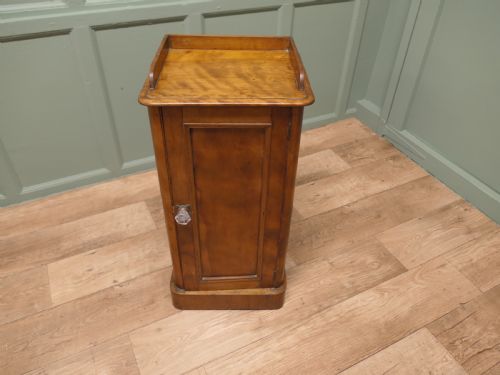
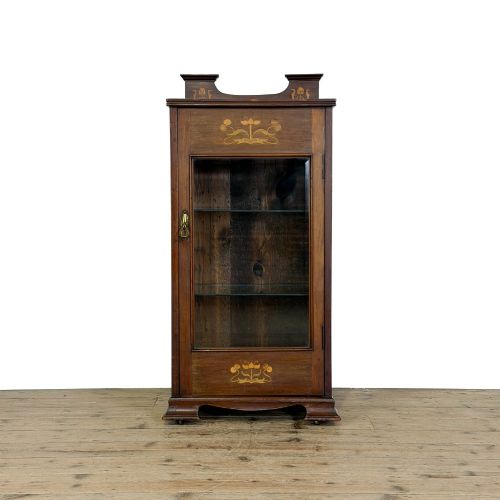
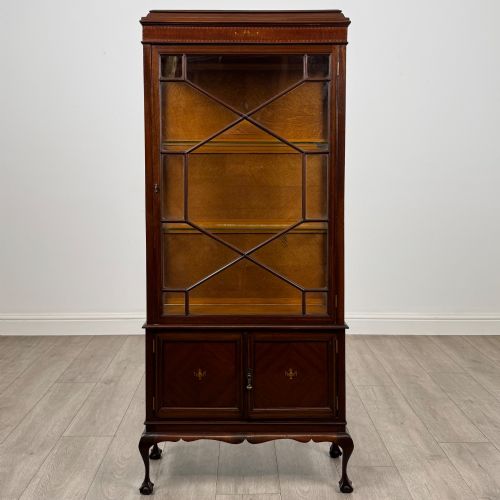
The pieces on this page span diverse forms such as bedside cupboards, side cabinets, display cabinets, and food safes, reflecting various domestic uses over the centuries.
You are most likely to meet Victorian and early 20th-century variations here, constructed in woods like mahogany, oak, and walnut, often reflecting revival styles or simple utilitarian designs.
How they were made
The construction of these pieces relies on solid timbers and veneers, predominantly employing woods such as oak, mahogany, walnut, yew, and birch.
Surface treatments range from natural polished wood grains to hand-painted finishes, sometimes incorporating decorative details in specific revival styles.
Small Timber Cupboard Retail Price Guide 2026
Typical asking prices for small timber cupboard among the pieces listed under this phrase on Sellingantiques today, from the lower quarter to the upper quarter. They describe what is for sale here now, not the wider market.
Listings feature pieces spanning from the 18th century through to the 1960s, constructed in oak, mahogany, walnut, satinwood, and yew.
What varies in quality
Quality in these pieces is determined by the selection of timber, such as burr walnut or yew wood, and the refinement of the cabinetmaker's joinery.
The sophistication of the design and any specialised decorative work, like hand-painted Pre-Raphaelite scenes or carved claw feet, elevate the distinction of individual cabinets.
Original brass fittings, well-fitted doors, and the integrity of internal shelving or fittings separate standard utility items from finer examples.
The Small Timber Cupboard Glossary
- Vitrine
- A glass-fronted display cabinet used for showing porcelain, curiosities, or books. These pieces often feature glazed doors on all sides to maximise visibility.
- Bedside Cupboard
- A small enclosed piece of furniture designed to stand next to a bed, sometimes historically referred to as a night locker. They frequently contain a single door and a small internal shelf.
- Panetiere
- A traditional wooden food safe or bread cupboard originating from France, characterised by ventilated panels or turned spindles. They were historically used to keep loaves of bread away from household pests.
- Demi Lune
- A half-moon shape used in the design of side cabinets and tables. This curved silhouette allows the furniture to sit flush against a wall while occupying minimal floor space.
- Cabinet on Stand
- A raised storage compartment supported by a distinct framework or legs. This form elevates the main body of the cupboard to make accessing contents more convenient.
Small Timber Cupboard: Frequently Asked Questions
What is a small timber cupboard used for today?
These compact pieces serve well as bedside tables, hallway storage, or compact display units in smaller rooms. Their diverse internal layouts accommodate books, glassware, or everyday household items.
They bring period character to modern interiors while providing genuinely useful surface space and concealed storage.
How do I identify the period of a timber cupboard?
Dating relies on observing construction methods, timber choices, and stylistic cues such as proportions, mouldings, and hardware. For instance, pieces reflecting Art Nouveau or Georgian revival styles carry design markers specific to their eras.
Secondary woods used inside drawers and backboards also help determine the age of the piece.
Are all small timber cupboards made of solid wood?
While many feature solid construction in oak, mahogany, or birch, others utilise fine wood veneers over secondary timber bases, particularly on larger surfaces like cabinet doors.
Cabinetmakers often applied burr walnut or satinwood veneers to create decorative grain patterns that solid timber alone could not achieve.
How should I care for a vintage wooden cabinet?
Keep wooden furniture away from direct sunlight and strong heat sources to prevent the timber from drying out or splitting. Regular dusting with a soft, dry cloth maintains the finish without building up residues.
Occasional application of appropriate wax polish helps nourish older wood surfaces and preserve their natural sheen.