
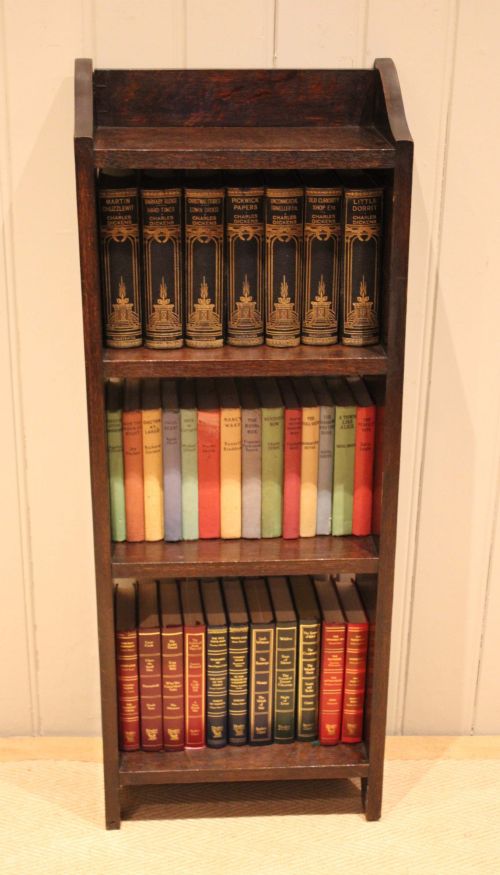

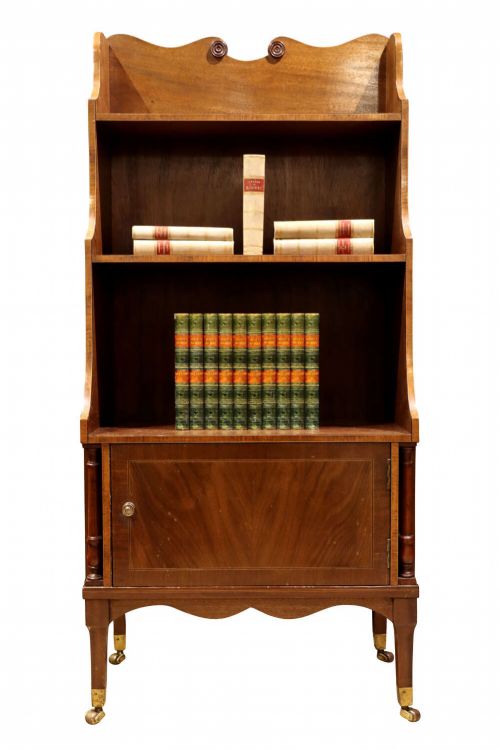


Small Tiered Bookcase
A small tiered bookcase brings compact shelving and proportioned display space to domestic rooms, uniting utility with period cabinet-making.
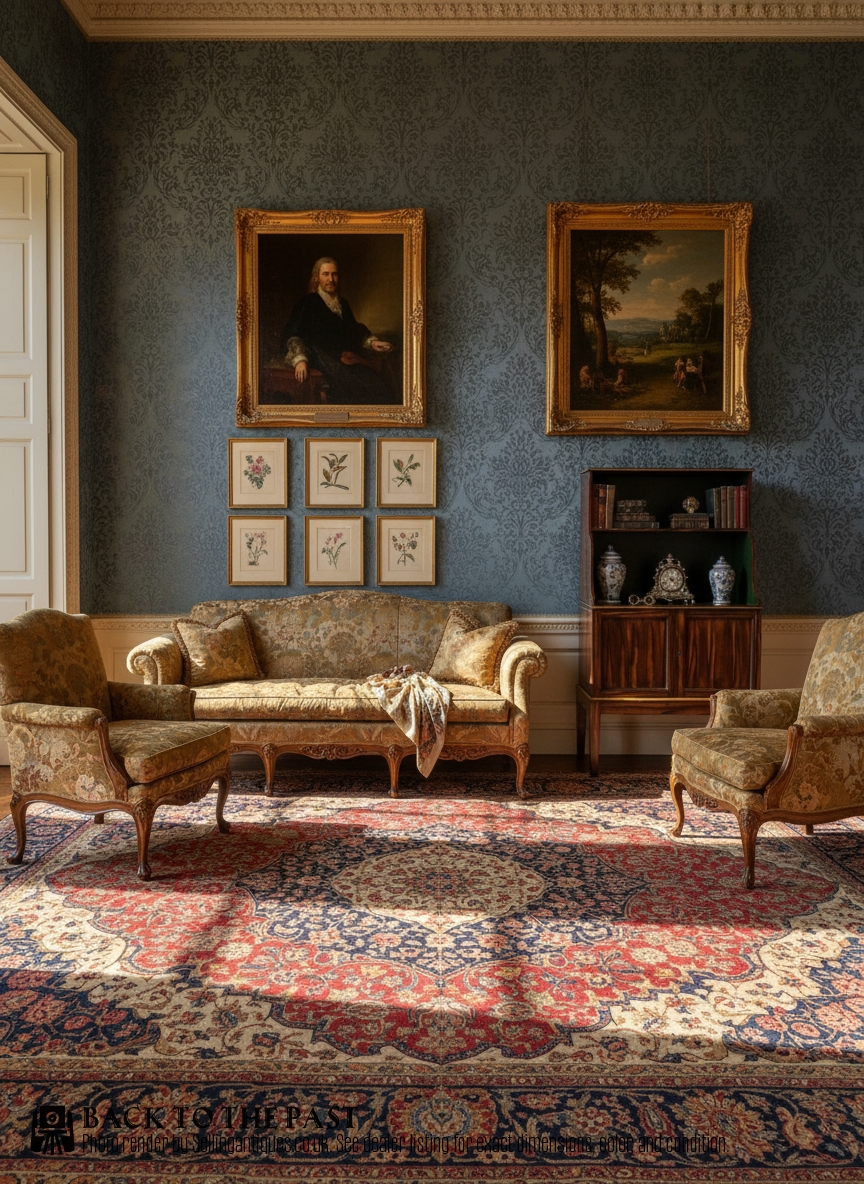
Small Tiered Bookcase
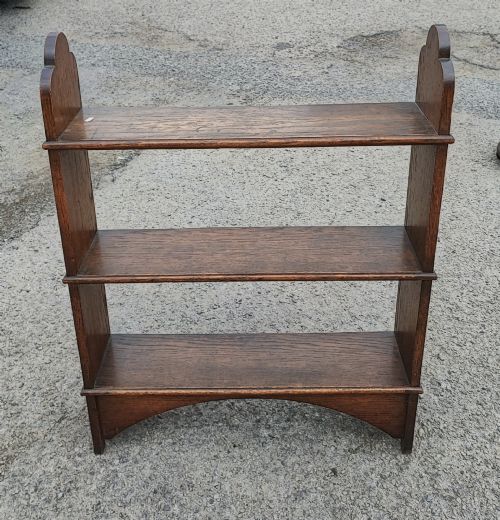
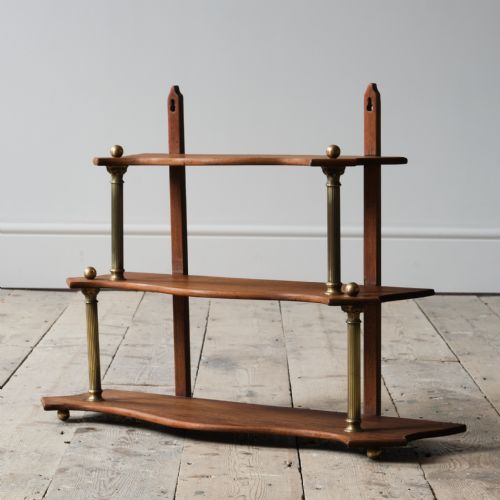
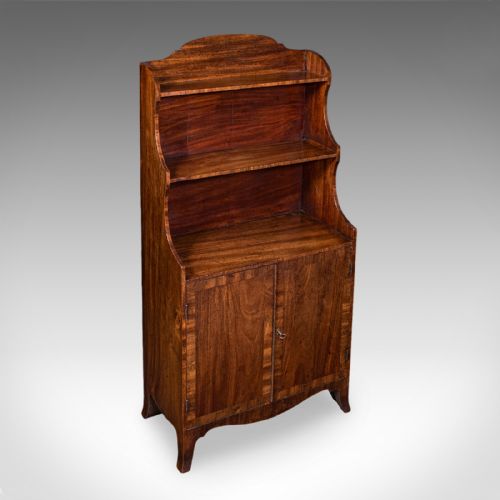
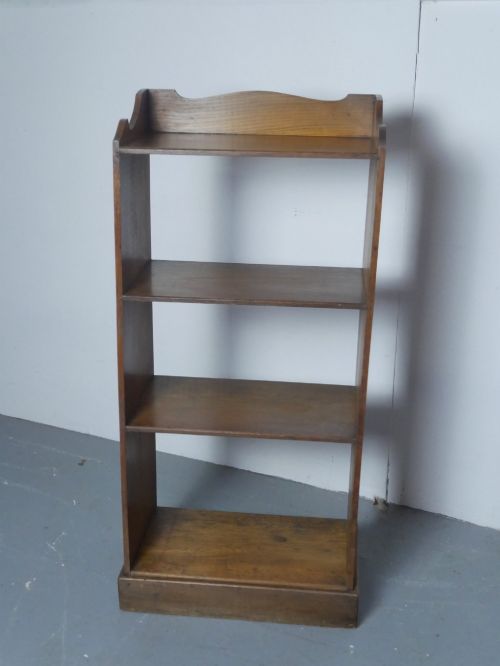
A small tiered bookcase provides compact display and storage across several levels, taking the form of open wall-hanging shelves, revolving book tables, and freestanding waterfall units. These pieces range from simple utilitarian oak shelving to refined mahogany and satinwood cabinets designed for domestic reading rooms and studies.
The selections encountered here span multiple periods, from Georgian and Regency items through Victorian, Edwardian, and Arts and Crafts examples dated around nineteen-twenty. Buyers frequently encounter open oak bookcases and mahogany wall shelves alongside revolving pieces and waterfall fronts suited to modest spaces.
How they were made
Cabinet-makers constructed these small tiered bookcases primarily in timbers such as mahogany, oak, rosewood, and satinwood, often accentuating the grain with flame veneers and decorative inlay. Brass details appear on castors and wall fittings, while construction methods range from pegged joints on early oak frames to finely dovetailed carcases on later mahogany pieces.
Surface finishes vary from polished rosewood and satinwood to golden oak and pine, with waterfall frontages curving downwards across graduated shelves. Joinery traditions shifted from sturdy country workshops to refined urban cabinet-makers over the centuries represented.
Some Victorian revolving bookcases spin so smoothly that selecting a bedtime read becomes an involuntary physical sport.
What varies in quality
The distinction between standard utility items and finer examples rests upon the choice of timber and the subtlety of the cabinet-making. Grain selection in flame mahogany or satinwood, combined with delicate inlay work and solid brass hardware, elevates a piece beyond basic carpentry.
Proportion and execution define the upper tier of these pieces, where neat dimensions, original surfaces, and thoughtful integration of revolving mechanisms or graduating shelves demonstrate superior workshop standards.
Heals·Gillows
The Small Tiered Bookcase Glossary
- Waterfall bookcase
- A freestanding or hanging set of graduated shelves where each tier steps back from the one below, creating a cascading profile popular in the nineteenth century.
- Revolving bookcase
- A compact shelving unit mounted on a rotating pivot base, allowing books to be accessed easily from multiple angles in a seated position.
- Inlay
- A decorative technique where contrasting woods, brass, or other materials are fitted into the surface of a carcase to create geometric or floral patterns.
- Secretaire
- A cabinet or desk incorporating a pull-down writing flap concealing pigeonholes and small drawers behind a fall front.
- Chiffonier
- A low cabinet with shelves or a cupboard beneath, originating in the Regency and Victorian periods for domestic storage and display.
Small Tiered Bookcase: Frequently Asked Questions
Where should I place a revolving bookcase?
A revolving bookcase works best beside an armchair or freestanding in the centre of a room where its rotating tiers can be reached from all sides without obstructing traffic.
Because these pieces have a small footprint, they also fit comfortably into corners or narrow alcoves where traditional rectangular shelving proves too bulky.
How do I distinguish a Regency piece?
Regency pieces often display rich rosewood or mahogany timbers, neat proportions, and restrained classical lines reflecting early nineteenth-century taste.
Details such as brass castors and waterfall fronts help identify items from this specific era within a mixed collection.
Can wall hanging shelves hold heavy books?
Wall hanging shelves are constructed for lighter volumes, pamphlets, and decorative display rather than heavy folio sets.
Ensure that the fixings are secured directly into wall studs or masonry to support the weight of the timber and its contents safely.
What is the difference between oak and mahogany pieces?
Oak examples tend to originate from Arts and Crafts or country workshops, featuring visible grain and sturdy, straightforward construction.
Mahogany and satinwood pieces generally offer a more refined finish with polished surfaces, veneer work, and formal styling suited to period drawing rooms.