


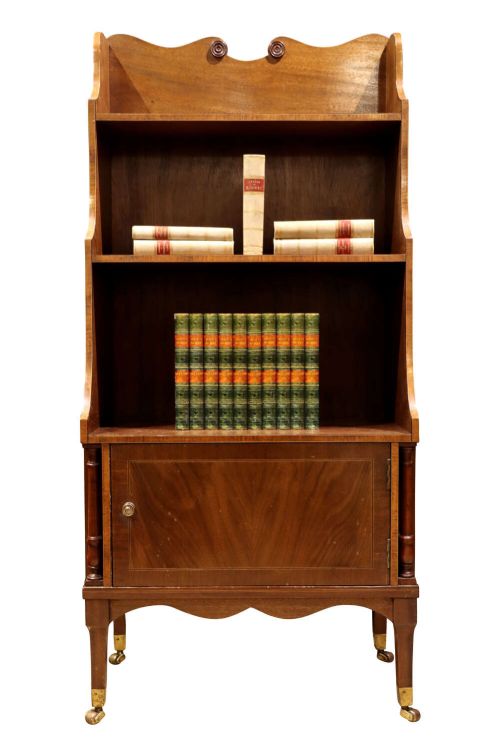
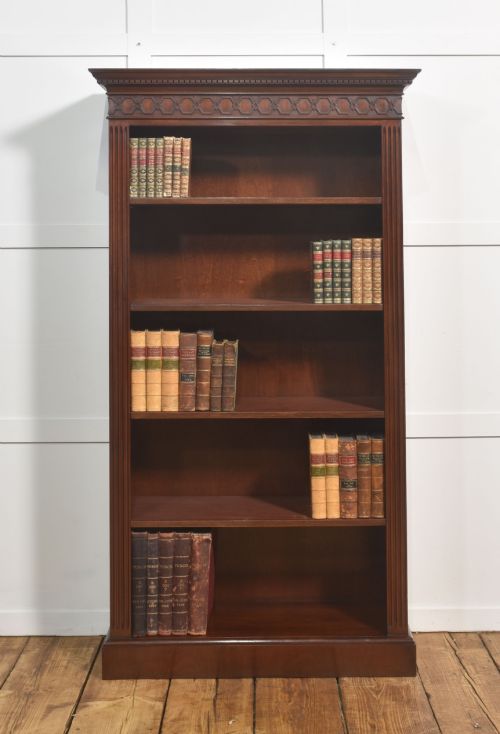
Antique Style Display Shelves
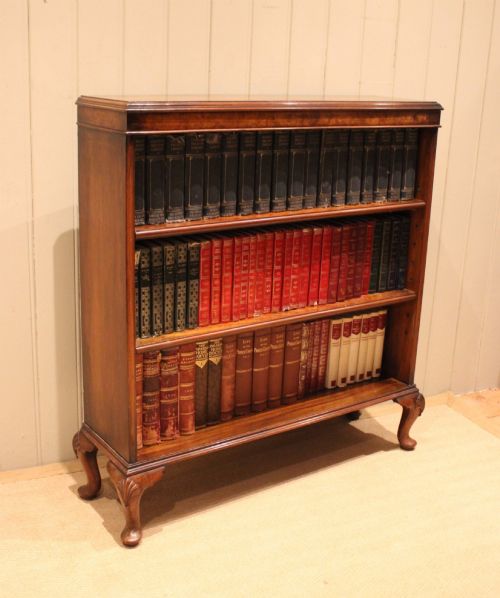
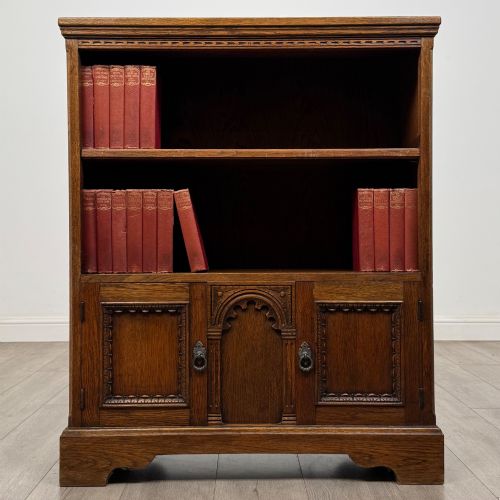
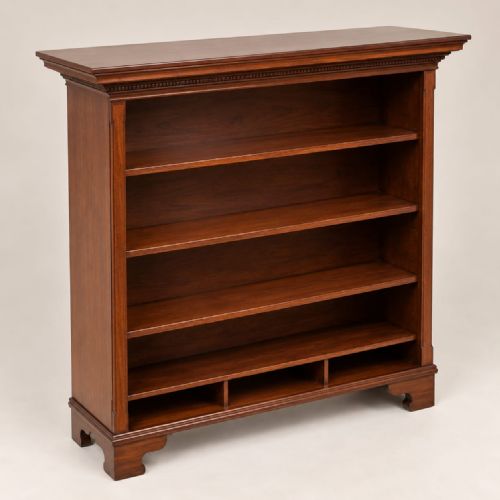
Antique style display shelves group open bookcases, wall brackets, and glass-fronted cabinets built to hold books and display objects.
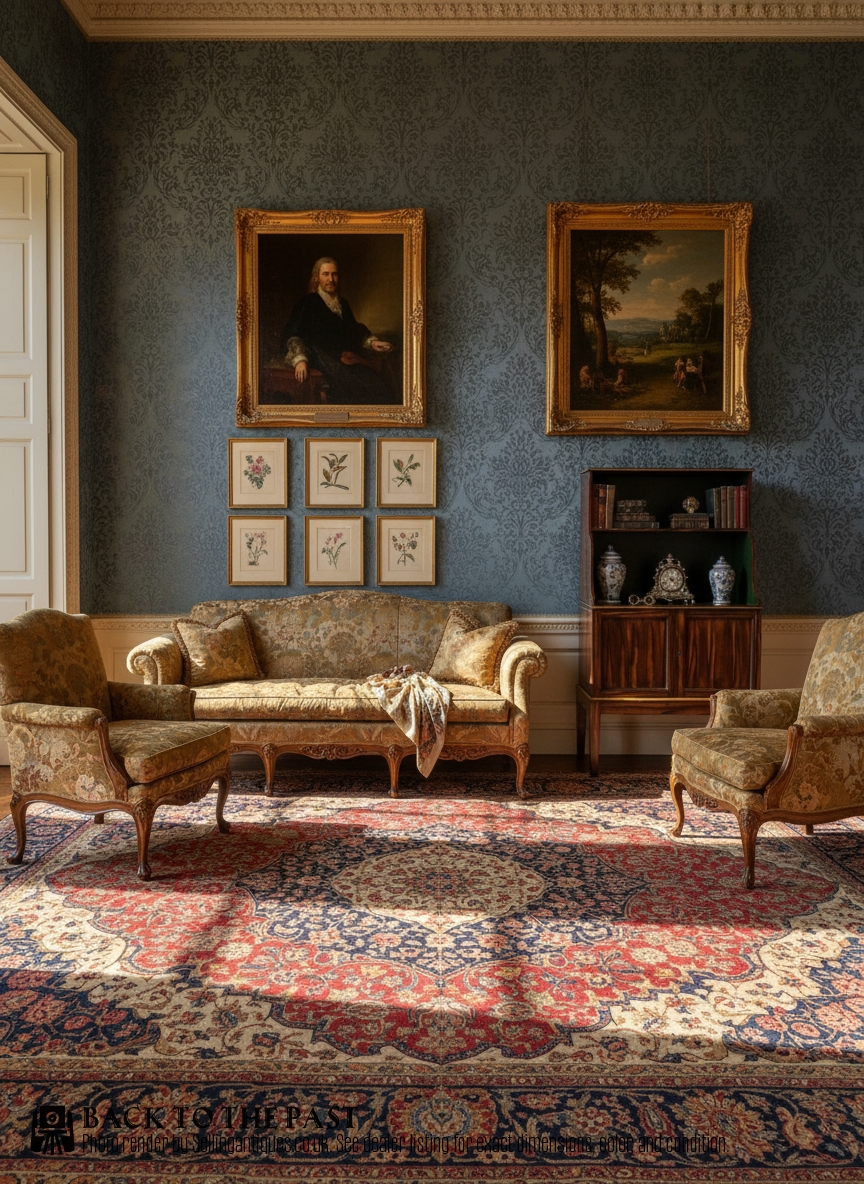
Antique Style Display Shelves
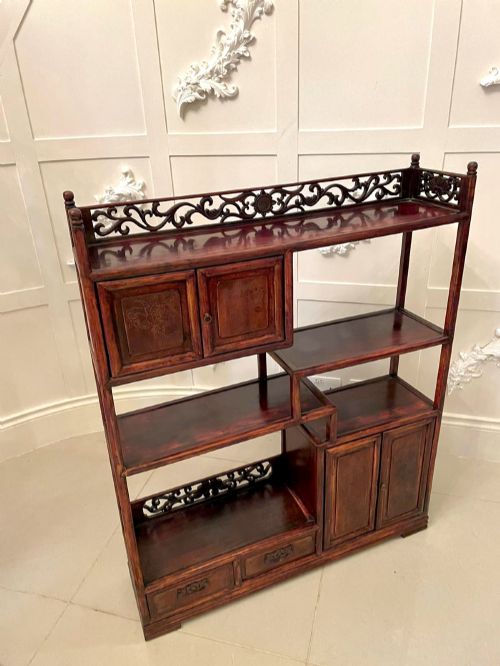
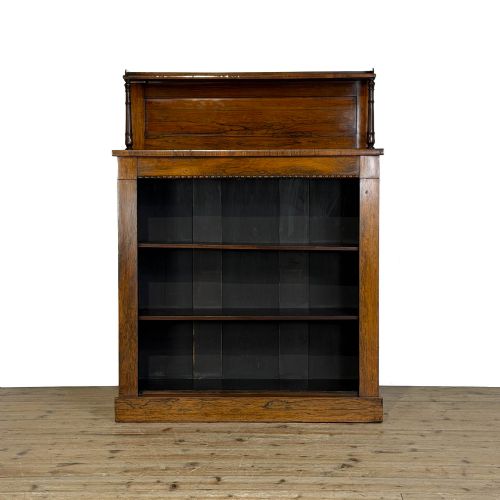
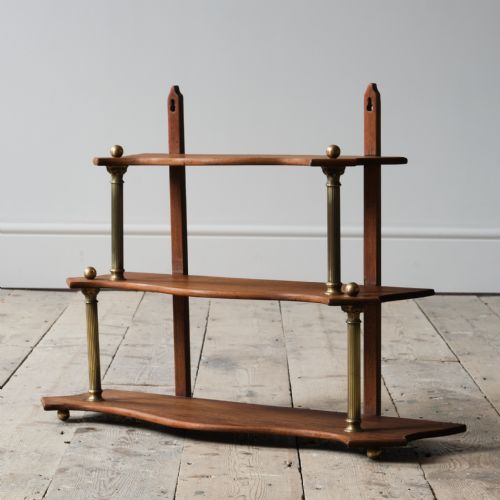
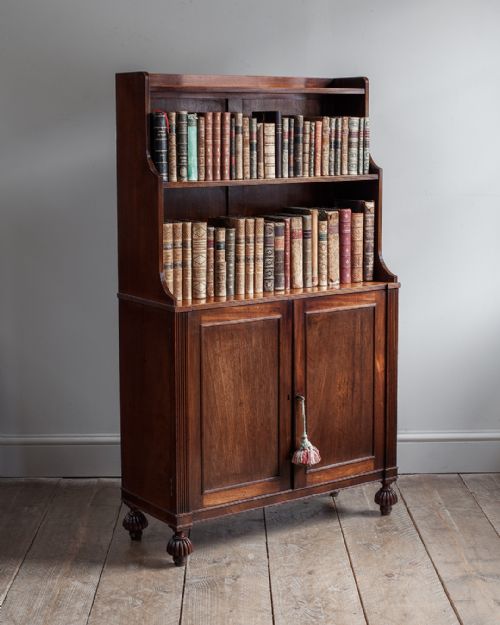
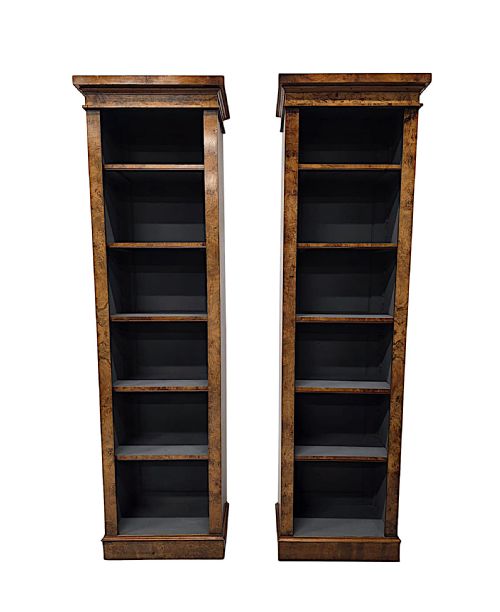
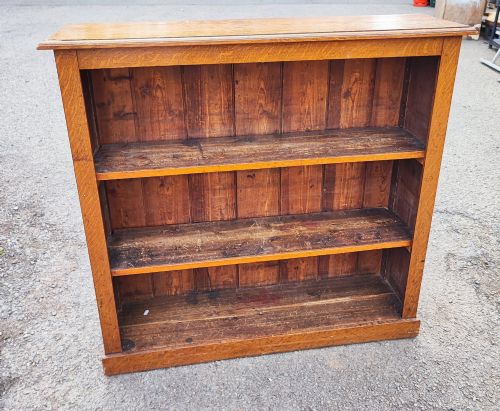
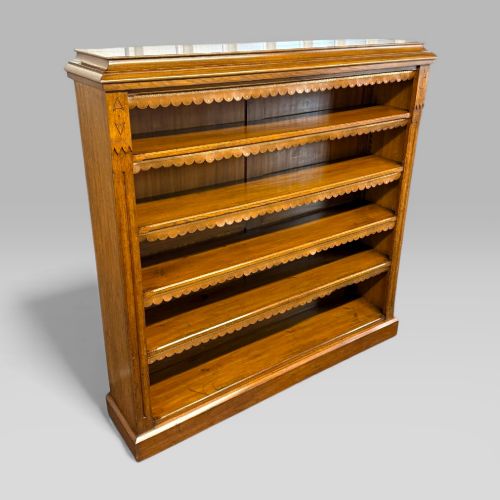
When searching for antique style display shelves, collectors encounter open bookcases, waterfall bookcases, etageres, wall brackets, and whatnots spanning the nineteenth and early twentieth centuries. These pieces originate in periods ranging from the Georgian and Regency eras through Victorian, Edwardian, and Arts and Crafts movements.
Mahogany, oak, and walnut form the backbone of these listings, often paired with glass, brass, and rosewood. Forms vary from compact wall-hanging shelves to large breakfront open bookcases and music cabinets designed for domestic utility and display.
Materials and Construction
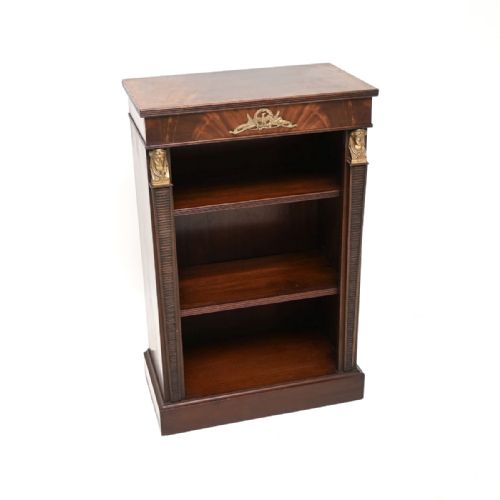
Cabinetmakers utilised solid timbers and choice veneers, including figured walnut, satinwood, padauk, and mahogany, frequently enhanced with inlaid parquetry, brass castors, and ormolu mounts. Structural integrity relies on traditional joinery methods suited to supporting heavy volumes and decorative ornaments.
Surface treatments range from ebonised finishes and French polish to painted decoration and carved wood details, reflecting specific period revivals such as Rococo, Gothic, and Neoclassical styles.
Design influences recorded across the inventory include Regency, Arts and Crafts, Jacobean Revival, and French Empire styles.
Assessing Quality
Distinction across the range rests on timber selection, the finesse of cabinetwork, and the originality of decorative elements. Pieces featuring figured veneers, subtle inlay, and high-status secondary woods stand apart from standard utility furniture.
Proportion and execution define the hierarchy, where crisp carving, integrated brass hardware, and thoughtful architectural detailing elevate an ordinary bookshelf into a distinguished item of interior furnishing.
Gillows·Gabriel Viardot·Liberty and Co·George Edmund Street
The Antique Style Display Shelves Glossary
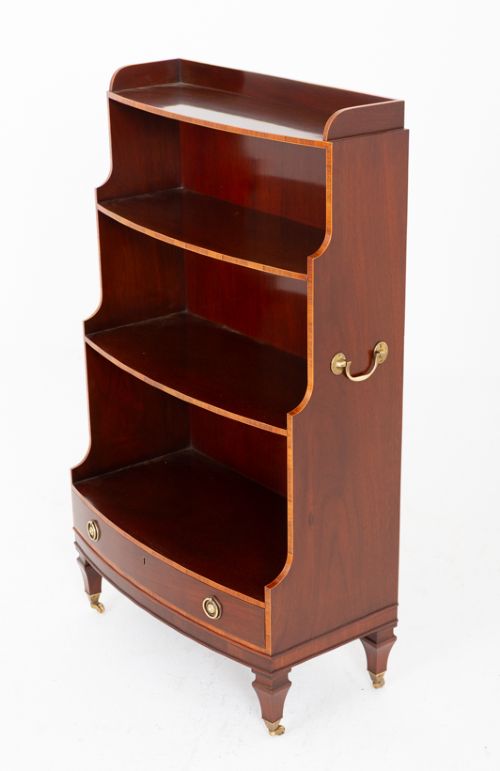
- Waterfall bookcase
- A tiered shelving unit where each successive shelf steps back from the one below, creating a cascading profile popular in the nineteenth century.
- Whatnot
- A multi-tiered piece of freestanding furniture designed for displaying ornaments, books, or curiosities, originating in the late eighteenth century.
- Etagere
- A small set of open shelves used for displaying decorative objects, often taking lightweight or corner forms.
- Ormolu
- Gilded bronze used for decorative mounts and fittings on fine cabinetry, particularly prominent in French revival pieces.
- Parquetry
- Geometric wood mosaic work used for decorative surface patterns on tabletops, cabinet doors, and shelf edges.
Antique Style Display Shelves: Frequently Asked Questions
What are antique style display shelves used for?
These pieces serve primarily to hold books, ceramics, and ornamental objects while adding architectural character to a room. They range from wall-mounted brackets for single items to large floor-standing bookcases.
Selecting the right form depends on available wall space and the weight of the items intended for display.
How do I identify a Victorian bookcase?
Victorian examples often utilise dense timbers like mahogany and oak, frequently featuring deep mouldings, adjustable shelving, or glass doors. Stylistic revivals such as Gothic, Rococo, and Aesthetic Movement frequently influence the decorative carvings.
Examining the backboards, screw types, and interior timber helps confirm the nineteenth-century manufacture date.
What is an etagere used for?
An etagere functions as a tiered display stand for small decorative objects, porcelain, and collectibles. Their open framework allows light to pass through from multiple angles.
These pieces suit corners or smaller wall spaces where traditional heavy bookcases would overwhelm the room.
How should I care for antique wood shelves?
Maintain antique timber by keeping units away from direct heat sources and fluctuating humidity to prevent veneer splitting. Dust regularly with a dry, soft cloth and avoid commercial silicone polishes.
Periodically check wall fixings on hanging shelves to ensure safe weight distribution.