


Small Table Top Cabinet
A small table top cabinet brings compact storage and display to a desk or surface, housing collections or papers.
Small Table Top Cabinet
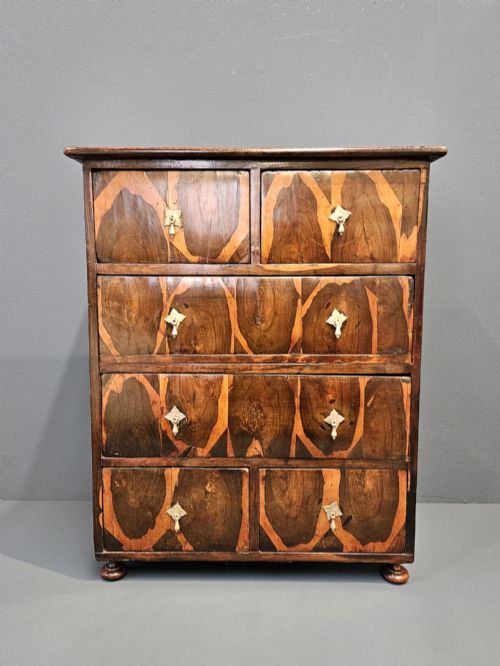
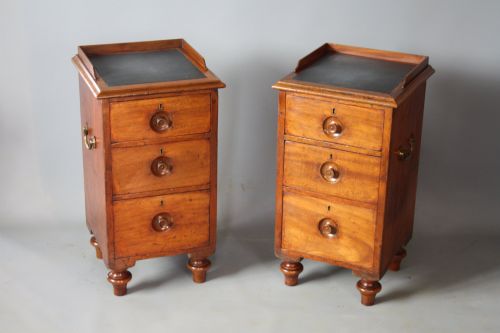
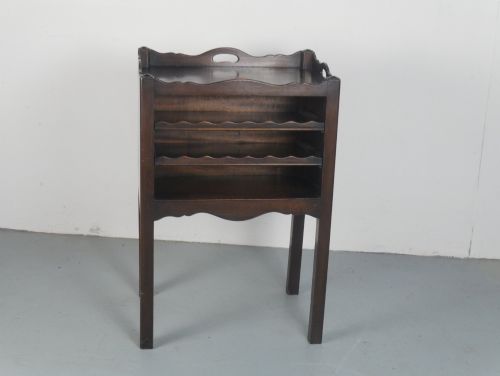
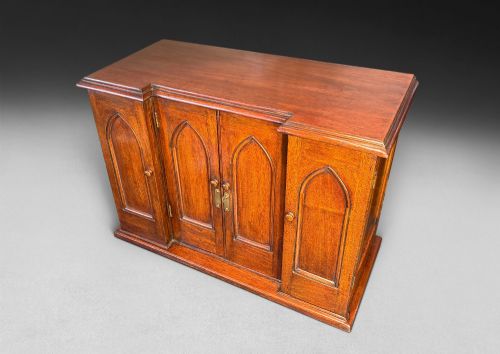
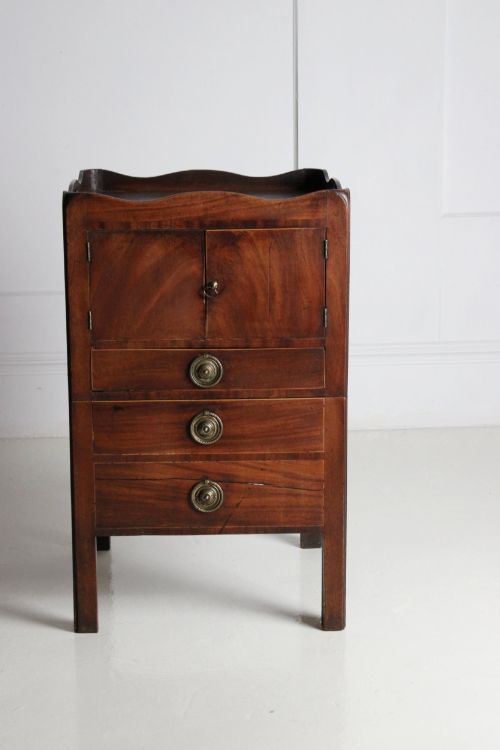
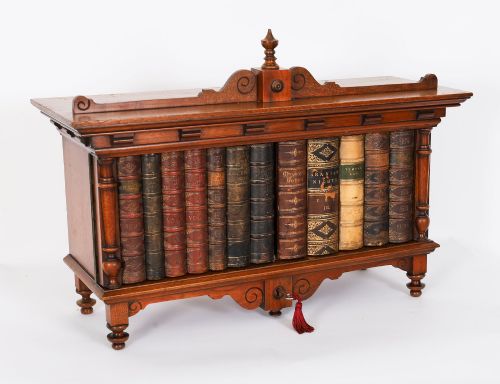
When you search for a small table top cabinet, you encounter pieces designed to sit upon furniture rather than stand on the floor. These items encompass tabletop chests, miniature cupboards, and collectors cabinets spanning periods from the eighteenth century through the Victorian and Edwardian eras into the 1930s.
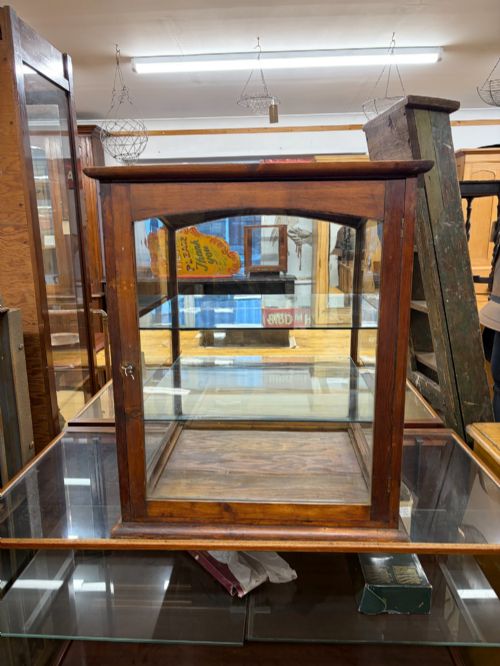
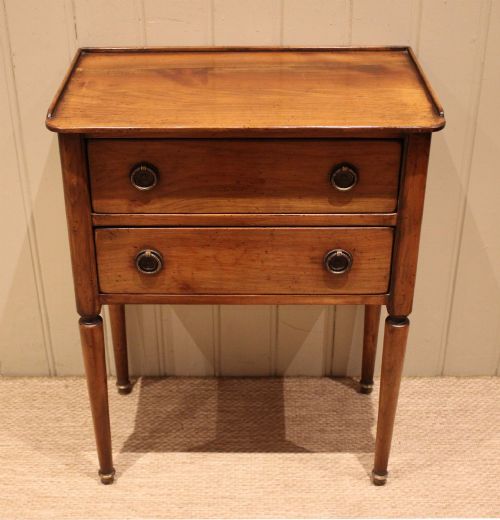
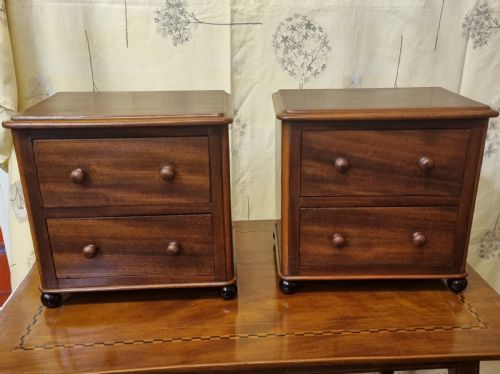
The versions most frequently met on this page include mahogany, oak, and burr walnut tabletops, alongside glazed display cases and drawer chests. Their forms often mirror larger furniture of their respective periods, scaled down for intimate rooms or specialised storage.
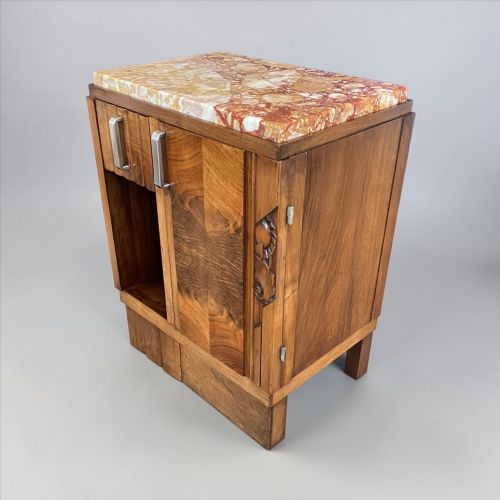
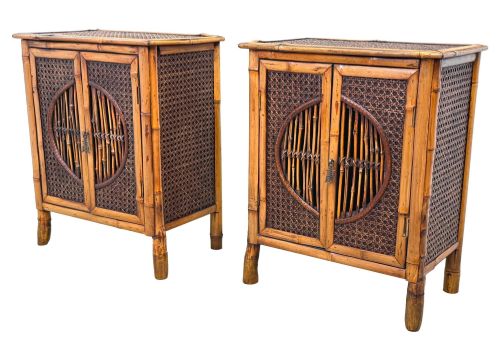
Makers and craftsmen applied distinct regional styles, ranging from English Georgian and Victorian designs to French walnut and marble commodes, or bamboo aesthetic pieces. Each variant serves a dual purpose of practical organisation and visual display.
Materials and construction
Cabinet makers utilised dense hardwoods such as mahogany, oak, walnut, and burr walnut, often pairing them with brass hardware, leather inserts, and glass panels. These materials provided the structural integrity needed for miniature drawers, doors, and hinged lids.
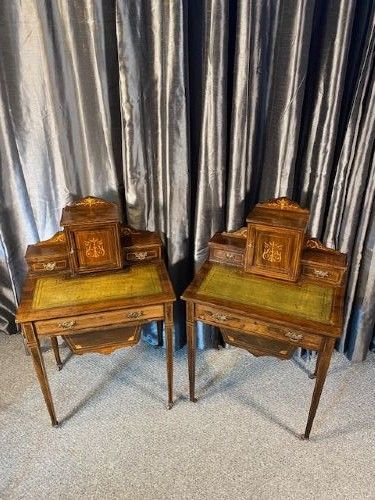
Surface decoration involved marquetry, inlay, lacquer, and marble tops, reflecting the stylistic preferences of Georgian, Victorian, Edwardian, and Art Deco periods. Joinery techniques ensured that small scale doors, slide fronts, and drawers operated smoothly within compact frames.
Small Table Top Cabinet Retail Price Guide 2026
Typical asking prices for small table top cabinet among the pieces listed under this phrase on Sellingantiques today, from the lower quarter to the upper quarter. They describe what is for sale here now, not the wider market.
Factors determining quality
Quality separates pieces through the selection of timber figures, such as burr walnut or fiddle back mahogany, and the precision of the joinery in miniature proportions. Superior examples maintain crisp carving, well-fitted drawers, and original brass fittings without structural compromise.
The integration of secondary materials like marble tops, glass panels, and leather writing surfaces indicates the tier of a piece. Finer cabinets display careful attention to interior details, such as dedicated compartments for stationery, collectors specimens, or jewellery.
The Small Table Top Cabinet Glossary
- Davenport
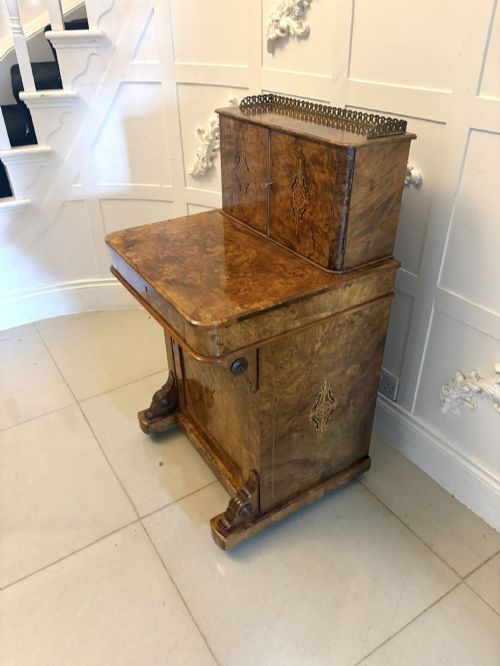
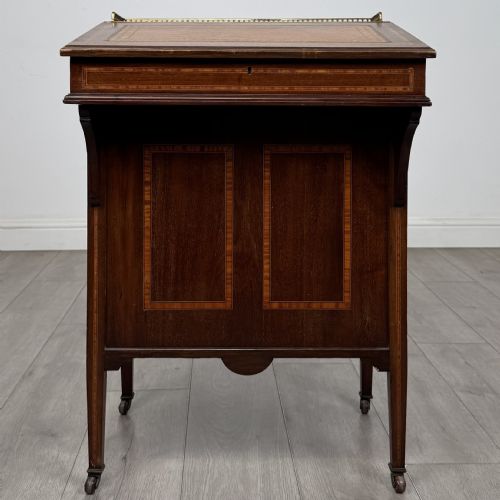
- A small desk featuring a sloping writing surface above a pedestal of drawers. They often incorporate hidden compartments and stationery storage.
- Bijouterie table
- A glass-topped display case or table designed for showcasing small valuable items, jewellery, or curiosities.
- Commode
- A low cabinet or chest of drawers, often featuring decorative marble tops and French stylistic influences.
- Pot cupboard
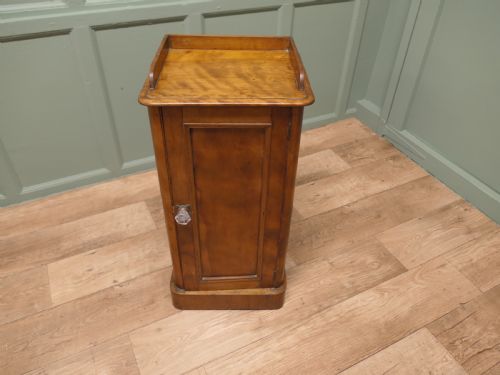
- A small bedside cabinet or nightstand historically used to house a chamber pot, typically enclosed with a single door.
- Tambour
- A sliding door constructed from narrow vertical strips of wood glued to a flexible canvas backing, allowing it to curve around corners.
Small Table Top Cabinet: Frequently Asked Questions
What is a small table top cabinet used for?
These cabinets served historically for storing small valuables, letters, and collectors specimens right on top of desks or larger chests. Today they function equally well for organising modern desk accessories or displaying small curiosities.
Their compact footprints allow them to sit comfortably on tabletops, sideboards, or shelves without dominating a room's floor space.
How do I date a table top cabinet?
Dating relies on identifying the primary timbers used, such as early oak or later burr walnut, alongside characteristic hardware like brass handles and hinges. Construction methods and decorative styles, from Georgian simplicity to Victorian carving or Art Deco lines, also point to specific eras.
Examining secondary woods inside drawers and the type of fixings provides further clues to whether a piece originates from the eighteenth, nineteenth, or early twentieth century.
Where should I place a tabletop cabinet?
These versatile pieces suit placement on sturdy desks, chests of drawers, or dedicated side tables where their details can be appreciated at eye level. They work particularly well in studies, living rooms, or hallways as focal points for small collections.
Ensure the supporting surface is level and capable of bearing the weight of hardwood construction and glass or marble elements.
How do I care for antique wood cabinets?
Maintain antique timber by keeping cabinets away from direct sunlight and sudden temperature shifts that can cause wood to warp or split. Occasional dusting with a soft, dry cloth preserves the finish without requiring heavy polishes.
Leather writing surfaces and marble tops benefit from gentle cleaning specific to those materials, ensuring brass fixtures remain untarnished.