



Small Standing Clock
A small standing clock brings vertical presence to a room without demanding the floor space of a full-scale grandfather.
Small Standing Clock
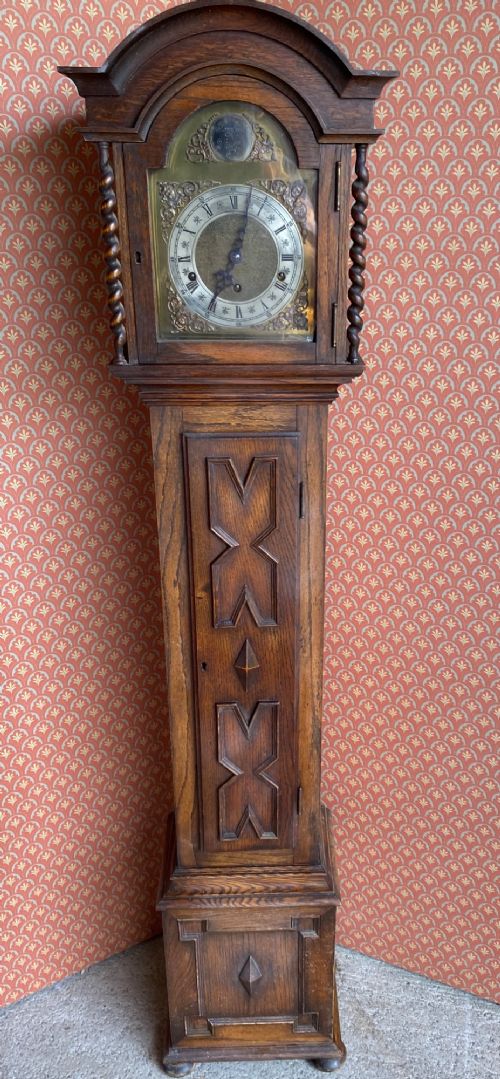
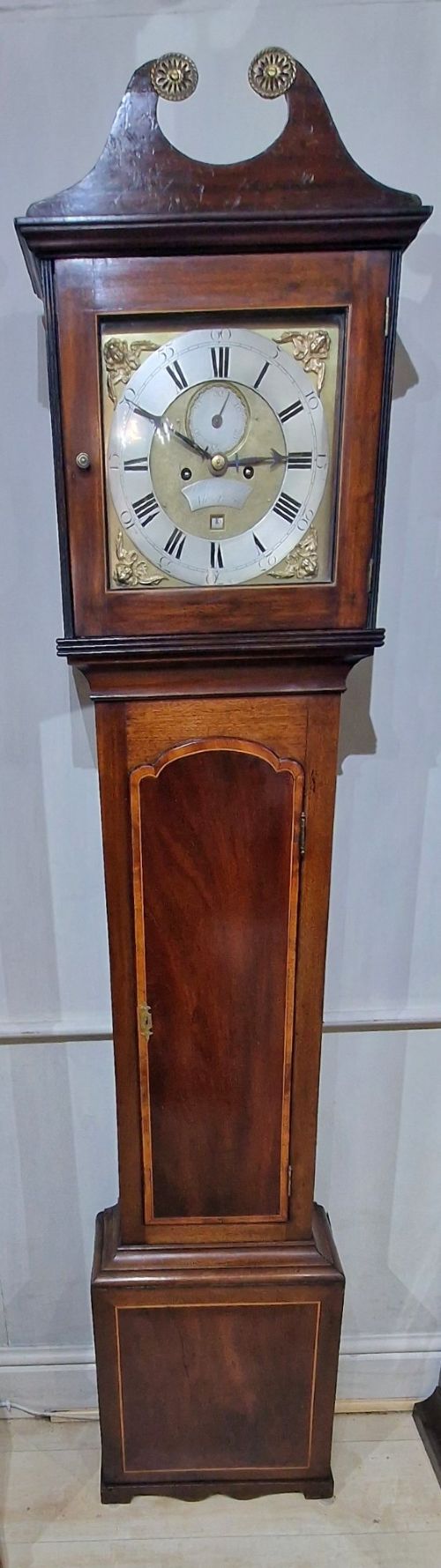
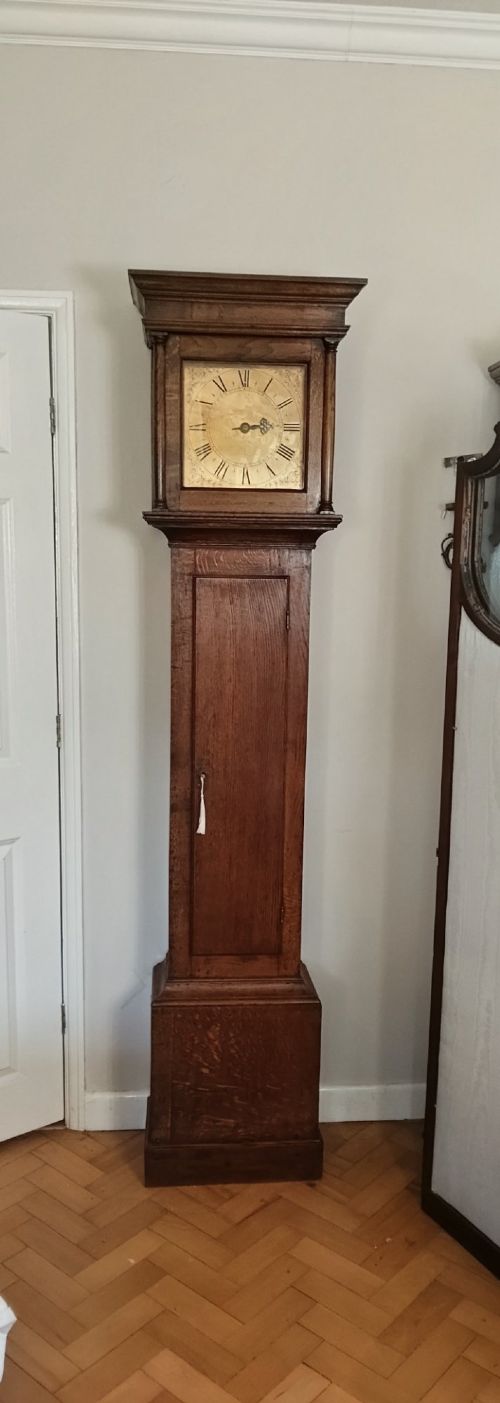
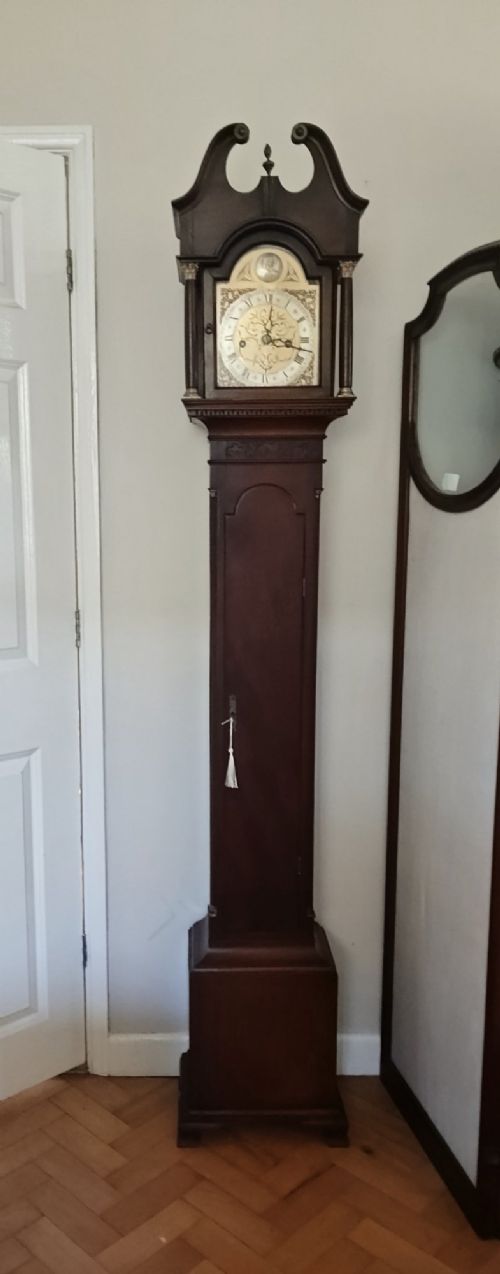
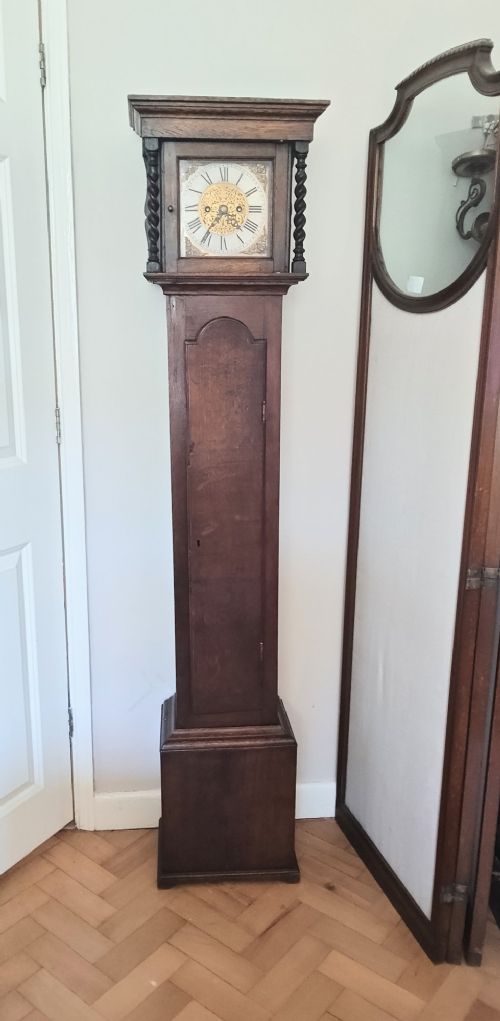
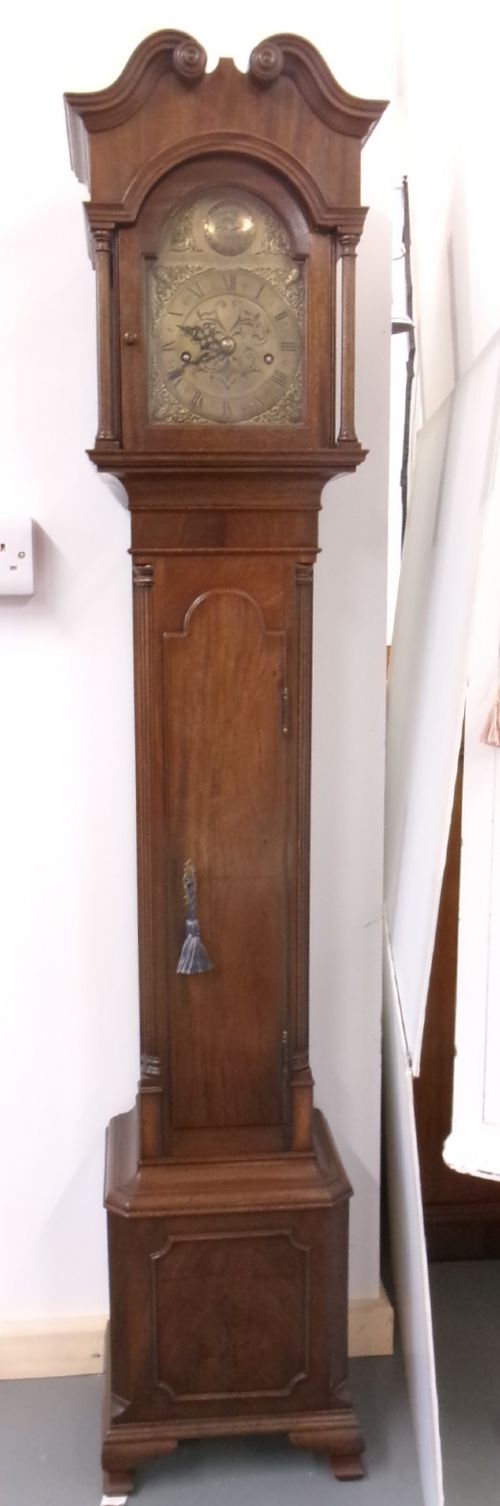
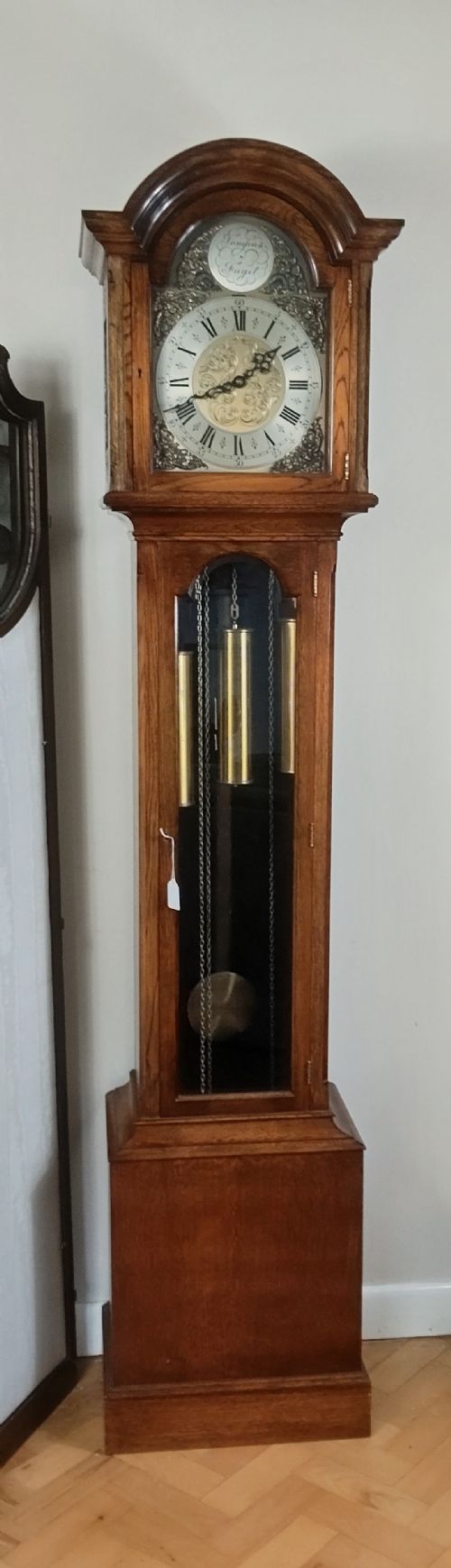
When you search for a small standing clock, you are looking at scaled-down timepieces that stand on the floor, spanning periods from the seventeenth century through the twentieth century.
The most common examples you will meet on this page are oak or mahogany grandmother and grandfather clocks, often featuring narrower dials and reduced proportions designed for lower ceilings and smaller chambers.
These floor-standing pieces originate from diverse eras, including Georgian, Edwardian, and later revivals, maintaining the traditional mechanical movements of their taller counterparts within a compact footprint.
Materials and construction
Cabinet makers built these cases primarily in solid timbers such as oak and mahogany, occasionally employing walnut and ebonised wood alongside intricate marquetry inlay.
Dial construction typically integrates brass components and glazed bezels to protect the moving mechanical parts within the upright wooden trunk.
Small Standing Clock Retail Price Guide 2026
Typical asking prices for small standing clock among the pieces listed under this phrase on Sellingantiques today, from the lower quarter to the upper quarter. They describe what is for sale here now, not the wider market.
Listings span multiple centuries of British cabinet making, featuring seventeenth-century marquetry alongside twentieth-century Jacobean and Chippendale revival styles.
Quality variations
The distinction between tiers rests on the proportion of the case, the crispness of timber mouldings, and the refinement of the dial work rather than simple age.
Clocks featuring sophisticated movements, such as quarter chiming or musical mechanisms, demonstrate a higher degree of horological ambition from their makers.
Nathaniel Pyne·Harrods·Herbert of Haversham·Smith Chester
The Small Standing Clock Glossary
- Grandmother clock
- A smaller version of the longcase clock, typically standing under six feet tall with slender proportions. These pieces became particularly popular during the twentieth century and revival periods.
- Granddaughter clock
- An even more compact floor-standing timepiece, sharing the mechanics of a longcase clock in a diminutive case. They suit smaller rooms where standard grandfather clocks overwhelm the scale.
- Longcase clock
- A tall, weight-driven pendulum clock enclosed in a wooden case consisting of a trunk and a hood. They date back centuries and remain staples of traditional horology.
- Marquetry inlay
- The art of applying decorative pieces of wood veneer onto a structure to form intricate patterns. This technique elevates the visual richness of seventeenth and eighteenth-century clock cases.
Small Standing Clock: Frequently Asked Questions
How do I wind a small standing clock?
Most of these mechanical timepieces operate with weights or springs that require a key or crank to tension the movement periodically.
Careful handling of the winding process prevents damage to the internal brass trains and maintains accurate timekeeping.
Where should I place a grandfather clock?
Select a room with stable temperature and humidity away from direct sunlight and heating vents to protect the wooden case and delicate internal mechanisms.
Ensure the floor is level so the pendulum swings freely and the clock keeps time reliably.
How do I distinguish Georgian from Edwardian clocks?
Georgian examples display the authentic joinery and timber patination of the eighteenth and early nineteenth centuries, while Edwardian pieces often reflect later revivals of these historical styles.
Examining the internal movement and secondary woods helps clarify the true age of the case.
What is the difference between a grandfather and grandmother clock?
Grandfather clocks generally measure over six feet in height with larger dials, whereas grandmother clocks feature scaled-down proportions designed for lower ceilings.
Both utilise similar weight-driven or spring-driven pendulum mechanisms despite their difference in stature.