



Small Shop Display
A small shop display brings original mercantile utility into the home, offering glazed protection for curated collections.
Small Shop Display
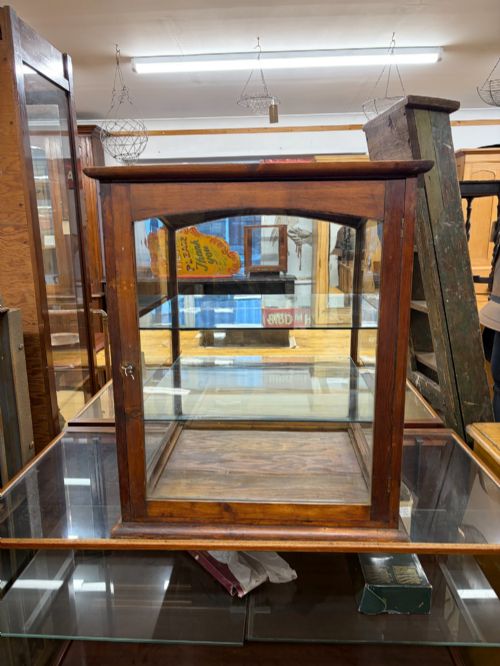
A small shop display encompasses countertop cabinets, desktop cases, and haberdashery units designed for retail use during the Victorian, Edwardian, and 1920s or 1930s periods. These pieces range from apothecary and watchmaker cabinets to bow fronted display cases intended to sit upon counters.
Buyers are most likely to encounter oak and mahogany countertop cabinets featuring glass panels and practical drawers. These commercial survivors bridge the gap between heavy furniture and tabletop storage.
The styles shift from Victorian and Edwardian formality to clean 1920s commercial lines and Art Deco interwar designs. Each version reflects the specific trading needs of early twentieth century shopkeepers.
Materials and construction
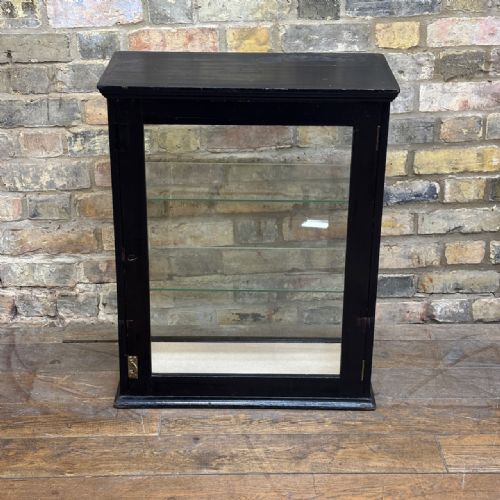
Makers built these pieces primarily using oak and mahogany timbers, often pairing solid wood frames with glazed doors and mirrored backs. Ebonised finishes and brass hardware appear frequently across the listings to accent the timber structures.
Internal elements incorporate materials like felt lining to protect delicate merchandise. Glass forms the primary viewing barrier, fitted carefully into wooden frames designed for daily commercial handling.
Small Shop Display Retail Price Guide 2026
Typical asking prices for small shop display among the pieces listed under this phrase on Sellingantiques today, from the lower quarter to the upper quarter. They describe what is for sale here now, not the wider market.
Materials across current pieces combine glass and timber with occasional brass hardware, mirror backs, and felt linings.
Assessing quality
The distinction between standard commercial units and superior examples lies in the refinement of the timber and the complexity of the cabinetry. Finer pieces display bow fronted glass, select mahogany grains, or specialist watchmaker layouts rather than plain rectangular oak.
Hardware integration and original mirrored or felted interiors separate basic utility boxes from pieces made for high end emporiums. The presence of functional drawers and well fitted brass fixtures indicates a higher grade of manufacture.
The Small Shop Display Glossary
- Haberdashery cabinet
- A multi drawer unit originally used for storing sewing supplies and small dry goods. These pieces utilise banks of shallow drawers, often with glass fronts.
- Countertop cabinet
- A display case designed to sit upon a shop counter to showcase goods to customers at eye level. They feature glazed panels for all round visibility.
- Ebonised
- Wood finished with a dark stain or polish to imitate ebony. This treatment provides a stark, formal appearance common in early twentieth century cases.
- Bow fronted
- A curved cabinet front that projects outward in a convex arc. This shape offers wider viewing angles for the contents inside.
Small Shop Display: Frequently Asked Questions
What fits inside a countertop display cabinet?
These cabinets suit small collections, pocket watches, vintage sewing items, or curiosities that benefit from dust free visibility.
The shallow depth of desktop cases keeps objects close to the glass for easy viewing.
How do I date an oak shop cabinet?
Dating relies on stylistic markers such as Victorian proportions, Edwardian mouldings, or the geometric lines of 1930s interwar commercial design.
Materials like ebonised wood or mahogany often point to specific decades alongside construction techniques.
Where should I place a desktop display case?
A desktop case rests securely on sturdy tables, sideboards, or commercial counters where natural light highlights the glass panels.
Positioning the cabinet away from direct heat sources protects the antique wood and interior felt lining.
What is an apothecary cabinet used for?
Apothecary units originally held medicinal ingredients, powders, or small bottles behind glass doors and within fitted drawers.
Today these compartments house small keepsakes while retaining their utilitarian mercantile character.