

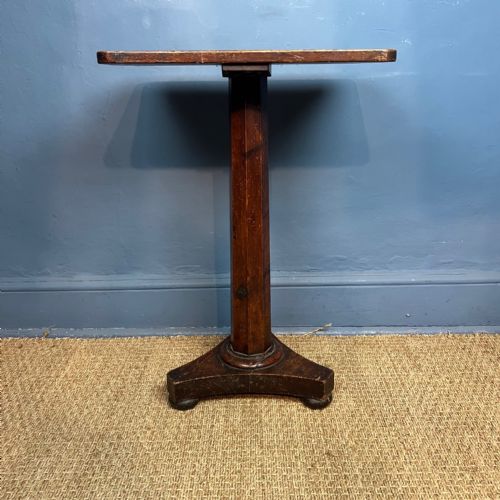
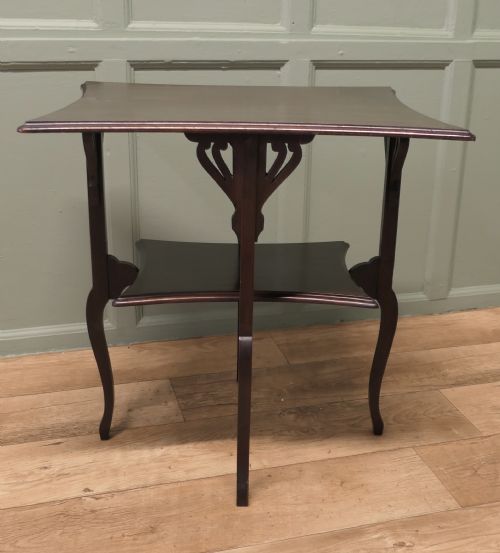
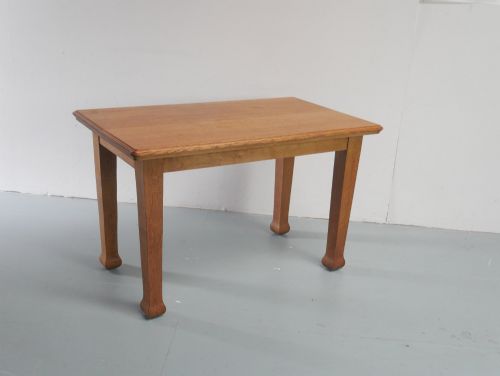
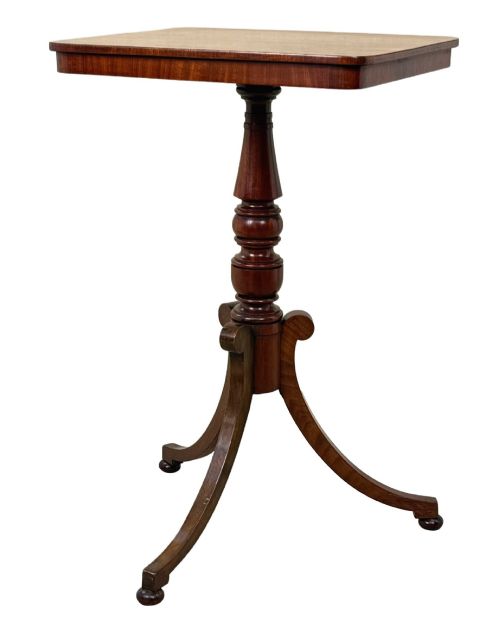
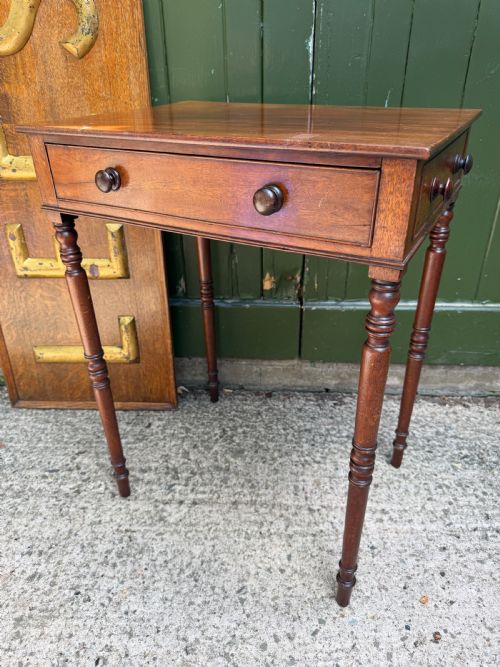
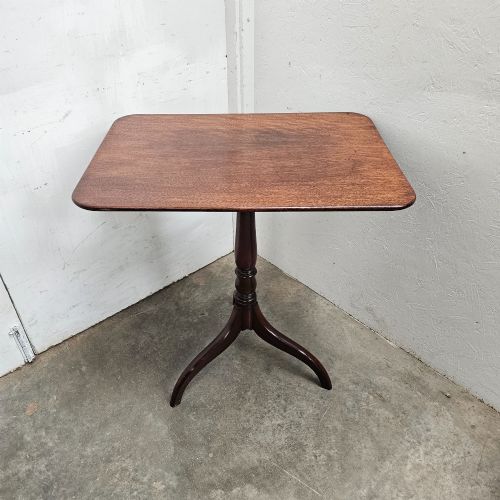


Small Rectangular Table
A small rectangular table is a compact surface built for versatility, moving easily beside seating or into alcoves while offering genuine period character.
Small Rectangular Table
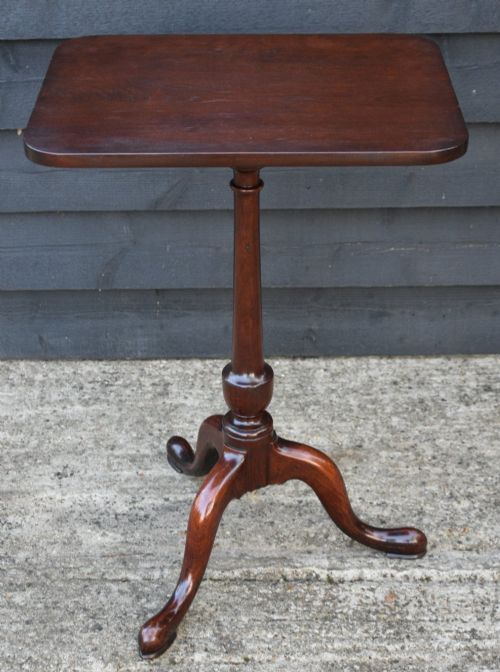
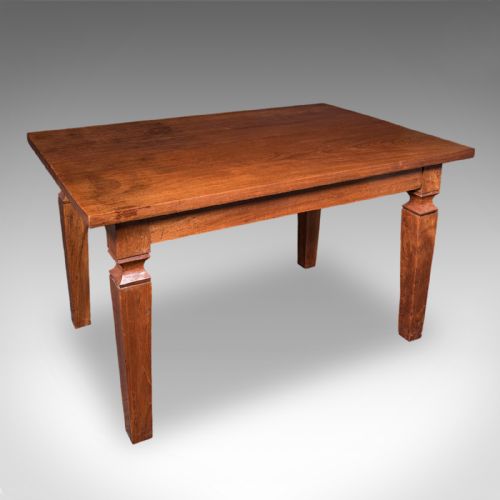
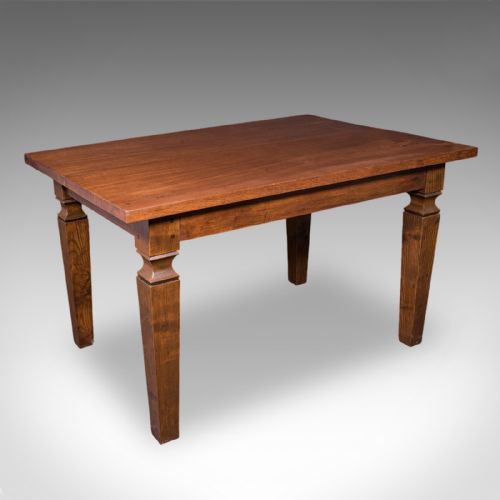
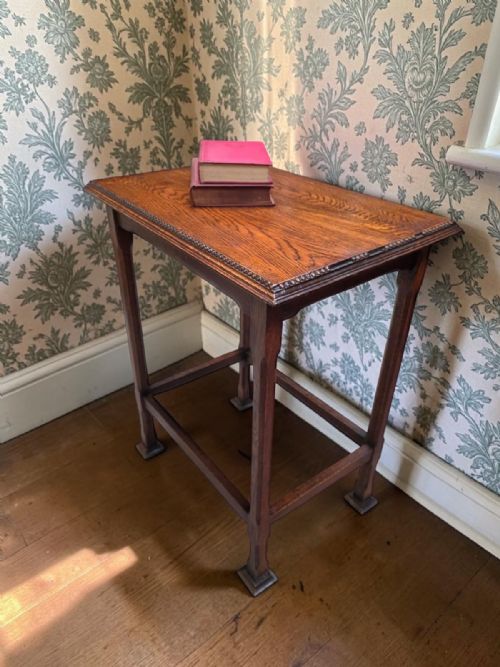
A small rectangular table serves varied domestic duties across sitting rooms, studies, and dining spaces, appearing most frequently in occasional and side table forms. These pieces span centuries of British and continental design, with Edwardian and Victorian examples forming a large share of what appears here.
Makers shaped these tables for specific household tasks, producing everything from wine tables and lamp stands to compact kitchen diner tables and coffee tables. The proportions remain modest, designed to fit restricted spaces without dominating a room.
Originating from periods including the Georgian, Regency, and Art Deco eras, these tables reflect the prevailing aesthetic of their time through subtle decorative choices and timber selection. A buyer finds both simple utilitarian forms and more ornate pieces featuring painted decoration or display elements.
Materials and construction
Cabinetmakers relied heavily on hardwoods such as mahogany, walnut, and oak to build durable frames that endured decades of daily use. Burr walnut and various veneers appear on selected surfaces, adding visual depth and grain variation to smaller tabletops.
Inlaid wood and brass details introduce contrasting textures and metallic highlights to the timber structures, while painted decoration adorns specific later pieces. Construction methods balance stability with refined proportions, allowing tripod bases and four-legged frames to support daily loads securely.
Small Rectangular Table Retail Price Guide 2026
Typical asking prices for small rectangular table among the pieces listed under this phrase on Sellingantiques today, from the lower quarter to the upper quarter. They describe what is for sale here now, not the wider market.
Object forms on this site range from wine tables and lamp stands to four-seat kitchen diner tables and display cabinets.
Assessing quality and craftsmanship
Superior execution shows in the crispness of timber mouldings, the balanced integration of veneers, and the precise fit of joints that keep the frame steady over time. Better examples demonstrate careful selection of grain matching, particularly on burr walnut or mahogany surfaces where visual continuity matters.
The finesse of secondary details, such as inlaid wood or painted decoration, separates standard production from work by more accomplished workshops. Proportions remain harmonious on finer pieces, ensuring the table functions effectively as an occasional or side surface without feeling clumsy.
The Small Rectangular Table Glossary
- Occasional table
- A small, movable table designed for periodic use rather than a fixed dining or desk arrangement. These pieces shift easily around a room as needs demand.
- Tripod base
- A pedestal support resting on three feet, commonly found on wine tables and lamp tables. This configuration provides stable contact on uneven older flooring.
- Burr walnut
- Timber taken from a tree growth where the grain has swirled into intricate patterns. It yields highly decorative surfaces prized for luxury furniture.
Small Rectangular Table: Frequently Asked Questions
Where should I place a small rectangular table?
These compact tables fit comfortably beside sofas, armchairs, or beds, functioning as dependable surfaces for lamps, drinks, or books.
Their modest footprint also suits narrow hallways, landings, or unused corners where larger furniture would obstruct movement.
How do I care for antique timber surfaces?
Keep wooden tables away from direct heat sources and strong sunlight to prevent the timber and veneer from drying out or splitting.
Apply quality beeswax periodically and buff gently with a soft cloth to nourish the finish and maintain a natural lustre.
Can these tables hold heavy items?
Most occasional and side tables handle lamps, books, and decorative objects safely, but smaller tripod or wine designs have more delicate weight limits.
Assess the sturdiness of the leg joints and base configuration before placing substantial items on top.
How do I date a wooden table?
Examine the timber species, construction techniques, and decorative styles visible across the piece, comparing them against known period characteristics.
Details like turned legs, brass mounts, and specific veneer types often point to particular eras such as the Georgian, Victorian, or Edwardian periods.