





Small Proportions Desk
These small proportions desk options offer compact workspaces built in periods ranging from the Georgian era to the Victorian age.
Small Proportions Desk
A small proportions desk provides a compact working surface designed for smaller rooms without sacrificing the utility of larger furniture pieces. Buyers seeking a small proportions desk will encounter diverse forms such as kneehole desks, bureaux, Davenport desks, and secretaire cabinets originating from the eighteenth and nineteenth centuries.
The materials span traditional timbers like mahogany, walnut, burr walnut, oak, and cherry wood, alongside decorative additions like red tortoiseshell and gilt bronze. Items range from Georgian child's bureaux to Regency tambour or pedestal designs and French Second Empire pieces.
Makers and workshops of the past utilised specific regional timbers, ensuring that English pieces often feature mahogany or oak whilst continental examples incorporate cherry wood or exotic veneers. Each surviving item reflects the specific domestic requirements of its original period.
Materials and construction
Cabinetmakers constructed these compact desks using solid hardwoods like mahogany, walnut, and oak for structural integrity, often applying flame mahogany or burr walnut veneers to primary visible surfaces. Secondary timbers inside drawers typically include oak or pine, depending on the workshop origin.
Metal fittings such as brass handles, escutcheons, and gilt bronze mounts were cast and hand-chased to complement the timber grain. Surface decoration occasionally involved intricate Boulle work incorporating red tortoiseshell and brass inlay on specific centre tables and desks.
Small Proportions Desk Retail Price Guide 2026
Typical asking prices for small proportions desk among the pieces listed under this phrase on Sellingantiques today, from the lower quarter to the upper quarter. They describe what is for sale here now, not the wider market.
Even children required proper administration, as proven by surviving child-sized Georgian mahogany bureaux designed for young scholars.
Distinctions in quality
The calibre of a small proportions desk depends upon the selection of timber veneers, where symmetrical grain patterns and rich figures indicate superior cabinetmaking. Superior examples display precise dovetail joinery in the drawer construction and retain original hardware rather than modern replacements.
Proportion and execution separate standard items from exceptional ones, particularly in how internal writing compartments and secret drawers are integrated into compact frames. The integration of specialised decorative techniques, such as fine marquetry or gilt bronze mounts, elevates the standing of an individual piece.
Gillows·Druce & Co
The Small Proportions Desk Glossary
- Bureaux
- A desk featuring a sloping flap that opens to reveal a fitted interior of pigeonholes and small drawers. These pieces are often raised on bracket feet or short legs.
- Davenport
- A compact form of small desk featuring a sloped writing surface above a pedestal of drawers. The side often incorporates a pull-out pen tray.
- Kneehole desk
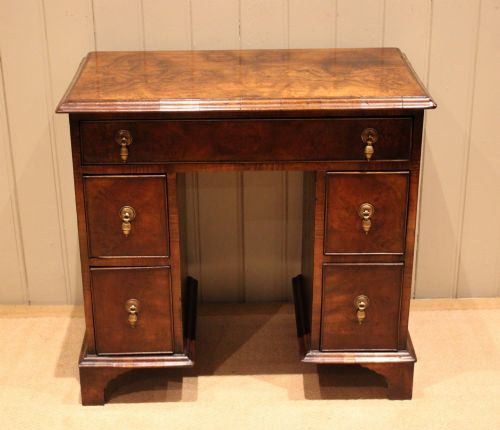
- A flat-topped desk featuring a central recessed space for the legs flanked by pedestals of small drawers. This form allows the user to sit directly facing the cabinet.
- Secretaire cabinet
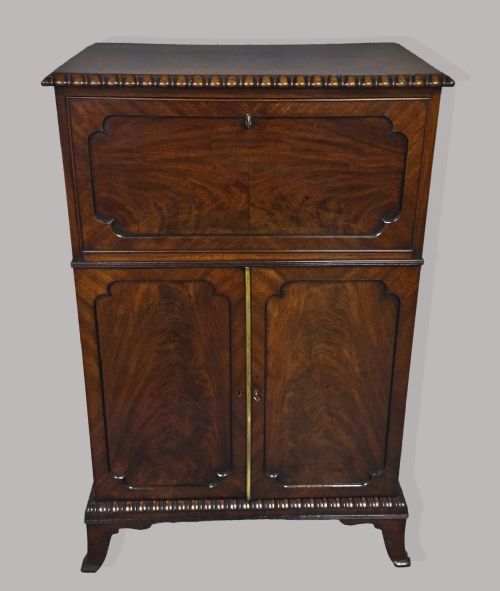
- A tall piece of furniture incorporating a dedicated writing drawer or fold-down writing surface concealed behind a panel or door. It combines storage with writing capability.
- Boulle
- A form of marquetry consisting of tortoiseshell and brass inlay developed in France. It appears on decorative tables and writing furniture from the nineteenth century.
Small Proportions Desk: Frequently Asked Questions
What defines a small proportions desk?
A small proportions desk is any writing furniture built on a reduced scale to fit restricted spaces, typically originating from the eighteenth and nineteenth centuries. These pieces maintain full functional utility while occupying a smaller footprint than standard library or partners desks.
They encompass various historical forms including kneehole desks, bureau cabinets, and Davenport desks constructed in timbers such as mahogany, walnut, and oak.
How do I identify Georgian examples?
Georgian pieces display characteristic timber choices like solid mahogany or figured walnut, combined with hand-cut dovetail joints inside the drawer boxes. The structural proportions follow neoclassical design rules with understated bracket feet and solid brass hardware.
Secondary woods inside these desks typically consist of oak or deal, showing tool marks consistent with eighteenth-century hand-tool production methods.
Where were these desks used?
These compact desks were placed in private bedchambers, withdrawing rooms, or smaller parlours where full-sized library tables proved impractical. They served domestic writing tasks, correspondence, and household management.
Their reduced scale allowed nobility and middle-class households alike to maintain dedicated writing spaces within personal living quarters.
How do I care for antique timber?
Antique timber desks require stable environmental conditions away from direct heat sources and strong sunlight to prevent veneer cracking and wood shrinkage. Periodic application of traditional wax helps nourish the surface polish and maintain the natural lustre of mahogany and walnut.
Avoid using modern liquid polishes containing silicone, which can penetrate porous historic finishes and damage the underlying wood grain.