



Small Persian Textile
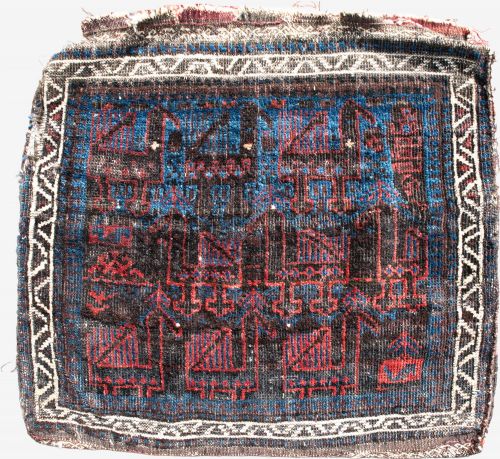
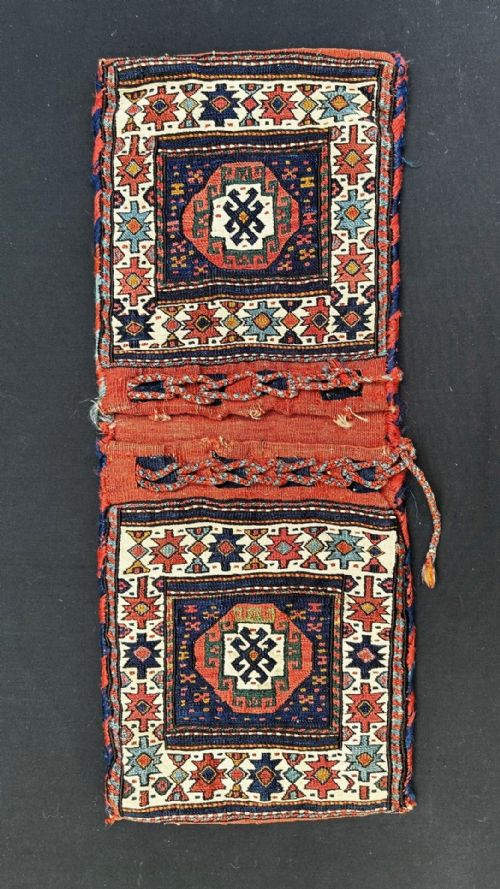
These small persian textile pieces are authentic tribal bagfaces, saddlebags, and utilitarian weavings that bring genuine nomadic character into an interior.
Small Persian Textile
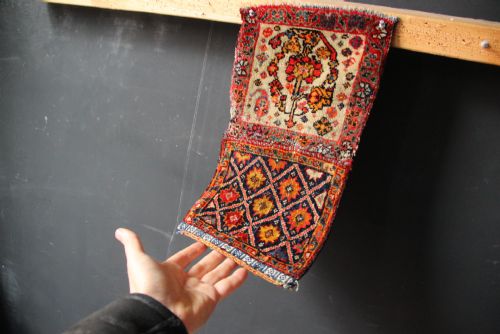
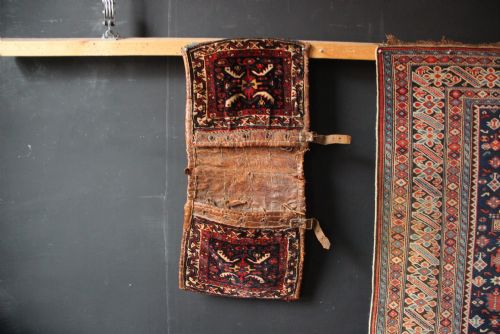
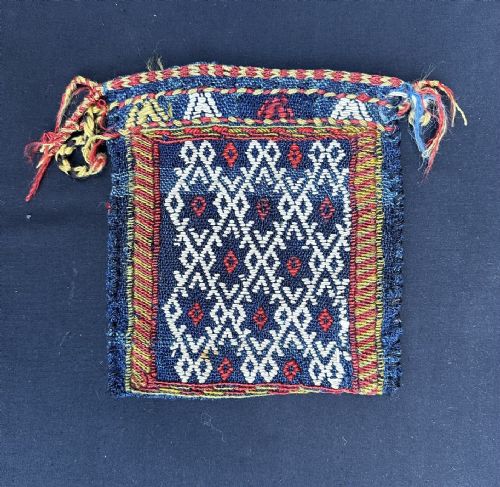
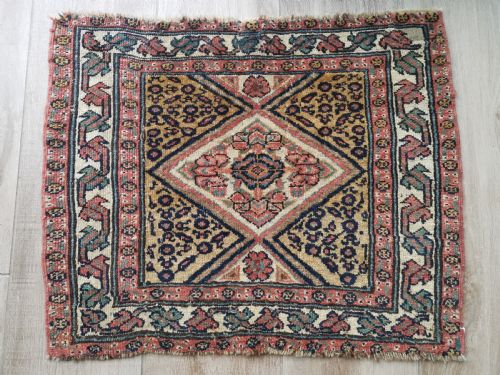
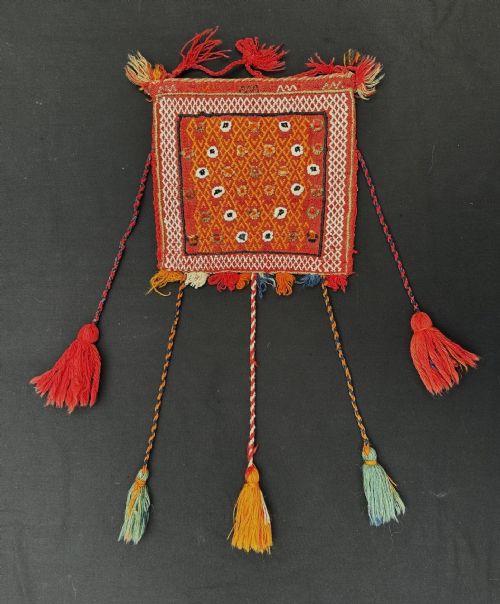
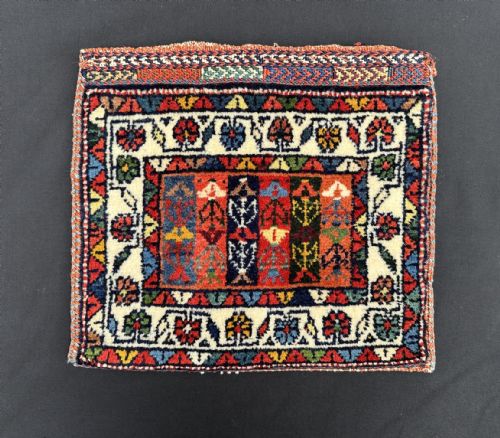
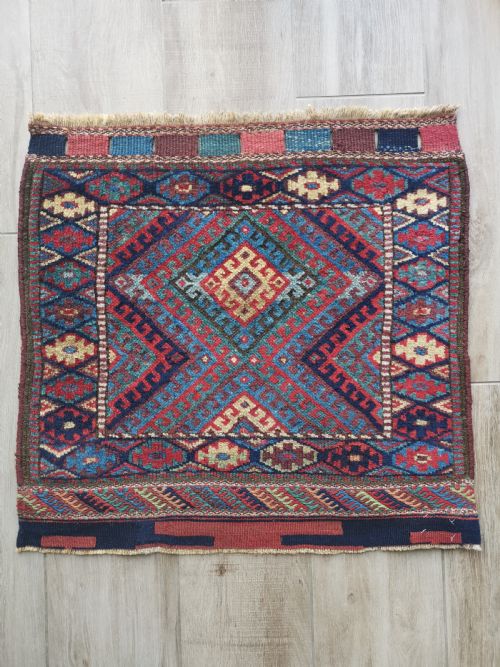
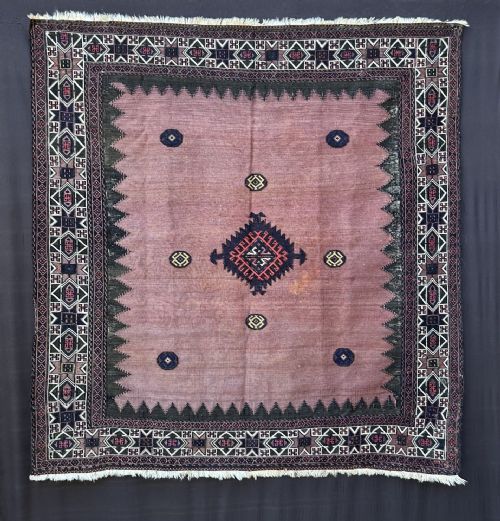
A small persian textile is typically a utilitarian tribal weaving such as a bagface, chanteh, or vanity bag created by nomadic confederacies and village weavers across Persia. When you examine the selection here, you encounter portable objects made for daily tribal life, including saddlebag faces, bread sofrehs, and small rugs dating from the nineteenth and early twentieth centuries.
The most common formats on this page are bagfaces and small portable compartments attributed to specific tribal groups like the Afshar, Baluch, Jaf, Kurdish, and Qashqai peoples. These pieces reflect regional weaving traditions originating from areas such as Kerman, Fars, Azerbaijan, and Luristan, showcasing the distinct aesthetic choices of specific nomadic and village communities.
Collectors seek out these compact formats for their dense iconography, rich wool quality, and the direct connection they provide to historical tribal weaving practices. Each small weaving functions as a complete composition in miniature, condensing the larger carpet designs of a tribe into a manageable format designed for domestic display.
How they were made
Weavers constructed these pieces using hand-spun wool and cotton foundations, often employing natural dyes derived from local plants and minerals to achieve deep, lasting colour. The pile surfaces are hand-knotted with careful attention to structural integrity, while certain items incorporate flatweave techniques or specialised embroidery like silk on felt.
The materials reflect the pastoral lifestyle of the makers, utilising locally sheared wool that possesses a natural lustre and resilience. Foundation threads of cotton or wool provide a stable grid for the intricate geometric, tribal, and floral motifs executed by the weaver.
Small Persian Textile Retail Price Guide 2026
Typical asking prices for small persian textile among the pieces listed under this phrase on Sellingantiques today, from the lower quarter to the upper quarter. They describe what is for sale here now, not the wider market.
Specific tribal attributions represented here include Afshar, Baluch, Bakhtiari, Jaf, Kurdish, Qashqai, Luri, and Shahsevan traditions.
What varies in quality
Quality in a small persian textile rests primarily on the handling of materials and the crispness of the tribal design execution. Superior pieces exhibit lustrous, luminous wool that retains its natural oils, combined with a saturated palette of natural dyes that have aged with harmonious grace.
Knot density and the precision of the geometric or figural drawing also separate standard examples from finer works. The structural tightness of the weave and the originality of the tribal iconography determine the overall artistic merit of each bagface or small textile.
The Small Persian Textile Glossary
- Chanteh
- A small tribal carrying bag or vanity pouch produced by nomadic groups for personal use. These miniature textiles frequently display the highest concentration of a tribe's design repertoire.
- Bagface
- The front panel of a larger saddlebag, preserved and displayed independently after the utilitarian back section wore away. This format represents a significant portion of surviving tribal weavings.
- Sofreh
- A flatwoven spread or cloth used for kneading bread, serving meals, or processing grain. They feature distinctive minimalist or geometric layouts rooted in practical domestic ritual.
- Natural Dyes
- Colourants extracted from plants, roots, and insects prior to the widespread adoption of synthetic alternatives. These dyes yield complex, shifting tones that develop a rich patina over time.
- Qashqai
- A confederacy of pastoral nomadic tribes based in the Fars province of south-west Persia. Their textiles are celebrated for saturated colours and intricate geometric animal and plant motifs.
Small Persian Textile: Frequently Asked Questions
What is a bagface?
A bagface is the decorative front panel of a larger nomadic saddlebag or storage sack. Once the utilitarian wool backing wore out, families often preserved the intricately patterned front.
These panels survived because the weaving on the front displayed the finest tribal iconography and knotting. Today, they are mounted and displayed as independent miniature textile works.
Who made these small textiles?
Nomadic confederacies, village weavers, and pastoral tribes across Persia produced these pieces for their own daily use. Groups such as the Afshar, Baluch, Kurdish, and Qashqai communities created them as functional items for migration and camp life.
Each tribal group maintained distinct palettes, structural methods, and symbolic motifs passed down through generations. This regional specialisation allows modern observers to trace pieces to specific provinces like Kerman or Fars.
How do I display a small textile?
Because of their compact size, these pieces suit wall mounting, framing, or placement on small tables and surfaces. Many collectors mount them on neutral linen backing to protect the edges and highlight the composition.
Keeping them away from direct, harsh sunlight preserves the natural dyes and wool fibres. Gentle rotation and occasional careful dusting ensure the textile remains stable in a modern interior.
How are tribal pieces dated?
Dating relies on an analysis of material wear, structural characteristics, dye types, and design vocabulary. Pieces attributed to the nineteenth century typically show hand-spun wool, specific natural dye palettes, and structural quirks consistent with pre-industrial production.
Stylistic shifts also help establish a timeline, moving from archaic tribal layouts toward more formalized village interpretations by the early twentieth century. Experts compare knotting styles and wool preparation against known examples in historical collections.