



Small Pendulum Clock
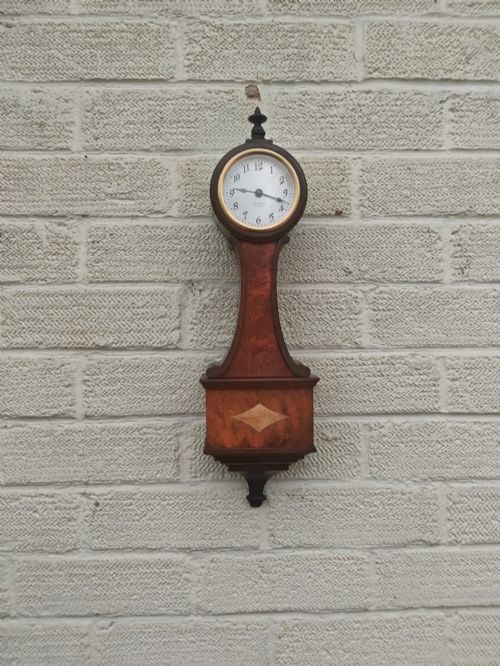
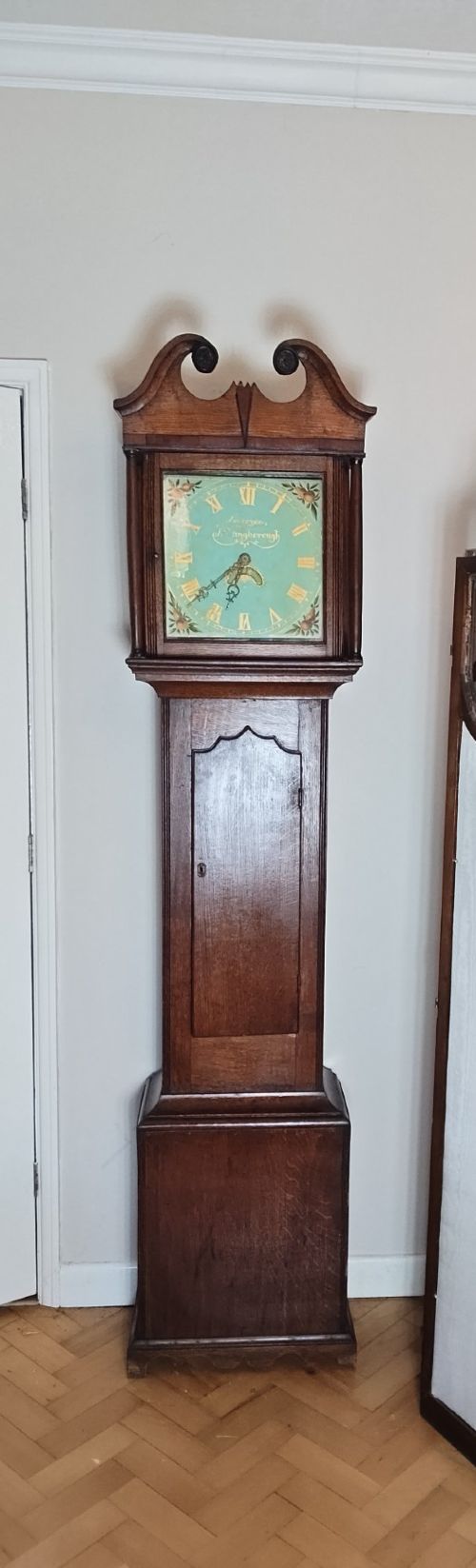
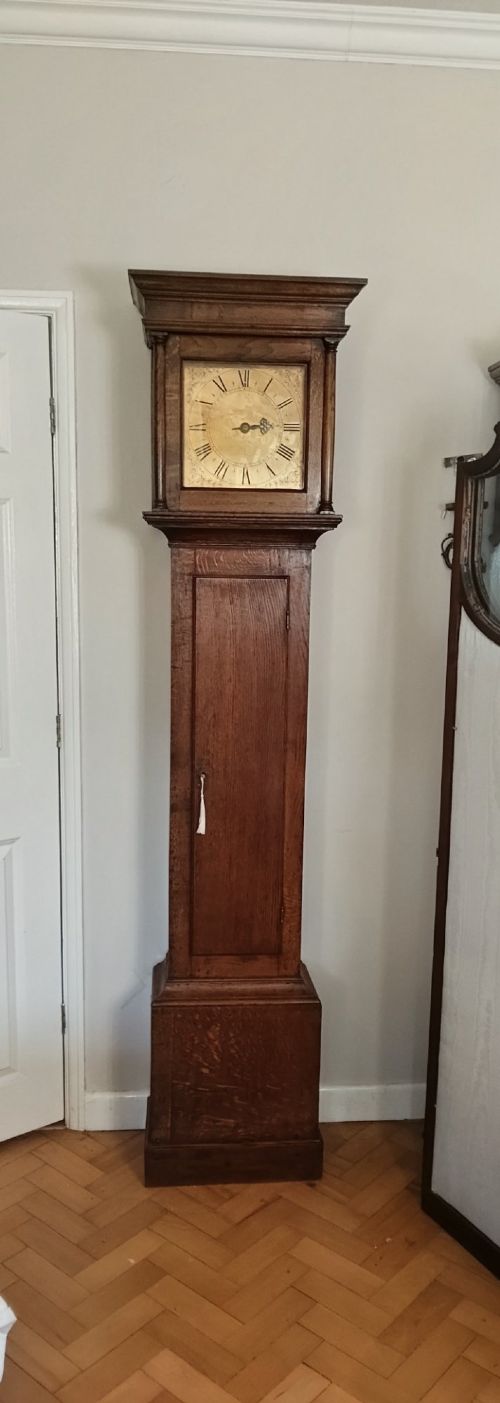
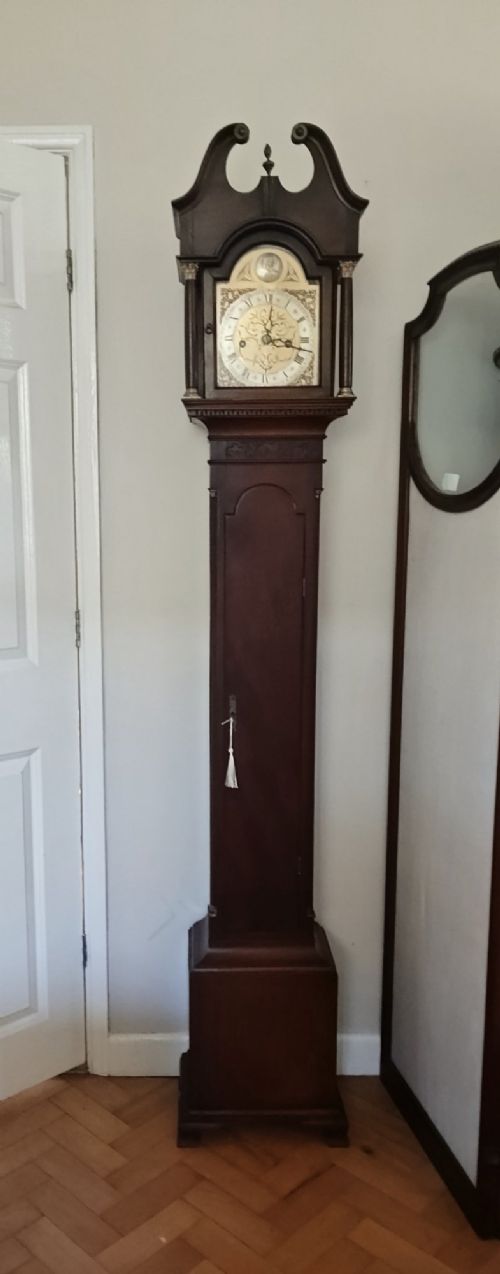
These small pendulum clock examples range from diminutive wall dials to compact floor standing cases, offering timekeeping precision within restricted spaces.
Small Pendulum Clock
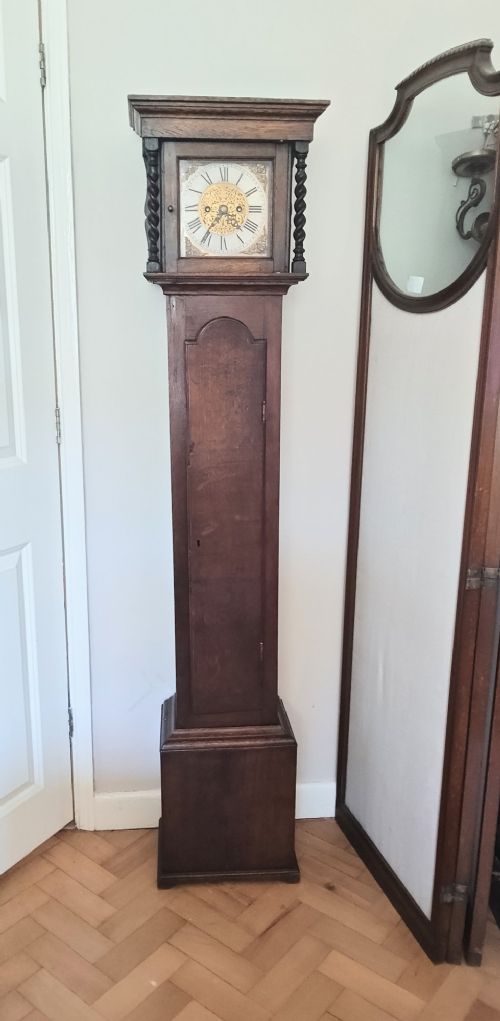
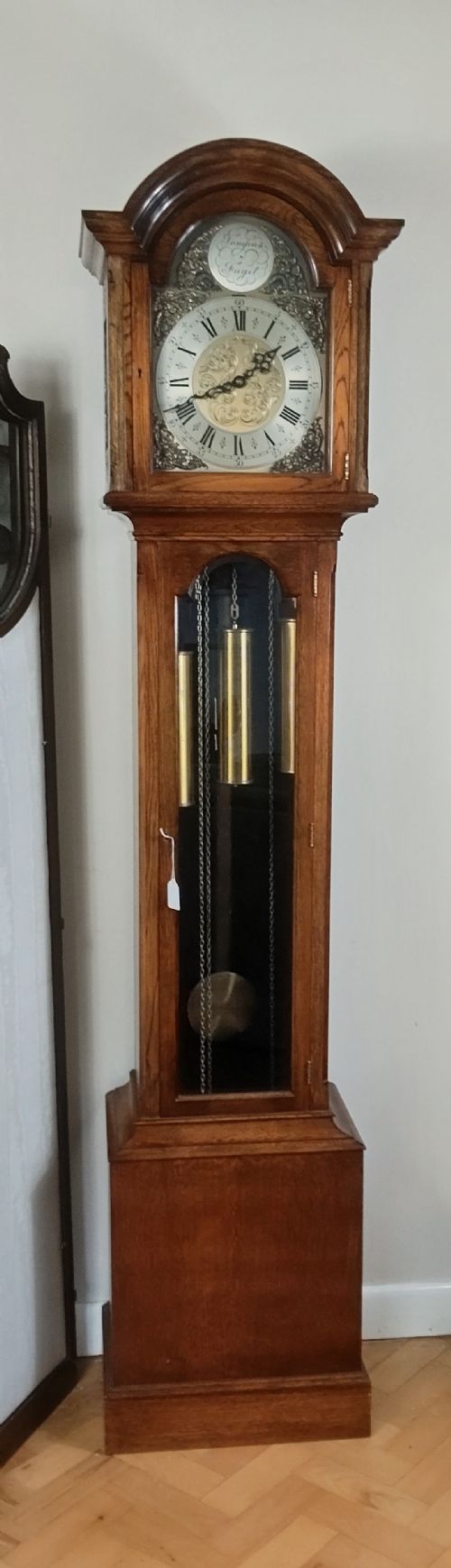
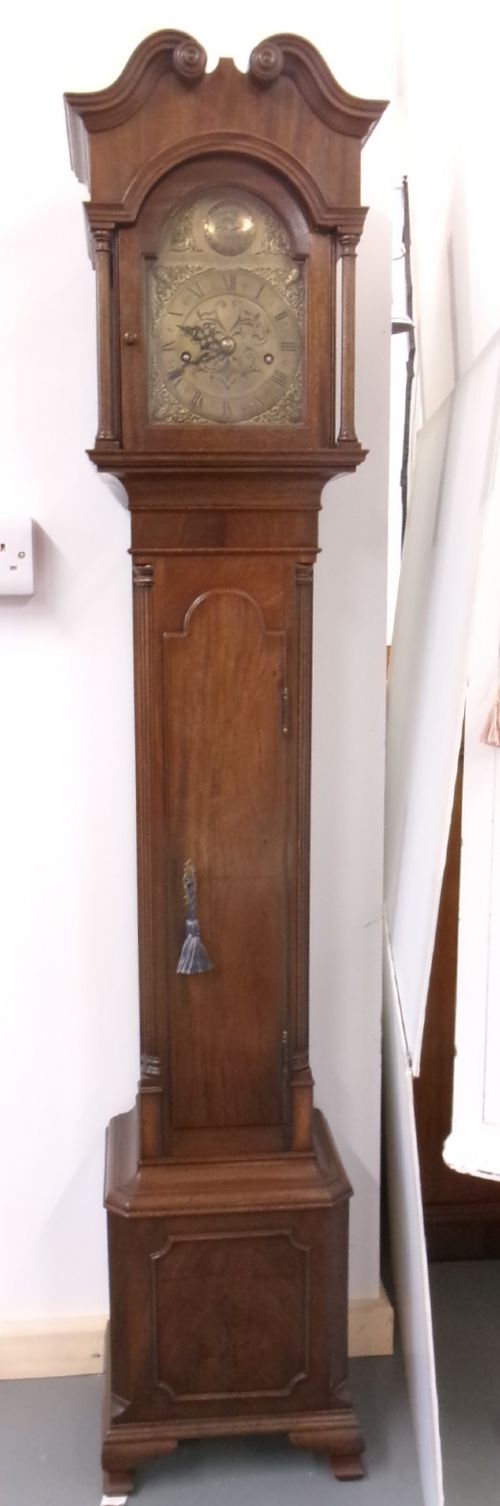
A small pendulum clock encompasses diverse configurations, principally including wall dials, mantel timepieces, and reduced-scale longcase floor clocks often termed grandmother or granddaughter clocks. These timepieces emerge across periods spanning the 17th century through the 20th century, drawing upon Georgian, Victorian, Edwardian, and Regency stylistic traditions.
Floor-standing variants in this selection appear most frequently in oak or mahogany, frequently exhibiting slim proportions designed to fit domestic interiors with lower ceilings or narrower hallways. Wall-mounted alternatives utilise timber cases, glass panels, and brass bezels, providing a compact footprint that suits smaller rooms.
The regional origins of these items extend across English provincial makers, London workshops, and continental European traditions, including French and Dutch examples. Buyers encountering this category will find a mix of tall floor clocks with small dials alongside drop-dial wall regulators and glass mantel pieces.
Quality and Proportion
The integrity of the dial and movement relative to the case dictates overall standing, alongside the crispness of timber mouldings and inlays. Mechanical sophistication, such as fusee movements or quarter-chiming capability, distinguishes higher-grade timepieces from standard domestic timekeepers.
Listings feature small pendulum clock examples spanning oak, mahogany, walnut, and brass across Georgian, Victorian, and Edwardian periods.
Seth Thomas Pomfret·Tiffany·Harrods·William Noke·John Welsh·Hampston Prince and Cattles·Frederick Rowe
The Small Pendulum Clock Glossary
- Grandmother clock
- A small floor-standing longcase clock, typically shorter and slimmer than a traditional grandfather clock. These pieces suit rooms with restricted vertical space while retaining weight-driven pendulum movements.
- Fusee
- A conical pulley mechanism used in clock movements to ensure even tension from the mainspring as it unwinds. This device improves timekeeping accuracy throughout the running period.
- Drop-dial wall clock
- A wall-mounted timepiece featuring an extended lower case box that houses the pendulum swing below the circular dial face. These clocks became popular in public buildings and domestic hallways during the 19th century.
- Four glass clock
- A mantel timepiece encased in glass panels on all four sides, allowing an unobstructed view of the mechanical movement and pendulum. French workshops produced notable examples of this style.
- Vienna regulator
- A precision pendulum wall clock developed in Austria, known for its clean glazed case design and accurate weight-driven movement. These timepieces prioritised strict timekeeping performance.
Small Pendulum Clock: Frequently Asked Questions
Where should I place a small longcase clock?
These compact floor clocks suit narrow hallways, landings, or rooms with limited wall space where standard grandfather clocks prove too imposing. Their reduced height and slim proportions allow them to integrate smoothly into domestic interiors without dominating the room.
Ensure the floor surface provides a stable, level foundation so the pendulum swings evenly and the weight-driven or spring-driven mechanism operates without interference.
How do I wind an 8 day pendulum clock?
Winding requires inserting the key into the winding holes on the dial face and turning it gently until resistance indicates the spring is full or the weight has reached the top. Take care not to overwind the mechanism, as this can strain the internal components.
For weight-driven models, pull the chain or cord steadily to raise the weights, supporting the weight slightly by hand if necessary to ease the tension on the movement.
What is the difference between a grandmother and grandfather clock?
Grandmother clocks feature significantly smaller overall dimensions, shorter case heights, and narrower dials compared to traditional grandfather clocks. They were produced to offer the mechanical charm of a longcase clock within a scaled-down format suitable for modern living spaces.
Despite their reduced size, many incorporate full mechanical movements, including striking trains or chiming capabilities similar to their larger counterparts.
How do wall dials differ from mantel clocks?
Wall dials mount directly onto vertical surfaces using wall hooks or brackets, featuring cases designed to hang securely while displaying the dial at eye level. Drop-dial variants extend downward to accommodate the swinging pendulum.
Mantel clocks sit independently on flat horizontal surfaces such as shelf boards, mantelpieces, or tables, relying on a stable base rather than wall fixings to remain upright.