






Small Painted Table
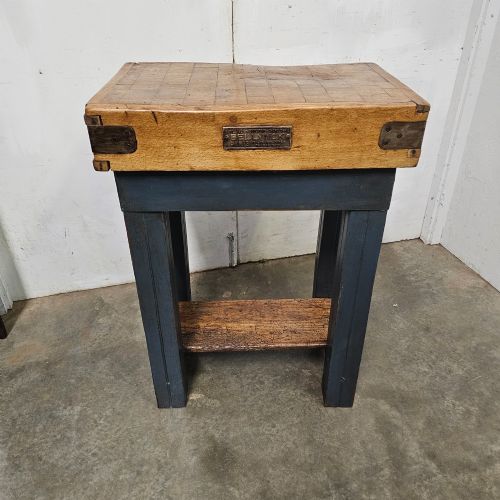
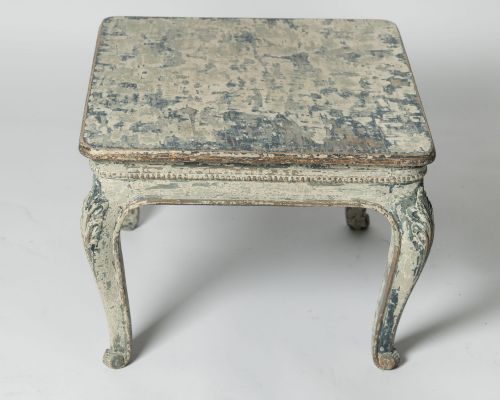
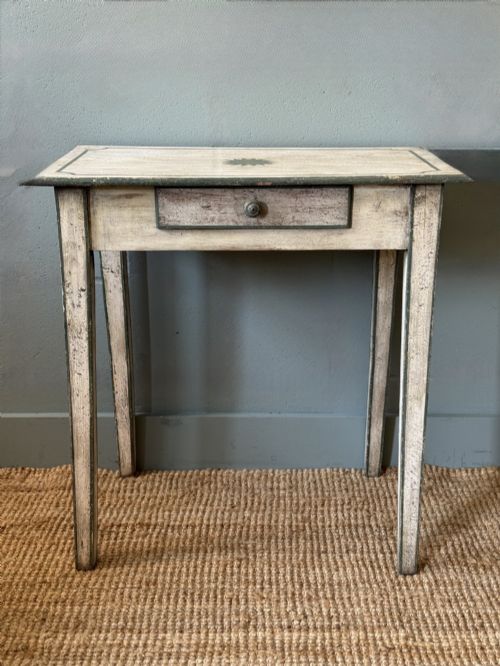
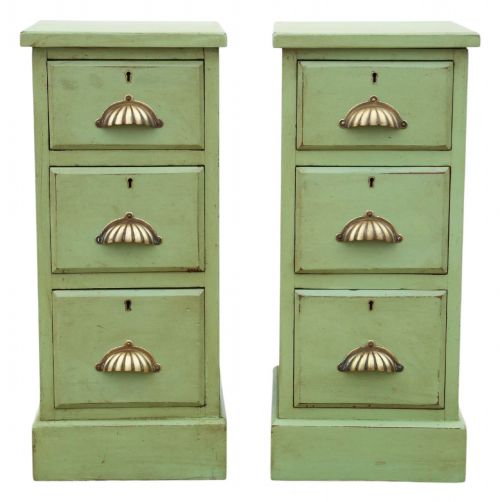
A small painted table brings colour and surface function to an interior, moving easily between bedside, hall and corner.
Small Painted Table
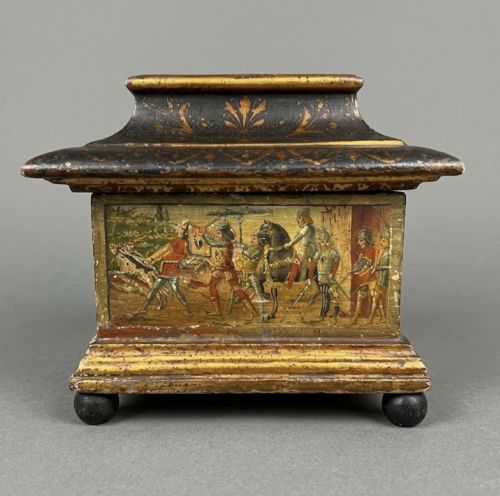
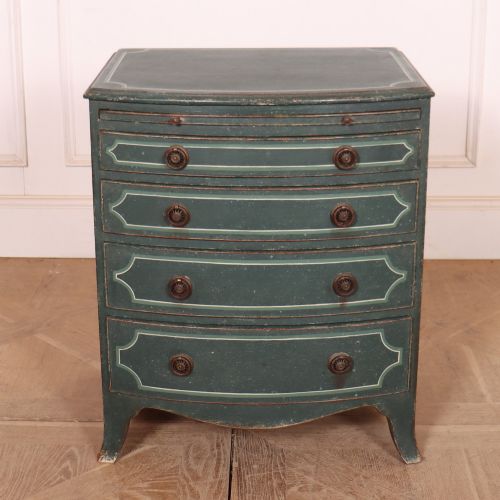
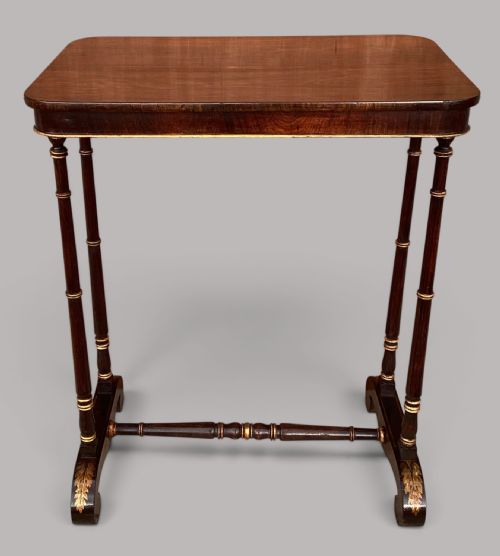
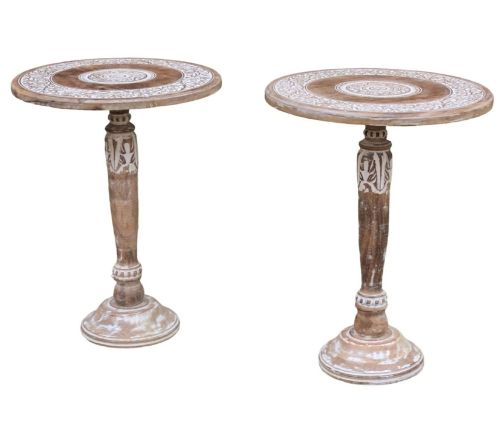
A small painted table functions as an accent piece, offering surface space without dominating a room. When searching for a small painted table, buyers encounter forms ranging from side and lamp tables to bedside chests, console tables and occasional stands.
The pieces on this page span the eighteenth, nineteenth and early twentieth centuries, drawing on styles such as George III, Victorian, Edwardian, Louis XVI, French Provincial, English Country and Chinoiserie. Pine, timber, fruitwood, mahogany and oak provide the underlying structure for these decorated surfaces.
Origin and period dictate the character of each piece, with English country workshops, French provincial makers and Scandinavian cabinetmakers all contributing distinct traditions. Lacquered wood, enamel and hand-applied pigments finish surfaces that range from simple cream and grey washes to elaborate oriental motifs.
How they were made
Makers constructed these tables from solid timbers such as pine, oak, mahogany and fruitwood, often selecting softer woods for pieces intended to receive a painted coat. Joinery techniques relied on traditional framing and panel construction to ensure stability across lamp stands, bedside cabinets and drop-leaf tables.
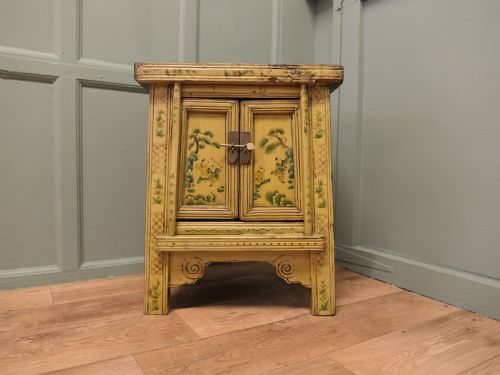
Surface decoration involved applying layers of paint, lacquer or enamel directly to the prepared timber base. Artisans then hand-painted details, gilt highlights or Chinoiserie scenes over the primary coat, sealing the work to protect the pigments.
Small Painted Table Retail Price Guide 2026
Typical asking prices for small painted table among the pieces listed under this phrase on Sellingantiques today, from the lower quarter to the upper quarter. They describe what is for sale here now, not the wider market.
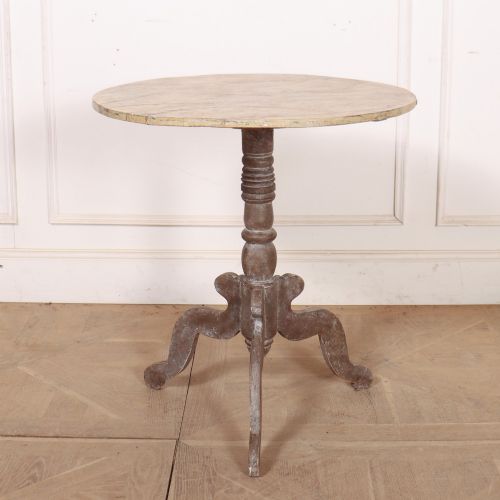
Mandarin orange pigment and faux marble tops prove that historical makers enjoyed surprising colour just as much as modern decorators do.
What varies in quality
Quality rests in the harmony between the joinery of the table base and the execution of the painted surface. A finely made piece displays precise cabinetwork beneath the pigment, with stable joints and well-proportioned turned or tapered legs.
The artistry of the painted decoration separates standard utilitarian pieces from exceptional examples. Skilled brushwork, depth in Chinoiserie motifs and the preservation of original pigments elevate the visual presence of an occasional or bedside table.
The Small Painted Table Glossary
- Chinoiserie
- European decorative style emulating Chinese artistic traditions. It appears frequently on eighteenth and early twentieth-century cabinets and lamp tables with hand-painted motifs.
- Demi lune
- Half-moon shape in furniture design. Console tables and bedside chests often utilise this semicircular footprint to sit flat against a wall.
- Gueridon
- Small round French table supported by a central pillar or multiple legs. These frequently appear in nineteenth and early twentieth-century painted formats.
- Dropleaf
- Table design featuring hinged flaps on one or two sides that fold down to save space. This mechanism suits smaller lamp and side tables.
- Satinwood
- Hard, yellowish timber native to India and Sri Lanka, prized for fine cabinetwork. It provides a pale, smooth ground for painted decoration.
Small Painted Table: Frequently Asked Questions
Where should I put a small painted table?
These tables adapt easily to tight spaces where larger furniture will not fit. Use them beside a bed, next to an armchair for a reading lamp, or in a hallway as a surface for post and keys.
Their decorative finishes allow them to introduce a splash of colour into neutral rooms or complement existing painted woodwork. A console version works well against a narrow wall in a landing or dining room.
How do I care for painted wooden surfaces?
Protect the painted finish from direct sunlight, which can fade pigments and discolour varnishes over decades. Dust the surface regularly with a soft, dry cloth rather than using wet or chemical cleaning agents.
Use coasters beneath cups and glasses to prevent moisture rings from penetrating the protective top coat. Wax can be applied sparingly to maintained wooden edges, but check whether the painted areas are sealed before treating them.
How do I identify a Chinoiserie decorated table?
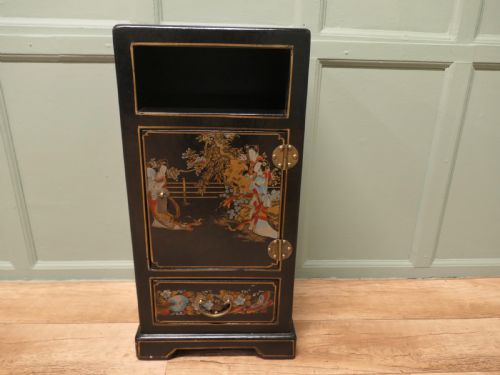
Chinoiserie tables display European interpretations of Asian landscapes, figures, pagodas and floral arrangements. These scenes are typically hand-painted in gold, red or multi-coloured pigments over a dark lacquer or brightly coloured base coat.
Pieces featuring this style often date from the eighteenth century or the revival periods around nineteen-thirty. The detailing relies on fine brushwork rather than printed transfers.