

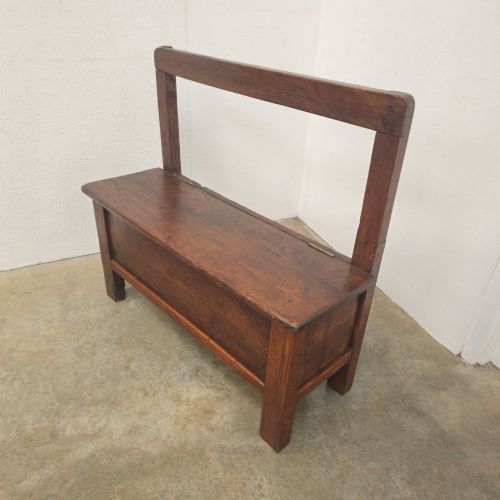
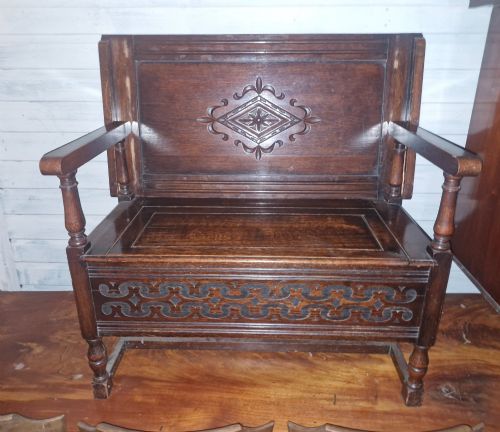
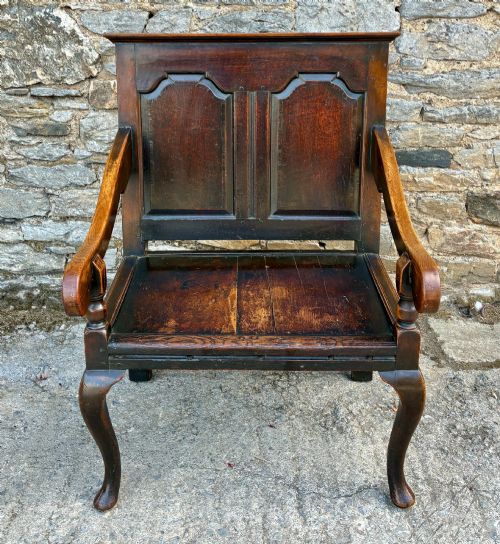
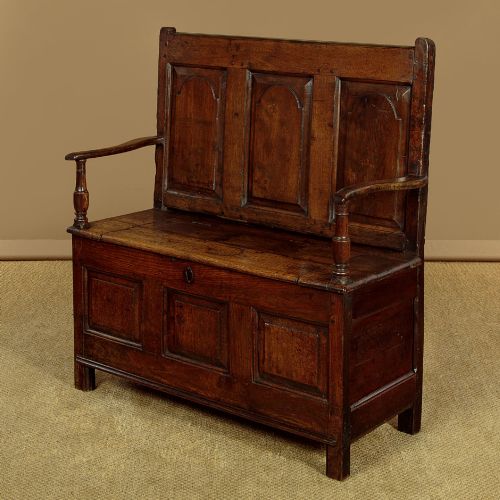


Small Oak Benches
Small oak benches offer compact seating and storage rooted in centuries of vernacular tradition, ideal for narrow hallways and intimate corners.
Small Oak Benches
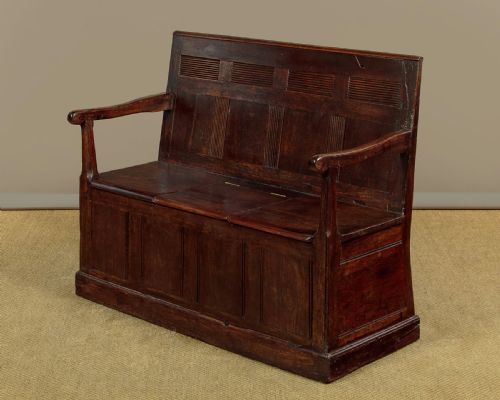
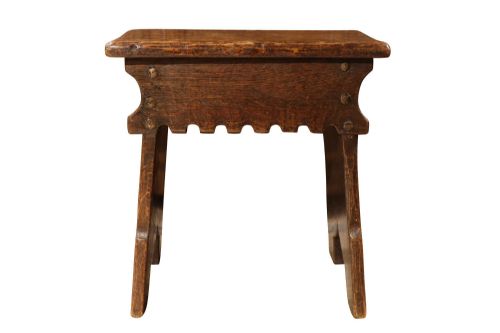
The inventory on this page spans several distinct periods, reaching from the seventeenth century through to the art deco era, with a strong representation of nineteenth-century and Edwardian pieces. Functional forms range from simple boarded stools to box settles featuring lift-up lids and fold-over tops.
Makers historically produced these seating items for practical domestic use in hallways, bedrooms, and parlours where space remained at a premium. Consequently, surviving examples often display utilitarian proportions adapted to tight architectural spaces.
Materials and construction methods
Makers relied primarily on solid oak and English oak, occasionally incorporating secondary hardwoods, iron reinforcements, and cane work for specific seating surfaces. Construction frequently utilised traditional pegged joints, ensuring durable frameworks capable of enduring heavy daily use.
Carpenters shaped raw timber using hand tools to create sturdy boarded stools of trestle form, five-plank configurations, and panelled settle backs. Surface detailing often involved precise floral carving, linenfold panels, or simple chamfered edges rather than elaborate applied ornamentation.
Small Oak Benches Retail Price Guide 2026
Typical asking prices for small oak benches among the pieces listed under this phrase on Sellingantiques today, from the lower quarter to the upper quarter. They describe what is for sale here now, not the wider market.
The listings span periods from the seventeenth century through to art deco, utilising solid oak, English oak, hardwood, iron, and cane.
Assessing quality and craftsmanship
Quality in small oak benches is determined by the integrity of the timber selection and the precision of the joinery, such as tightly fitted pegged tenons. Superior examples retain their original structural timber without extensive replacement boards or inappropriate modern fasteners.
The depth and crispness of hand-carved details, such as floral motifs on settle backs, separate utilitarian workshop output from more ambitious decorative commissions. Proportions also dictate desirability, with authentic pieces maintaining balanced dimensions that reflect their intended historical function.
The Small Oak Benches Glossary
- Settle
- A wooden bench with a high back, solid arms, and often a box seat for storage. These items traditionally stood near hearths to block draughts in older homes.
- Pegged construction
- A method of joining wooden components using tight wooden dowels instead of metal nails. This technique accommodates natural wood movement over centuries.
- Apprentice piece
- A miniature item created by a trainee artisan to demonstrate mastery of specific woodworking skills to a guild. These objects display the same intricate details found in full-scale furniture.
- Monks bench
- A convertible piece of furniture featuring a hinged top that folds down to transform a high-backed seat into a table. This dual-purpose design conserved valuable floor space in compact dwellings.
- Boarded construction
- A simple method of building furniture using wide planks joined directly at right angles. Carpenters frequently employed this technique on early stools and benches.
Small Oak Benches: Frequently Asked Questions
Where should I put a small oak bench?
These compact seats fit naturally into narrow hallways, porches, and entryways where they provide a convenient spot for removing shoes. They also function effectively at the foot of a bed or beneath a window in a living area.
Because they frequently incorporate built-in storage beneath the seat or lift-up top, they help conceal clutter while occupying minimal floor space.
How do I care for antique oak furniture?
Maintain antique oak by keeping it away from direct heat sources and sudden humidity fluctuations, which can cause timber to split or warp. Apply a quality natural beeswax periodically to nourish the wood and preserve its surface sheen.
Avoid using modern silicone-based polishes, as they build up over time and attract dust, dulling the natural grain of the oak.
How can I tell an older oak bench from a later revival piece?
Examine the construction methods, tool marks, and wear patterns on the underside and interior surfaces of the timber. Hand-cut peg marks, irregular board thicknesses, and oxidised patination usually indicate genuine age.
Revival pieces, such as those from the Jacobean or Gothic revival movements, often display uniform machine sawing and cleaner internal joints characteristic of later workshops.