

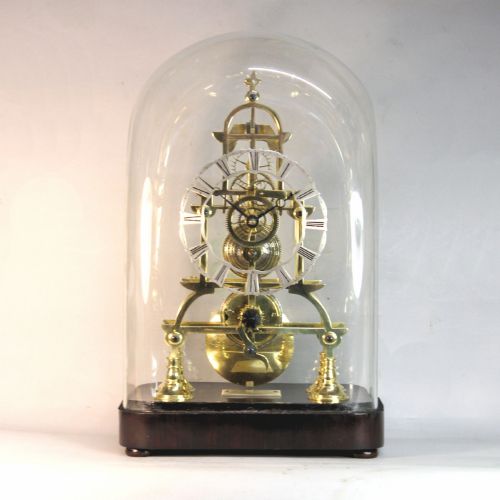


Small Mantel Timepiece
A small mantel timepiece sits neatly on a shelf or desk, offering precise timekeeping in a compact, decorative package.
Small Mantel Timepiece
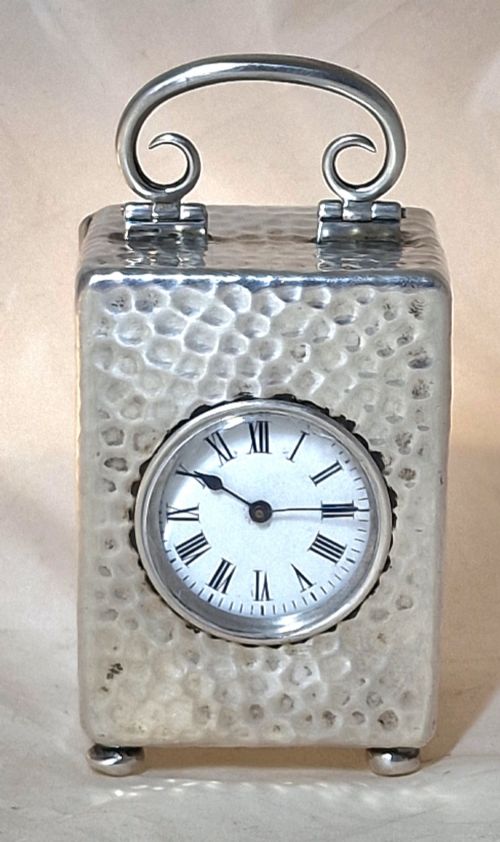
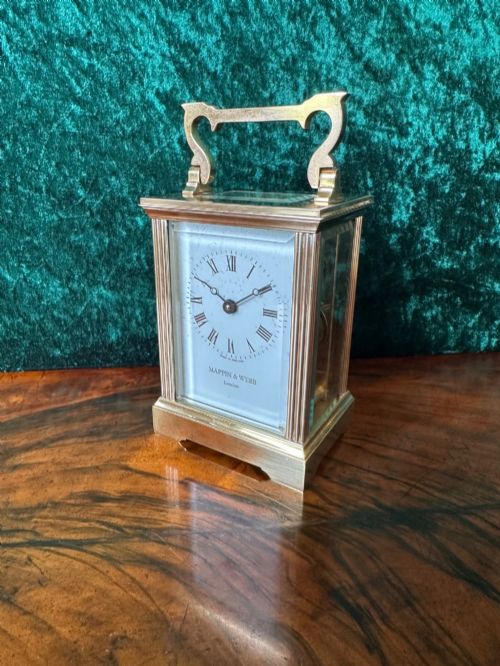
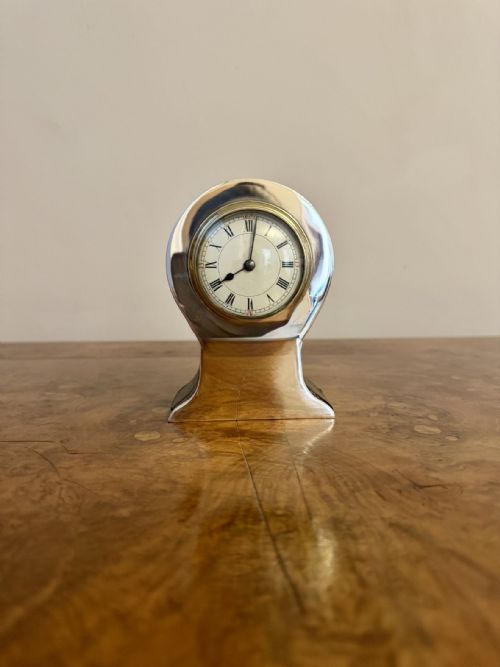
A small mantel timepiece is a compact clock designed to sit on a mantelpiece, desk, or table without taking up excessive space. These pieces range from miniature carriage clocks to four-glass mantel clocks, library clocks, and boudoir clocks.
The selections span various periods including the Victorian and Edwardian eras, alongside earlier 18th and mid-19th-century examples. French and English workshops dominate the origins, presenting styles from Rococo Revival and Louis Quinze to Art Deco.
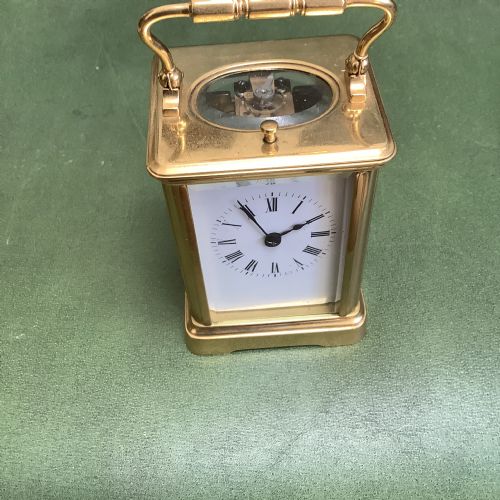
Buyers will most frequently encounter brass and gilt-brass carriage clocks housed in glass cases, alongside small silver, marble, and wooden timepieces. These items served both practical daily scheduling and ornamental domestic roles.
How they were made
Cases utilise metals such as brass, gilt bronze, ormolu, sterling silver, and chrome, paired with timber varieties like mahogany, oak, walnut, and rosewood. Enamel, marble, alabaster, and glass frequently form dials, panels, and protective housings.
Clockmakers employed precise mechanical movements, including fusee movements, eight-day mechanisms, and platform escapements. Metalwork often involved fine engraving, hand-painted dials, and cast bronze mounts.
Small Mantel Timepiece Retail Price Guide 2026
Typical asking prices for small mantel timepiece among the pieces listed under this phrase on Sellingantiques today, from the lower quarter to the upper quarter. They describe what is for sale here now, not the wider market.
Materials span brass, glass, enamel, ormolu, sterling silver, mahogany, gilt bronze, and white marble across Victorian, Edwardian, and Art Deco styles.
What varies in quality
Quality rests upon the crispness of metal casting and the depth of hand-engraving on gilt brass, ormolu, and silver cases. Substantial materials like solid marble, quality hardwoods, and heavy cast bronze elevate a piece above simpler metal housings.
Internal mechanism complexity and signatory detail also separate standard examples from finer work. Signed movements by notable makers, intricate enamel dial work, and fully engraved cases demonstrate superior craftsmanship.
Mappin and Web·Richard Winter of Chieveley·Tiffany·J Batson and Son·William Comyns·Richard Co·J C Vickery·McCabe London·Smiths A L Davenport
The Small Mantel Timepiece Glossary
- Timepiece
- A clock that tells the time without striking hours or quarters. These movements focus purely on tracking hours and minutes.
- Carriage clock
- A portable spring-driven clock originally designed for travelling. They typically feature a brass case with glass panels and a folding handle on top.
- Fusee
- A conical pulley used in mechanical clocks to maintain even power as the mainspring unwinds. This mechanism improves timekeeping accuracy.
- Ormolu
- Gilded bronze ornamentation popular in decorative metalwork. The technique involves applying a fine layer of gold amalgam to a bronze base.
- Four glass clock
- A mantel clock featuring glass panels on the front, back, and sides. This design exposes the movement to view from multiple angles.
Small Mantel Timepiece: Frequently Asked Questions
Where should I place a small mantel timepiece?
These compact clocks fit easily onto mantelpieces, side tables, desks, and bookshelves. Their smaller proportions allow them to occupy tight spaces while remaining clearly visible.
Keep them away from direct sunlight, damp areas, and extreme temperature fluctuations to protect delicate metal finishes and internal clockwork.
What is the difference between a timepiece and a clock?
In horological terms, a timepiece is specifically a clock that does not strike hours, half-hours, or quarters. It simply indicates the passing time.
Clocks with striking or chiming mechanisms require additional gear trains and hammers, whereas timepieces focus solely on motion and dial display.
How do I identify the period of a mantel clock?
Stylistic clues such as brass filigree, heavy cast ormolu, architectural marble cases, or geometric Art Deco chrome lines point toward specific decades. Maker signatures and hallmarks on silver cases also provide clear dating evidence.
Examining the construction of the movement and the style of the enamel dial helps narrow down the era of manufacture.