

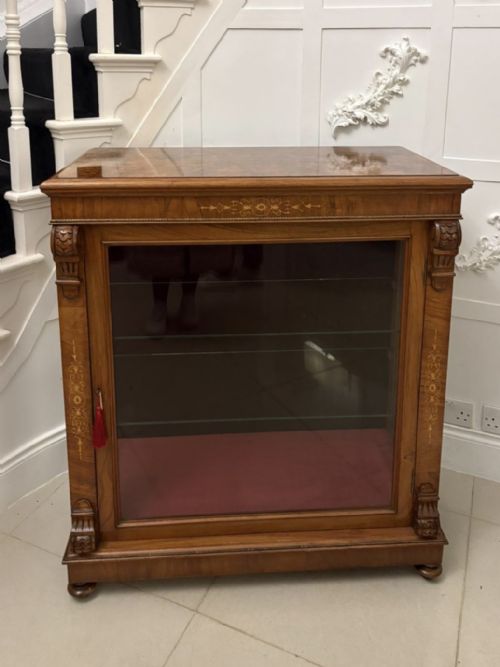


Small Glass Front Bookcase
A small glass front bookcase brings refined storage to compact spaces, protecting volumes behind clear panels.
Small Glass Front Bookcase
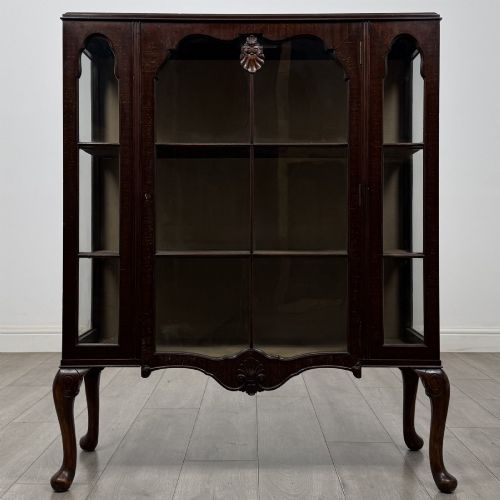
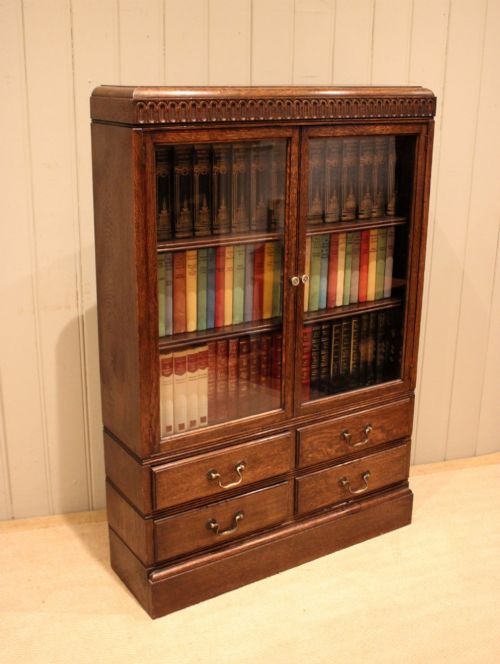
A small glass front bookcase functions as both a display cabinet and a practical bookcase, housing cherished volumes and delicate ornaments alike. These pieces appear frequently in Victorian, Edwardian, and early twentieth-century iterations, spanning walnut, mahogany, and oak timbers.
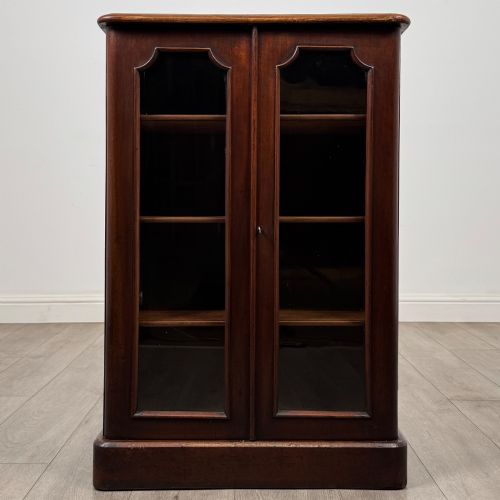
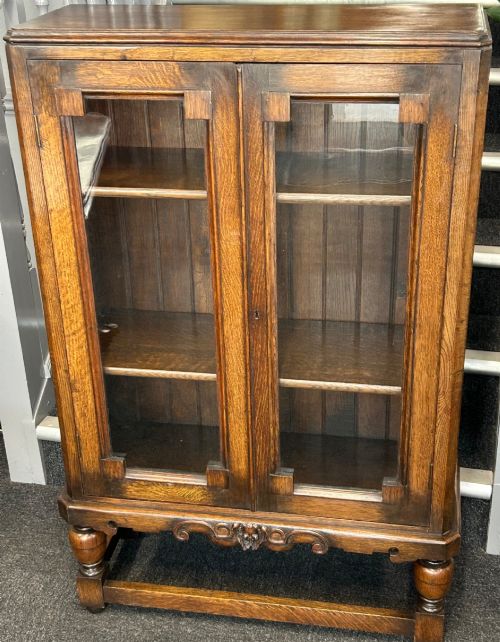
Buyers encounter various forms ranging from floor-standing pier cabinets to counter-top display units and narrow two-door glazed cupboards. French Provincial and Jacobean Revival styles also surface among the listings, offering distinct aesthetic variations.
The primary appeal lies in the transparent door panels, which allow contents to be viewed while shielded from dust. Proportions are generally modest, suiting studies, drawing rooms, and hallways where floor space is limited.
Materials and construction
Cabinet makers utilised dense hardwoods such as mahogany, walnut, and oak to construct the carcasses, often employing figured veneers to create visual depth on flat surfaces. Burr walnut varieties and boxwood inlay add intricate detail to the woodwork.
Glazing bars hold the glass securely within the door frames, while brass fixtures such as hinges, handles, and locks provide functional contrast. Interior shelving is frequently adjustable, paired occasionally with velvet or fabric linings in display-focused compartments.
Small Glass Front Bookcase Retail Price Guide 2026
Typical asking prices for small glass front bookcase among the pieces listed under this phrase on Sellingantiques today, from the lower quarter to the upper quarter. They describe what is for sale here now, not the wider market.
Several pieces come equipped with music compartment interiors, proving that nineteenth-century Victorians liked their literature served with a side of sheet music.
Assessing craftsmanship
Distinction across the range rests on the selection of timber veneers and the precision of decorative inlays, such as boxwood detailing on walnut surfaces. Superior examples display seamless grain matching and refined timber selection.
The delicacy of the glazing bars and the quality of brass hardware further separate standard utilitarian cupboards from finer display cabinets. Sound structural joinery ensures doors hang true and glass panels remain stable within their frames.
The Small Glass Front Bookcase Glossary
- Glazed
- Fitted with glass panes rather than solid timber panels. This allows visibility of the interior contents while offering protection from dust.
- Pier Cabinet
- A narrow cabinet designed to fit against the wall space between windows. These pieces often feature glass doors and velvet-lined interiors.
- Inlay
- A technique where contrasting materials like boxwood are embedded into the wood surface to create decorative patterns. It signals elevated craftsmanship in nineteenth-century pieces.
- Burr Walnut
- Timber taken from the wart or growth on a walnut tree, yielding highly figured grain patterns. Cabinet makers prized this material for high-status furniture fronts.
Small Glass Front Bookcase: Frequently Asked Questions
Where should I place a small glass front bookcase?
These compact cabinets suit smaller rooms, studies, or hallways where large shelving units overwhelm the floor plan. Their glass panels keep dust away from books while maintaining an open visual feel in the interior.
Position them away from direct sunlight to protect antique timber finishes and any interior fabric linings from fading over time.
How do I distinguish Victorian from Edwardian pieces?
Victorian examples often employ heavier timbers like figured mahogany and burr walnut, sometimes featuring rich inlaid details and darker finishes. Edwardian pieces generally present lighter walnut or oak constructions with simpler, airier proportions.
Examining the internal woodwork, hardware style, and secondary timbers helps clarify the manufacturing period when visual styling alone leaves room for doubt.
Can the shelves be adjusted?
Many surviving cabinets feature adjustable shelving systems, though older iterations may rely on fixed wooden supports. Reviewing the specific internal description confirms whether shelf heights can be modified for larger volumes.
Original interiors occasionally incorporate fabric or velvet surfaces on the shelves, which requires careful consideration if heavy book storage is planned.
How do I care for the glass and timber?
Dust the timber surfaces regularly with a soft, dry cloth and apply occasional specialist wax to nourish antique hardwood and veneer. Avoid modern silicone polishes that can build up and dull the finish.
Clean the glass panels with a gentle glass cleaner applied to a cloth rather than sprayed directly, preventing moisture from seeping into the surrounding wooden frames.