



Small Glass Box
A small glass box holds personal treasures where light can catch them, combining practical storage with miniature display.
Small Glass Box
A small glass box encompasses items designed to hold trinkets, jewellery, or specimens for tabletop viewing, emerging in various historical periods from Georgian dressing mirrors and trinket boxes to Victorian and Edwardian bijouterie tables and countertop display cabinets.
The versions most commonly met on this page include Victorian and Edwardian examples made with wood frames and glazed panels, alongside table-top display cases and small countertop shop cabinets.
These pieces serve to organise personal items while offering a clear view of the contents, functioning equally as desktop storage and miniature display furniture.
How they were made
Makers utilised timber frames such as mahogany, walnut, oak, and satinwood to construct the structural housings, often incorporating brass hinges, locks, and handles to secure the opening sections.
Glazing techniques allowed glass panes to be fitted into lids and doors, sometimes paired with internal fabric linings or enamel ornamentation to enhance the presentation of stored items.
Small Glass Box Retail Price Guide 2026
Typical asking prices for small glass box among the pieces listed under this phrase on Sellingantiques today, from the lower quarter to the upper quarter. They describe what is for sale here now, not the wider market.
Listings span the Georgian, Victorian, and Edwardian periods, utilising materials such as mahogany, walnut, oak, brass, and enamel.
What varies in quality
The refinement of the timber framework and the precision of the joinery separate standard production items from finer pieces, particularly where inlay or shaped woodwork like kidney-shaped tables are involved.
The quality also rests on the preservation of the original glass, the smooth operation of brass hardware, and the condition of any internal fabric or enamel details.
The Small Glass Box Glossary
- Bijouterie table
- A small display table with glazed panels designed specifically for showcasing ornaments and small valuables. These pieces often feature hinged glass lids.
- Vitrine
- A glass-fronted cabinet or display case used for exhibiting fine objects. The term frequently applies to table-top or freestanding glazed display furniture.
- Collector's cabinet
- A specialised storage unit with multiple small drawers or compartments intended for organising specimens. They often include locking mechanisms and glass or solid doors.
- Dressing mirror
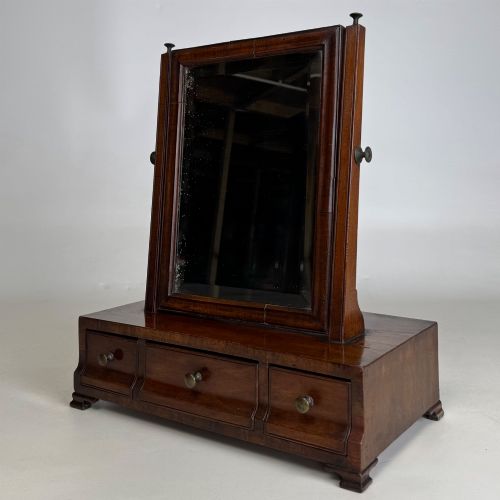
- A table-top mirror, sometimes fitted with small drawers or compartments beneath the glass. Georgian examples commonly incorporate small wooden boxes into their base design.
- Trinket box
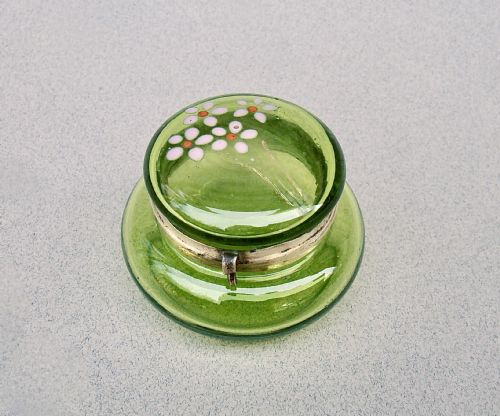
- A small lidded container meant for holding jewellery or small personal effects. These items occasionally feature enamel work or decorative mounts.
Small Glass Box: Frequently Asked Questions
What fits inside a small glass box?
These pieces suit the storage of small collectables, jewellery, trinkets, and miniature specimens that benefit from being kept visible yet dust-free. The internal depth and layout dictate whether they hold flat items like microscope slides or taller objects like small ornaments.
Larger variations such as bijouterie tables and countertop cabinets provide more expansive display space for diverse collections, while smaller trinket boxes remain suited for personal dressing tables.
How are Victorian and Edwardian pieces told apart?
Victorian examples often lean towards heavier timber framing, darker woods like mahogany and walnut, and more robust brass mounts. They frequently reflect mid-to-late nineteenth-century tastes for ornamentation and solid construction.
Edwardian pieces generally display lighter woods, such as inlaid satinwood or mahogany, and simpler, airier lines influenced by revival styles like Chippendale. The overall proportion and inlay techniques offer clear visual markers for dating.
Where should a display cabinet be placed?
Countertop cabinets and table-top display cases perform best on stable surfaces where natural light can pass through the glass to illuminate the contents. Placing them away from direct heat sources protects the timber frames and any internal fabric linings from fading or drying out.
Bijouterie tables function well as central accent pieces in a room, allowing viewing access from above while keeping delicate items protected beneath the glass lid.
How do you maintain the glass and wood?
Cleaning requires soft cloths for the glass panels and gentle dusting for the surrounding timber frames to avoid scratching polished surfaces. Avoiding harsh chemical cleaners preserves both the historic wood finishes and any delicate brass fittings.
Checking the hinges and locks periodically ensures the moving parts continue to operate smoothly without putting undue stress on the glass joints.