




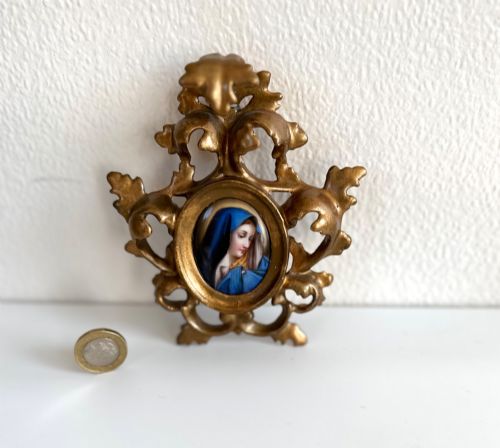
Small Gilt Frame
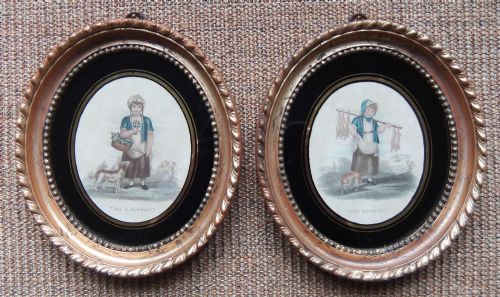
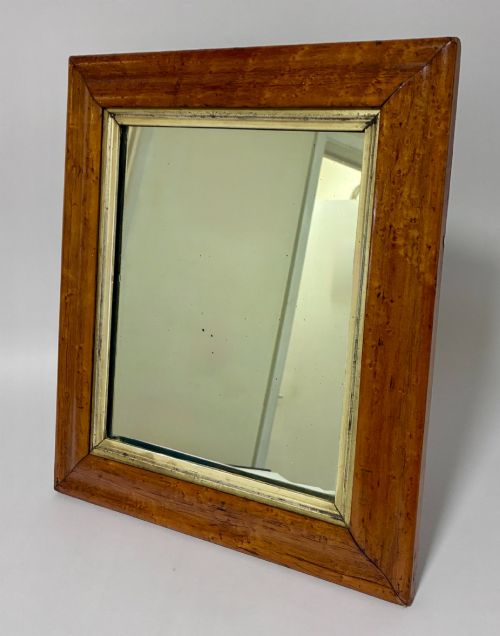
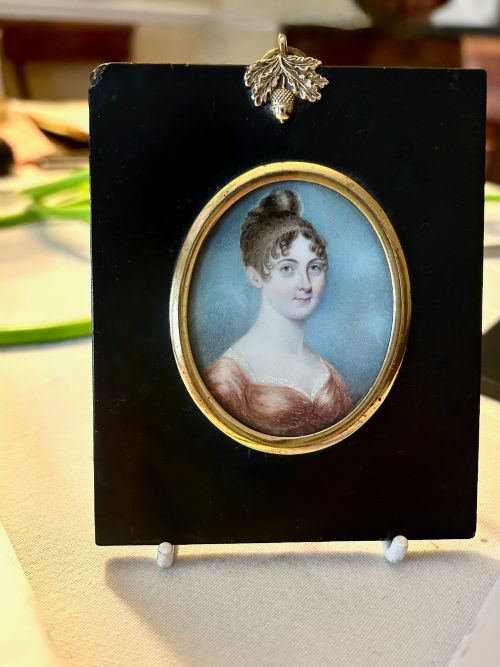
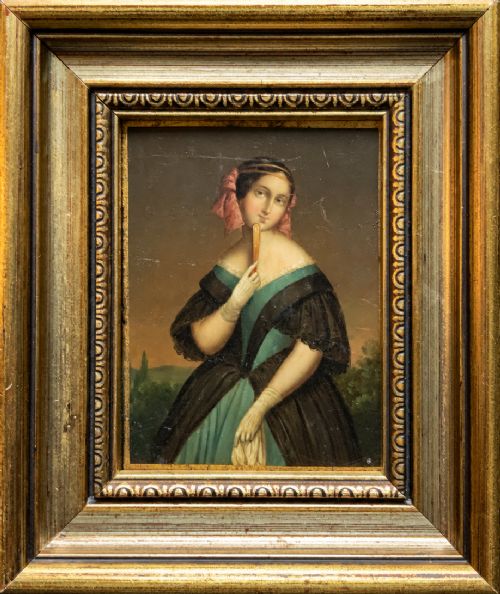
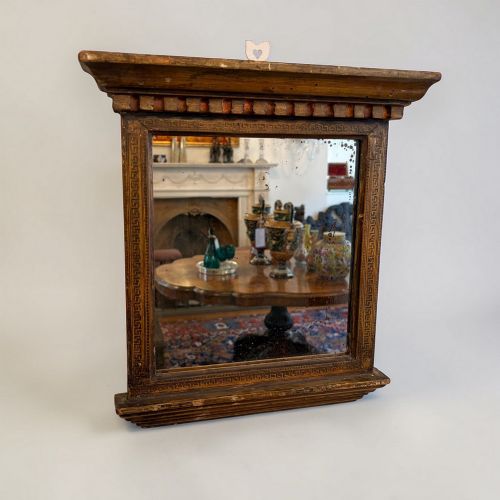
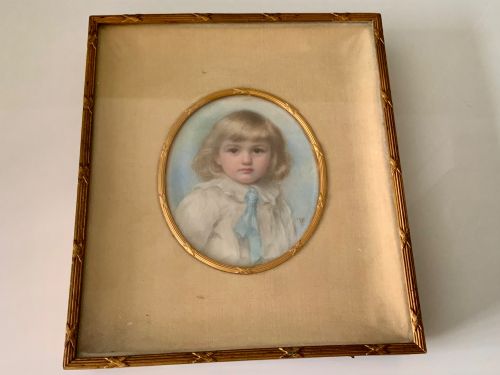
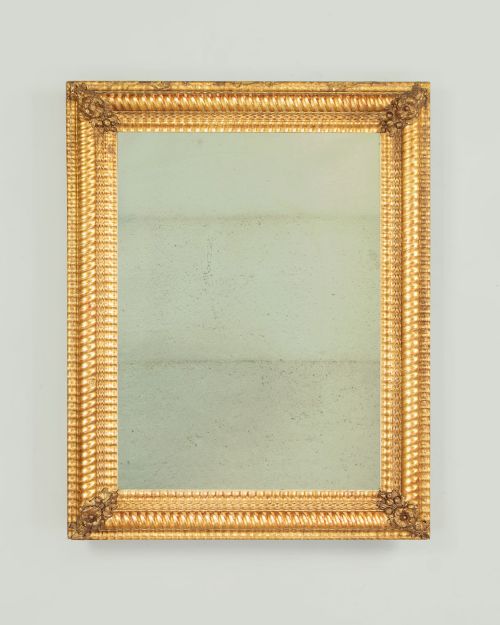
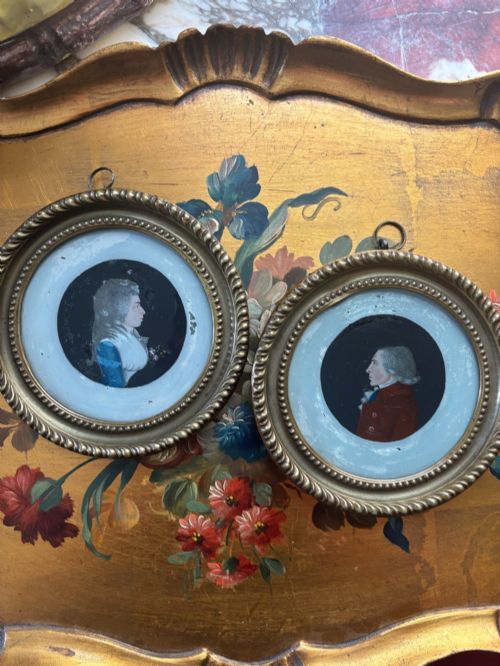
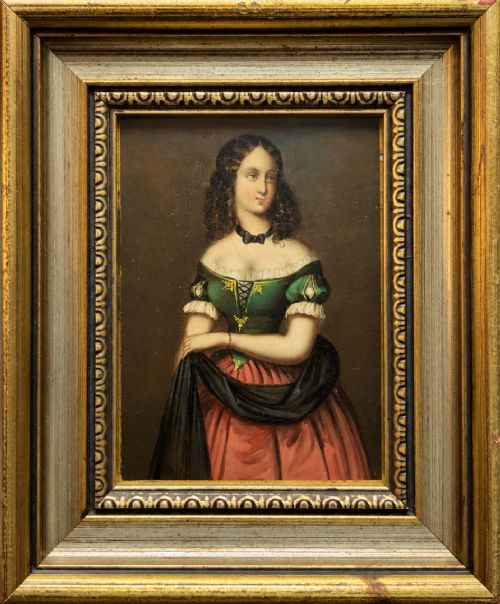
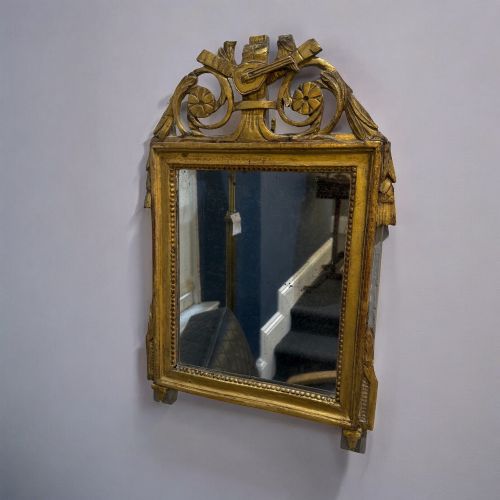
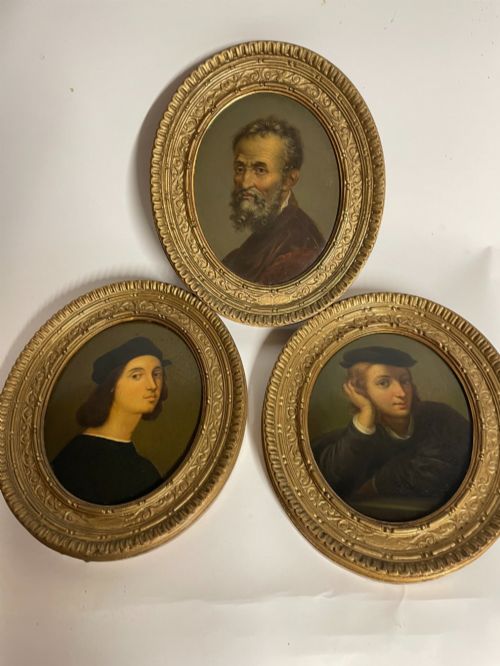
A small gilt frame catches the light instantly, drawing the eye to the miniature portrait, watercolour, or mirror held within.
Small Gilt Frame
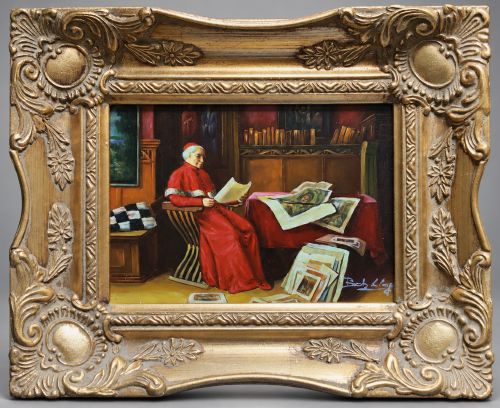
A small gilt frame surrounds delicate works of art and compact looking glasses, bringing warmth and reflective brightness to interior spaces. When searching for a small gilt frame, buyers encounter a diverse selection of antique wall mirrors, portrait miniatures, and oil paintings created across several centuries.
The pieces appearing on this page span the eighteenth, nineteenth, and early twentieth centuries, drawing upon Georgian, Regency, Victorian, and Rococo Revival styles. Domestic interiors benefit greatly from these compact formats, which fit into narrow wall spaces and groupings of salon pictures.
Mirrors and framed artworks dominate the selection, often taking circular, oval, or arched top forms. French and English origins predominate among the makers and workshops responsible for these gilded objects.
Materials and Construction
Makers built these frames using carved wood or shaped gesso applied over a wooden base, providing a sturdy foundation for subsequent decoration. Artisans then applied thin sheets of gold leaf or metal leaf to achieve a brilliant metallic sheen across the surface.
Gesso modelling allowed craftsmen to create intricate relief ornamentation, from classical reeding to elaborate floral scrollwork. Glass components inside the mirrors and miniatures were hand-blown or cast before being fitted carefully into their housings.
Small Gilt Frame Retail Price Guide 2026
Typical asking prices for small gilt frame among the pieces listed under this phrase on Sellingantiques today, from the lower quarter to the upper quarter. They describe what is for sale here now, not the wider market.
Cats and children gaze out from miniature oil pastels and watercolours, proving that historic portraiture happily accommodates beloved household pets.
Evaluating Quality and Craftsmanship
The fineness of the carved gesso decoration and the purity of the gilding set superior examples apart from standard production pieces. Crisp relief work that retains its sharp edges indicates skilled hand-tooling rather than mass-produced moulding.
The preservation of the original gold leaf surface directly influences the desirability and character of an antique piece. Natural wear and subtle patination reveal the true age of the object without diminishing its decorative impact.
William Howard Hardy·Maud Raphael Jones·Dumont·Evelyn Chester
The Small Gilt Frame Glossary
- Giltwood
- Wood that has been coated with gold leaf. This material forms the primary structure of many traditional antique frames and mirrors.
- Gesso
- A mixture of plaster of Paris and glue binder used to coat wood surfaces. Artisans carve and mould this substance to create raised decorative details before gilding.
- Portrait Miniature
- A small, highly detailed painting depicting a person. These works frequently reside inside protective glass-fronted gilt housings.
- Pier Mirror
- A tall, narrow looking glass designed to hang on the wall between windows. Regency and Victorian examples often feature compact dimensions and gilded frames.
- Convex Mirror
- A round looking glass with a curved surface that reflects a wide field of view. These optical pieces typically sit within circular gilt frames decorated with gesso spheres.
Small Gilt Frame: Frequently Asked Questions
How do I hang a heavy gilt mirror safely?
Wall anchors matched to your specific wall construction support the weight securely. Heavy pieces require picture wire rated well above the object's actual mass, attached firmly to the frame's structural elements.
Professional mirror hangers recommend using two separate suspension points to distribute tension evenly and prevent the piece from tilting forward over time.
What is the best way to clean a antique gilt frame?
Dry dusting with a soft, clean artist's brush removes surface particles safely without disturbing delicate leaf surfaces. Moisture and chemical cleaning agents damage fragile gesso and strip historical gilding.
Professional conservators should handle any deep cleaning or repairs required on nineteenth-century gilded mouldings to preserve the original finish.
How can I tell a Regency frame from a Victorian one?
Regency frames lean toward neoclassical restraint, featuring clean lines, reeding, and classical motifs inspired by ancient Greek and Roman design. Victorian versions often embrace revival styles like Rococo, showing heavier, more exuberant floral and scroll ornamentation in the gesso.
Examining the construction joints and the composition of the gesso base helps confirm the manufacturing era of the piece.
Where should I display a portrait miniature?
Small portrait miniatures thrive in intimate settings such as hallways, studies, or grouped together on a drawing-room wall. Direct sunlight fades the delicate watercolours and pigments inside these frames over time, making shaded wall spaces ideal.
Keeping these compact works at eye level allows viewers to appreciate the fine brushwork and intricate detail up close.