

Small Framed Painting
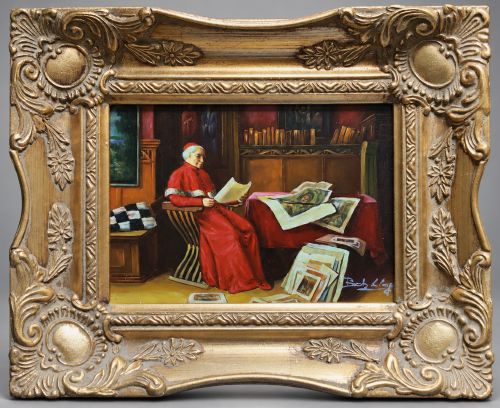
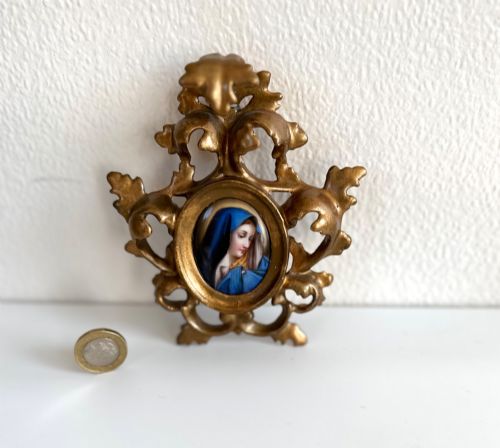
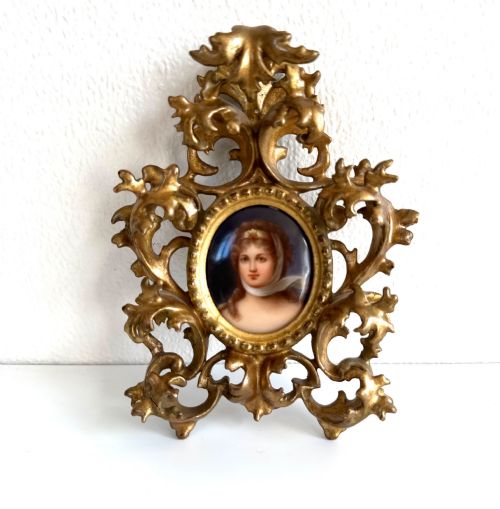
A small framed painting offers concentrated character for a tight space, combining historic subjects within period enclosures.
Small Framed Painting
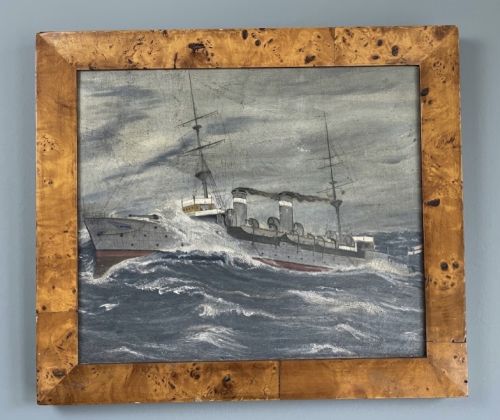
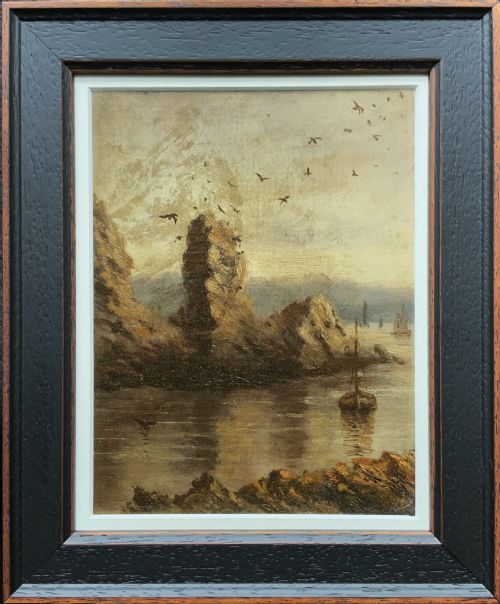
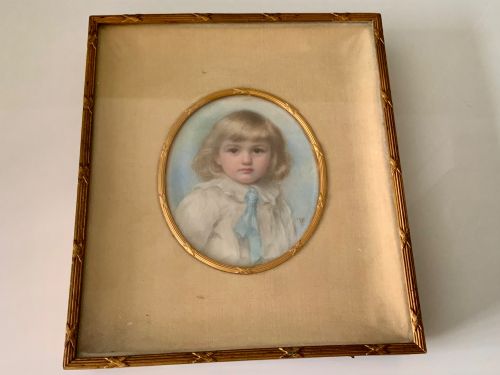
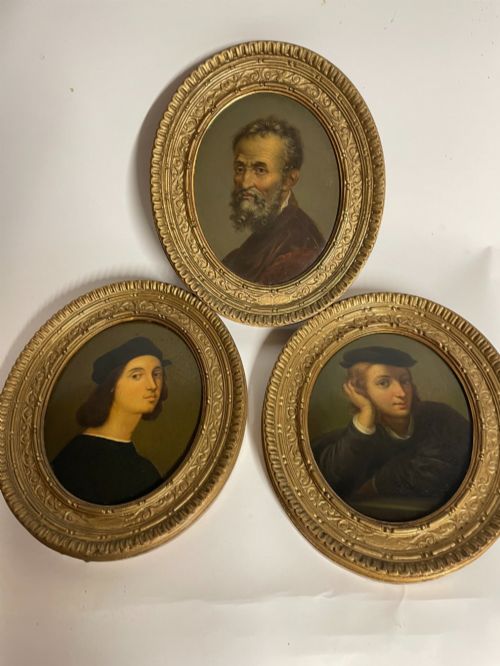
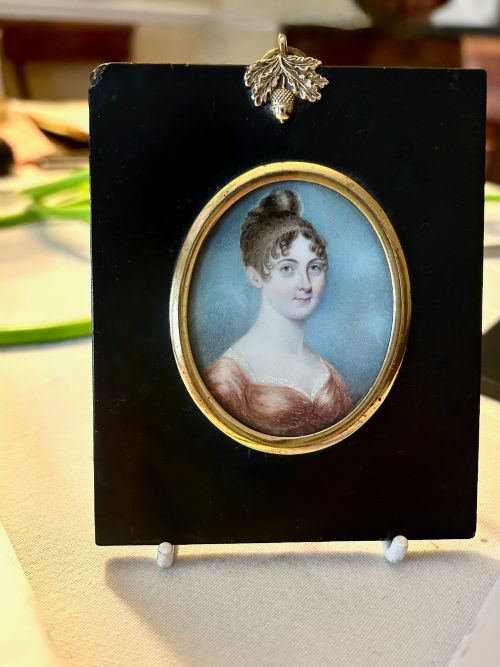
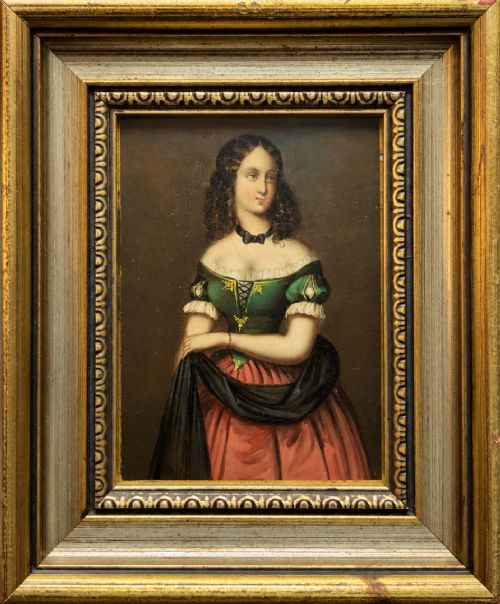
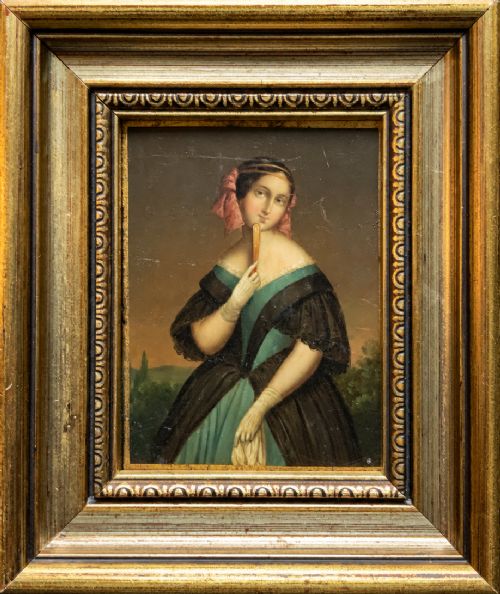
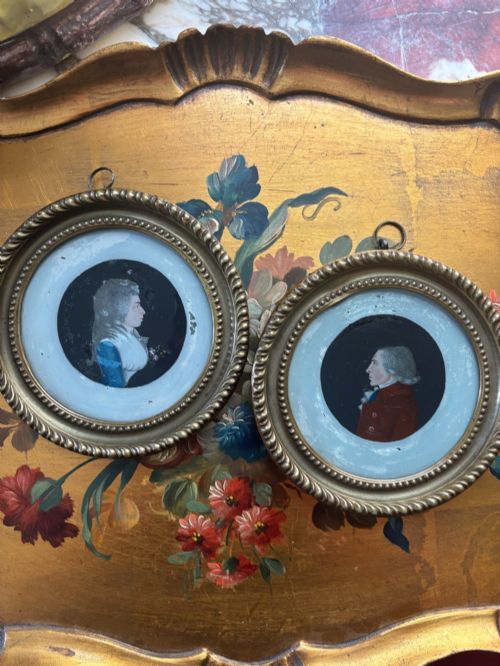
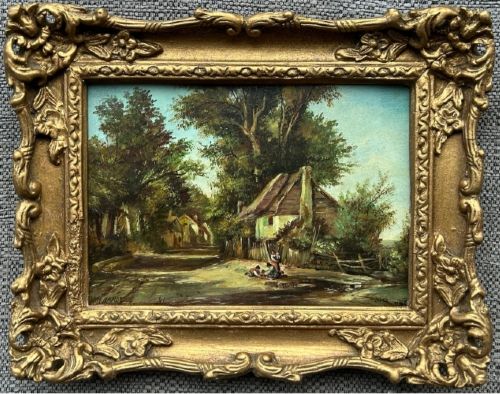
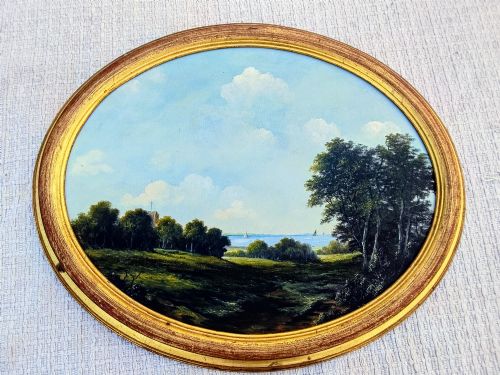
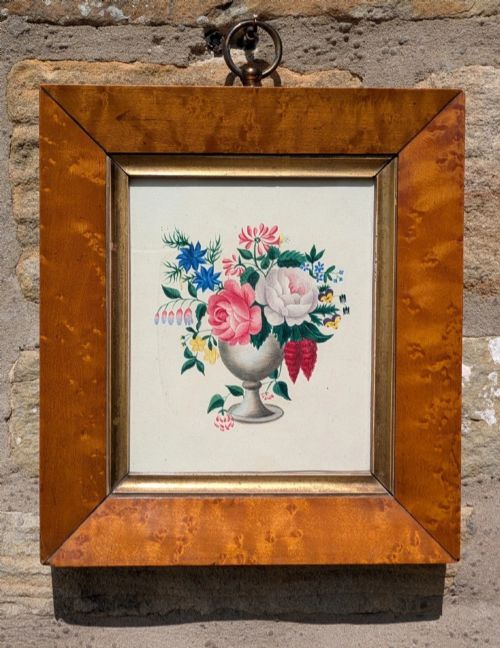
A small framed painting brings together compact artwork and period enclosures, ranging from intimate portrait miniatures to landscape oils on panel or canvas. Buyers seeking a small framed painting will encounter works spanning the Georgian, Regency, and Victorian eras, alongside later nineteenth and early twentieth-century examples.
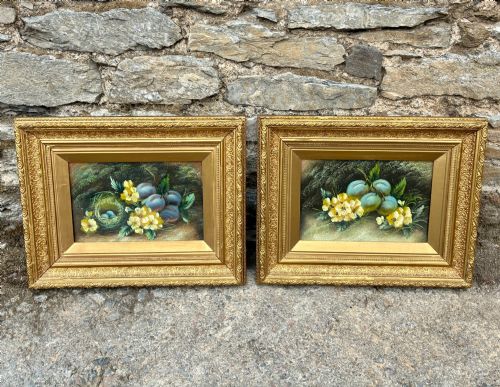
The format encompasses delicate watercolours on paper and glass, alongside robust oil paintings executed on board, canvas, and wood panels. Many pieces preserve historical subjects, from botanical studies and landscape scenes to detailed portraiture contained within ebonised or gilt surrounds.
How they were made
Makers utilised traditional supports including wooden panels, stretched canvas, card, and paper, applying media such as oil, watercolour, and pastel. Pigments were worked with fine brushes to capture intricate details on miniature surfaces.
Enclosures incorporate carved gilt wood, cast gilt metal, polished brass, and ebonised wood frames, often fitted with protective glass to preserve the fragile paint or paper layers beneath.
Small Framed Painting Retail Price Guide 2026
Typical asking prices for small framed painting among the pieces listed under this phrase on Sellingantiques today, from the lower quarter to the upper quarter. They describe what is for sale here now, not the wider market.
Listings feature works spanning the 18th, 19th, and 20th centuries, executed in oil, watercolour, and pastel upon wood, canvas, and glass.
What varies in quality
Quality rests upon the execution of the brushwork and the precision with which the subject is rendered, separating masterly portraiture or landscape depth from simpler naïve works. The preservation of the original paint surface and the clarity of the underlying medium dictate the visual impact.
The integrity of the surrounding frame matters considerably, with original period housing - such as an ebonised wood profile or an ornate gilt moulding - contributing to the overall historical coherence of the piece.
Henri Fradelle·Richard Cosway·Carl Whitfield·Maud Raphael Jones·Florence Small·Miles Birkett Foster·Dumont·Evelyn Chester·Samuel Raven·J Phipps·M C Hider
The Small Framed Painting Glossary
- Portrait Miniature
- A small, highly detailed painting depicting a person, executed on materials such as vellum, card, or ivory. These works were frequently produced during the Georgian and Victorian periods.
- Ebonised Wood
- Timber treated with a dark stain or finish to imitate ebony. This dark framing style provides a strong visual contrast for nineteenth-century watercolours and portraits.
- Panel Painting
- An artwork painted on a flat piece of wood rather than stretched canvas. This durable support was commonly utilised for small oil paintings.
Small Framed Painting: Frequently Asked Questions
How are portrait miniatures dated?
Dating relies upon costume details, hairstyles, and the specific construction style of the surrounding frame. Early examples often feature distinctive ebonised wooden surrounds typical of the Georgian era.
Changes in painting technique and the choice of backing materials also help specialists place pieces into specific decades like the Regency period.
Where should I hang a miniature?
These compact artworks suit narrow wall spaces, alcoves, or groupings salon-style on a panelled wall. Their modest scale requires placement at eye level to appreciate the fine brushwork.
Avoid direct sunlight to protect delicate watercolours and paper supports from fading over time.
Are these works original antiques?
The selection includes authentic period pieces dating from the eighteenth century through to the early twentieth century. Each listing notes the specific era of creation, from Georgian origins to Victorian revivals.
Materials such as old glass, aged wood panels, and hand-applied gilt provide tangible evidence of their age.
What subjects are most common?
Portraits dominate the earlier centuries, ranging from notable historical figures to anonymous sitters in delicate watercolours and oils. Landscapes, botanical studies, and animal subjects become more frequent in later Victorian and twentieth-century pieces.
Scenes range from British countryside views to Dutch winter landscapes and maritime settings.