
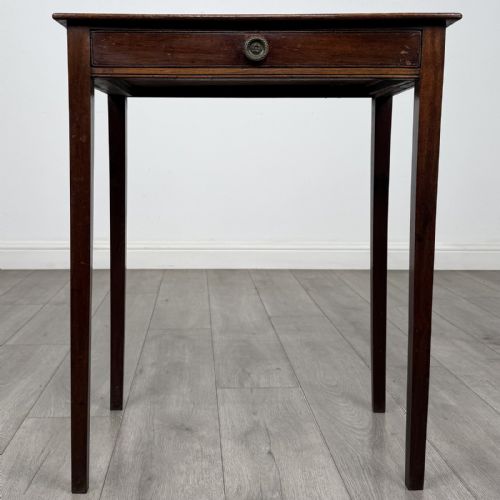
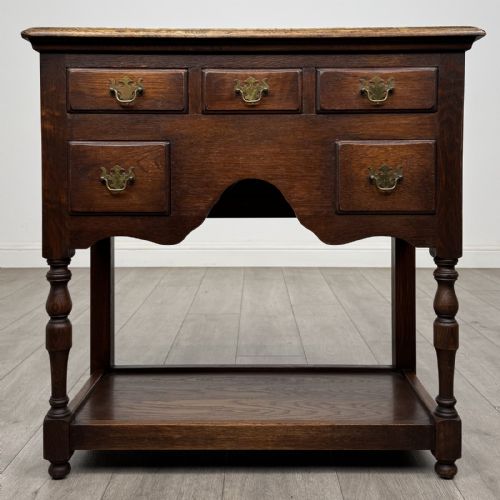
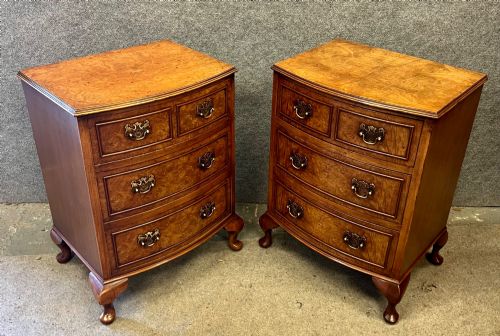
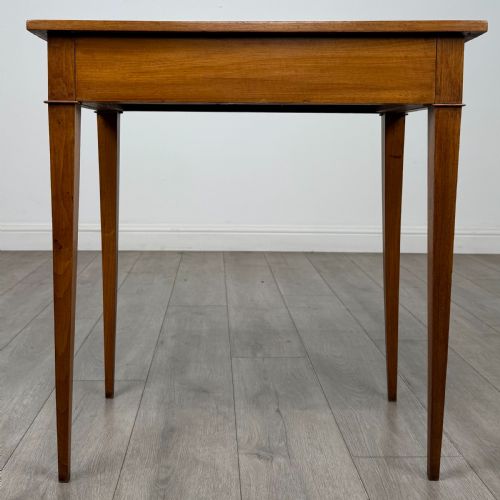
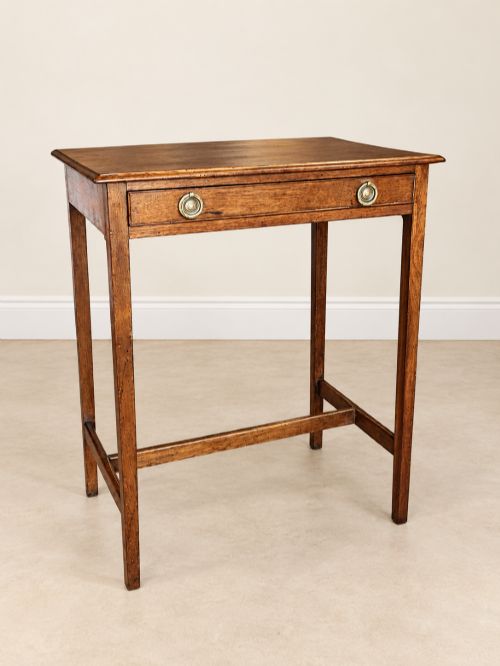
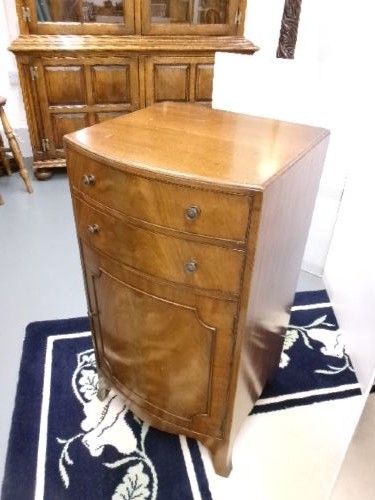
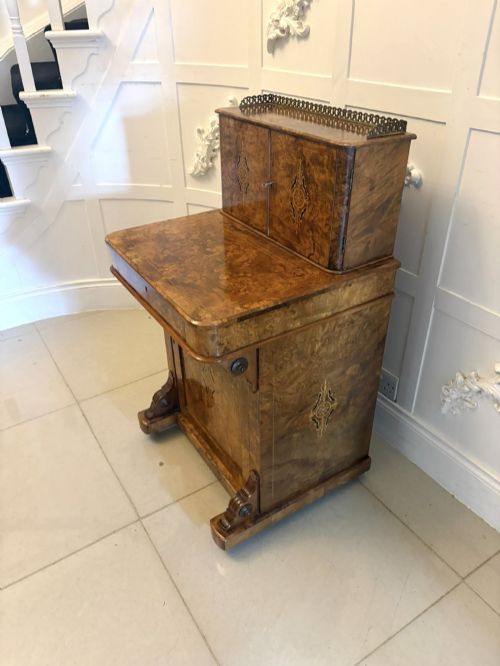
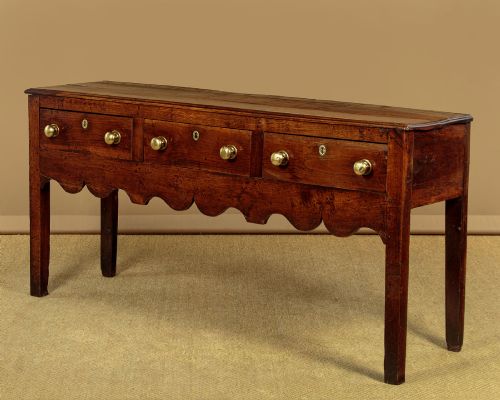
Small Drawer Table
A small drawer table offers compact surface space paired with hidden storage, spanning Georgian proportions to Edwardian utility.
Small Drawer Table
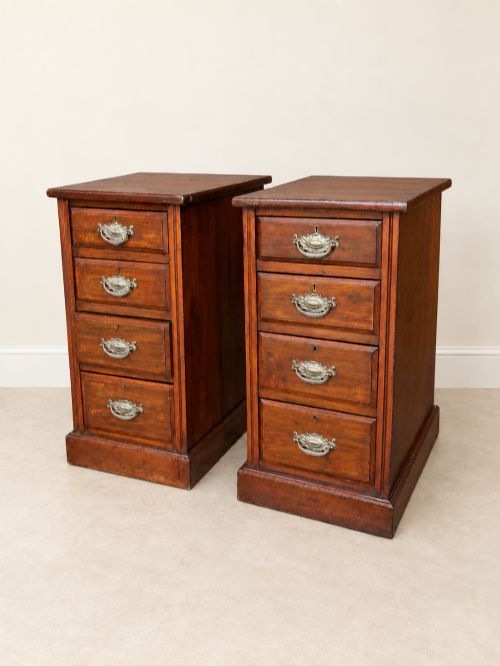
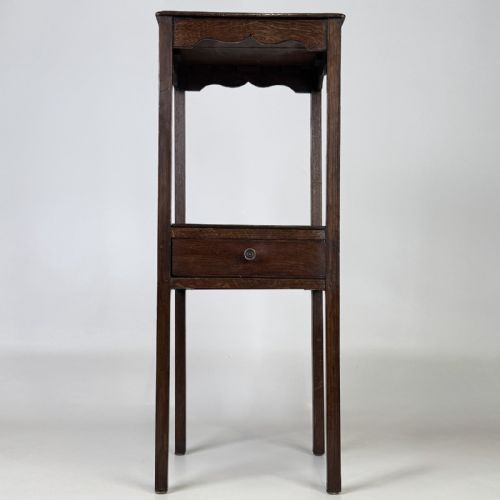
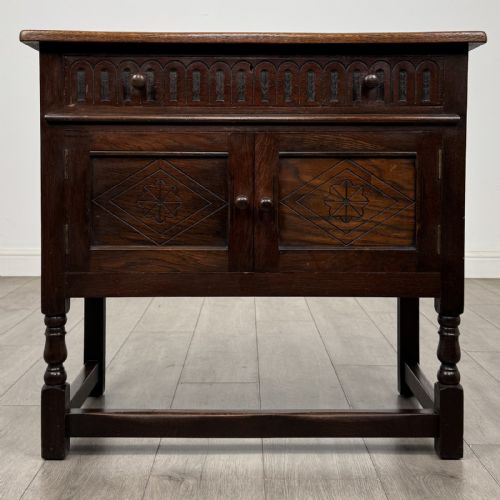
A small drawer table serves as a versatile furniture form designed to provide surface space alongside concealed storage for everyday items. When searching for a small drawer table, a buyer encounters pieces originating from the Georgian, Victorian, and Edwardian periods, as well as the 1920s and 1930s.
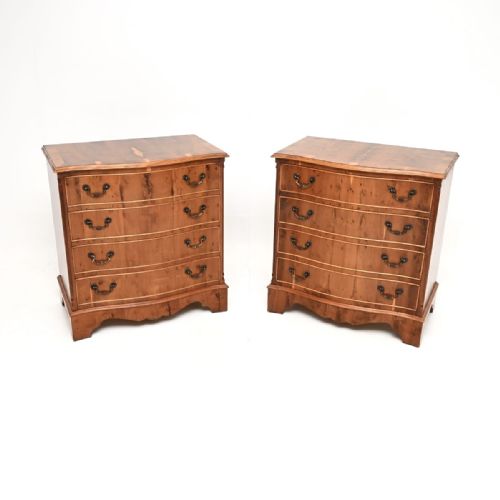
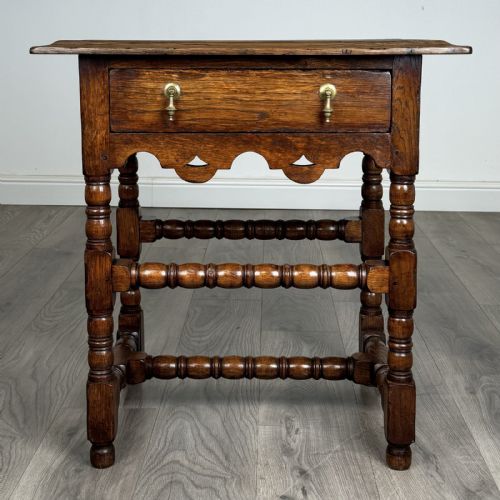
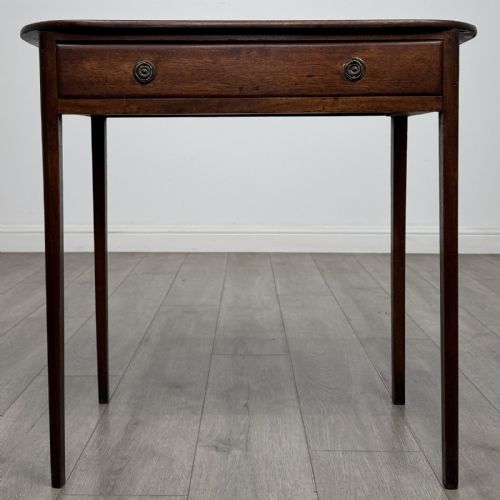
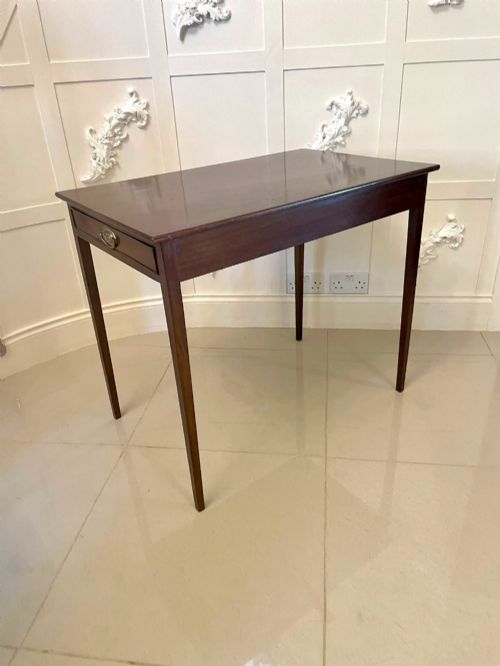
The most common forms on this page include side tables, bedside tables, and small writing desks fitted with single or multiple drawers. These pieces adapt easily to various rooms, functioning as bedside companions, lamp tables, or compact writing surfaces.
Materials span traditional timbers such as mahogany, oak, and walnut, frequently accented with brass hardware. The selection reflects domestic needs across two centuries of British and continental cabinet making.
How they were made
Makers utilised solid timbers like oak and mahogany for structural integrity, often applying veneers of burr walnut or rosewood to prominent surfaces for visual depth. Drawer construction typically involved hand-cut dovetails, securing longevity and smooth operation.
Secondary timbers such as pine appeared in concealed areas like drawer linings and carcase backs. Surface finishes relied on traditional wax or polish applied to highlight the natural grain of the wood.
What varies in quality
Quality rests upon the selection of timber and the precision of the cabinet work rather than ornamental complexity. Superior examples display carefully matched grain patterns across drawer fronts and tops, along with tightly fitted joints that withstand decades of use.
The choice of secondary woods and the weight of the brass fittings further distinguish standard utility pieces from finer items commissioned for principal rooms. Proportion and balance dictate the visual success of the piece.
The Small Drawer Table Glossary
- Pembroke table
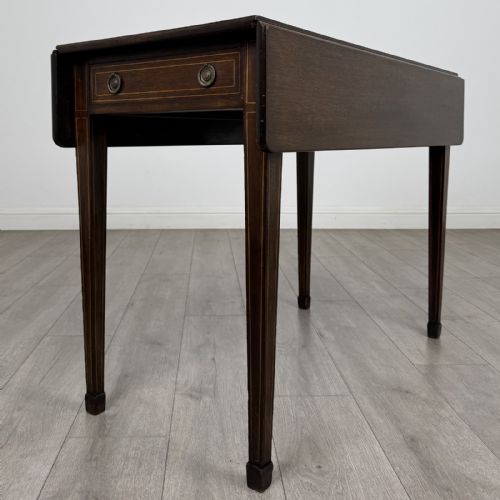
- A small drop-leaf table with hinged flaps on either side and usually a single drawer. This form gained popularity during the Georgian period for breakfast or occasional dining.
- Dovetail
- A joint formed by interlocking wedge-shaped fingers, used primarily in drawer construction. Hand-cut dovetails indicate traditional craftsmanship prior to mass industrial manufacturing.
- Veneer
- A thin layer of figured wood applied over a stable secondary timber base. Burr walnut and mahogany veneers provided decorative surface patterns without the structural cost of solid exotic logs.
- Drop-leaf
- A table top featuring hinged side leaves that fold down to save space. Brackets or swing legs support the leaves when raised for use.
Small Drawer Table: Frequently Asked Questions
Where should I place a small drawer table?
These tables fit easily beside a bed, alongside a sofa, or in a narrow hallway where surface space is required without blocking movement. The integrated drawer holds small essentials out of sight.
Their compact proportions allow them to integrate into smaller rooms while maintaining period character.
How do I date a small drawer table?
Dating relies on examining construction methods, timber choices, and hardware styles across periods from the 18th century to the 1930s. Hand-cut joinery and native timbers often point to earlier Georgian or Victorian origins, while specific revival styles indicate Edwardian or later manufacture.
Matching the overall proportions and secondary woods helps narrow the decade of production.
What is the difference between a side table and a lamp table?
A side table generally offers a broader surface and a functional drawer, historically designed to stand against a wall. A lamp table is often smaller and sometimes freestanding to hold lighting next to seating.
Both forms utilise similar woods like mahogany, oak, and walnut across various design periods.
How do I care for wooden drawer tables?
Protect the surface by avoiding direct placement near heat sources or strong sunlight that can dry out old timbers and veneers. Regular dusting with a dry cloth and occasional application of appropriate furniture wax maintains the finish.
Ensure drawers are kept lightly loaded to prevent strain on historical runners and joints.