

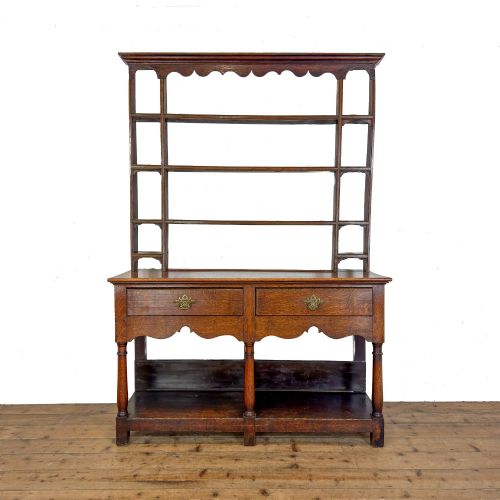


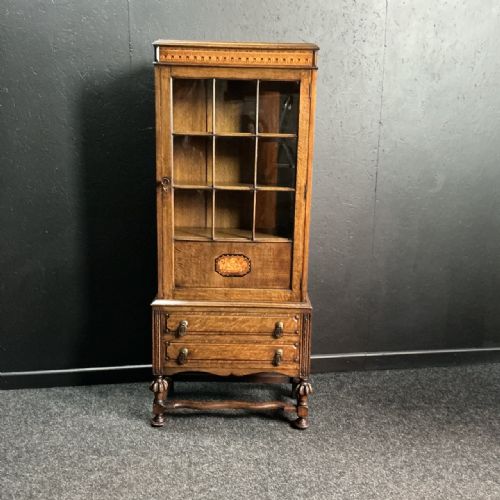


Small Display Drawers
Small display drawers are compact storage units designed to exhibit small treasures, and these pieces bring both order and character to any room.
Small Display Drawers
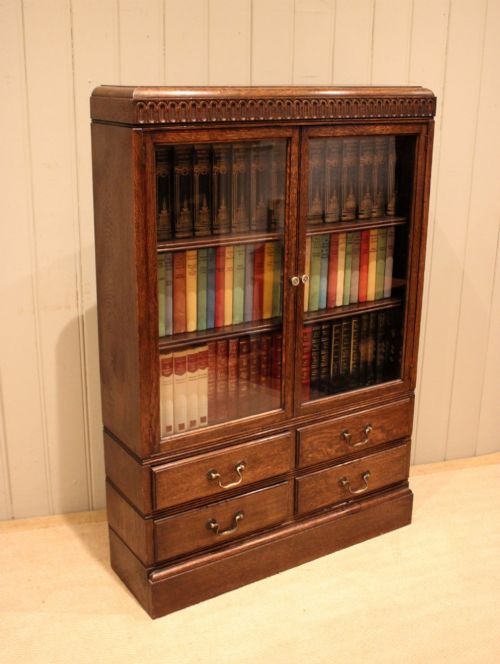
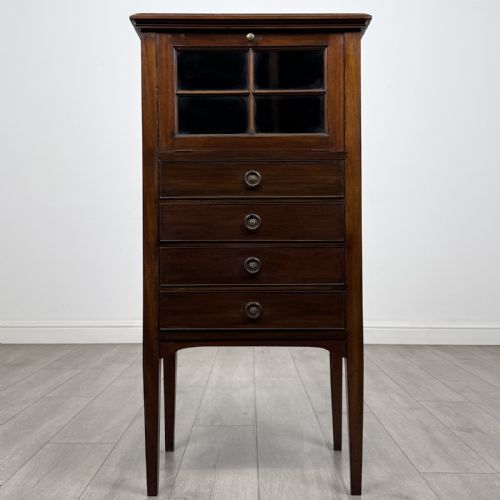
When you search for small display drawers, you encounter a variety of compact furniture forms built for storage and visibility. These pieces range from Victorian specimen collector chests with multiple small drawers to Edwardian mahogany cabinets and oak counter-top display units.
The selections on this page span several decades and styles, including Victorian, Edwardian, and Art Deco periods. You find items like haberdashery cabinets, tabletop drawer chests, and small cabinets featuring glass panels or raised galleries.
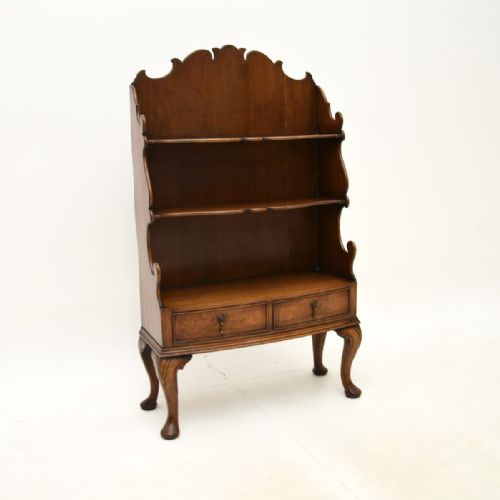
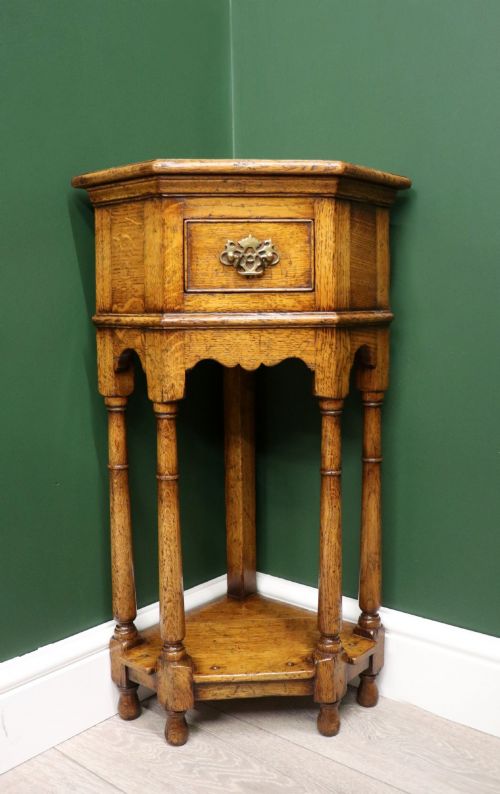
Most examples utilise traditional timbers such as mahogany, oak, and walnut, often shaped into open shelving, glazed bookcases, or multi-drawer storage chests. Their compact proportions make them suitable for placing on tables, counters, or desks.
How they were made
Cabinet makers constructed these pieces using solid hardwoods like oak, walnut, and mahogany, frequently applying wood veneers to create smooth exterior surfaces. Boxwood inlay and fine grain patterns added decorative detail to Edwardian and Victorian examples.
Glass panels were fitted into doors and framing to allow visibility while protecting the contents within. Brass handles, hinges, and drawer pulls provided functional hardware that complemented the darker tones of the timber.
Small Display Drawers Retail Price Guide 2026
Typical asking prices for small display drawers among the pieces listed under this phrase on Sellingantiques today, from the lower quarter to the upper quarter. They describe what is for sale here now, not the wider market.
Sheet music cabinets hide your clutter with the quiet dignity of a Victorian church pew.
What varies in quality
The standard of construction largely dictates the quality of these drawer units, particularly in the precision of the drawer joints and the selection of timber veneers. Finely figured burr walnut or carefully matched mahogany surfaces elevate the visual appeal of a piece.
Original hardware, intact glass panes, and well-preserved surface polishes distinguish superior examples from standard utility items. The integration of decorative elements like boxwood inlay or carved galleries shows a higher degree of craftsmanship.
The Small Display Drawers Glossary
- Specimen cabinet
- A small chest of drawers originally built to store natural history collections, coins, or medals. These units feature multiple shallow drawers tailored for orderly classification.
- Haberdashery cabinet
- A shop display unit featuring glass panels and shallow drawers designed to showcase small merchandise. These cabinets offer high visibility for organised storage.
- Gallery
- A low decorative railing or rim fitted along the top edge of a cabinet or shelf. It prevents items placed on top from sliding off.
- Boxwood inlay
- Narrow strips of pale wood embedded into the surface of a darker timber to form geometric patterns. This decorative technique appears frequently on Edwardian pieces.
Small Display Drawers: Frequently Asked Questions
What were small display drawers used for originally?
These units served various practical purposes in homes and shops, from housing collections of natural specimens to displaying small retail goods.
Collector chests held delicate items like coins or fossils, while counter-top display cabinets allowed merchants to exhibit wares securely.
How do I date an antique cabinet?
Dating relies on examining the timber species, construction methods, and hardware style characteristic of specific periods like the Victorian or Edwardian eras.
Details such as boxwood inlay, drawer dovetailing, and the presence of original brass fixtures provide clear chronological markers.
Are these cabinets suitable for modern homes?
Their compact proportions make them exceptionally practical for contemporary living spaces where floor space is limited.
You can place tabletop drawer chests on sideboards or desks to store small accessories while exhibiting decorative objects.
What is the difference between a cabinet and a collector chest?
Cabinets typically feature doors, shelves, or glazed panels designed for general display and storage of larger items.
Collector chests consist primarily of multiple shallow drawers stacked vertically to organise numerous small objects systematically.