
Small Crystal Ceiling Light
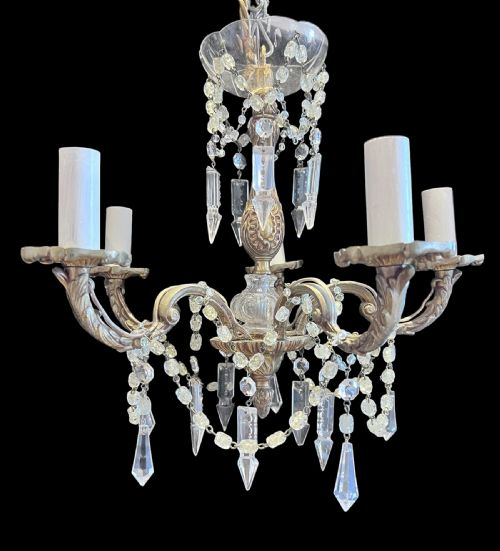
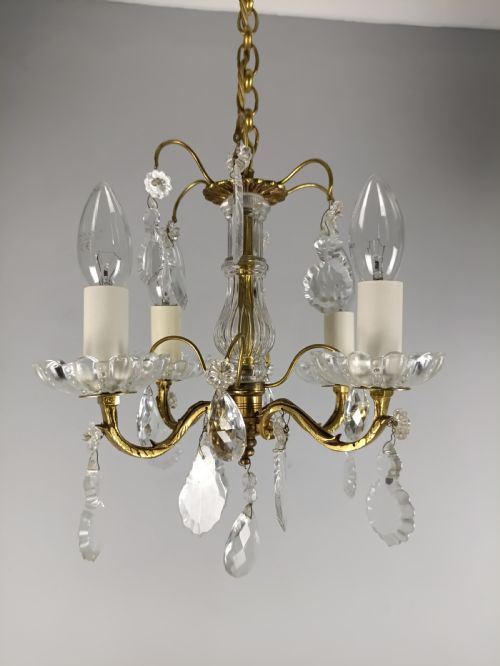
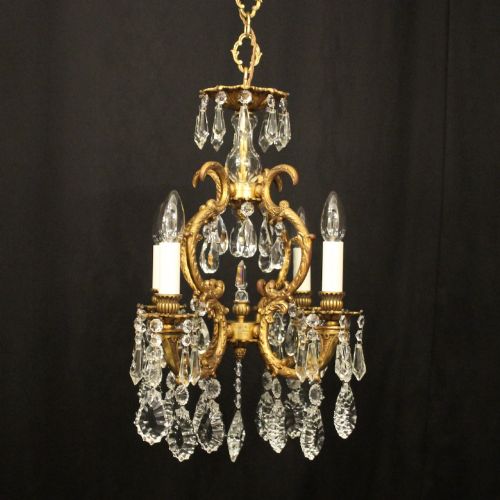
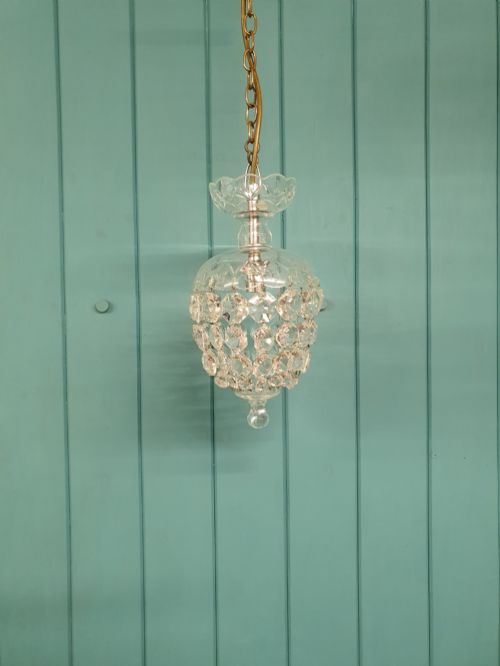
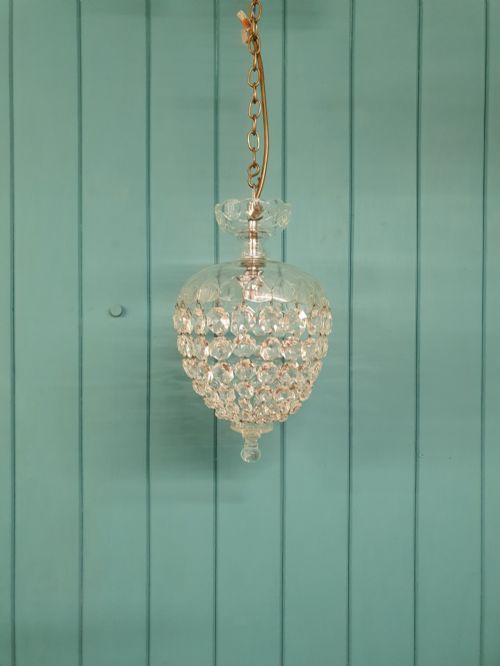
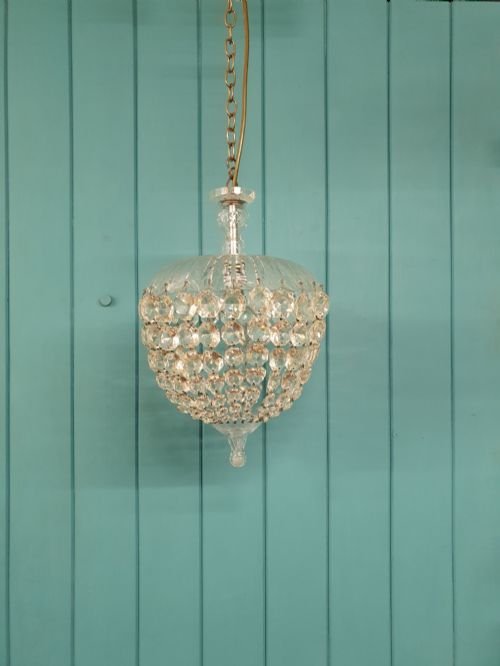
A small crystal ceiling light brings concentrated sparkle to a low ceiling, combining brass frames with glass prisms from the Edwardian era up to 1930.
Small Crystal Ceiling Light
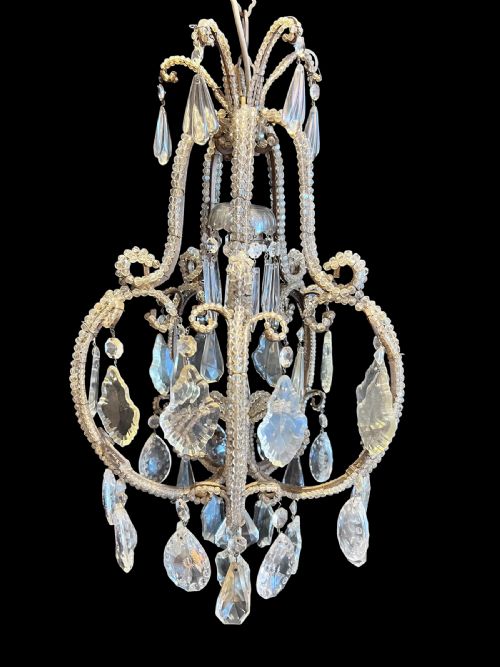
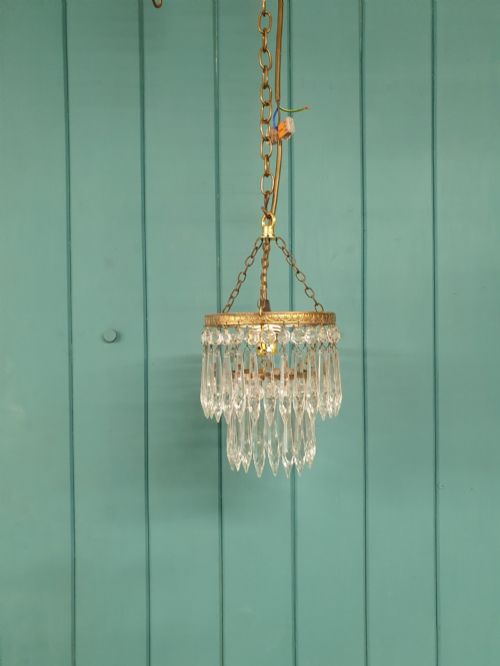
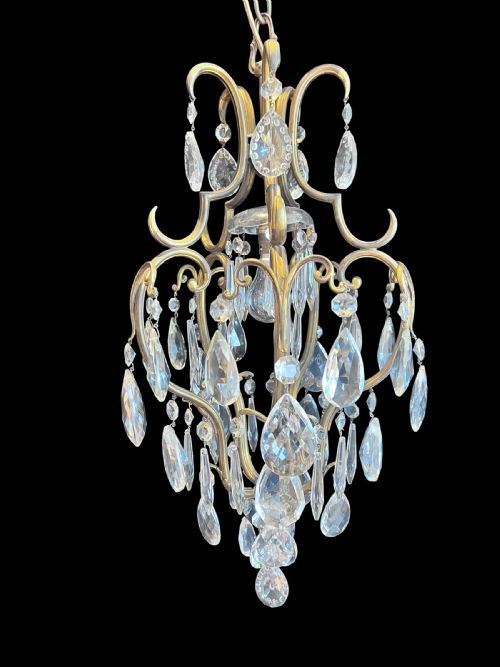
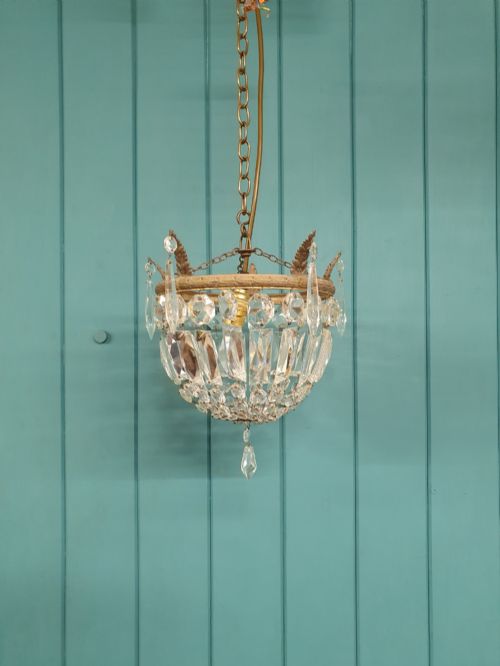
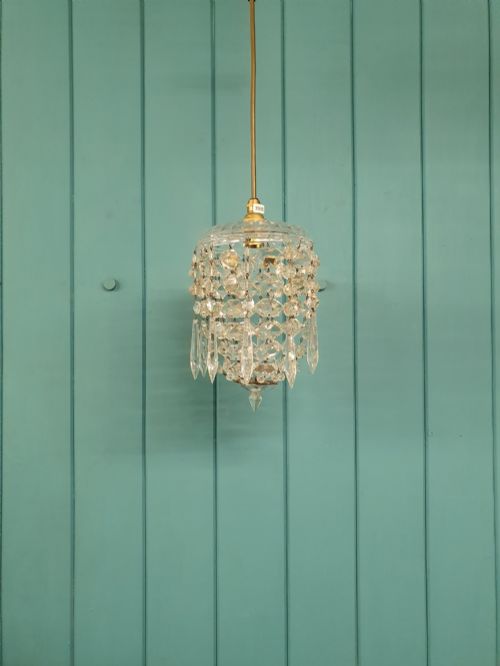
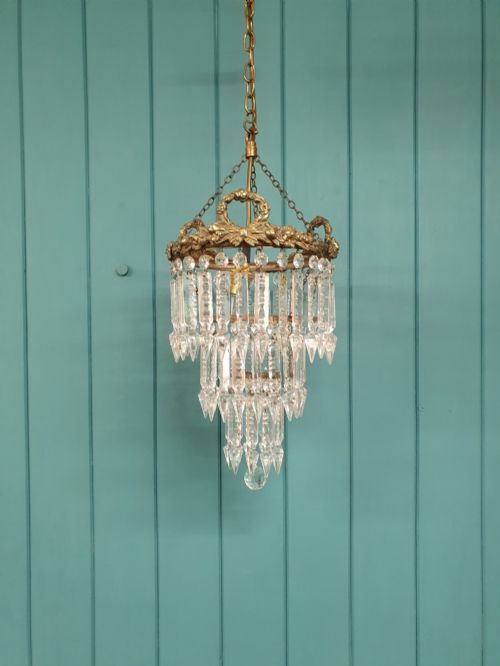
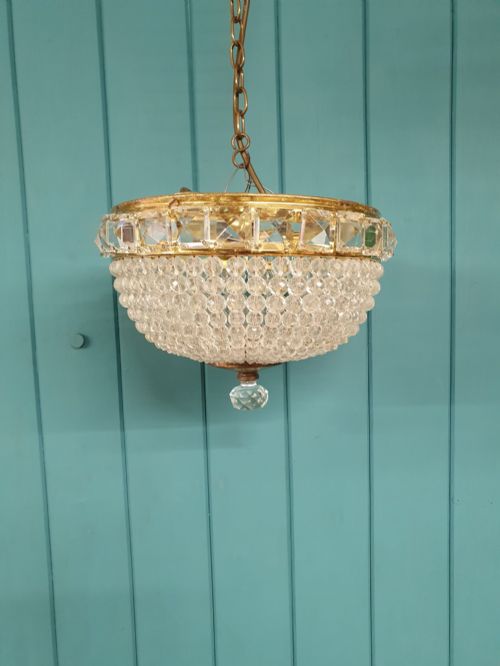
A small crystal ceiling light is typically encountered in formats such as compact bag chandeliers, dome top pendants, and spike fixtures designed for intimate spaces. These pieces emerge predominantly from the Edwardian period through to 1930, capturing stylistic influences ranging from French Empire and Rococo to Italian Regency.
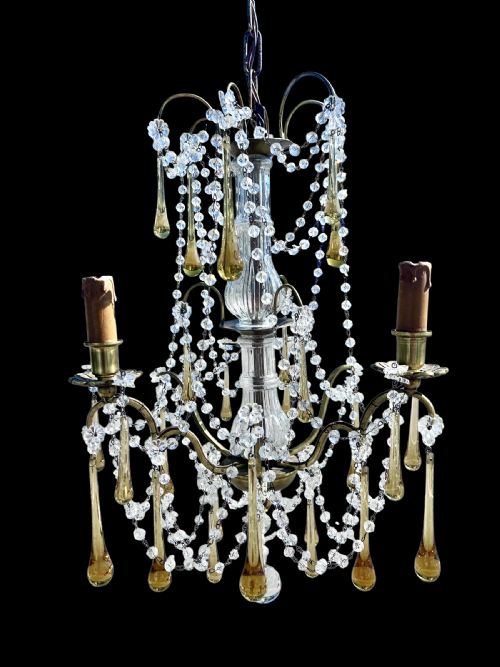
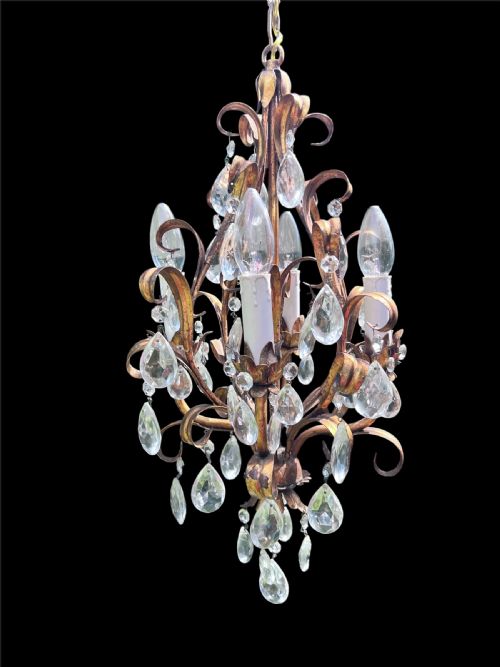
Buyers seeking a small crystal ceiling light will frequently discover single or multi-light configurations fashioned with brass, gilt bronze, or gilt brass mountings. The forms rely heavily on traditional shapes like basket frames and tapered bag structures that distribute light efficiently through hanging drops.
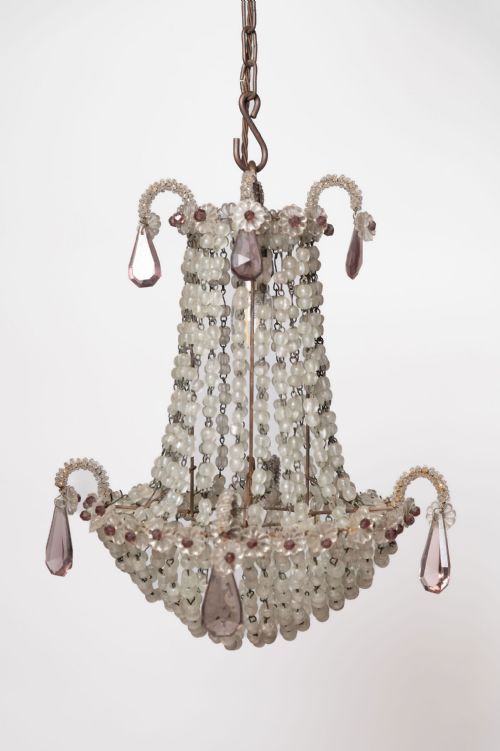
The enduring appeal of these fixtures lies in their ability to deliver decorative presence without dominating a modest room. Their architectural variety spans simple lustre arrangements to elaborate French gilded designs adorned with coloured crystals.
Materials and Construction
The foundational structure of these fixtures relies on metalwork frames cast from brass, gilt brass, or gilt bronze, providing a sturdy skeleton to support the weight of the glass elements. These metallic mounts are frequently shaped into leafy motifs, wire baskets, or simple rings depending on the chosen design.
Suspended from the metal frames are various glass components, including cut glass crystals, moulded beads, coffin prisms, and simple lustres. These optical elements are linked together using fine wire or pins to form the signature tent and bag silhouettes seen across the period.
Some Edwardian wired creations incorporate tiny metal flowers winding among the glass drops.
Distinctions in Quality
The calibre of a fixture is largely determined by the precision of the glass cutting and the clarity of the crystal components. Pieces featuring hand-cut prisms and heavily faceted drops refract light with greater brilliance than simpler, moulded glass alternatives.
Construction methods also dictate overall standard, particularly the robustness of the metal framework and the quality of the gilt finishes. Heavier cast bronze or brass mounts with detailed chasing distinguish finer examples from lighter, simpler wire frames.
The Small Crystal Ceiling Light Glossary
- Bag chandelier
- A light fixture featuring a flattened backing and a curved front profile that resembles a small pouch or bag, densely hung with crystal drops. This format hangs close to the ceiling.
- Coffin prism
- A long, flat-backed glass drop with a pointed or bevelled tip, commonly utilised on early twentieth-century chandeliers to catch and scatter light. They hang in numbers around the lower rim.
- Lustre
- A glass pendant or drop suspended from a lighting fixture to enhance light reflection. These small elements dangle freely and move with air currents.
- Tent and bag chandelier
- A specific configuration where an upper crown of glass strands forms a tent shape above a lower bag-shaped assembly. Brass mounts secure the arrangement.
- Spike chandelier
- A vertical fixture featuring central spikes or tiers of protruding glass elements that create a spiky outline. These items often measure under a foot in diameter.
Small Crystal Ceiling Light: Frequently Asked Questions
Where should I hang a small crystal ceiling light?
These compact fixtures suit hallways, small bedrooms, or cloakrooms where standard chandeliers would hang too low. Their limited drop allows them to provide functional illumination in confined spaces without obstructing headroom.
Because they distribute light effectively through faceted prisms, they create ambient illumination in intimate rooms. Positioning them centrally ensures an even spread of reflected light across smaller interior environments.
How do I date an Edwardian crystal light?
Dating relies on examining the mounting materials, screw types, and wiring methods alongside stylistic cues from the Edwardian era. Pieces from this period frequently combine brass frames with cut glass or lustre drops characteristic of early twentieth-century manufacturing.
Stylistic markers such as simple spike configurations or basic dome top frames point towards the 1900 to 1930 timeframe. Comparing the metal patina and assembly techniques with documented examples helps confirm the production era.
What is a bag chandelier?
A bag chandelier is a compact light fitting defined by a flat upper section mounted against the ceiling and a rounded, bag-like cascade of crystals underneath. This design maximises sparkle while maintaining a shallow profile.
Originating in various historical styles, these fixtures use wire frames to support dense webs of glass beads and prisms. Their enclosed shape makes them particularly effective for lower ceilings.
Are these lights suitable for low ceilings?
Most of these fixtures are designed specifically for rooms with restricted vertical clearance, sitting close to the ceiling surface. Their compact dimensions prevent them from overwhelming low spaces.
Formats like dome top lights and flush bag pendants provide the visual weight of traditional chandeliers without the hanging depth. This makes them a practical choice for period properties with modest room heights.