

Small Country Chest
A small country chest is a compact, utilitarian piece of regional furniture used for storage, and buyers choose one to bring practical function and character into a room.
Small Country Chest
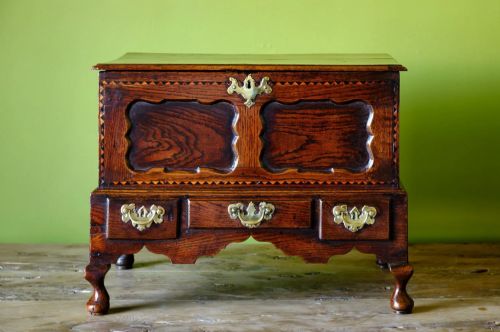
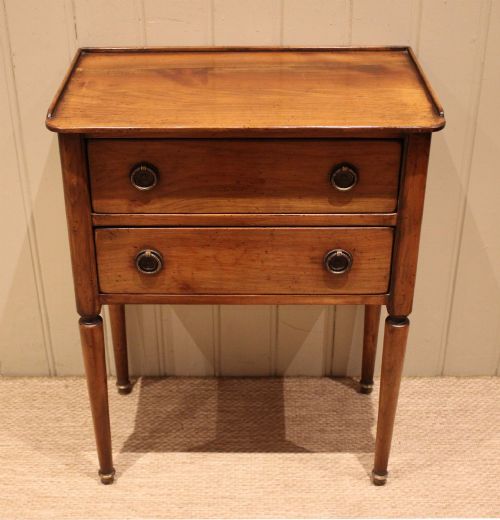
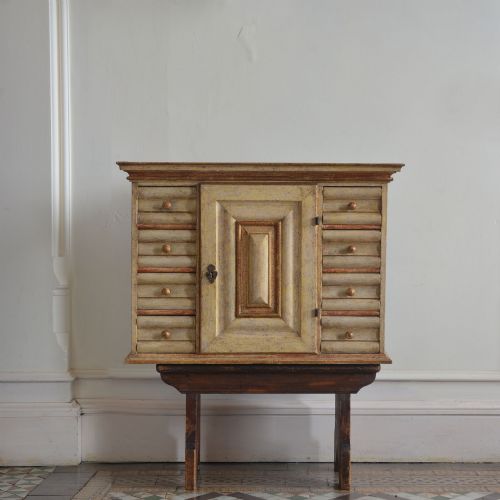
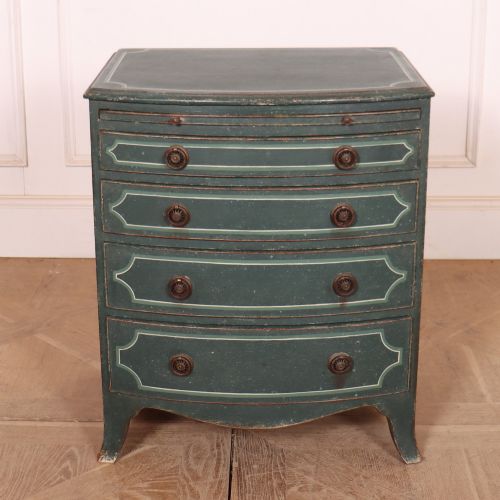
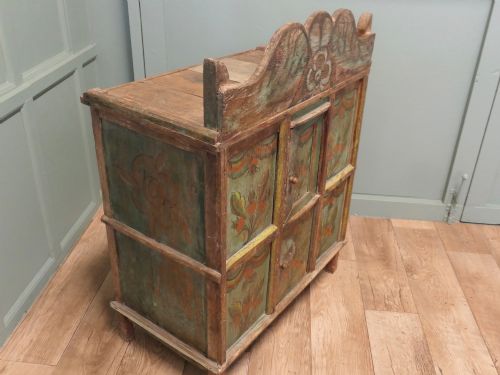
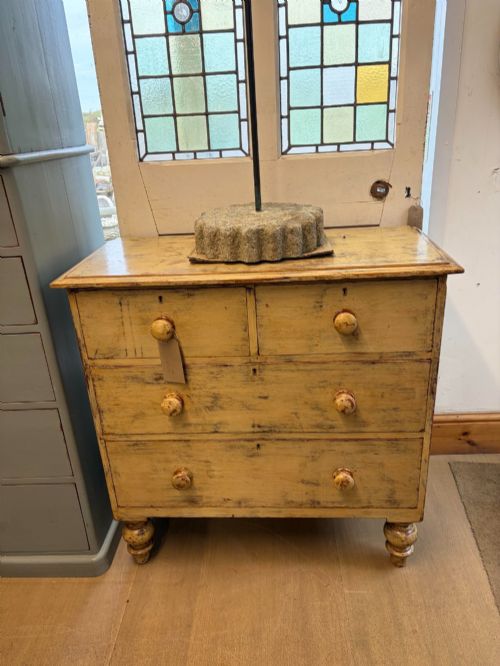
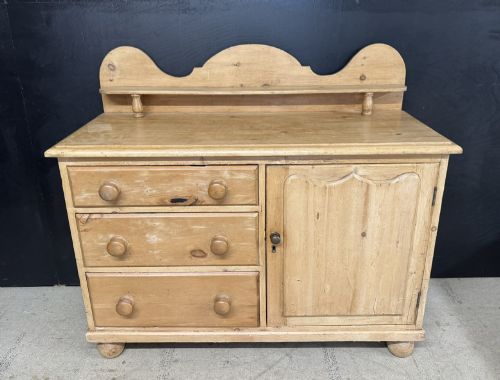
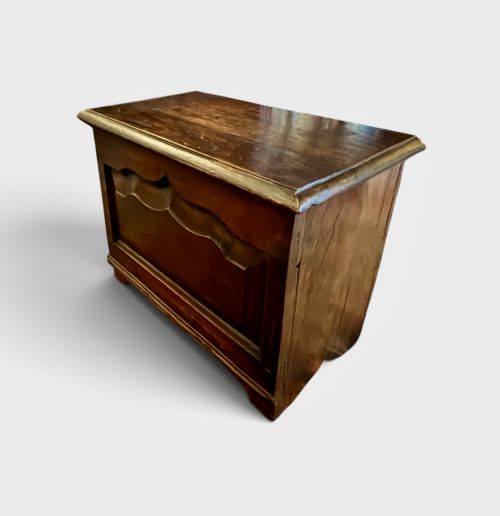
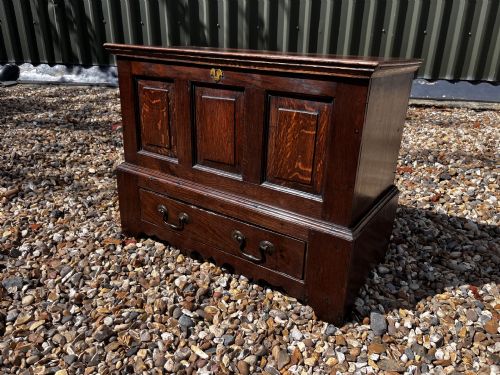
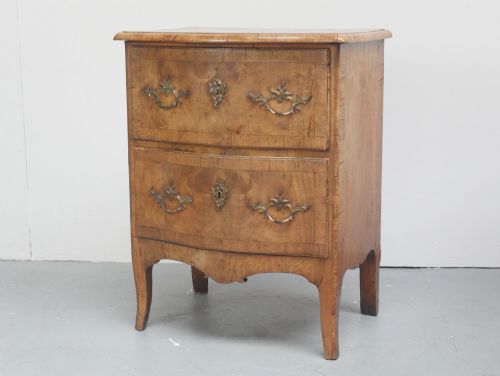
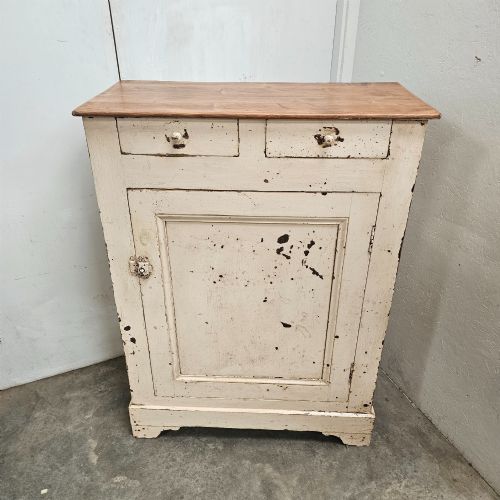
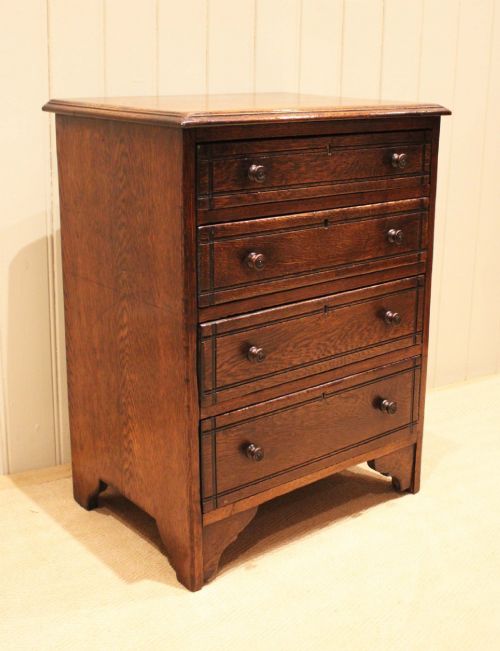
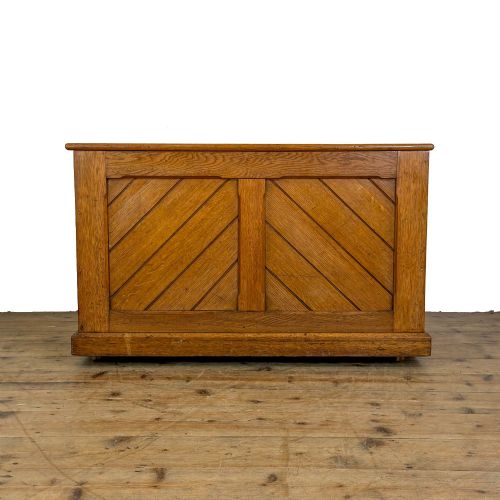
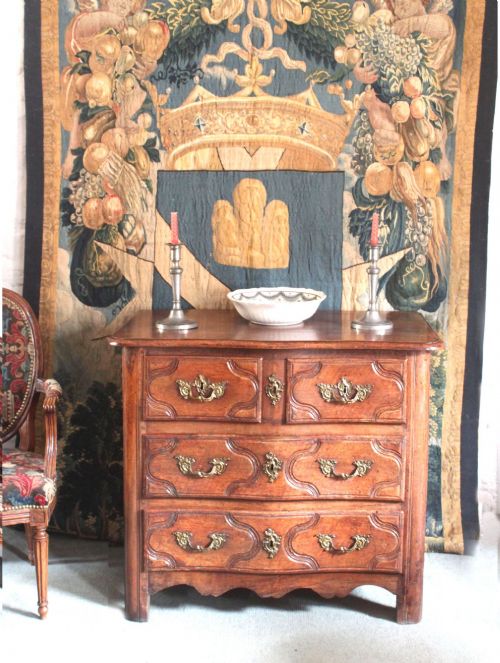
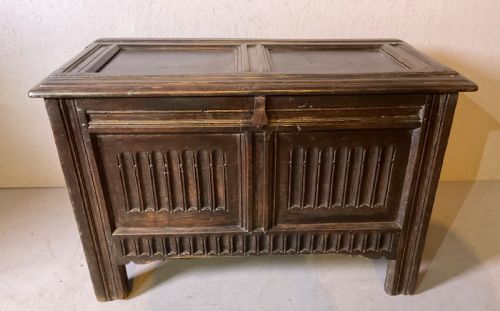
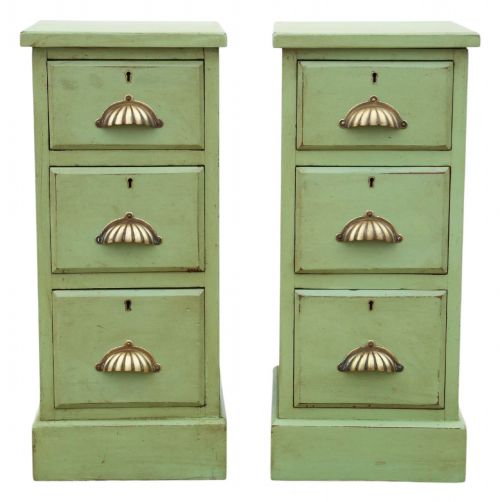
When searching for a small country chest, a buyer encounters domestic storage pieces created for regional homes from the seventeenth century through to the Edwardian period. The inventory includes chests of drawers, coffers, trunks, blanket boxes, cupboards, and spice cabinets originating from English, Welsh, French, and Scandinavian vernacular traditions. Pieces frequently appear in solid oak, pine, elm, and fruitwood, sometimes retaining original or later paint surfaces.
The version most commonly met on this page is the compact pine or oak chest of drawers or coffer dating from the eighteenth or nineteenth century. These items reflect provincial craftsmanship rather than urban formal design, often built with simpler proportions to suit smaller chambers or sculleries. Regional variations such as the Welsh coffer bach or French provincial commodes sit alongside simple English country examples.
How they were made
The makers utilised solid local timbers such as oak, pine, elm, and walnut, selecting woods native to the region where the piece was constructed. Construction relied on traditional joinery methods suited to utilitarian furniture, including panel-and-frame techniques for coffers and standard drawer joints for chests.
Surfaces were finished in various ways, ranging from simple wax treatments on polished hardwoods to painted finishes using original pigments, simulated wood graining, or decorative schemes. Iron and brass hardware, such as swan neck handles and hinges, provided functional operation.
Small Country Chest Retail Price Guide 2026
Typical asking prices for small country chest among the pieces listed under this phrase on Sellingantiques today, from the lower quarter to the upper quarter. They describe what is for sale here now, not the wider market.
Miniature coffers were built so apprentices could demonstrate their joinery skills to master craftsmen before completing their training.
What varies in quality
Quality in these vernacular pieces rests on the integrity of the surviving structure and the preservation of original surfaces. An item retaining its initial painted skin or uncompromised timber patination stands apart from one stripped or heavily altered over generations.
Proportion and scale also dictate distinction, as smaller pieces designed with balanced dimensions achieve greater desirability among collectors. The subtlety of hand-carved details, original ironwork, and unreplaced feet or handles complete the distinction between standard utilitarian items and superior examples.
The Small Country Chest Glossary
- Coffer bach
- A small Welsh tabletop or miniature chest used for storing valuables or linens. These boxes frequently feature small drawers beneath a lidded compartment.
- Commode
- A low chest of drawers, often applied to continental European forms such as French provincial walnut examples. They typically stand on shorter legs and display shaped fronts.
- Kist
- A traditional regional term for a wooden storage chest or box. These robust containers served general domestic storage needs in Scandinavian and British homes.
- Confiturier
- A French provincial storage cupboard originally intended for preserving fruit or confit. These cabinets present tall, narrow proportions with single doors.
- Linen fold
- A carved panel motif resembling folded cloth used on seventeenth-century coffers. This decorative technique adds texture to plain wooden surfaces.
Small Country Chest: Frequently Asked Questions
What is a small country chest used for?
These versatile pieces served domestic storage needs for household goods, textiles, and personal items in historical homes.
Today, buyers utilise them in modern interiors as bedside tables, hallway storage, or accent furniture that provides surface space while holding everyday items.
How do I identify an 18th century piece?
Examination of construction methods, timber choice, and hardware offers clues to age, with eighteenth-century pieces showing hand-cut joinery and period fixings.
Regional forms like Welsh coffers or French commodes also carry specific stylistic markers characteristic of their manufacturing period and geographic origin.
Are painted finishes original on these chests?
Some pieces retain original paint or early decorative schemes applied during their working life, while others show later painted surfaces or stripped wood.
Inspecting the wear patterns and adherence of the pigment helps determine whether the finish belongs to the period of manufacture or represents later decoration.
How do I care for antique pine furniture?
Maintaining these surfaces involves keeping them away from direct heat sources and sudden humidity changes that can cause timber to split.
Routine dusting with a dry cloth and occasional application of traditional wax preserves the finish and nourishes the historical wood.