




Small Country Bench
A small country bench brings honest domestic utility to a hallway or quiet corner, offering unpretentious timber seating built for daily rural life.
Small Country Bench
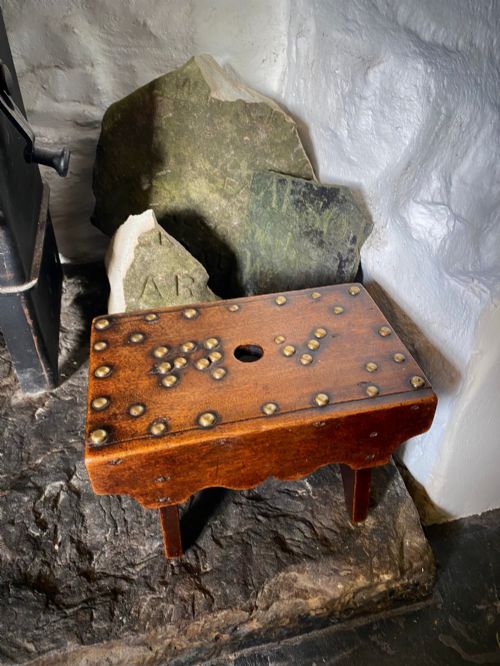
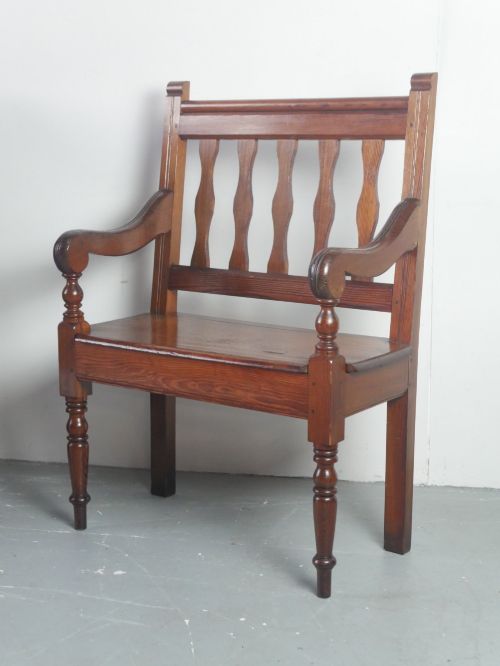
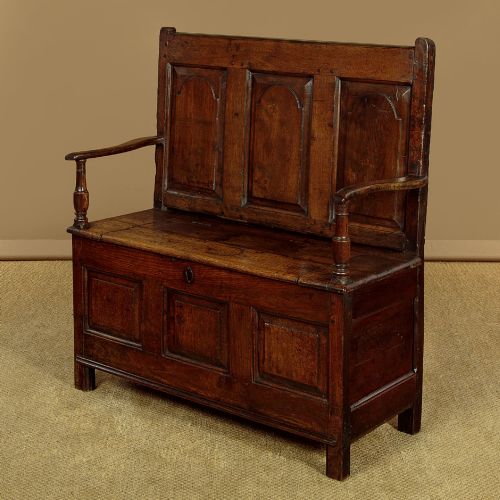
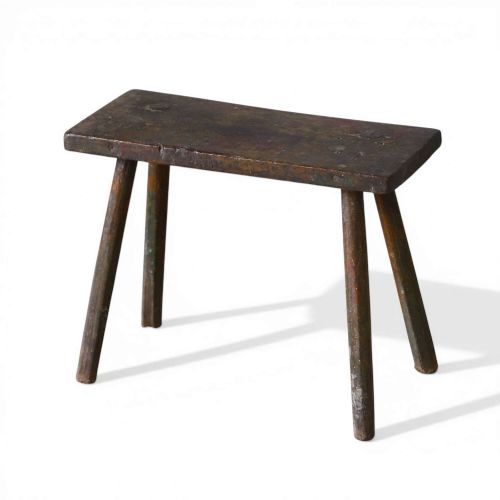
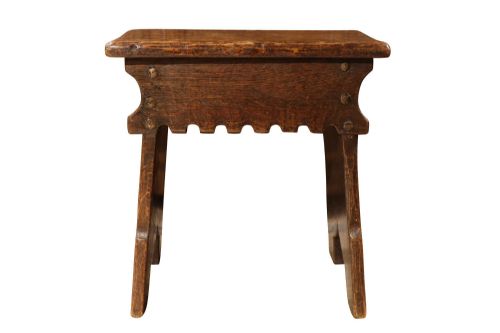
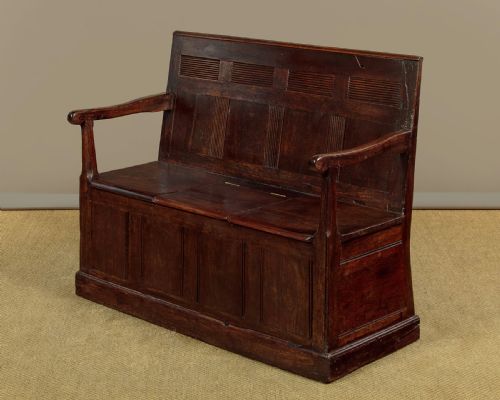
The most common formats you will meet on this page include compact settles with enclosed bases, narrow hall benches, and low wooden stools designed for milking or domestic tasks. These pieces reflect the straightforward needs of past households rather than grand formal design.
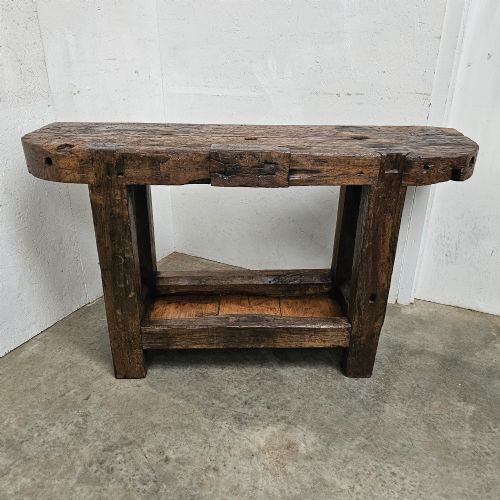
Origins stretch across Britain, France, Sweden, and Eastern Europe, utilising local woods that were readily available to country carpenters and scratch builders. They appear in various regional guises, from Welsh box settles to French primitive workbenches adapted for domestic use.
What varies in quality
The distinction between ordinary utility pieces and exceptional survivals often lies in the integrity of the original surface and timber patination. Retained early paint finishes and untouched structural joinery elevate certain examples above standard workshop output.
Proportion and restraint dictate the visual appeal of these compact items, where awkward alterations diminish the integrity of the piece. A balanced silhouette and honest vernacular construction distinguish superior regional examples from later imitations.
Small Country Bench Retail Price Guide 2026
Typical asking prices for small country bench among the pieces listed under this phrase on Sellingantiques today, from the lower quarter to the upper quarter. They describe what is for sale here now, not the wider market.
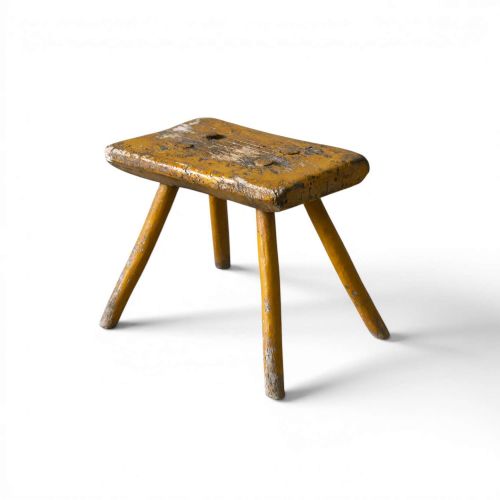
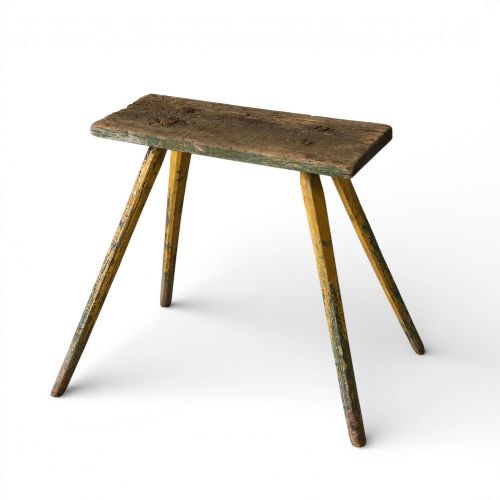
Several small stools in the collection retain their original ochre and green paint, having spent centuries quietly supporting milkmaids and agricultural workers.
The Small Country Bench Glossary
- Settle
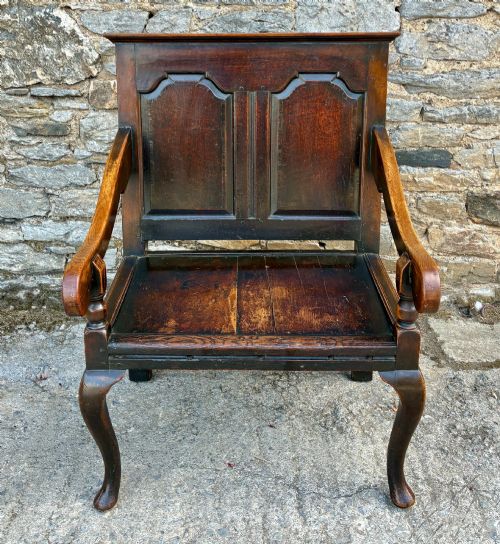
- A wooden bench with a high back, solid arms, and often an enclosed box base designed to keep out draughts. These provide compact seating for chimney corners in traditional rural homes.
- Milking stool
- A small, low three- or four-legged stool traditionally used by agricultural workers for milking livestock. They feature simple wooden seats and splayed legs for stability on uneven ground.
- Vernacular
- Architecture or furniture built by local craftsmen using traditional regional methods and materials, rather than following formal architectural styles. These pieces prioritize practical function over academic design.
- Pegged construction
- A traditional method of joining timber sections using wooden dowels rather than metal nails or screws. This allows the wood to expand and contract naturally with seasonal humidity changes.
- Five-plank stool
- An early form of seating constructed from five individual boards joined together at right angles. This rigid box-like structure represents some of the earliest surviving domestic furniture forms.
Small Country Bench: Frequently Asked Questions
What is a small country bench used for?
These compact benches serve as practical seating in narrow hallways, boot rooms, or dining spaces where floor space is limited. Their modest proportions make them adaptable for modern interiors while maintaining a distinct historical presence.
Historically, they provided functional seating near hearths or doorways in rural cottages. Today, they often function as decorative accent furniture that grounds a room with rustic texture.
How do I date a wooden country bench?
Dating relies on examining the construction methods, tool marks, and timber species visible across the piece. Hand-sawn boards, pegged joints, and historic surface wear all provide clues to the period of manufacture.
Comparing the form to dated examples helps narrow down the era, though vernacular pieces often retained traditional designs long after academic styles changed. Original paint finishes can also indicate the approximate century of use.
Are these benches comfortable to sit on?
Most antique country benches feature hard wooden seats shaped through adzing or simple carving to fit the body. They were designed for utilitarian tasks rather than long lounging sessions.
Adding a small cushion or folded textile makes them more comfortable for daily use in a hallway or kitchen. Their primary appeal lies in their sculptural form and historic character.
How do I care for antique pine furniture?
Keep wooden benches away from direct heat sources and drastic humidity changes to prevent the timber from splitting or warping. Dust gently with a dry cloth and occasionally apply a quality beeswax to nourish the surface.
Avoid harsh chemical cleaners that can strip original patination or historic paint layers. Letting the wood breathe preserves the authentic character accumulated over centuries.