



Small Corner Table
A small corner table turns unused angles into useful surfaces, bringing character to awkward rooms.
Small Corner Table
A small corner table is designed to fit snugly into the meeting point of two walls, making efficient use of compact spaces. These pieces appear in forms such as occasional tables, lamp tables, and specific corner tables tailored for domestic utility.
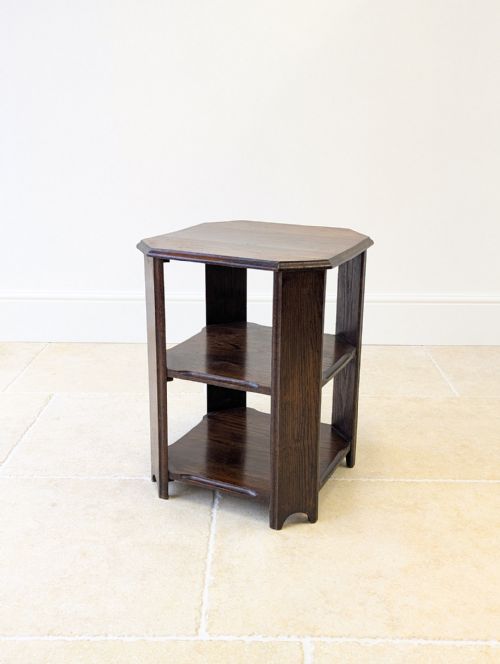
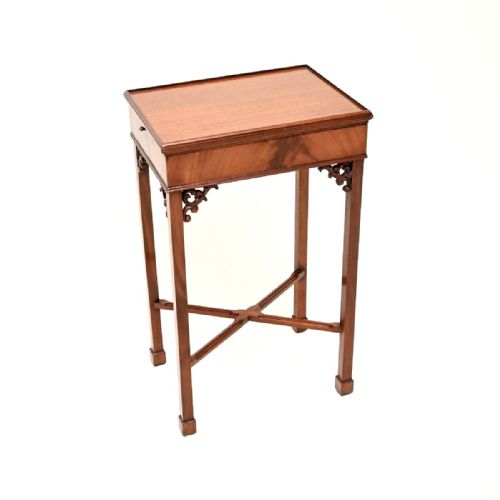
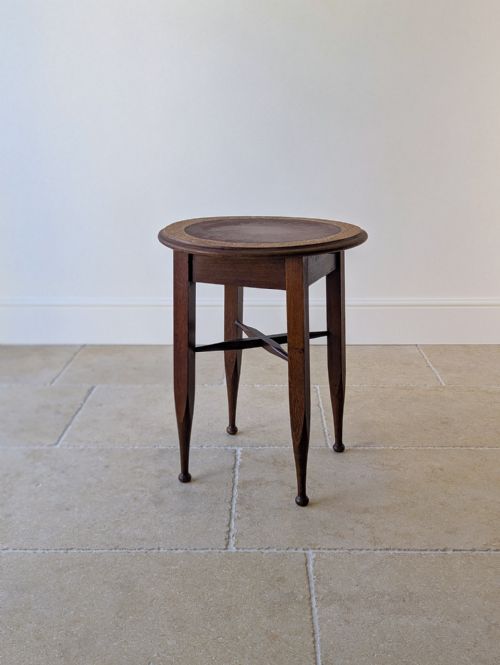
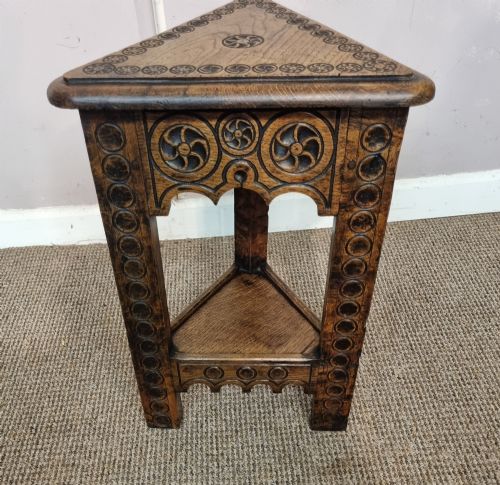
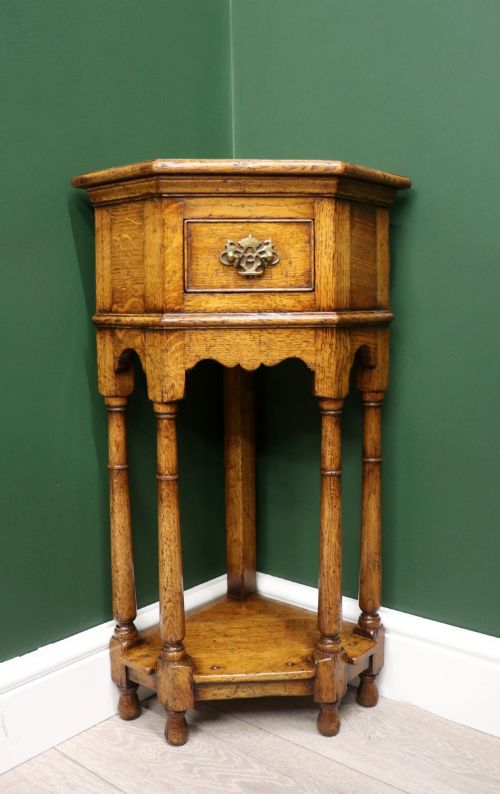
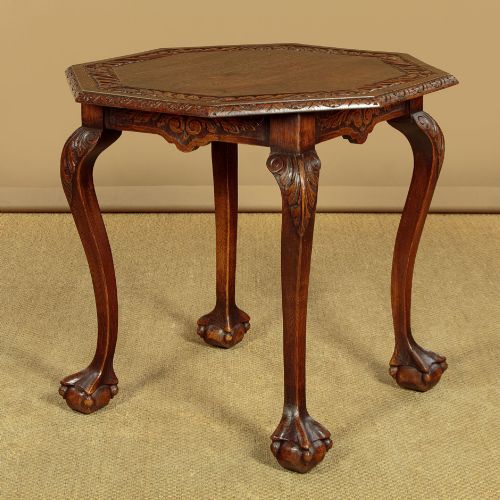
The versions met most frequently on this page span several distinct periods, notably the Georgian era, the Regency period, and the Edwardian years. Makers shaped these items from woods like mahogany, oak, walnut, and beech, frequently incorporating triangular or multi-sided tops to suit their placement.
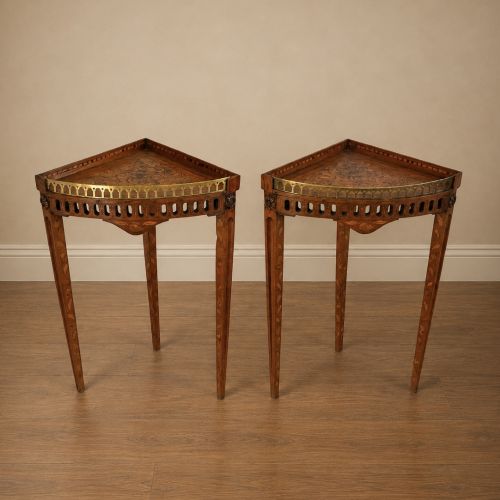
Examples range from utilitarian oak pieces to refined mahogany designs featuring marquetry inlay and brass galleries. This variety ensures that buyers find both simple country furniture and formal city pieces within the selection.
How they were made
Cabinet makers utilised solid timbers and selected veneers, choosing mahogany, oak, and walnut for their durability and grain pattern. Beech often served as a secondary timber for structural framing and turned legs.
Decorative techniques recorded in the evidence include marquetry inlay, brass galleries, and carved details. These methods required precise hand joinery to ensure stable construction, particularly in pieces with triangular or multi-sided tops.
Listings feature pieces from the Georgian, Regency, and Edwardian periods, constructed in mahogany, oak, walnut, and beech.
What varies in quality
Quality rests upon the selection of timber and the crispness of execution in details such as carved ornament and inlay work. Superior pieces display refined proportions and cohesive styling that reflect the prevailing taste of their period.
Finer examples integrate functional brass elements, such as galleries or hardware, that complement the overall design rather than simply serving a basic utility. The integrity of the joints and the choice of secondary woods also distinguish higher grade work from standard commercial output.
The Small Corner Table Glossary
- Marquetry
- Inlaid wood patterns forming decorative pictures or geometric designs. This technique adds visual texture to table tops.
- Brass gallery
- A low pierced metal rail fitted around the edge of a table top. It prevents items from sliding off.
- Occasional table
- A small movable table intended for specific, temporary uses in a room. These versatile items appear frequently in various periods.
- Tripod table
- A small table supported by a pillar above three spreading feet. This form allows for stable placement on uneven floors.
Small Corner Table: Frequently Asked Questions
Where should I place a small corner table?
These tables find a natural home in dead space where standard furniture fails to fit. Placing one in a hallway or a reception room adds a display surface without blocking walkways.
They also serve well beside seating where a larger piece would overwhelm the proportions of the room. The key is matching the scale of the table to the height of adjacent furniture.
How do I identify a Georgian corner table?
Georgian pieces generally display restrained classical proportions and use timbers such as mahogany or oak. Look for hand-cut joinery and traditional construction methods typical of the eighteenth century.
Decoration on these items tends to be purposeful, ranging from simple turned legs to subtle inlay work. Reviewing the timber underside often reveals age-related oxidation and tool marks.
What is an Edwardian occasional table?
Edwardian occasional tables date from the early twentieth century and often show revival styles like Sheraton or Arts and Crafts. These pieces utilise lighter woods and frequently feature multi-sided tops or inlaid details.
They were built for comfort and convenience in stylish Edwardian homes. Their lighter construction separates them from heavier Victorian and Georgian precedents.
Are these tables suitable for daily use?
Solid construction and durable timbers allow these tables to withstand regular daily placement of lamps or decorative objects. Oak and mahogany examples handle everyday domestic environments with ease.
Routine care involves dusting with a dry cloth and avoiding excessive moisture. Their compact size makes them adaptable as household needs change over time.