


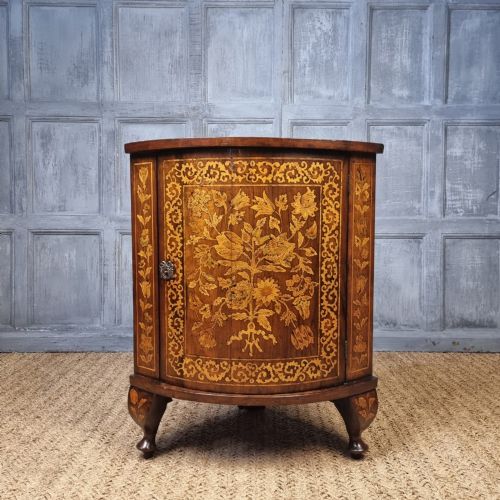


Small Corner Cabinet
When choosing a small corner cabinet, you select a compact piece designed to utilise overlooked room angles while displaying or storing domestic wares.
Small Corner Cabinet
A small corner cabinet is a fitted or hanging storage unit designed specifically to occupy the junction of two walls, making economical use of tight spaces in period homes.
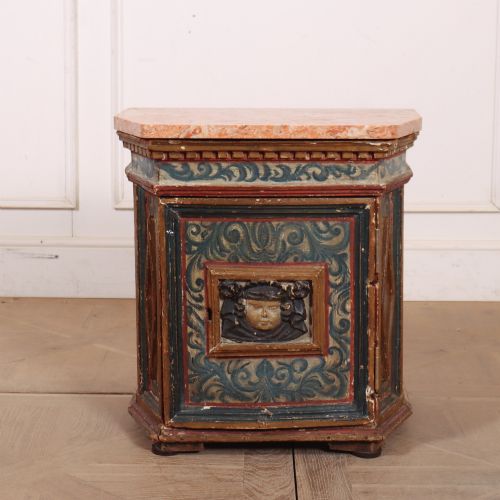
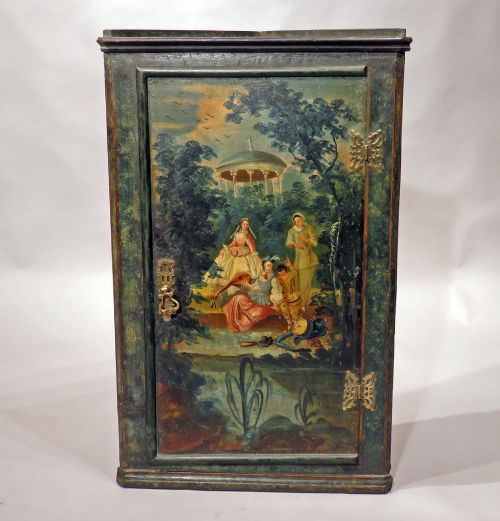
The selections span multiple periods from the eighteenth century through the Edwardian era, with Georgian and Victorian examples appearing frequently in both timber and painted finishes.
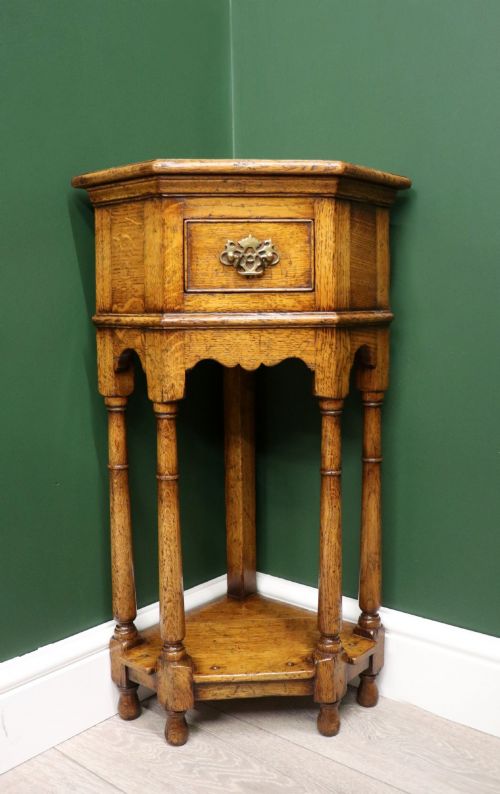
Buyers encounter hanging wall cupboards, floor standing units, and glazed display variations, constructed primarily to house tableware, books, or curiosities.
How They Were Made
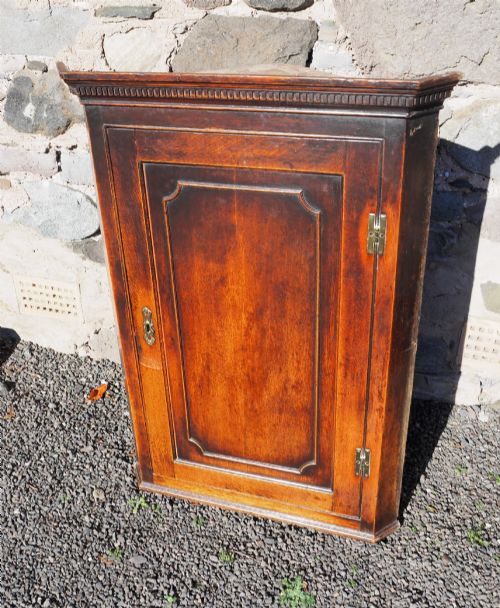
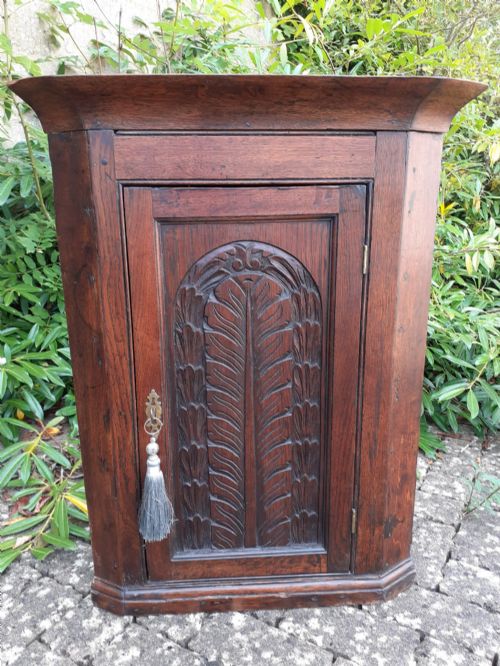
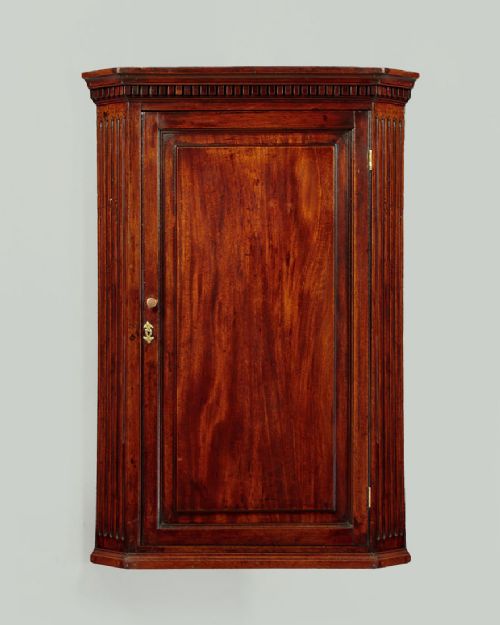
Cabinet makers utilised native and imported hardwoods including oak, mahogany, and walnut, often pairing sturdy structural carcases with finer veneers or pine secondary woods.
Construction techniques involve traditional jointing, with panelled doors, brass hinges, and occasionally glazed fronts or tambour shutters built to withstand daily domestic use.
Small Corner Cabinet Retail Price Guide 2026
Typical asking prices for small corner cabinet among the pieces listed under this phrase on Sellingantiques today, from the lower quarter to the upper quarter. They describe what is for sale here now, not the wider market.
A faux tortoiseshell finish turns a simple corner into an exotic visual surprise.
What Varies in Quality
The standard of timber selection and complexity of surface ornamentation, such as marquetry, inlay, or carved detailing, distinguishes standard utility cupboards from finer reception room pieces.
Original hardware, intact glass panes, and well-preserved interior paintwork or shelving contribute significantly to the integrity and historical value of individual examples.
The Small Corner Cabinet Glossary
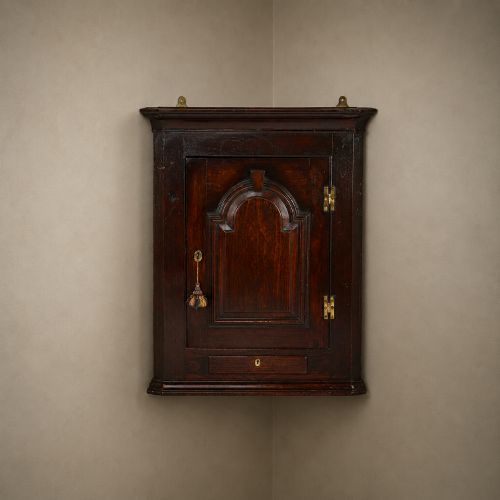
- Hanging corner cupboard
- A wall-mounted storage unit furnished with mounting brackets or strap hinges to secure it safely into a room angle.
- Bow front
- A convex curved door or cabinet front that projects outward from the corner angles, popular during the Georgian period.
- Tambour
- A flexible sliding shutter formed from narrow vertical strips of wood glued to a canvas backing, running in a recessed track.
- Marquetry
- Decorative patterns created by fitting thin pieces of veneer into a wooden background to form pictorial or geometric designs.
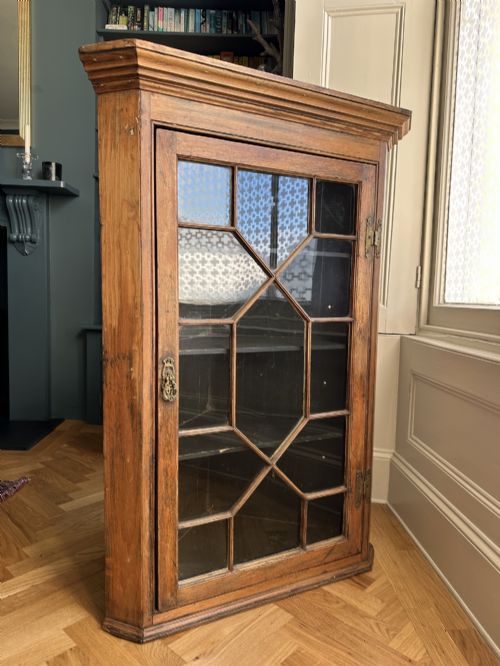
- Glazed door
- A frame fitted with glass panes to allow the contents of the cabinet to be viewed while protected from dust.
Small Corner Cabinet: Frequently Asked Questions
Where should I hang a corner cabinet?
These pieces suit dining rooms, kitchens, or hallways where wall space near an internal or external corner remains otherwise empty. Their compact footprint brings unused angles into service without crowding the floor area.
Ensure the wall construction safely supports the weight of the timber carcase and its contents before fixing brackets or hanging plates.
How do I date a corner cabinet?
Examining the timber species, secondary woods, and construction methods offers clear clues to the era of manufacture. Georgian pieces often display distinct cockbeading and hand-cut dovetails, while Edwardian versions frequently incorporate machine-sawn elements or factory-applied inlay.
Hardware such as brass hinges, escutcheons, and locks also helps establish whether a piece belongs to the eighteenth century or a later revival period.
Were these used in kitchens?
Many provincial oak and pine examples served utilitarian roles in kitchens or pantries to hold dry goods, spices, or everyday crockery. Painted interiors and simple panelled doors were standard for these hardworking domestic cupboards.
Finer mahogany and walnut variations with glass panels were instead destined for parlours or drawing rooms to showcase prized porcelain.
What is the difference between wall and floor standing models?
Wall-mounted cabinets fix directly to the masonry or studwork at eye level, leaving the floor entirely clear beneath them. Floor standing versions possess a base or plinth that rests on the ground, offering greater internal capacity and sometimes drawers beneath the main cupboard door.
Both configurations follow the same triangular plan to fit snugly into room corners.