





Small Chinese Cabinets
Small Chinese cabinets bring distinct timber grain and vibrant painted finishes into a room, offering practical storage with genuine character.
Small Chinese Cabinets
Small Chinese cabinets encompass a range of compact storage forms, from tabletop apothecary chests and collectors boxes to low side cupboards and sideboards. These pieces provide enclosed space and surface display through traditional proportions suited to modest rooms.
The versions most commonly met on this page span the nineteenth century and the early twentieth century, taking the form of side cupboards, floor cabinets, and small dressers. Many display provincial utilitarian roots alongside decorative surfaces influenced by trade and regional workshops.
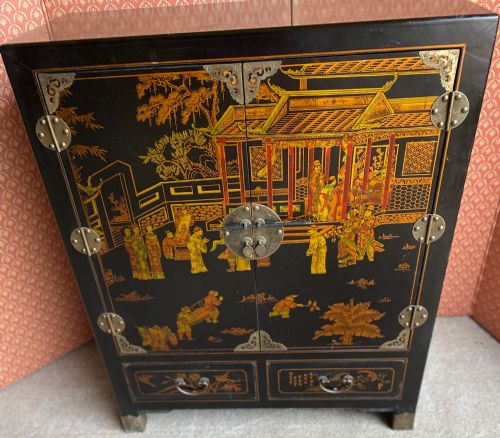
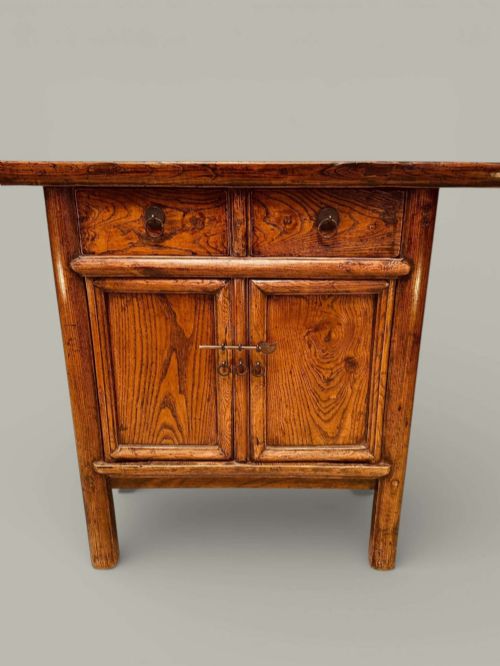
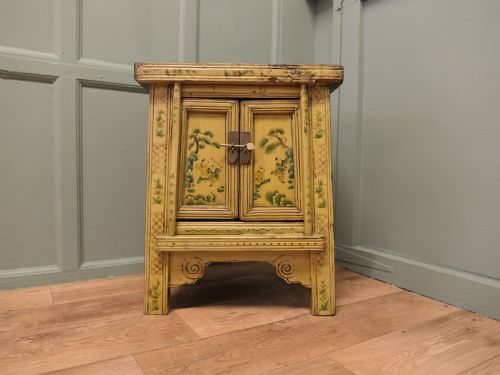
Styles range from austere Qing Dynasty and Chinese provincial designs to Chinoiserie and Chinese Republic Period ornamentation. Buyers encounter pieces finished in plain elm or rosewood as well as brightly painted and lacquered timber.
How they were made
Construction relies upon native timbers such as elm and dense rosewood, selected for structural stability and varied grain pattern. Joinery techniques allow the wood to move naturally with changes in humidity without splitting.
Metal hardware in brass and iron provides structural reinforcement and fastening for doors and drawers. Surface decoration involves painted pigments and lacquered timber finishes applied over prepared wooden bases.
Small Chinese Cabinets Retail Price Guide 2026
Typical asking prices for small chinese cabinets among the pieces listed under this phrase on Sellingantiques today, from the lower quarter to the upper quarter. They describe what is for sale here now, not the wider market.
Apothecary chests come with dozens of tiny drawers, perfect for losing your paperclips in historical luxury.
What varies in quality
The standard of timber selection and the crispness of the joinery set finer examples apart from simpler utilitarian boxes. Dense hardwoods like rosewood and well-figured elm display deeper visual resonance than softer painted pine or basic timbers.
The preservation of original painted or lacquered surfaces dictates the visual success of decorated pieces. Surviving pigment with authentic patination carries far more integrity than heavy later repainting.
The Small Chinese Cabinets Glossary
- Chinoiserie
- European decorative style reflecting Chinese artistic motifs. This aesthetic appears on numerous painted cabinets from the nineteenth and twentieth centuries.
- Apothecary chest
- Multi-drawer cabinet originally used for storing dried herbs and medicines. These pieces feature numerous small compartments.
- Elm
- Tough hardwood native to China utilised extensively for provincial furniture. It shows a distinctive fibrous grain.
- Qing Dynasty
- The final imperial dynasty of China lasting until nineteen twelve. Pieces from this era often feature traditional joinery and forms.
Small Chinese Cabinets: Frequently Asked Questions
What were small Chinese cabinets used for?
These compact pieces served diverse household storage needs, from organising documents and medicines to securing small valuables.
Tabletop chests and apothecary drawers held precious goods, while low side cupboards kept daily items out of sight in living spaces.
How do I date a Chinese cabinet?
Dating relies upon examining the timber preparation, tool marks, and the ageing of the lacquer or paint surface.
Nineteenth-century examples typically show hand-worked joinery and worn patination, whereas pieces from the nineteen twenties and thirties often reflect Republic Period or Chinoiserie decorative trends.
Are these cabinets made of solid wood?
Most traditional pieces utilise solid timber construction throughout the frame, panels, and drawer linings.
Common materials include native elm and dense rosewood, which provide the structural rigidity necessary for heavy daily use.
How do I style a small Chinese cabinet at home?
Their compact scale allows these cabinets to function as bedside tables, hallway surfaces, or living room accent pieces.
Placed beside modern seating or against plain walls, their rich timber grain or painted Chinoiserie finish creates an immediate focal point.