


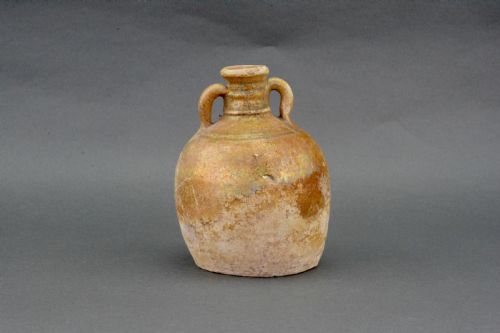
Small Ceramic Vessel
These small ceramic vessel examples span centuries of global artistry, offering tactile history and refined decorative presence for any cabinet.
Small Ceramic Vessel
A small ceramic vessel encompasses a diverse range of historic pots, jars, and vases originating from European, Asian, and ancient Mediterranean workshops. When exploring a small ceramic vessel on this page, you encounter pieces spanning from pre-sixteenth century antiquities to early twentieth century productions.
The selection frequently highlights compact forms such as bud vases, ginger jars, and small jugs designed for decorative or domestic utility. Distinct regional aesthetics shape these items, including Japanese Imari patterns, Chinese blue and white porcelain, and Victorian art pottery.
Earlier examples include ancient Greek antiquities and Roman flasks alongside German stoneware, demonstrating a wide geographical distribution. Each piece offers a tangible link to historical ceramic traditions without taking up excessive display space.
Materials and construction
Makers utilised fundamental earthen materials such as clay, terracotta, earthenware, stoneware, and porcelain to form the bodies of these pieces. Hand painting frequently applied surface decoration, occasionally enhanced with enamel and gold leaf accents.
Specialised firing techniques and vitreous glaze applications defined the surface texture and colour of the finished wares. Artisans shaped these vessels by hand or on the wheel before subjecting them to high kiln temperatures to achieve durability.
Small Ceramic Vessel Retail Price Guide 2026
Typical asking prices for small ceramic vessel among the pieces listed under this phrase on Sellingantiques today, from the lower quarter to the upper quarter. They describe what is for sale here now, not the wider market.
Listings feature periods ranging from pre-sixteenth century antiquities to the early twentieth century, utilising porcelain, stoneware, earthenware, and terracotta.
Assessing craftsmanship and execution
Quality in these pieces rests upon the precision of the hand painting, the control of the glaze during firing, and the refinement of the clay body. Finer examples display crisp detail in multi-coloured motifs such as traditional Imari patterns or meticulous hand-painted Kutani scenes.
The historical significance and provenance of older items, such as early Roman flasks or Siegburg stoneware jugs, further separate standard utilitarian production from exceptional collector pieces.
Royal Crown Derby·Doulton Lambeth
The Small Ceramic Vessel Glossary
- Imari
- A style of Japanese porcelain featuring distinctive blue, iron-red, and gold decoration. This aesthetic became highly popular in European markets during the nineteenth and early twentieth centuries.
- Stoneware
- A robust ceramic category fired at high temperatures until vitrified. This process renders the material impermeable to liquids without requiring a lead glaze.
- Terracotta
- A porous, brownish-red earthenware material fired at lower temperatures. It serves widely in ancient and classical Mediterranean vessel production.
- Porcelain
- A fine, hard white ceramic material made from kaolin and petuntse. It rings when struck and allows for delicate, thin-walled vessel construction.
- Glaze
- A glassy coating fused to the ceramic body through kiln firing. It provides decoration, waterproof qualities, and a smooth surface texture.
Small Ceramic Vessel: Frequently Asked Questions
How old are these pieces?
The dates span from pre-sixteenth century antiquities and late Roman flasks up to early twentieth-century Edwardian and Meiji period items.
Specific listings provide era markers such as the nineteenth century or the year nineteen hundred to help date individual pieces.
What materials were used?
Makers relied on clay, terracotta, earthenware, stoneware, and porcelain to construct the body of each vessel.
Surface enrichment often involved glazes, hand painting, enamel, and gold leaf applications.
Where do these pieces originate?
Origin points include Japan, China, Germany, and early Greece and Rome.
Styles reflect these diverse geographical roots, ranging from Chinese provincial jars to Japanese Imari and Victorian art pottery.
How should I display them?
Due to their modest scale, these vessels fit comfortably inside display cabinets, on mantelpieces, or on dedicated shelves.
Grouping items by period or origin highlights their shared stylistic traits and material qualities.