




Small Ceramic Vase
A small ceramic vase brings concentrated colour and pattern to a mantelpiece, often displaying the refined brushwork of major potteries.
Small Ceramic Vase
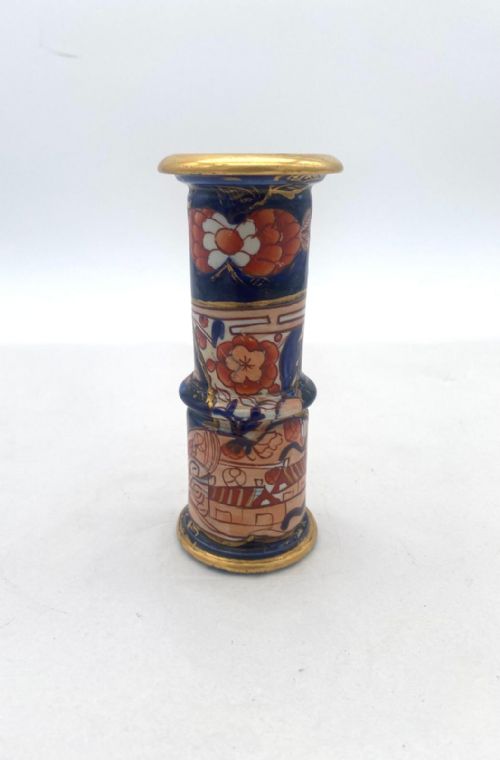
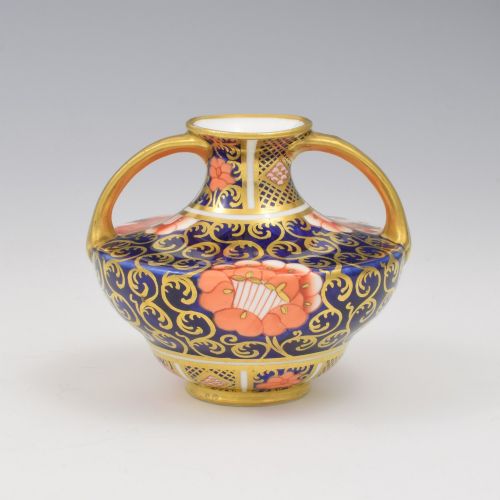
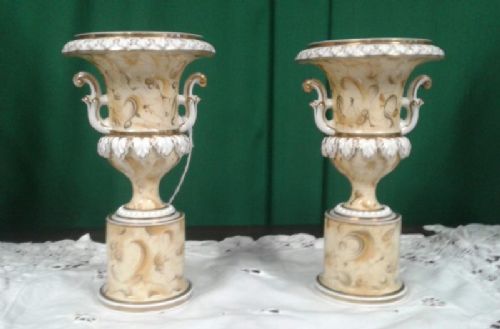
A small ceramic vase appears in various historical forms across this collection, ranging from nineteenth-century Victorian pieces to twentieth-century Moorcroft and Royal Worcester examples. Buyers encounter cabinet vases, miniature bud vases, and twin-handled shapes designed for single stems or decorative display.
The origins span English earthenware and porcelain factories alongside Japanese Satsuma and Imari imports from the Meiji period. Makers such as Doulton Lambeth, Mason's, and Royal Crown Derby dominate the domestic offerings on this page.
Vessels take the form of campana urns, posy vases, spill vases, and decorative jars. Many retain hand-painted floral motifs, birds, or traditional Japanese patterning executed with great precision.
Evaluating quality
Quality rests upon the crispness of the moulding and the control evident in the hand-painted details. Pieces decorated by named artists or produced by distinguished potteries demonstrate superior artistic ambition and technical execution.
The preservation of delicate surface decoration, including gilding and enamel work, marks the distinction between standard commercial output and exceptional studio pieces. Potteries utilising complex lustre glazes or intricate tube-lining techniques achieve a depth of finish that defines the higher tier of these objects.
Small Ceramic Vase Retail Price Guide 2026
Typical asking prices for small ceramic vase among the pieces listed under this phrase on Sellingantiques today, from the lower quarter to the upper quarter. They describe what is for sale here now, not the wider market.
Several pieces preserve exact calendar dates from the mid-nineteenth century pressed directly into the ceramic body.
The Small Ceramic Vase Glossary
- Campana
- A bell-shaped urn or vessel with a flared rim and footed base, frequently produced in pairs during the nineteenth century.
- Imari
- A traditional Japanese style of ceramic decoration characterised by a palette of underglaze blue, iron red, and gilt highlights.
- Ironstone
- A dense, durable type of earthenware patented by Charles Mason, offering strength similar to porcelain while remaining economical to produce.
- Lustre
- A metallic ceramic glaze that produces an iridescent sheen when fired in a reduced oxygen environment.
- Tube-lining
- A decorative technique where lines of clay slip are squeezed from a bulb onto the ceramic body to create raised outlines for enamel colours.
Small Ceramic Vase: Frequently Asked Questions
How are small ceramic vases best displayed?
Place them on side tables, cabinets, or mantelpieces where their detailed hand-painted decoration can be appreciated close up. Grouping pairs or matching trios creates a balanced focal point in a room.
Avoid placing delicate earthenware or porcelain in direct, harsh sunlight to protect the surface enamels and gilt highlights from fading over time.
Can these small vases hold water?
Many historical ceramic and porcelain vases function perfectly well with water for fresh stems. However, some early earthenware or porous pieces may seep moisture if unglazed on the interior.
Check the interior glaze condition before use, or utilise small floral frogs and dry stems to preserve delicate antique interiors safely.
How do I identify the maker of a vase?
Inspect the base for factory stamps, impressed registration marks, or painted monograms left by the pottery. Many prominent makers included specific pattern numbers or artist signatures near the footrim.
Matching these marks against historical pottery records reveals the exact manufacturing period and sometimes the individual artist responsible for the decoration.
What is the difference between porcelain and earthenware?
Porcelain is fired at much higher temperatures, resulting in a vitreous, non-porous body that often appears translucent when held to the light. Earthenware is more opaque, softer, and requires a glaze to render it completely waterproof.
Victorian and Edwardian manufacturers utilised both mediums, with porcelain generally reserved for finer cabinet pieces and earthenware for robust decorative wares.