

Small Brown Table
A small brown table delivers compact surface space and centuries of timber craftsmanship in one versatile piece.
Small Brown Table
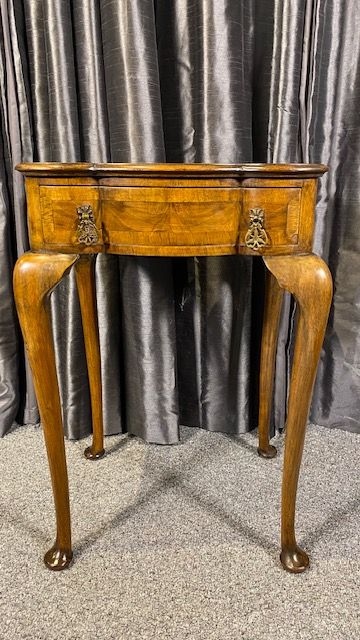
A small brown table serves diverse domestic functions, appearing across periods from the eighteenth century through the twentieth as side tables, occasional tables, bedside cabinets, and wine tables. These pieces are designed for mobility and utility in domestic interiors, offering convenient surfaces beside seating or beds.
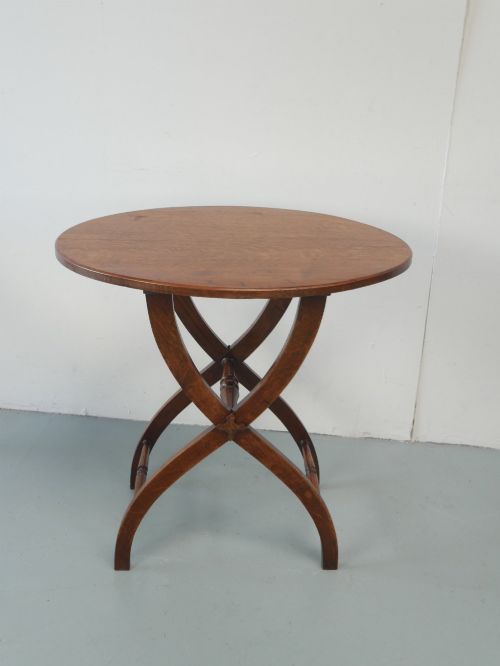
The materials span oak, mahogany, walnut, and yew, reflecting the prevalent cabinet timbers of the Georgian, Victorian, Edwardian, and later twentieth-century eras. Oak and mahogany examples dominate the selection, often displaying the characteristic warm brown tones that define traditional British furniture.
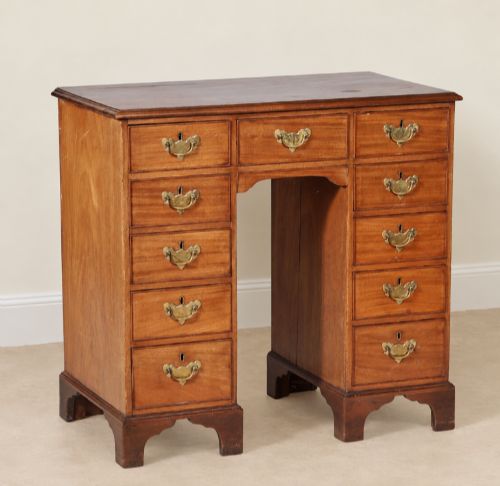
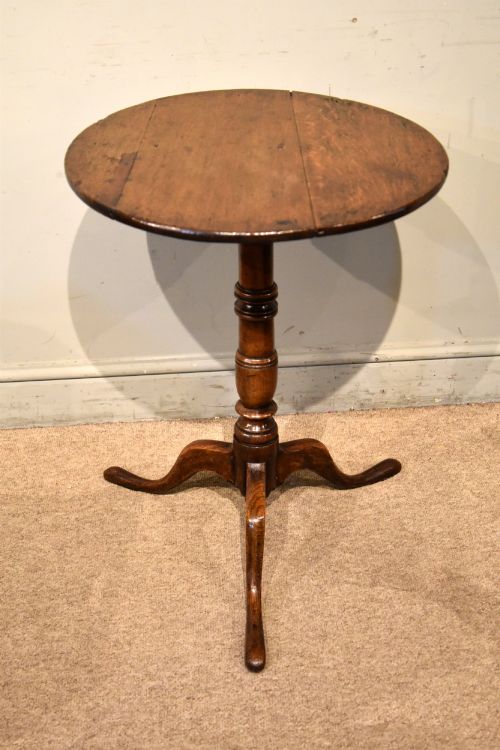
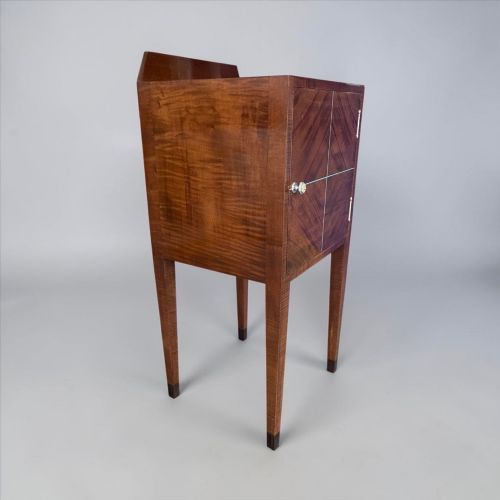
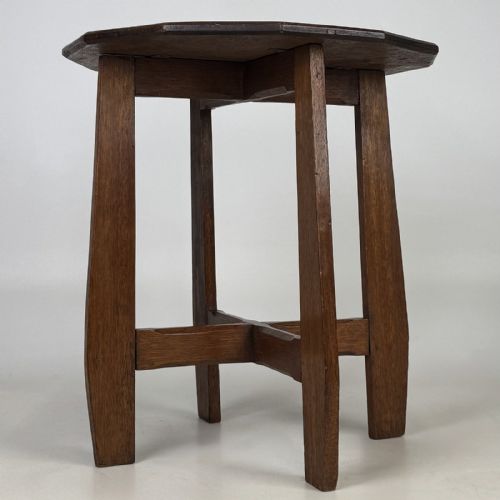
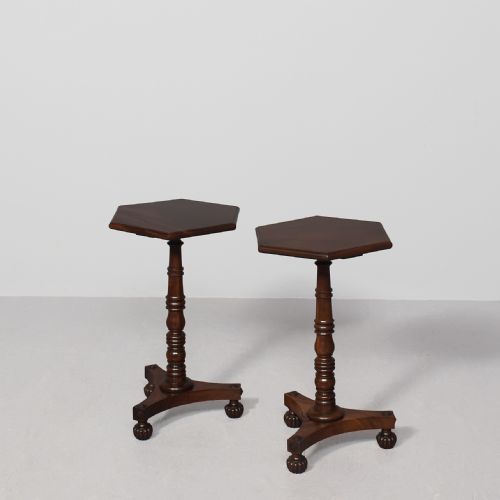
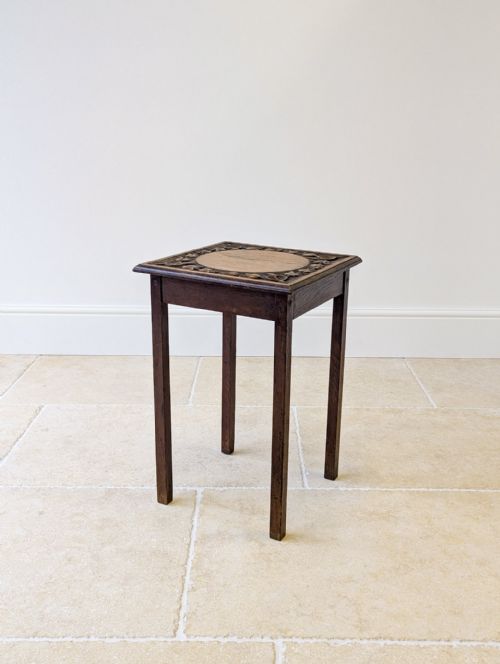
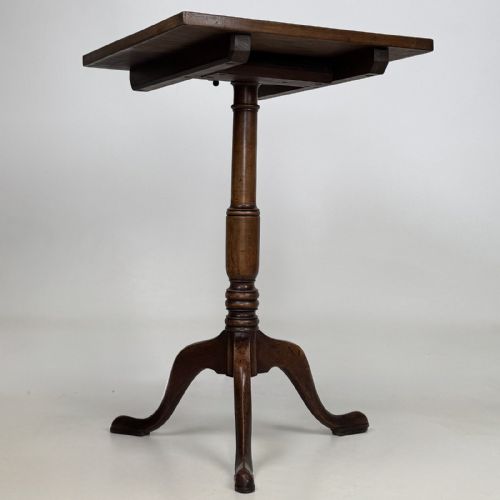
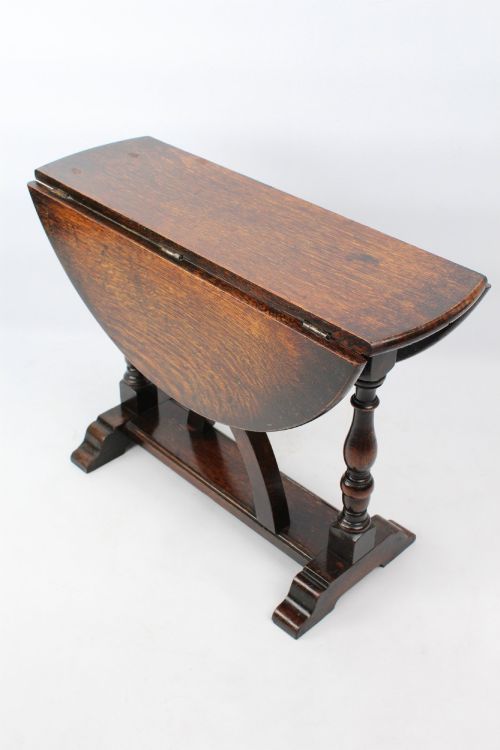
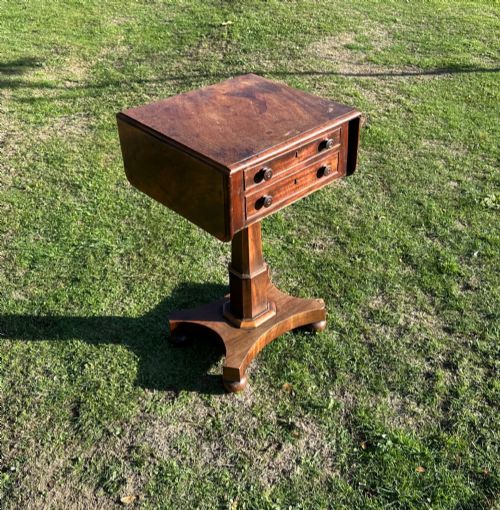
Forms range from simple tripod wine tables and octagonal side tables to drop-leaf sutherland tables and fitted bedside chests with drawers. Buyers encounter pieces styled in plain vernacular designs alongside more formal Georgian revival and carved Arts and Crafts interpretations.
How they were made
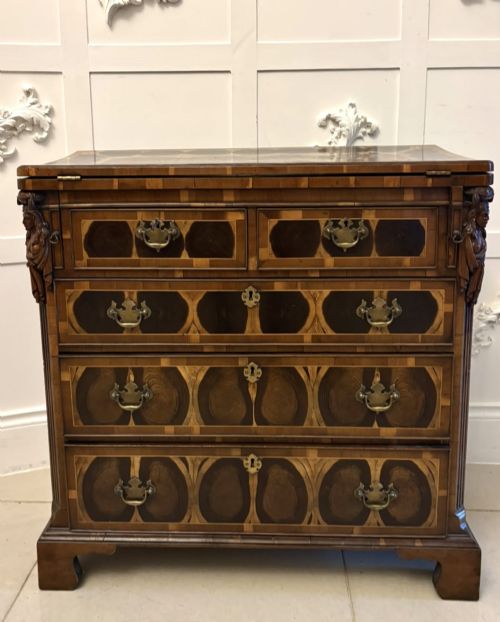
Cabinet makers utilised solid hardwoods such as oak, mahogany, walnut, and beech, frequently selecting figured timbers for table tops to highlight natural grain patterns. Marquetry, wood inlay, and satinwood detailing appear on finer examples from the Edwardian and Victorian periods.
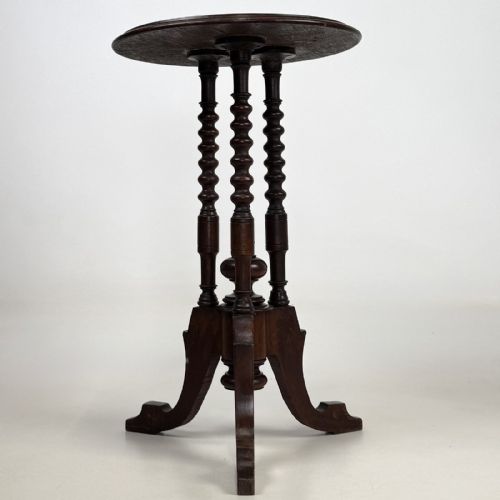
Construction techniques combine traditional joinery with turned supports, tripod bases, and occasional marble insertions on nineteenth-century console tables. Drop-leaf mechanisms, tilt-top actions, and fitted drawers demonstrate the practical ingenuity applied to compact furniture forms.
Small Brown Table Retail Price Guide 2026
Typical asking prices for small brown table among the pieces listed under this phrase on Sellingantiques today, from the lower quarter to the upper quarter. They describe what is for sale here now, not the wider market.
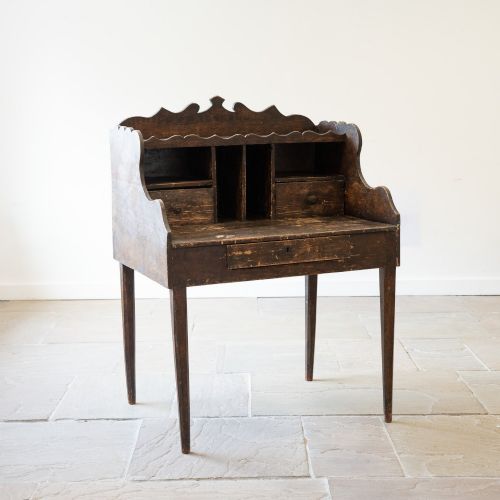
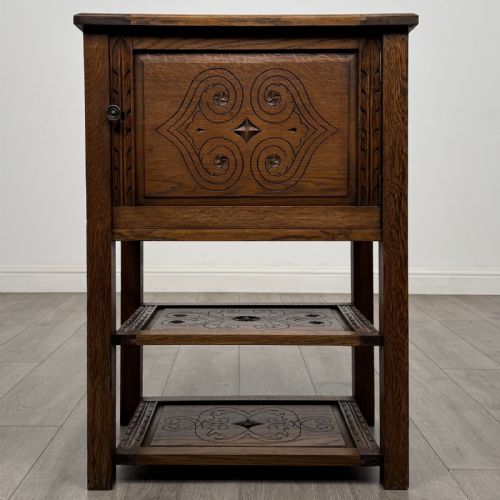
Many pieces conceal surprises, from hidden drawers and magazine racks to revolving bookcases designed for midnight readers.
What varies in quality
The distinction between standard utility items and finer pieces lies in the selection of timber and the crispness of carved or inlaid details. Figured walnut, flame mahogany, and well-matched yew wood elevate a simple occasional table into a superior example of cabinet-making.
Structural integrity and the retention of original brass hardware, turning, and drawer linings distinguish better-preserved specimens. Pieces that maintain their original polished surfaces without excessive intervention exhibit greater integrity.
The Small Brown Table Glossary
- Tripod table
- A small circular table supported by a central pillar above three spreading legs. These tables gained popularity during the Georgian period for tea or wine service.
- Drop-leaf table
- A table featuring hinged flaps that fold down on either side to reduce its footprint. This clever design allows the piece to expand when needed and tuck away tightly against a wall.
- Marquetry
- Decorative patterns formed by fitting together thin slices of various coloured woods into a veneer. This technique adorned the surfaces of Victorian and Edwardian occasional furniture.
- Occasional table
- A light, movable small table designed for intermittent use around a room. They appear in numerous forms throughout the nineteenth and twentieth centuries.
- Gallery
- A raised wooden or brass rim fitted around the edge of a table top to prevent items from rolling off. This practical feature often appears on wine and lamp tables.
Small Brown Table: Frequently Asked Questions
What is a small brown table used for?
These compact tables serve multiple domestic purposes, acting as bedside surfaces, lamp stands, or wine tables beside seating. Their modest proportions allow them to fit easily into corners or smaller rooms.
Historically, specific forms were designated for tea, sewing, or holding bedside water jugs and candlesticks. Today, they continue to provide convenient surface space while introducing period character to an interior.
How do I identify a Georgian small brown table?
Georgian tables typically feature timbers such as mahogany, oak, or yew, constructed with hand-cut joinery and simple, elegant proportions. Details like tripod cabriole legs or fine urn stands point directly to eighteenth-century craftsmanship.
Examining the underside and drawer construction reveals traditional timber shrinkage and tool marks consistent with the period. The absence of modern mechanical fasteners further confirms an eighteenth or early nineteenth-century origin.
Are Edwardian small brown tables well made?
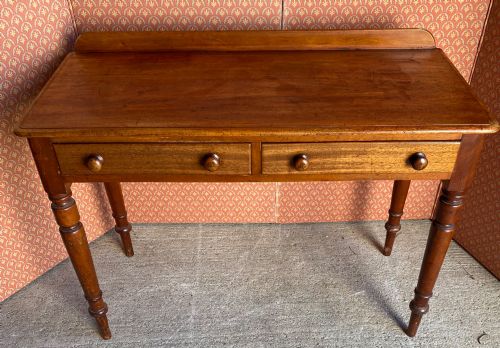
Edwardian cabinet makers produced sturdy occasional and bedside tables utilising mahogany, oak, and figured walnut. Workshops often drew inspiration from earlier Georgian designs while incorporating satinwood inlay and serpentine fronts.
These pieces benefit from mechanised timber preparation combined with skilled hand assembly, resulting in durable domestic furniture. They represent a period of high demand for decorative yet functional household items.
Where should I place a wine table?
A wine table suits placement beside an armchair, sofa, or reading chair to hold a cup, glass, or small lamp. Their compact tripod bases take up minimal floor space in living areas.
Because of their lightweight construction, they move easily around a room as needed. They also function effectively as display stands for small decorative objects or plants.