

Small Brown Desk
A small brown desk delivers compact writing storage in rich hardwoods like mahogany, oak and walnut across Georgian, Victorian and Edwardian periods.
Small Brown Desk
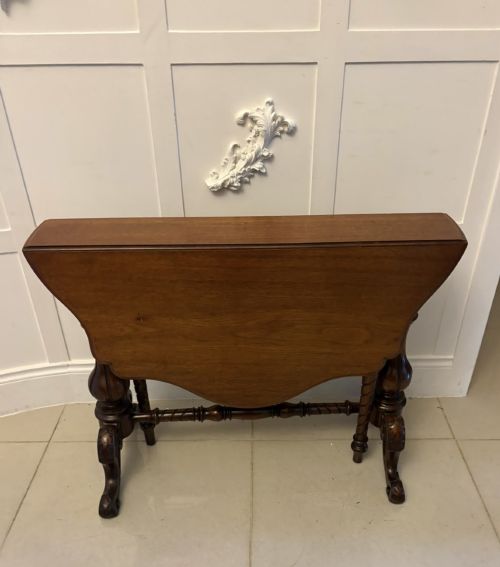
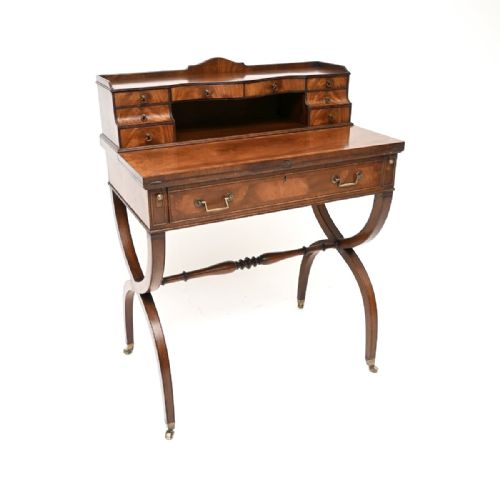
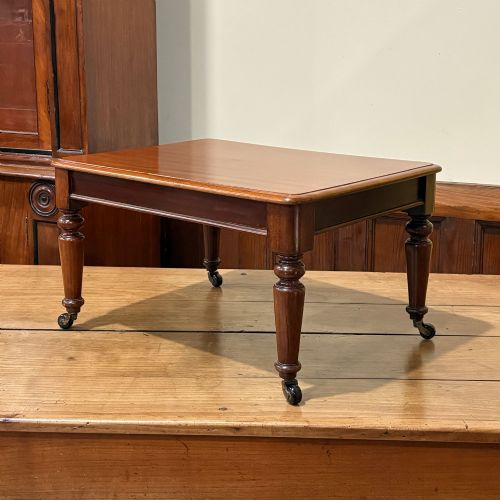
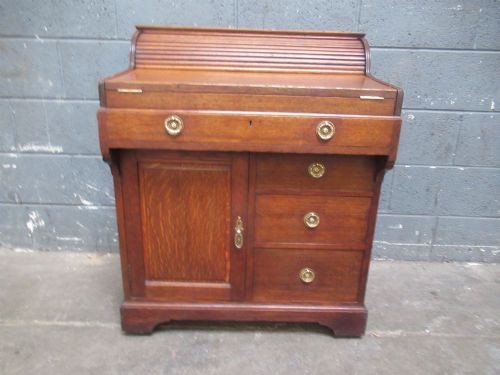
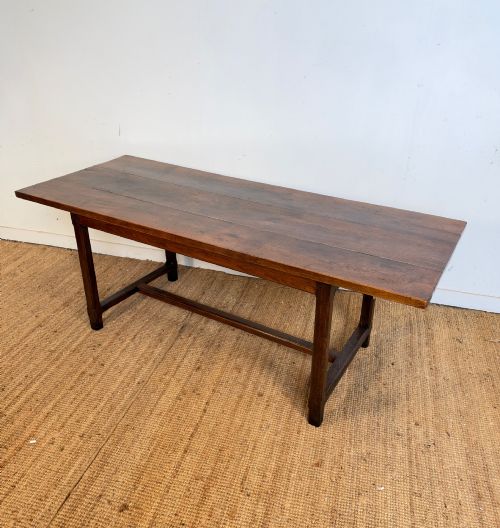
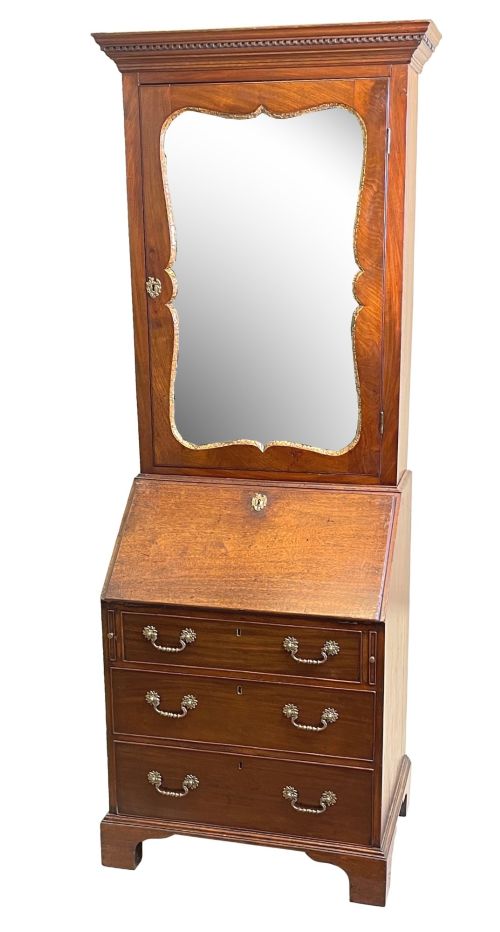
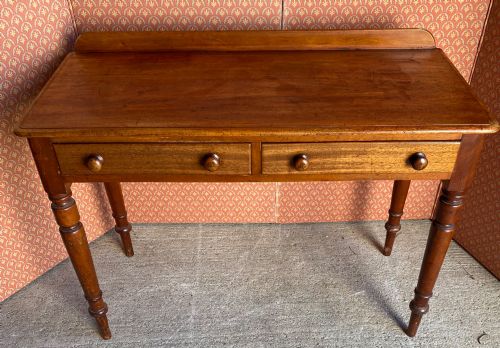
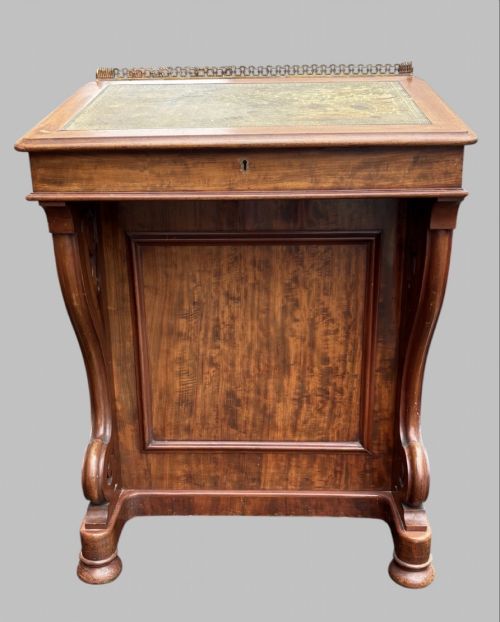
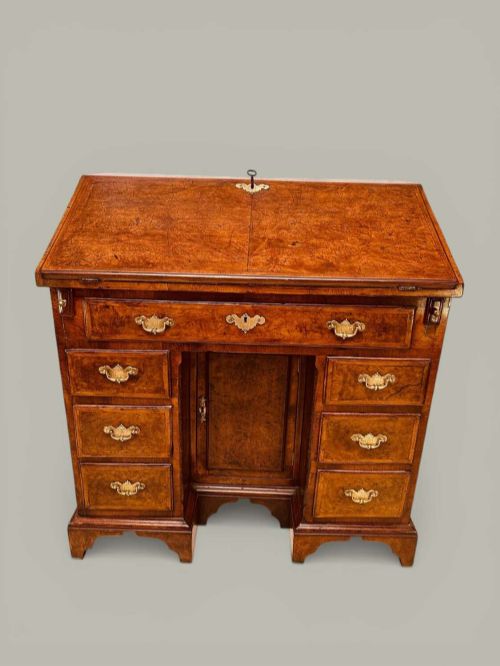
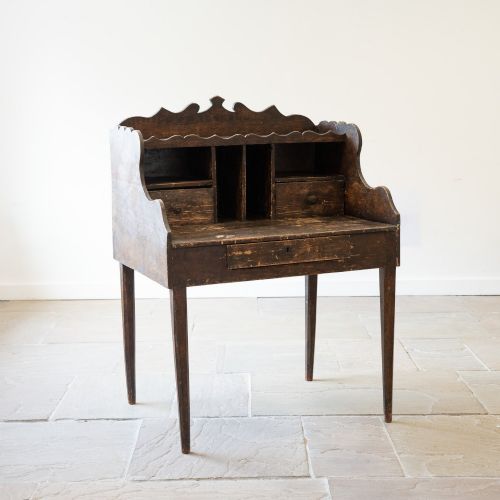
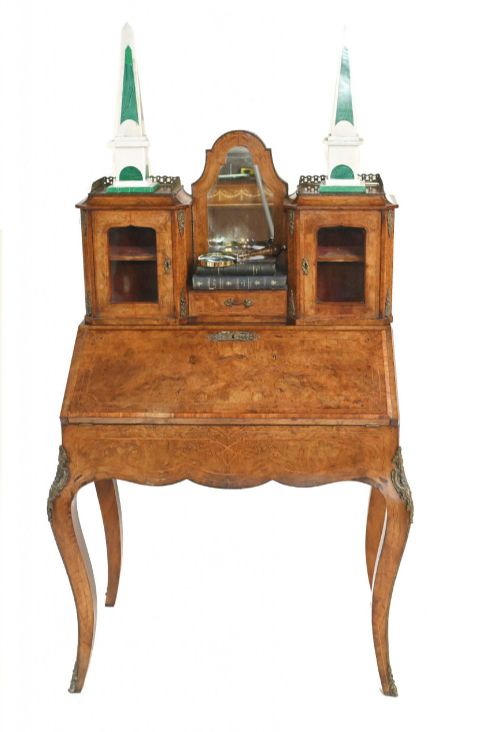
A small brown desk encompasses various compact writing furniture forms, including bureaus, kneehole desks, Davenport desks and writing tables. Buyers seeking this phrase encounter pieces dating from the 17th century through to the Edwardian era and early 20th century.
Mahogany and oak dominate the offerings, often complemented by walnut, burr walnut, satinwood and fruitwood. These woods appear in functional domestic forms designed for writing, document storage and light administrative tasks.
The selection ranges from simple oak bible boxes and side tables with drawers to elaborate Davenport desks with fitted interiors and pedestal desks with multiple drawers.
Materials and construction methods
Cabinetmakers utilised solid hardwoods such as mahogany and oak alongside decorative veneers like burr walnut and satinwood. Construction frequently involved dovetailed drawer boxes, turned legs and panelled carcasses.
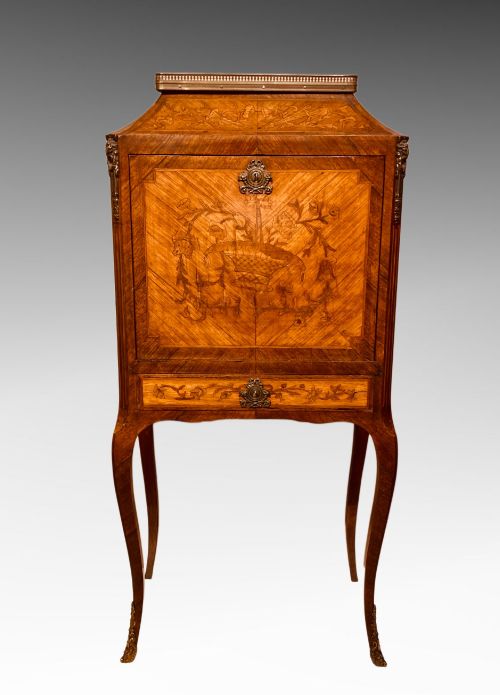
Details such as brass hardware, leather writing surfaces and inlaid stringing appear across Georgian, Victorian and Edwardian pieces. Craftsmanship prioritised durability and organised interior compartments for stationery and documents.
Small Brown Desk Retail Price Guide 2026
Typical asking prices for small brown desk among the pieces listed under this phrase on Sellingantiques today, from the lower quarter to the upper quarter. They describe what is for sale here now, not the wider market.
Listings feature oak, mahogany, walnut and satinwood across Georgian, Victorian and Edwardian periods.
Distinguishing quality factors
The standard of timber selection dictates visual appeal, with figured mahogany, burr walnut and quarter-sawn oak representing superior material choices. Finer examples display meticulous grain matching and subtle inlay work.
Internal execution separates standard production from exceptional pieces. Fitted writing interiors with secret compartments, pigeonholes and quality secondary woods indicate higher workshop standards.
The Small Brown Desk Glossary
- Bureau
- A sloping writing lid enclosing fitted interior drawers and pigeonholes above a chest of drawers.
- Davenport
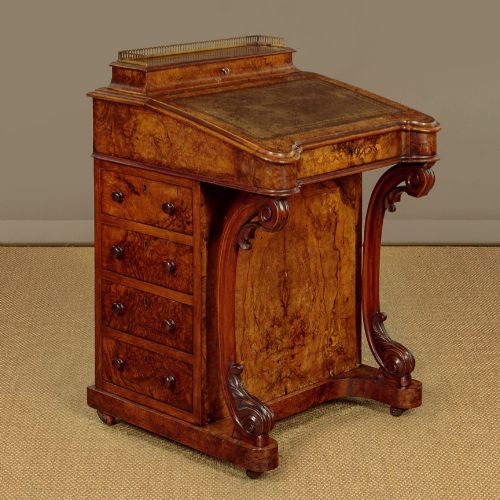
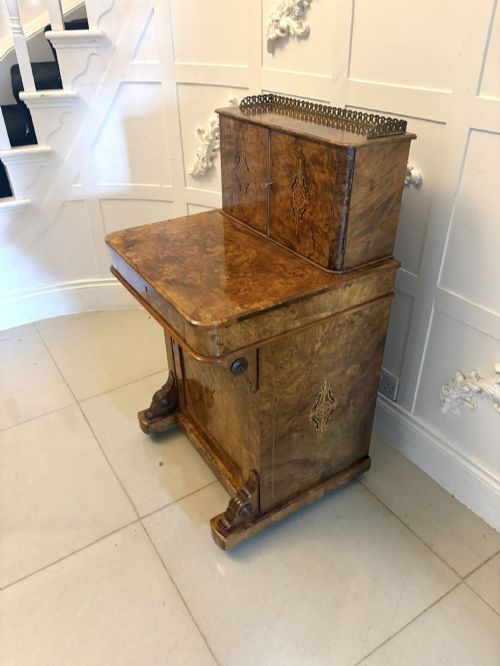
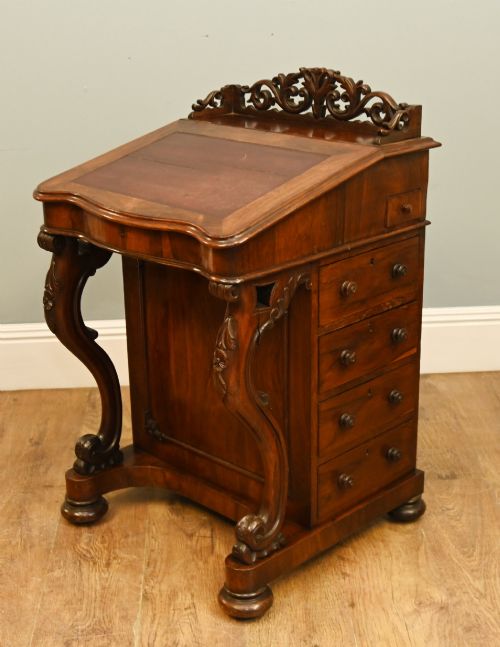
- A compact pedestal desk featuring a sloping top and side drawers, popular during the Victorian period.
- Kneehole desk
- A flat-topped writing table with a recessed central space flanked by pedestals of drawers.
- Lowboy
- A small table with one or more rows of drawers, commonly used as a dressing or writing table in the 18th century.
- Inlay
- A decorative technique where contrasting woods or materials are fitted into the primary wood surface.
Small Brown Desk: Frequently Asked Questions
What is a Davenport desk?
A Davenport desk is a compact form featuring a sloping, leather-lined writing surface above a pedestal of drawers. It gained favour during the Victorian era for domestic studies.
Most examples include side drawers and stationery compartments built into the upper superstructure.
How do I identify a Georgian bureau?
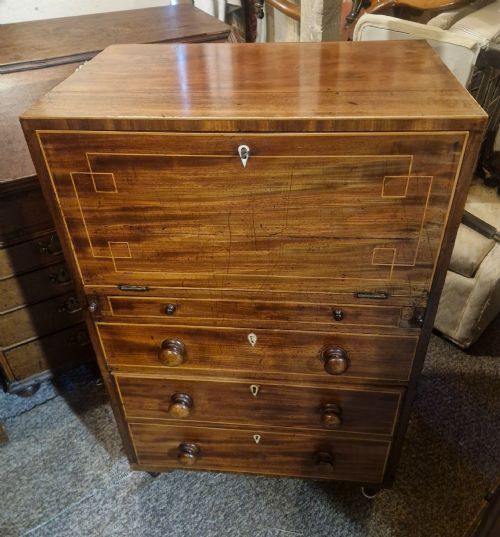
Georgian bureaus typically feature a fall-front writing flap that opens to reveal small drawers and pigeonholes. They rest atop graduated drawer chests.
Construction details include hand-cut dovetails and native hardwoods like mahogany or oak.
Where were kneehole desks used?
Kneehole desks served as compact writing and dressing tables in period homes. Their recessed central section allowed the user to sit comfortably.
Cabinetmakers produced these forms in mahogany and oak during the Georgian and later periods.
What woods were used for antique desks?
Makers relied heavily on mahogany, oak and walnut for structural stability and rich colour. Secondary woods like cedar and pine frequently appear inside drawer linings.
Decorative veneers such as burr walnut and satinwood enhanced formal reception pieces.