
Small Storage Table
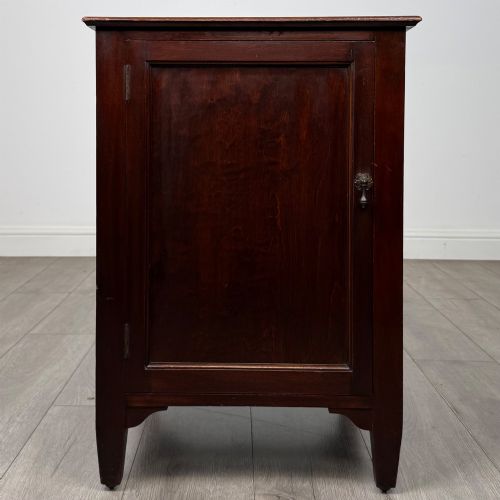
These small antique storage table options offer practical utility wrapped in period charm, making them ideal for compact spaces.
Small Storage Table
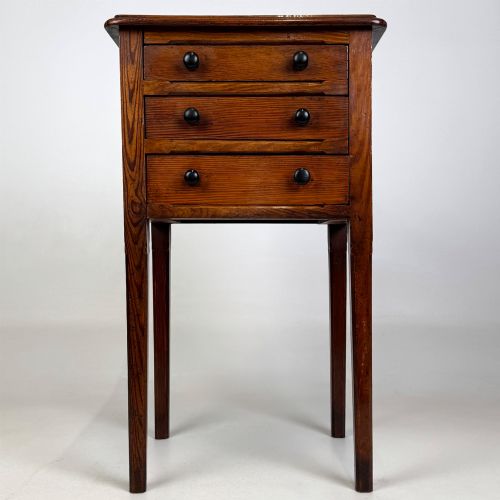
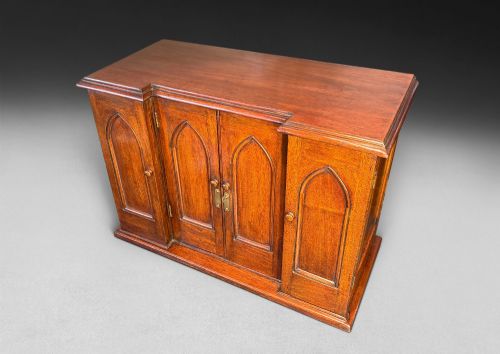
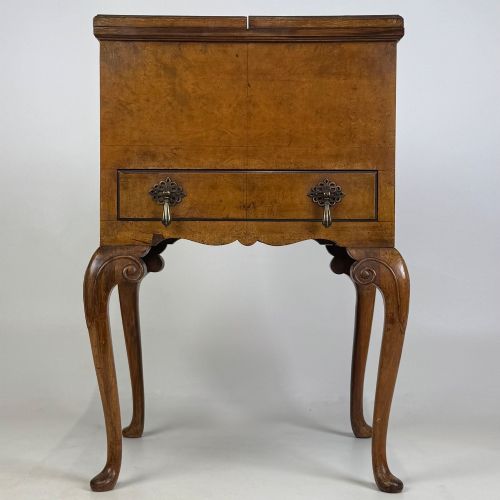
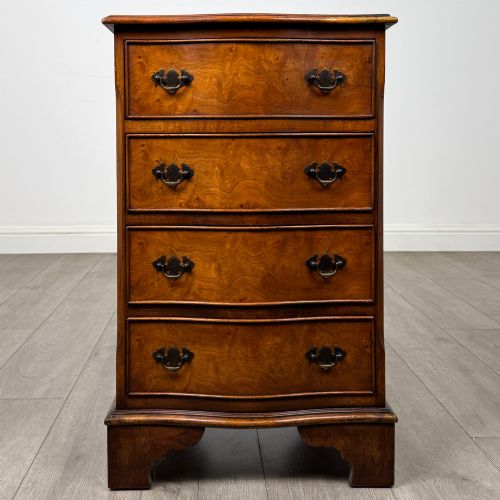
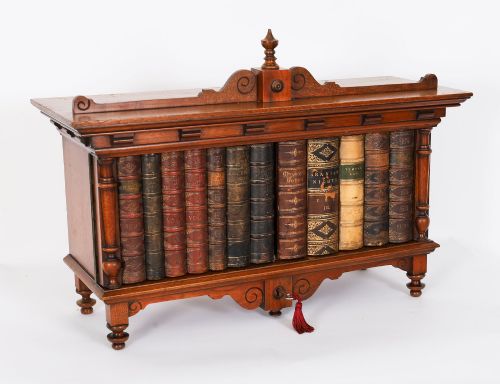
A small antique storage table encompasses a diverse group of compact furniture pieces designed to hold personal items while serving as a functional surface. When searching for this phrase, you encounter bedside cabinets, side tables, small chests of drawers, and tabletop collectors cabinets that fit neatly into modern rooms.
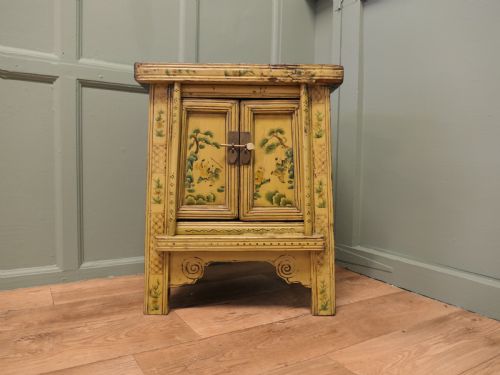
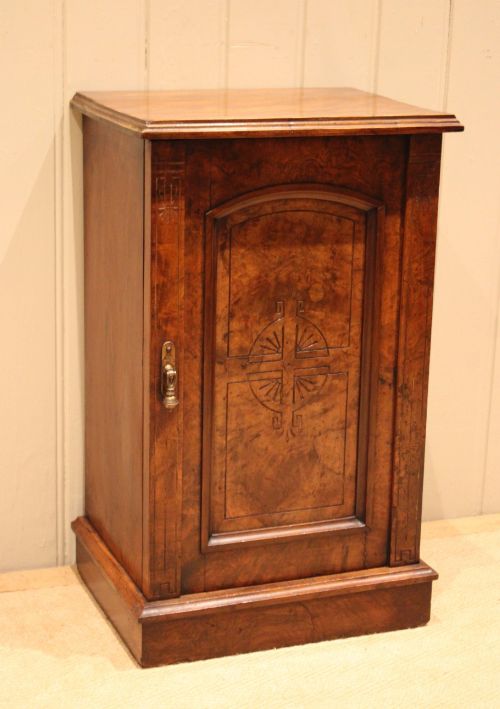
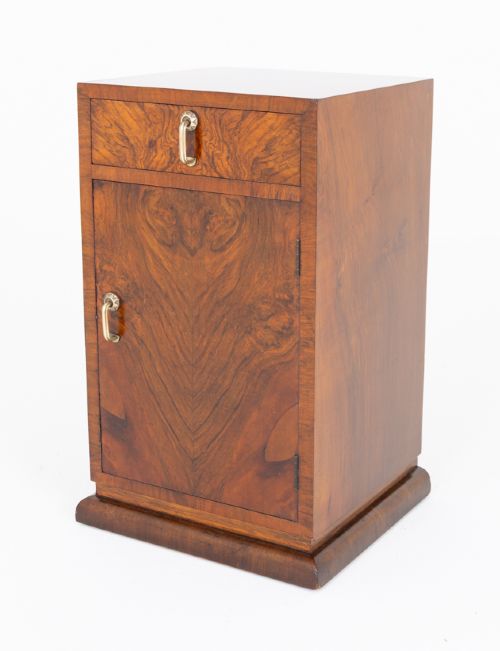
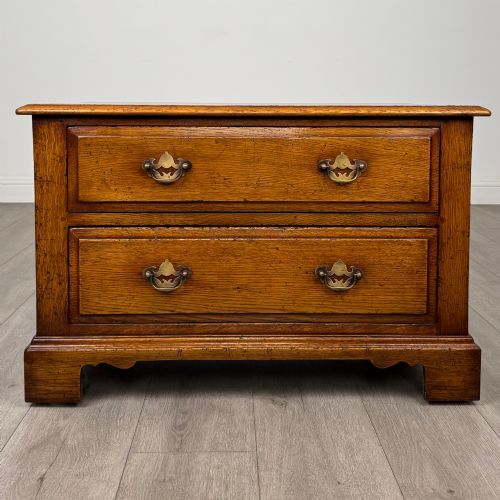
The pieces appearing on this page stem primarily from the Victorian and Edwardian eras, alongside select examples from the 18th century, 1920 and 1930. Oak and mahogany dominate the offerings, frequently joined by walnut, burr walnut, and occasional painted finishes such as Chinoiserie decoration.
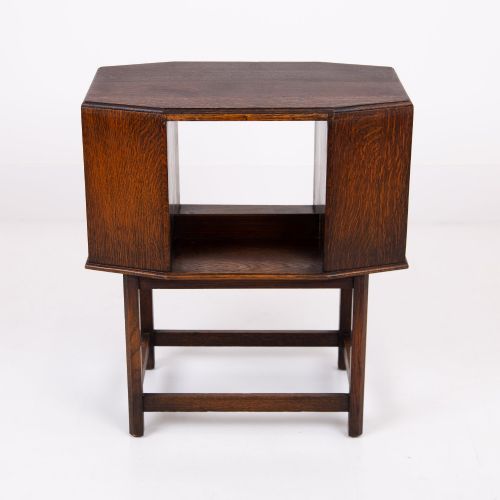
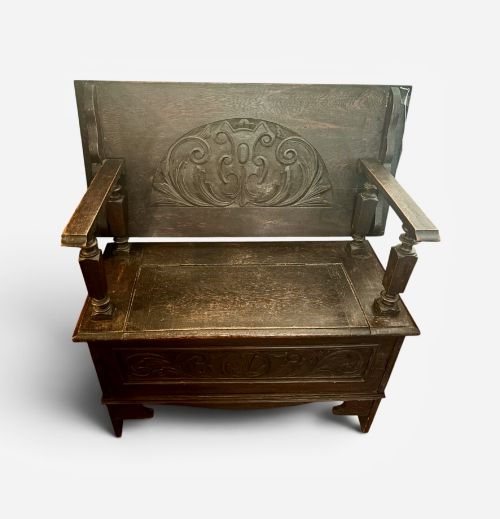
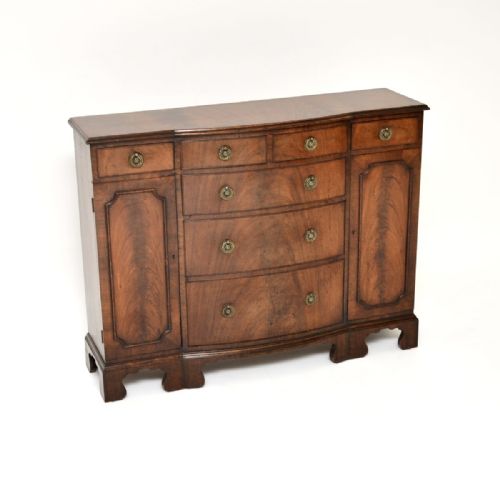
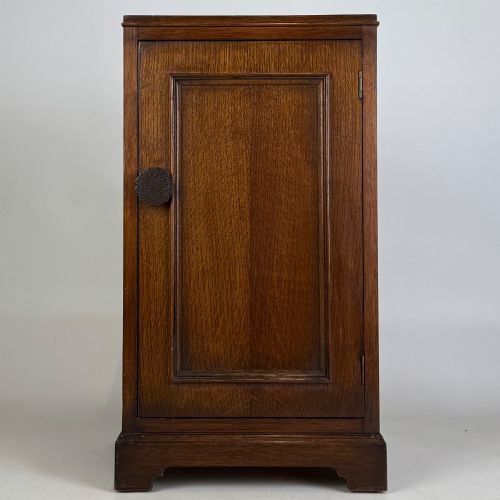
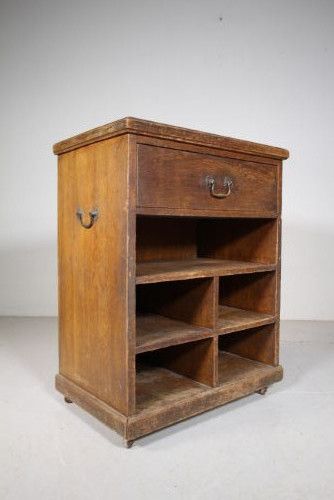
Form follows function across these items, ranging from simple oak cupboards and box stools with lift-up lids to inlaid mahogany bedside tables and low chests. Buyers select them to bring period character and concealed storage into bedrooms, hallways, and living spaces.
How they were made
Cabinet makers utilised durable hardwoods like solid oak and mahogany for the primary carcases, ensuring stability and longevity. Burr walnut veneers and boxwood inlay frequently embellish the exterior surfaces of Edwardian and Victorian pieces to create decorative contrast.
Construction techniques involve traditional joinery suited to smaller proportions, including dovetailed drawer boxes and panelled doors. Specialised hardware in brass and metal provides functional hinges, handles, and locks for cupboards and drawers.
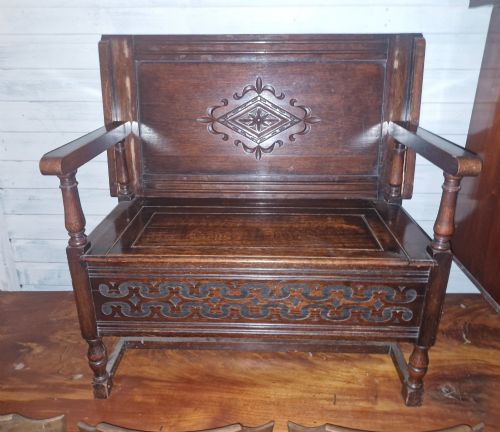
Some Victorian oak box stools double as occasional tables, designed for homes where a single piece of furniture had to earn its keep twice over.
What varies in quality
The standard of timber selection and veneer matching defines the visual appeal of each piece, particularly where figured burr walnut or rich mahogany is concerned. Cabinets featuring crisp, hand-carved friezes, detailed Chinoiserie decoration, or precise boxwood stringing stand apart from plainer utilitarian examples.
Structural integrity relies upon the preservation of original joints, drawer linings, and hardware rather than later replacements. Pieces that retain their original marble tops, tiled surfaces, or integrated folding mechanisms demonstrate superior original craftsmanship.
The Small Storage Table Glossary
- Burr walnut
- Timber sliced from the gnarled growths on walnut trees, yielding rich and swirling grain patterns. Cabinet makers prized it for decorative veneering on drawer fronts and cabinet doors.
- Breakfront
- Furniture design featuring a central section that projects forward from the flanking sides. This architectural layout creates depth and visual interest on sideboards and cabinets.
- Frieze
- The broad horizontal band situated beneath the top moulding of a cabinet or table. It frequently displays carved woodwork or contrasting inlay.
- Serpentine
- Gently undulating furniture front characterised by a convex centre flanked by concave curves. This contour requires skilled carpentry to shape accurately.
Small Storage Table: Frequently Asked Questions
Where should I place a small storage table?
These compact pieces fit easily beside a bed, in a hallway, or next to a sofa where surface space and concealed storage are both useful.
Their varied forms allow them to function as bedside cabinets, small chests, or occasional tables depending on your room layout.
How do I identify an Edwardian piece?
Edwardian items date from the early 20th century and often feature lighter timbers, subtle inlay work, and refined proportions.
They frequently combine traditional forms with decorative veneers like burr walnut or stained oak finishes.
What is a collectors cabinet?
Collectors cabinets are specialised small furniture pieces designed to house and display small objects, minerals, or specimens.
They usually feature multiple shallow drawers or glass-fronted compartments enclosed by a secure door.
How do I care for antique wood surfaces?
Maintain timber surfaces by dusting with a soft cloth and applying a traditional beeswax polish periodically to nourish the grain.
Keep wooden furniture away from direct heat sources and strong sunlight to prevent the timber or veneer from drying out.