

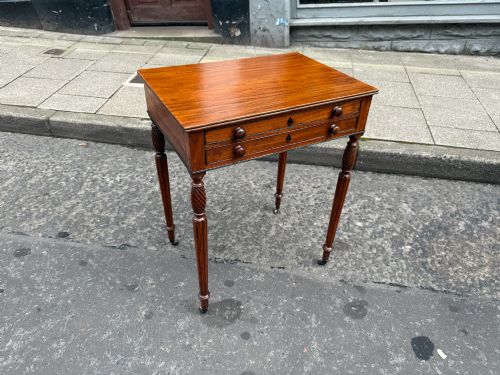
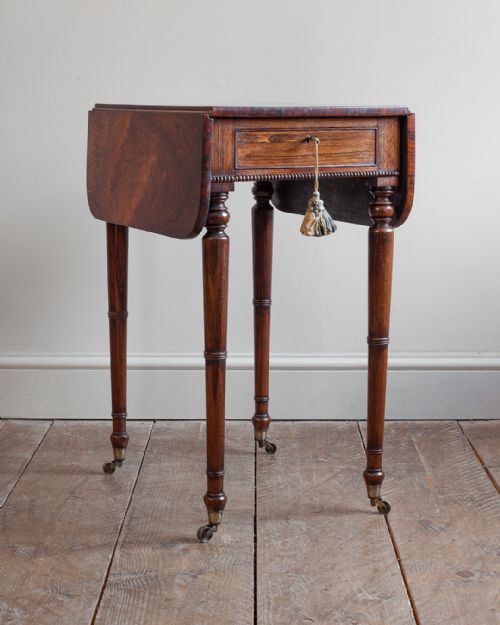
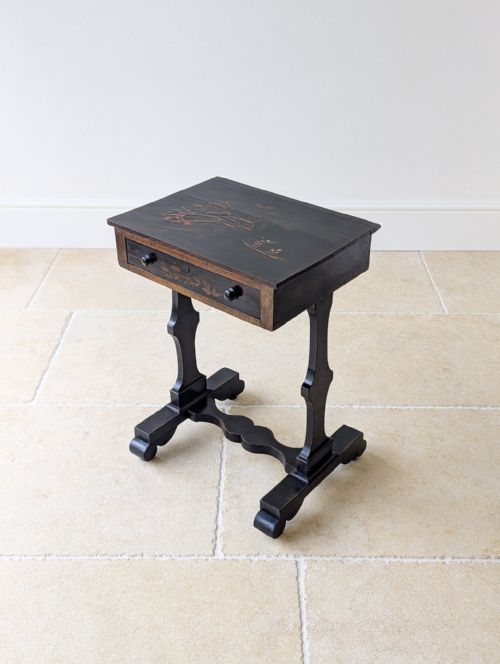
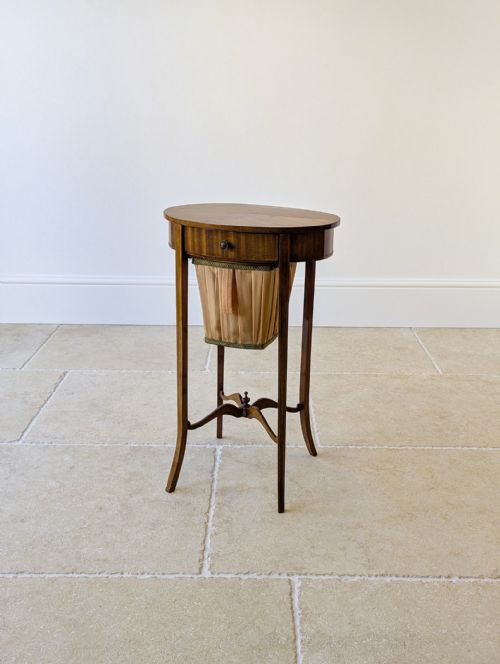
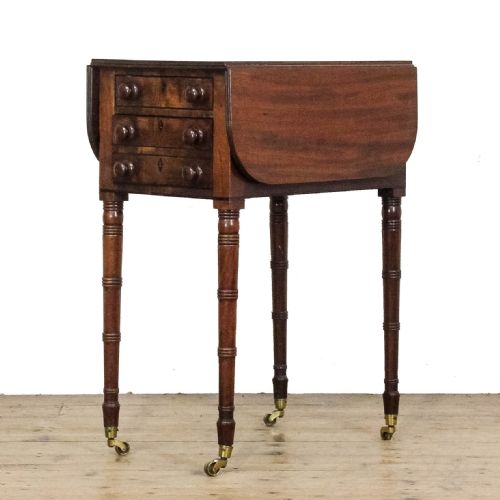
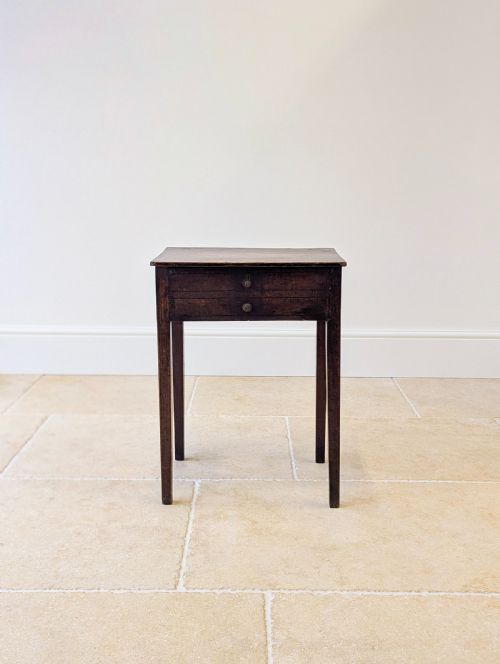
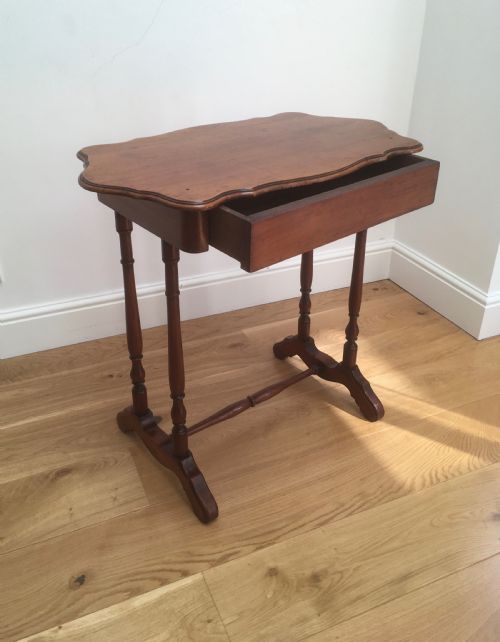


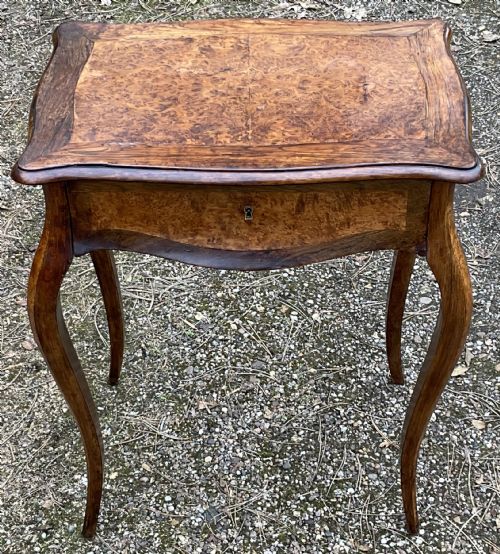
Small Sewing Desk
A small antique sewing desk offers practical compartment storage and a compact writing surface, making it a versatile addition to any period interior.
Small Sewing Desk
A small antique sewing desk primarily takes the form of a work table or ladies work table, designed for domestic needlework and small writing tasks. These compact pieces function equally well as occasional tables, side tables, or console tables in modern settings.
The selections span the Georgian, Regency, Victorian, and Edwardian periods, showcasing the evolution of domestic furniture design across the nineteenth and early twentieth centuries. Pieces frequently incorporate drop leaves or Pembroke designs to maximise surface area in smaller rooms.
Makers utilised various regional aesthetics, ranging from Scottish Regency satinwood to English Empire styles and ebonised Chinoiserie work tables. The most commonly encountered examples feature mahogany construction with fitted drawers for sewing implements and accessories.
How they were made
Cabinet makers constructed these tables from dense timbers such as mahogany, rosewood, walnut, and satinwood, occasionally applying ebonised finishes or lacquer work. Selected hardwoods provided stable frames capable of supporting hinged drop leaves and pull-out fabric bags.
Metal elements like brass hardware appeared on drawer pulls, castors, and decorative mounts, while fabric interiors housed the traditional sewing equipment. Fine joinery techniques secured the writing surfaces and interior compartments without compromising the slender proportions of the legs.
Small Sewing Desk Retail Price Guide 2026
Typical asking prices for small sewing desk among the pieces listed under this phrase on Sellingantiques today, from the lower quarter to the upper quarter. They describe what is for sale here now, not the wider market.
Object forms span work tables, Pembroke tables, side tables, and console writing tables.
What varies in quality
The distinction between standard domestic pieces and finest workshop output rests upon timber selection and secondary wood usage. Higher grade tables employ figured veneers and solid primary woods consistently throughout the carcase and drawer linings.
Refinement of turnings, the precision of brass inlays, and the integration of drop leaf mechanisms distinguish superior examples. Pieces bearing documented workshop attributions or specific regional characteristics demonstrate greater sophistication in their execution.
Gillows
The Small Sewing Desk Glossary
- Pembroke table
- A small occasional table featuring hinged flaps on two opposing sides that drop down. This design allowed tables to expand for dining or writing before folding away.
- Work table
- A specialised small table equipped with drawers or a suspended fabric bag for holding sewing materials. These pieces served ladies for needlework and correspondence.
- Drop leaf
- A hinged section of a table top that can be raised to extend the surface or lowered to save space. Support brackets swing out to hold the leaf firm when in use.
- Ebonised wood
- Timber treated with stain or paint to imitate ebony. This dark, polished finish gained popularity during the Regency and Victorian periods for decorative contrast.
- Console table
- A table designed to be fixed against a wall, often supported by brackets or console legs. They served decorative and functional purposes in hallways and reception rooms.
Small Sewing Desk: Frequently Asked Questions
What is a small antique sewing desk used for?
These tables served historical households as dedicated spaces for needlework, embroidery, and light correspondence. Their internal compartments kept small tools and threads organised.
Today, owners utilise them as bedside tables, lamp tables, or compact writing desks in smaller reception rooms.
How do I identify a Regency sewing desk?
Regency pieces often display classical architectural influences, dark timbers like rosewood or satinwood, and sophisticated brass details. They frequently date between eighteen hundred and eighteen thirty.
Look for refined proportions, reeded legs, and ebonised Chinoiserie decoration which characterise this specific period of British design.
Are Pembroke tables and work tables the same thing?
Not all Pembroke tables include sewing storage, though many work tables adopt the Pembroke drop leaf configuration. A Pembroke table is defined primarily by its hinged side flaps.
When combined with drawers or internal wells, the Pembroke form successfully accommodated sewing and writing accessories.
What woods were used in these tables?
Cabinet makers relied heavily on mahogany throughout the Georgian and Victorian eras due to its stability and rich grain. Rosewood, walnut, and satinwood appeared on finer or later pieces.
Secondary timbers like oak supported internal drawer structures while decorative surfaces utilised exotic veneers.