



Small Pine Doors
Small antique pine doors open onto fitted cupboards, corner cabinets and wardrobes shaped by nineteenth-century joinery.
Small Pine Doors
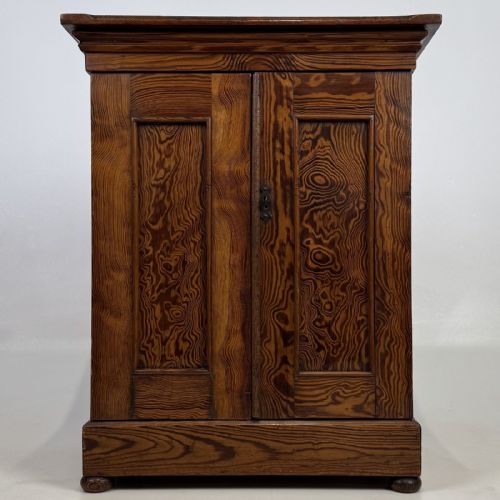
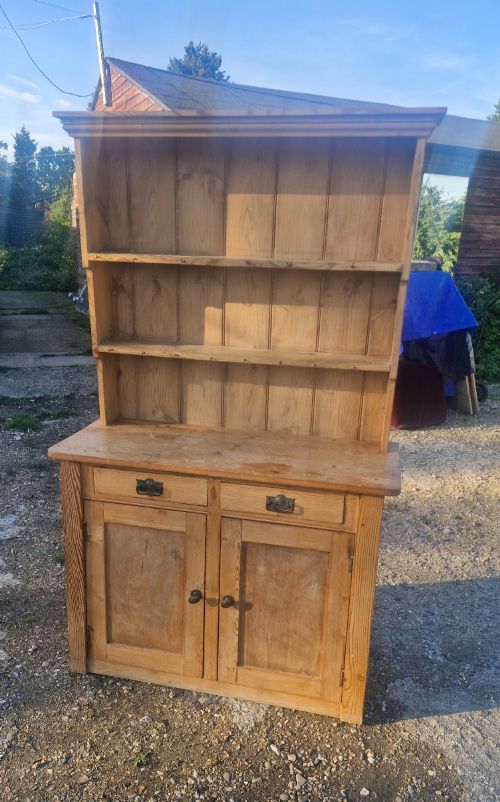
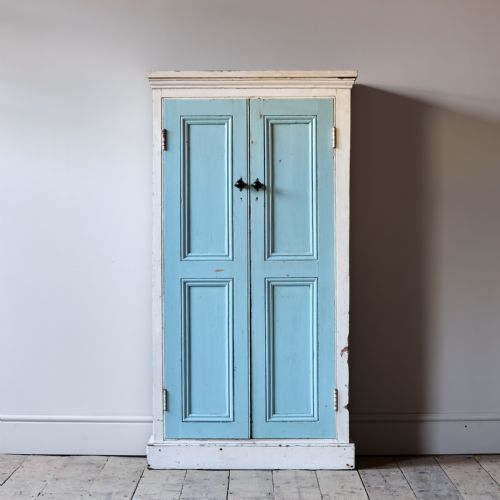
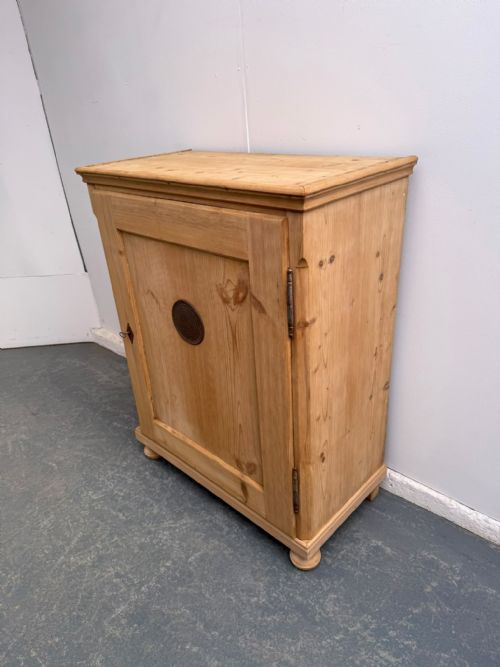
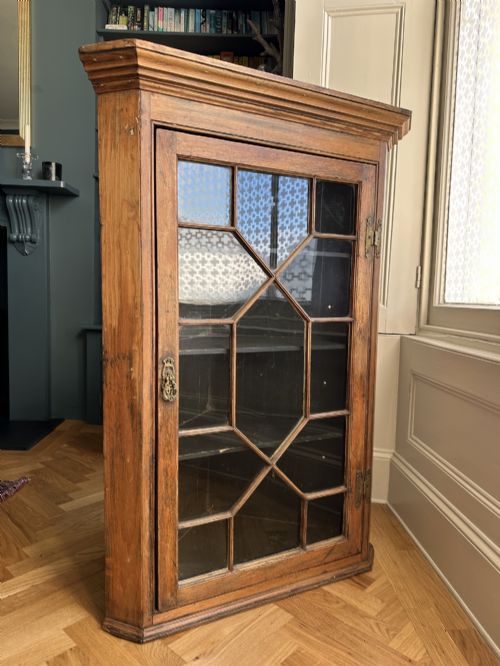
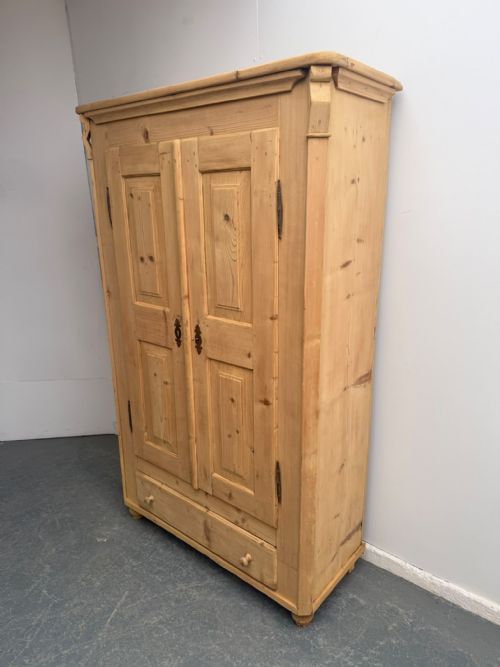
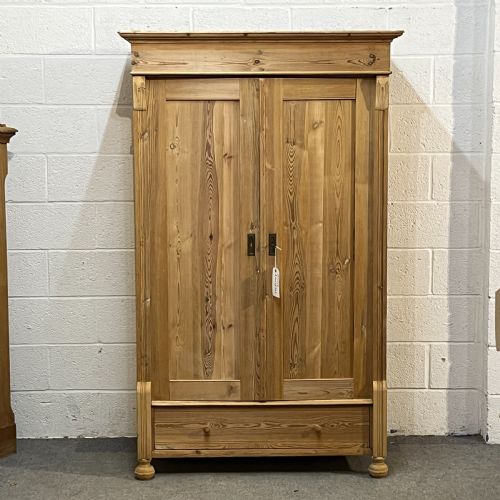
Small antique pine doors are found across a variety of utilitarian furniture forms, including single and double door cupboards, corner cabinets, hall wardrobes and dressers. These pieces originate predominantly from the nineteenth century, spanning the Georgian, Victorian and Edwardian periods.
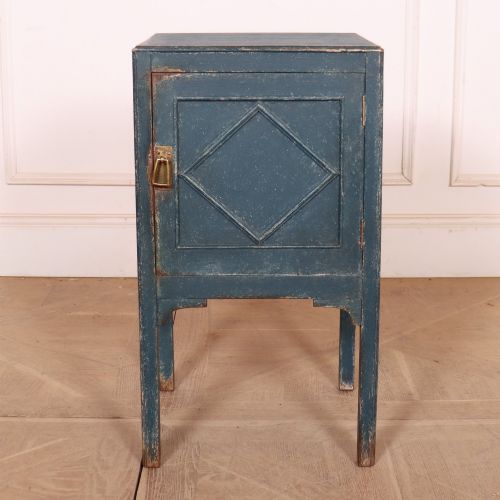
The domestic scale of these items suits smaller rooms, where single door hall cupboards, bedside pot cupboards and shallow dresser bases provide practical storage. Scottish country and rustic farmhouse variants appear alongside refined Regency and Victorian examples.
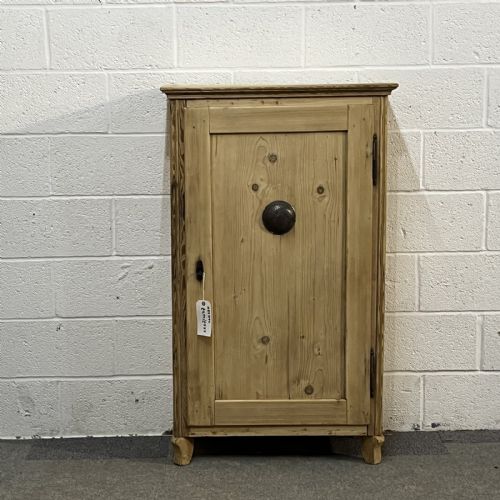
Buyers seeking small antique pine doors most frequently encounter single door configurations fitted to compact wardrobes or food cupboards. Many retain their original hardware, such as brass or iron handles, while others await a finish of wax or paint.
Materials and construction
Makers constructed these doors and cabinets using solid pine planks, often incorporating brass, iron or metal hinges and latches to secure the panels. Some examples feature glazed glass sections or ceramic elements within handles and interior fittings.
Surfaces were finished in varied ways, with many pieces appearing waxed to reveal the natural grain of the pine. Alternatively, original painted finishes and layered paint schemes survive on rural items like Scottish food cupboards.
Small Pine Doors Retail Price Guide 2026
Typical asking prices for small pine doors among the pieces listed under this phrase on Sellingantiques today, from the lower quarter to the upper quarter. They describe what is for sale here now, not the wider market.
The listings span the Georgian, Victorian and Edwardian eras, predominantly featuring nineteenth-century pine, brass and iron.
Assessing quality and proportion
Quality in these pieces is dictated by the proportion of the joinery and the selection of the timber. Finer examples display careful framing around panels, whether plain or dressed with faux bamboo turnings.
The integrity of the original hardware and internal shelving or lining distinguishes superior items. Retaining original painted interiors or well-fitted bottom drawers adds considerable character to wardrobes and cupboards.
The Small Pine Doors Glossary
- Pine
- A softwood commonly used in British furniture making for its workability and availability. It takes wax and paint finishes readily.
- Pot cupboard
- A small bedside or freestanding cabinet designed originally to house a chamber pot. They frequently feature a single small door.
- Corner cabinet
- A storage piece built with an angled footprint to fit neatly into room junctions. Many examples utilise glazed doors to display contents.
- Housekeepers cupboard
- A large storage furniture form with doors opening to reveal internal shelving. Smaller versions retain the functional vernacular style.
- Faux bamboo
- A decorative turning technique mimicking the segmented joints of bamboo cane. It appears on nineteenth-century pine furniture frames.
Small Pine Doors: Frequently Asked Questions
What rooms suit small pine cupboards?
These compact cupboards fit well in hallways, bedrooms and kitchens where floor space is limited. Their modest footprint provides functional storage without dominating the room.
Single door models and bedside pot cupboards integrate easily beside larger furniture pieces. They offer accessible storage for linens, dry goods or everyday items.
How do I care for waxed pine?
Waxed pine benefits from occasional application of traditional beeswax to nourish the wood and maintain its sheen. Avoid placing these pieces near direct heat sources or strong sunlight.
Dust regularly with a soft dry cloth rather than using wet cleaners. This preserves the patina developed over the nineteenth century.
Can I paint an unpainted pine door?
Many nineteenth-century pine pieces were originally scrubbed, waxed or painted according to regional taste. Unfinished or stripped examples accept new paint layers easily after proper preparation.
Applying traditional paints allows you to match existing interior schemes while respecting the age of the timber. Ensure the surface is clean and dry before starting.
What is the difference between a hall wardrobe and a cupboard?
Hall wardrobes are scaled specifically for hanging garments in entrance spaces or smaller bedrooms. They often feature narrow proportions and dedicated hanging depth.
Cupboards generally contain horizontal shelving rather than hanging space. Their internal layouts reflect their original domestic uses for provisions or household linens.