

Small Bowl
A small antique bowl offers a tangible link to past domestic rituals, serving as a versatile vessel for trinkets, salt, or sweets.
Small Bowl
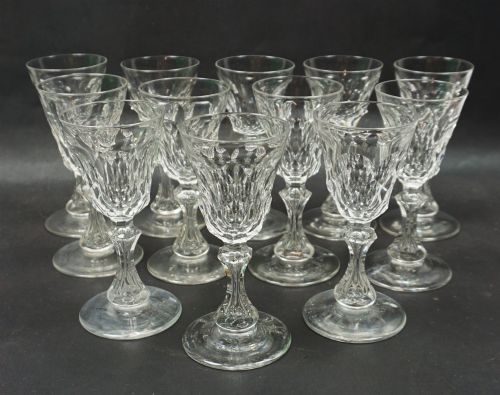
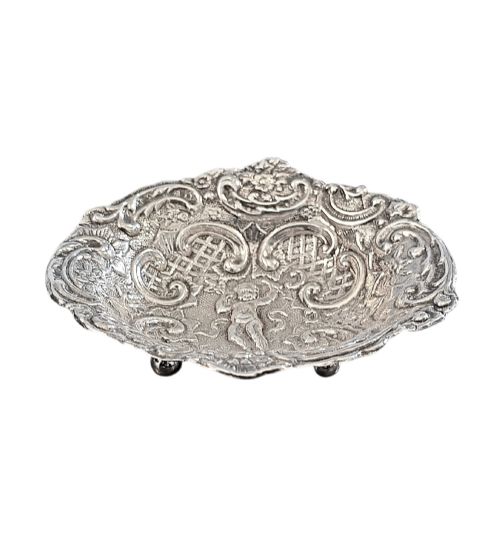
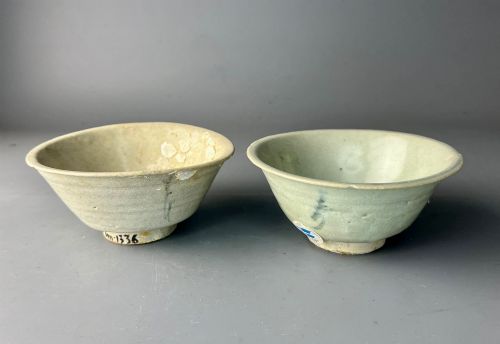
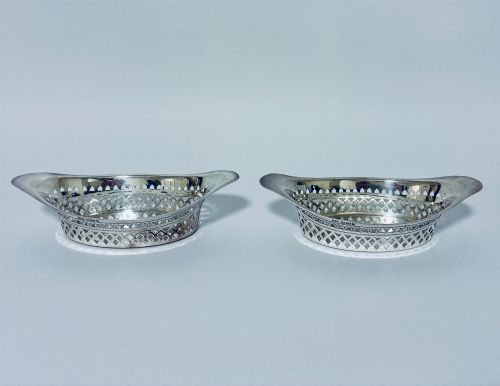
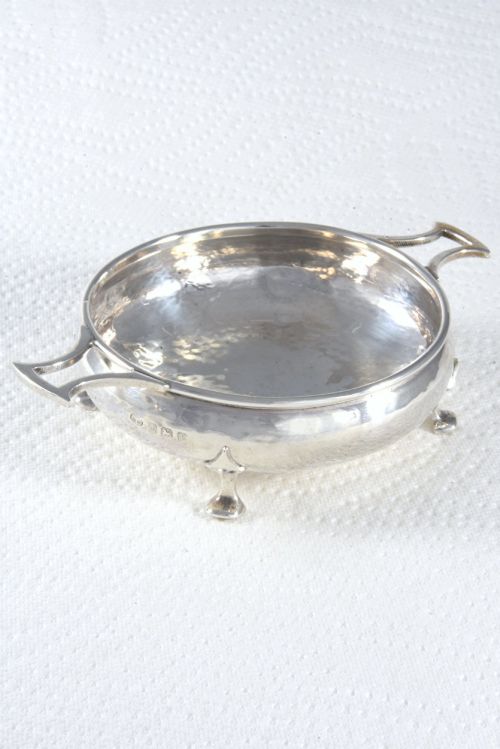
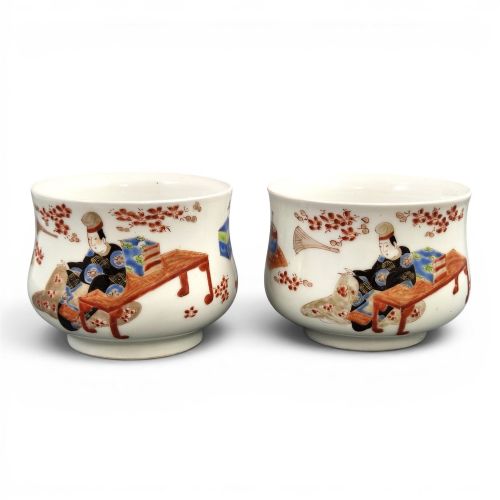
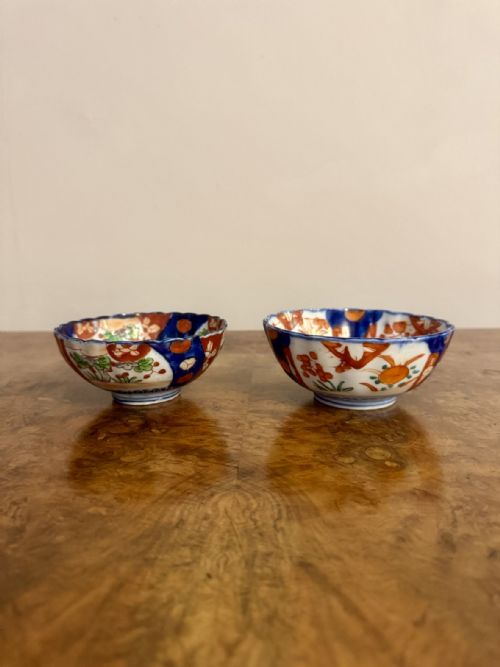
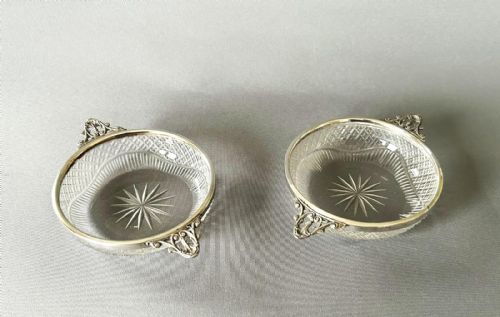
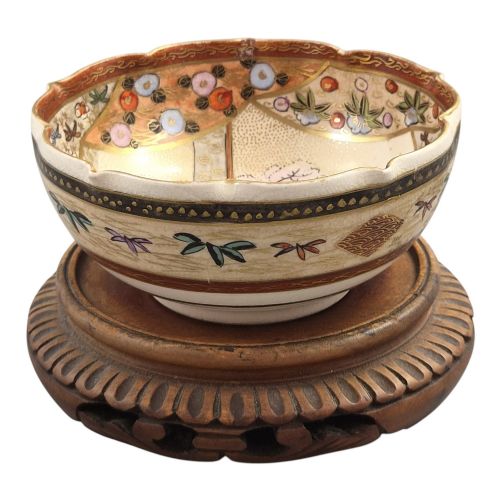
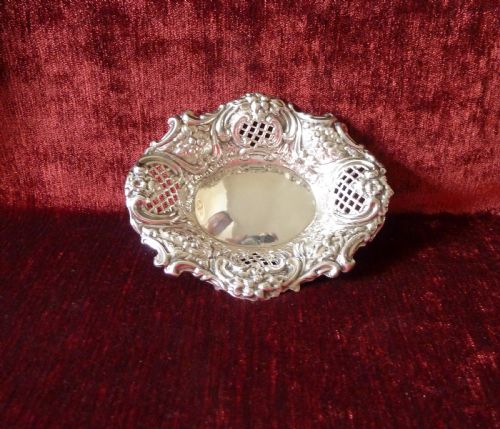
A search for a small antique bowl reveals a diverse group of domestic objects, ranging from Victorian silver bonbon dishes to eighteenth-century porcelain tea bowls and Japanese Imari wares. These items span multiple centuries, including seventeenth-century porringers, Georgian bronze planters, and Edwardian trinket dishes.
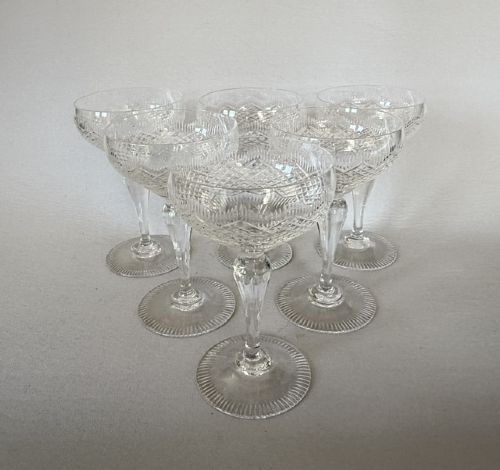
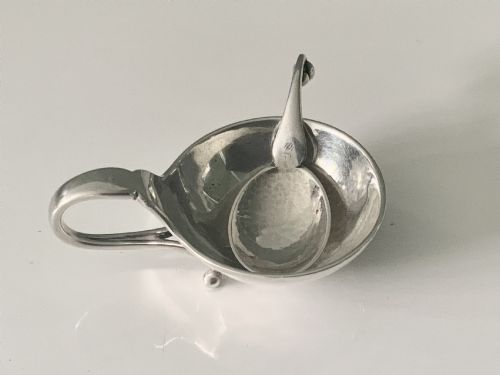
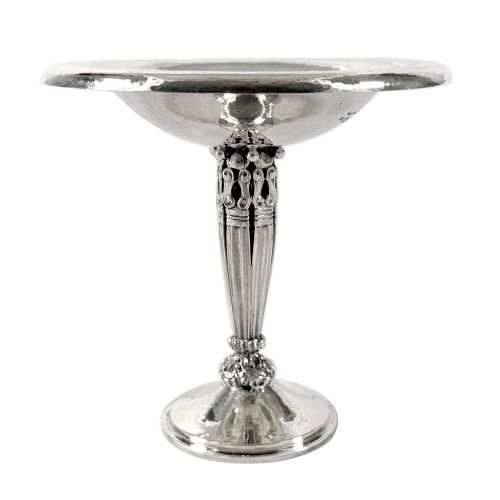
Buyers will most frequently encounter nineteenth-century silver vessels, cut glass pieces, and various Asian ceramics on this page. The forms adapt to specific historic uses, encompassing salt cellars, tazzas, wine tasters, and decorative dishes.
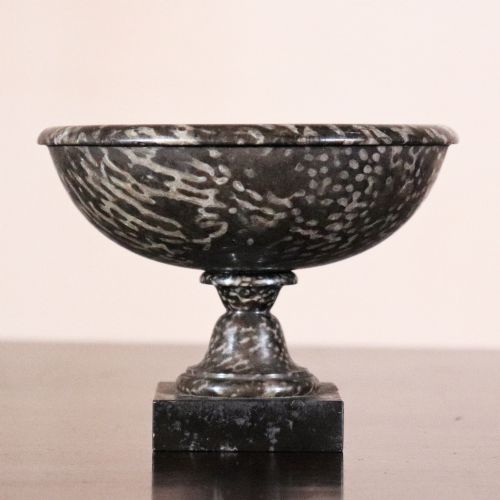
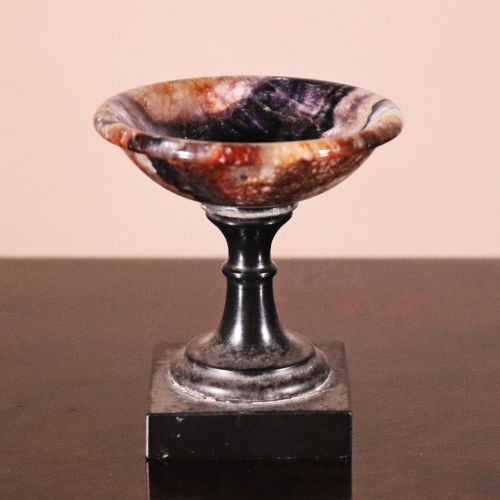
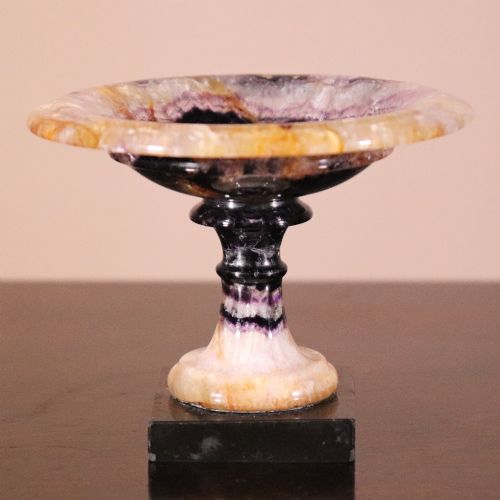
Materials vary widely across the selection, featuring sterling silver alongside porcelain, enamel, Blue John, and Ashford Coral marble. Each piece reflects the aesthetic priorities of its period, from Victorian rococo revival to Art Deco geometry and Arts and Crafts simplicity.
Materials and construction
Silver vessels on this page demonstrate traditional smithing techniques, involving hammering, piercing, and chasing, often accompanied by hallmarks that record the assay office and date of production. Cut glass items rely on wheel-cutting and polishing to achieve crisp facets and decorative patterns across the surface of the bowl.
Ceramic pieces utilise various firing methods and glazes, from Chinese blue and white porcelain and Japanese Satsuma earthenware to French Limoges enamel and Moorcroft pottery. Natural stone objects, such as those fashioned from Blue John and marble, depend on careful lathe-turning and hand-polishing to reveal the grain of the mineral.
Small Bowl Retail Price Guide 2026
Typical asking prices for small bowl among the pieces listed under this phrase on Sellingantiques today, from the lower quarter to the upper quarter. They describe what is for sale here now, not the wider market.
Several diminutive vessels in this selection were originally designed solely to hold a single pinch of salt or a stray sweet.
Evaluating quality and execution
Quality in these vessels rests upon the crispness of the maker's execution, whether in the precision of a silver chasing, the hand-painting on a porcelain tea bowl, or the depth of facet-cutting in glassware. Finer examples display a balance of form and proportion that elevates a utilitarian object into a decorative work of art.
The survival of original surface detail and crisp hallmarks indicates how well a piece has been preserved through successive generations. Finer ceramics and stones show careful control in the kiln and at the polishing wheel, avoiding structural distortion or heavy wear to the decorative scheme.
William Aitken·Georg Jensen·Charles Boyton·Hamilton and Inches
The Small Bowl Glossary
- Bonbon dish
- A small, decorative bowl intended for holding sweets or confections, often footed or fitted with a swing handle.
- Porringer
- A small, shallow vessel with one or two flat horizontal handles, historically used for porage or broth.
- Tazza
- A shallow saucer-like dish mounted on a stem and foot, used for serving food or displaying items.
- Imari
- A style of Japanese porcelain decorated in underglaze blue, iron red, and gold, popular for export in the West.
Small Bowl: Frequently Asked Questions
What were small antique bowls used for?
These vessels served a multitude of domestic purposes, functioning as table salts, sugar basins, bonbon dishes, and receptacles for personal trinkets.
Over time, many of these small bowls transitioned from active utility into decorative display pieces within the home.
How do I care for silver and glass bowls?
Silver requires occasional gentle cleaning with a specialised polish to maintain its lustre without wearing away delicate chased details.
Cut glass benefits from hand washing in warm, soapy water and careful drying to prevent water spots and protect the edges.
How can I tell the period of a bowl?
Silver pieces often carry hallmarks that indicate the assay office, standard of metal, and exact year of manufacture.
Stylistic markers, such as the distinct motifs of Art Deco or Victorian rococo revival, help date unmarked ceramics and glass.
Are these bowls suitable for daily use?
Sturdy glass and robust silver vessels can withstand careful handling and light everyday service if washed by hand.
Fragile ceramics, such as eighteenth-century porcelain or enamel, are generally better suited for display rather than robust daily tasks.