



Small Art
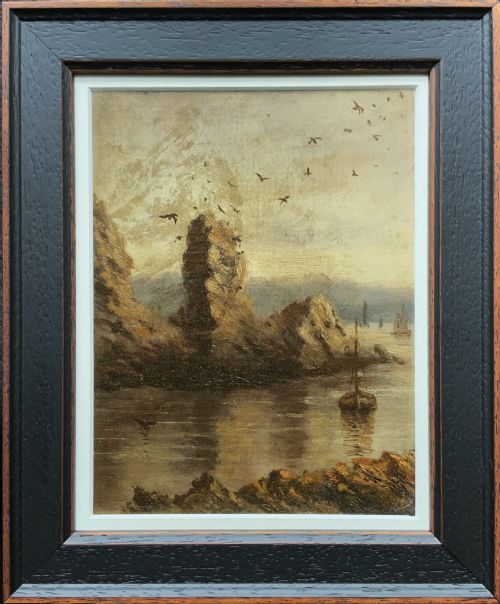
Small antique art spans intimate portrait miniatures, delicate glass vases and framed watercolours that bring period character to compact spaces.
Small Art
Small antique art encompasses compact items created across the nineteenth and twentieth centuries, taking the form of watercolours, oil paintings, glass vessels and portrait miniatures. These pieces reflect periods from the Victorian era through Edwardian and Art Deco movements, providing decorative focus for intimate interiors.
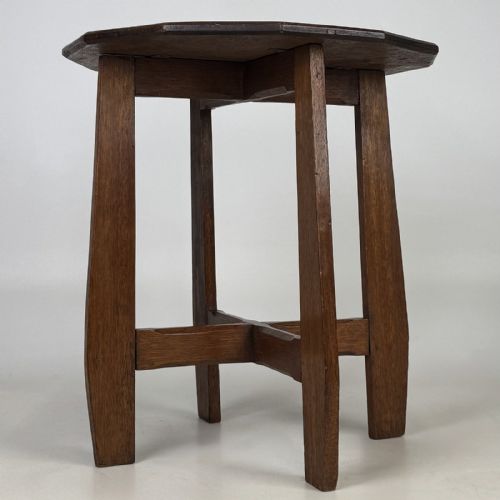
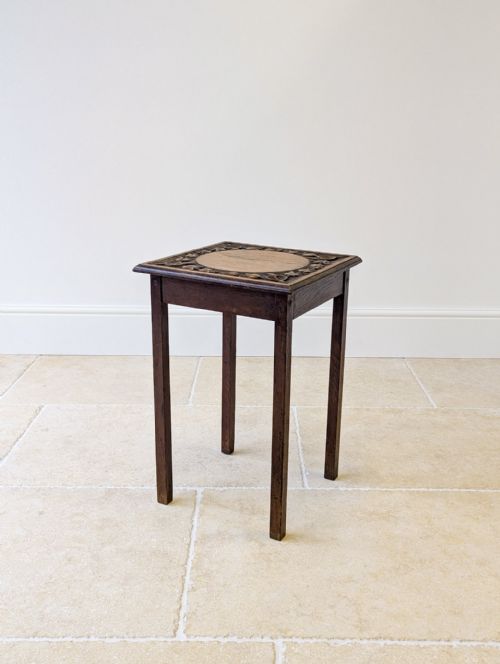
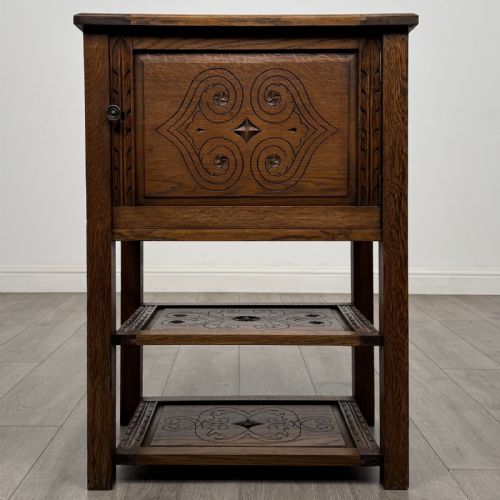
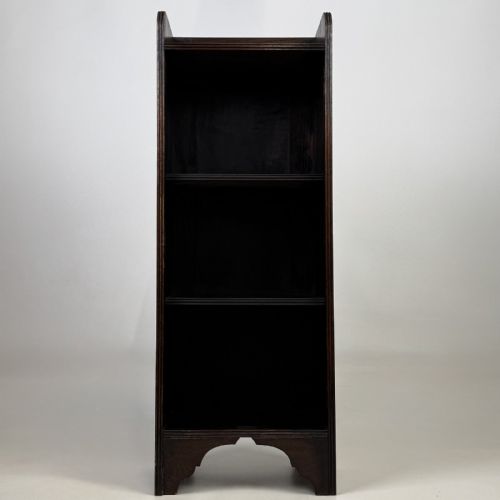
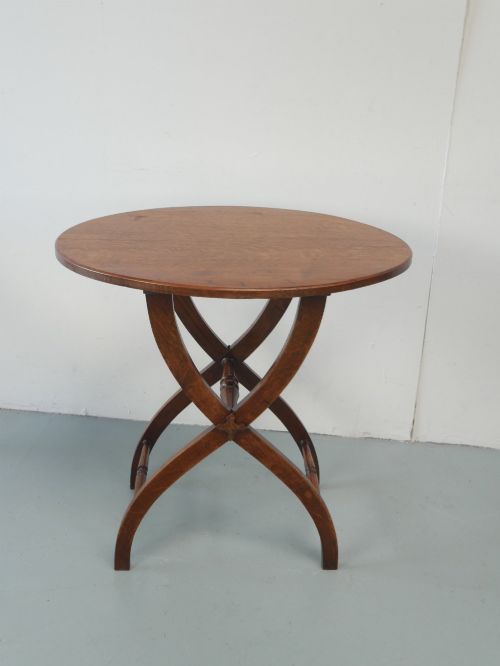
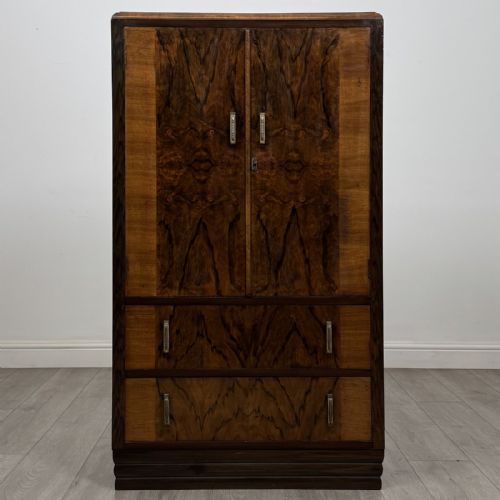
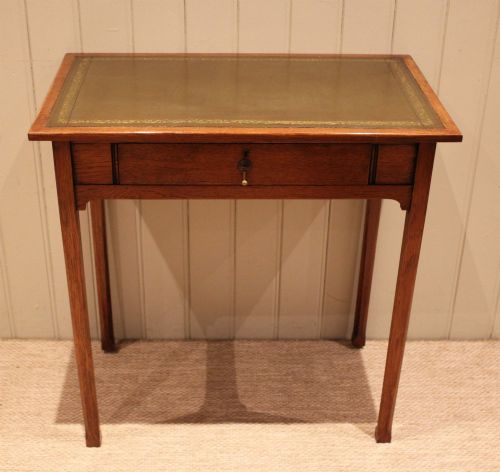
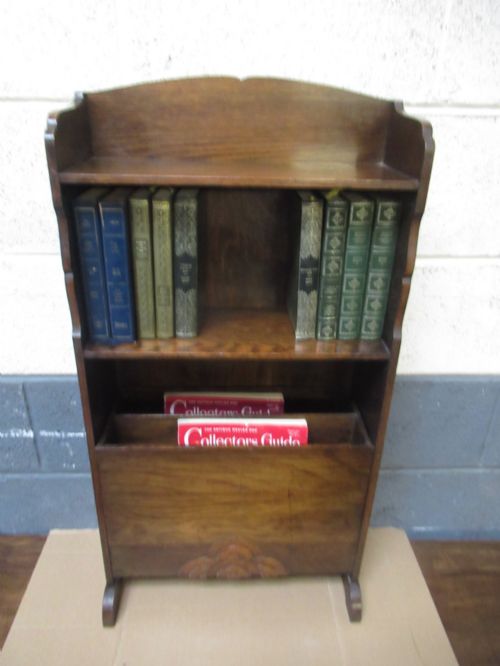
Buyers searching for small antique art most frequently encounter oak occasional tables, side tables, small bookcases, and bedside cabinets alongside framed paintings and glass pieces. The selection includes items ranging from nineteen-century watercolours in maple frames to nineteen-thirty Art Deco cabinets and nineteenth-century portrait miniatures.
The physical scale of these works dictates their utility, fitting easily into modern rooms while retaining the distinct craftsmanship of periods such as Arts and Crafts, Art Nouveau and Gothic Revival. Oak is the dominant timber seen across these items, complemented by walnut, mahogany, maple and satin birch.
Materials and Techniques
Makers utilised solid timbers such as oak, walnut, mahogany and satin birch to construct small tables, cabinets, bookcases and wardrobes, often employing pegged joints, floral carving and raised galleries. Wood surfaces receive polish or liming to accentuate the natural grain.
Artists and artisans worked in media including watercolour and oil paint on paper or canvas, reverse painting on glass, cameo glass techniques for vases, and sterling silver for small vessels. Frames were fashioned from woods like maple to enclose paintings and portrait miniatures.
Small Art Retail Price Guide 2026
Typical asking prices for small art among the pieces listed under this phrase on Sellingantiques today, from the lower quarter to the upper quarter. They describe what is for sale here now, not the wider market.
Listings feature works spanning the eighteenth, nineteenth and twentieth centuries, executed in oak, walnut, mahogany, brass, glass and watercolour.
Evaluating Quality
Quality in small antique art rests upon the precision of the hand-carved details, the crispness of the glass cameo work or the brushwork within portrait miniatures and watercolours. Superior examples display confident execution by the maker, whether in the joinery of an Arts and Crafts oak table or the handling of pigment on paper.
The choice of secondary timbers, the integrity of original frames and the retention of maker details or distinct regional styles separate standard production from superior pieces. Coherence in design, such as clean Art Deco veneers or balanced Edwardian proportions, elevates the standing of an item.
Heals·Bulstrode Cambridge·Baccarat Vallee·EW Godwin
The Small Art Glossary
- Portrait Miniature
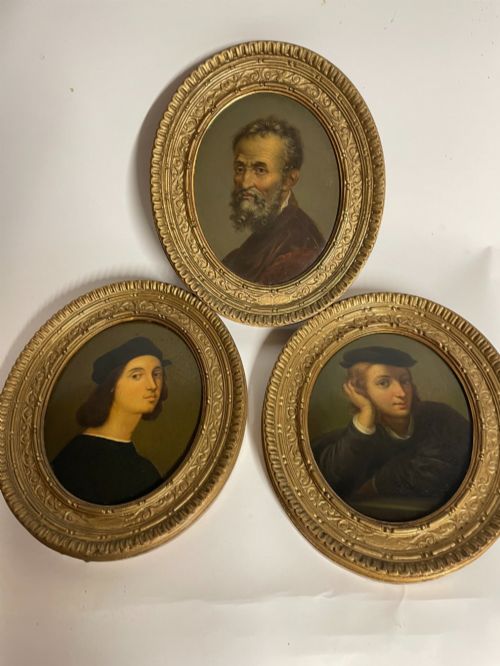
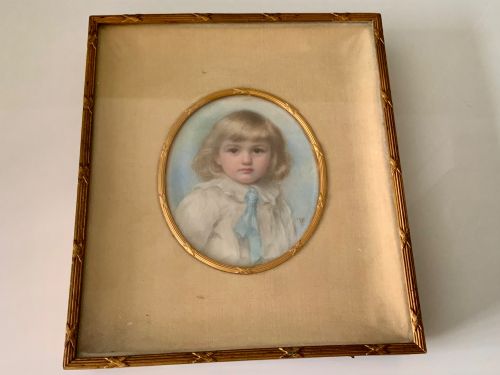
- A small painted likeness on vellum, card or ivory, often framed for intimate display. These portable works date back centuries and capture subjects in fine detail.
- Cameo Glass
- Glassware produced by layering two or more opaque colours and carving away the top layer to create a raised design. This technique requires exceptional skill.
- Occasional Table
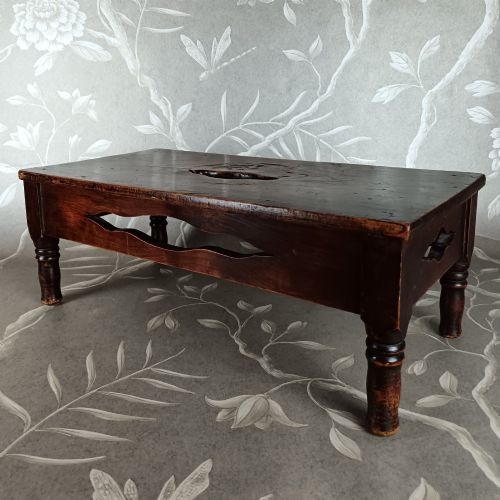
- A small, portable table designed for specific, intermittent use rather than central dining. They appear in various shapes including octagonal and rectangular formats.
- Compactum
- A fitted wardrobe designed to hold a wide variety of clothing in a restricted footprint. They often incorporate internal drawers, shelves and hanging space.
- Raised Gallery
- A low decorative railing or rim fitted to the top surface of a cabinet, desk or table. This feature prevents small items from rolling off.
Small Art: Frequently Asked Questions
What counts as small antique art?
Small antique art includes compact paintings, watercolours, glass vases, portrait miniatures and decorative items produced during the nineteenth and twentieth centuries. These pieces offer concentrated aesthetic appeal without demanding large wall space or floor areas.
Items range from framed portraits of young people to cameo glass vessels and reverse-painted marriage portraits. Their scale allows them to integrate simply into contemporary rooms.
How do I date an oak occasional table?
Dating an oak occasional table involves examining construction methods, timber selection and stylistic cues such as Arts and Crafts pegged joints or Edwardian floral carvings. Cabinetmakers altered their techniques across the Victorian, Edwardian and Art Deco periods.
Comparing the legs, top shape and hardware against known period examples helps establish the decade of manufacture. Grain patterns and finish types also offer clues to the age of the wood.
Where should I place a portrait miniature?
Portrait miniatures suit intimate spaces where viewers can inspect their fine detail up close, such as hallways, studies or beside seating areas. Their small size makes them ideal for grouping on a wall or placing on a narrow shelf.
Direct sunlight should be avoided to protect the pigments used in watercolours and paints from fading over time. Stable indoor humidity preserves both the miniature and its original frame.
What is cameo glass?
Cameo glass is a form of luxury glassware created by fusing layers of different coloured glass together and carving the exterior layer to form a contrasting relief design. This demanding technique draws inspiration from ancient carved gems.
Pieces from the early twentieth century showcase intricate floral or geometric motifs in shades like brown. Displaying them where light can pass through the glass highlights the depth of the carving.