

Small Accent Drawers
Small accent drawers bring compact storage and surface space to tight corners, spanning Georgian, Victorian, and later periods in timber like mahogany and walnut.
Small Accent Drawers
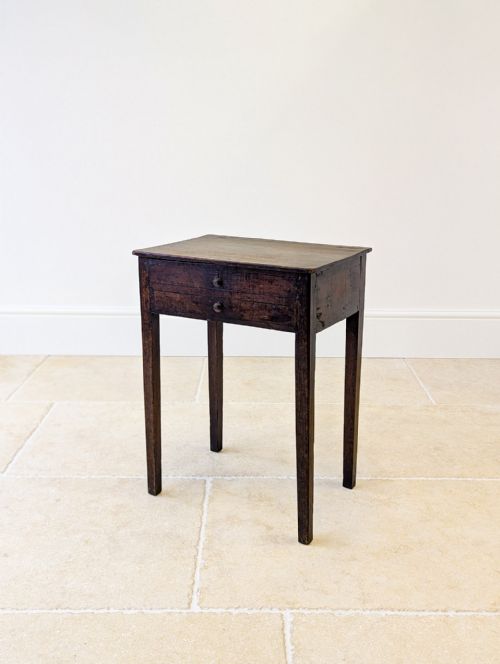
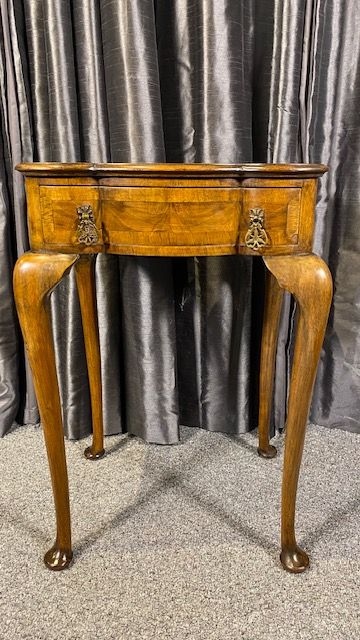
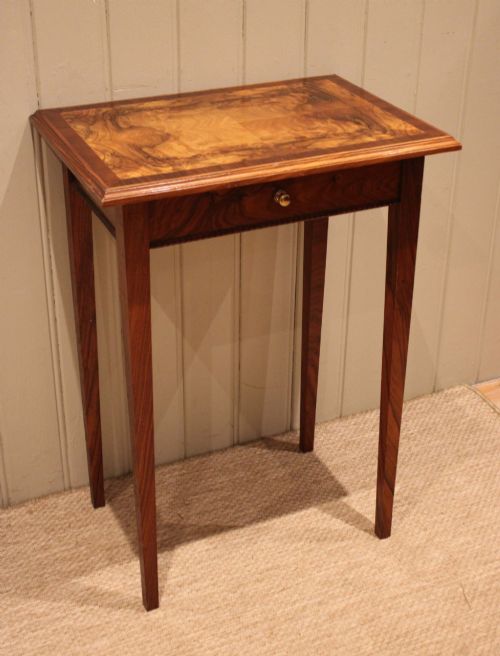
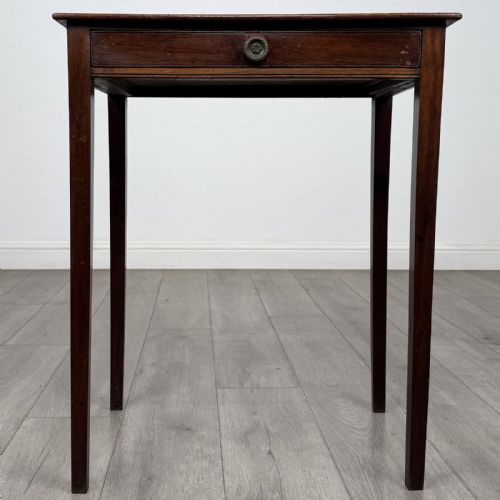
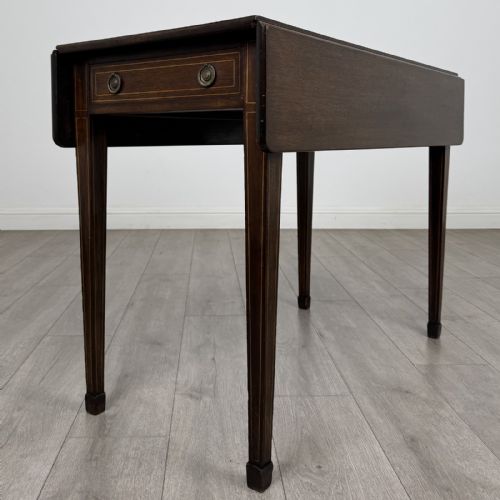
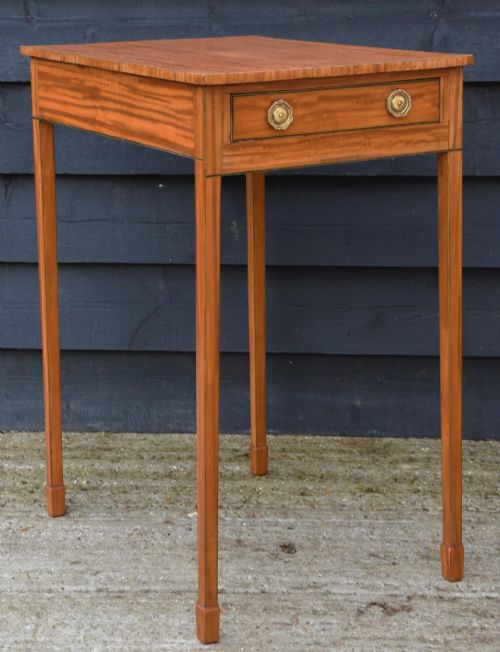
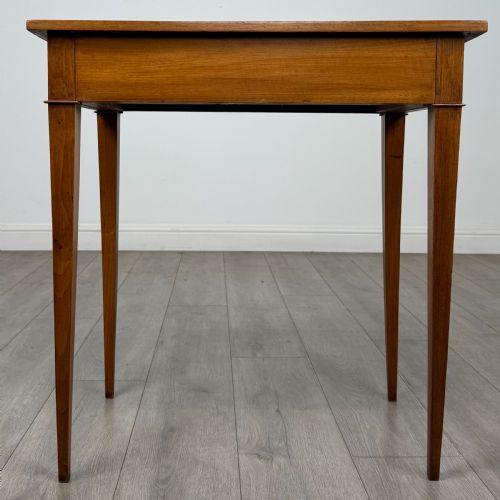
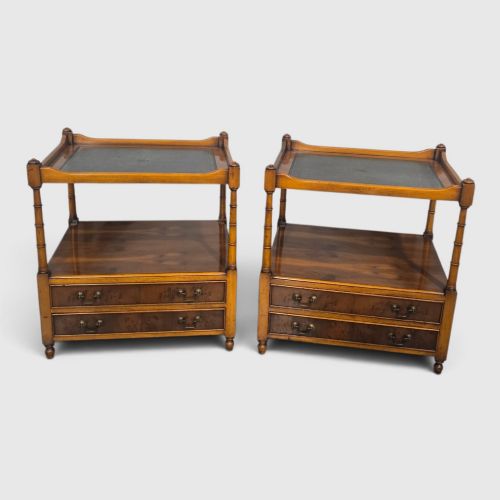
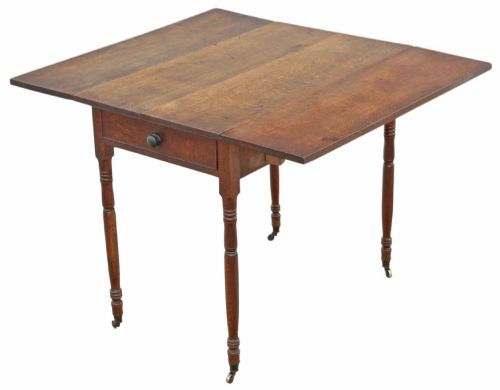
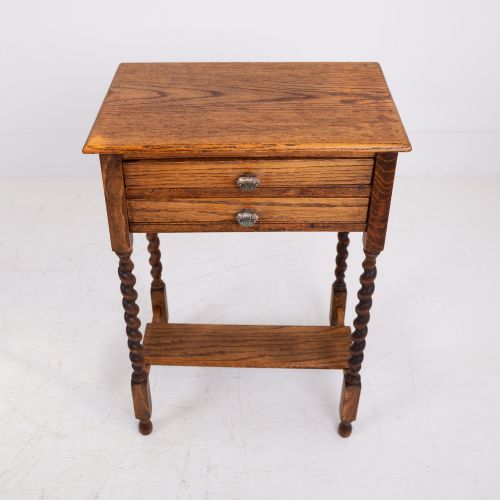
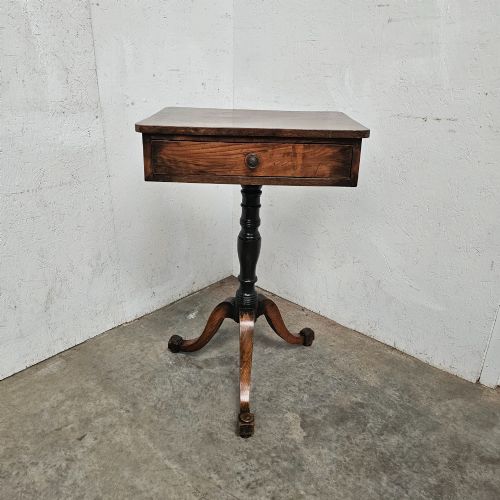
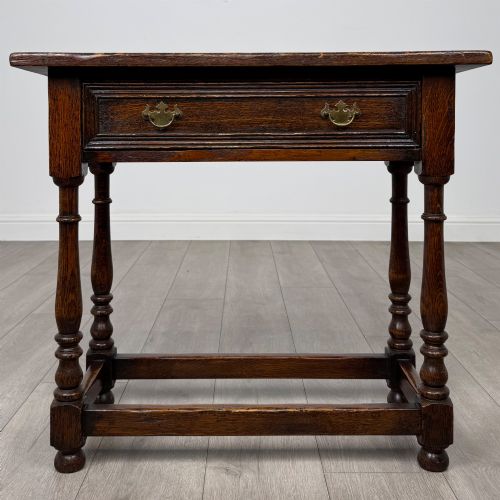
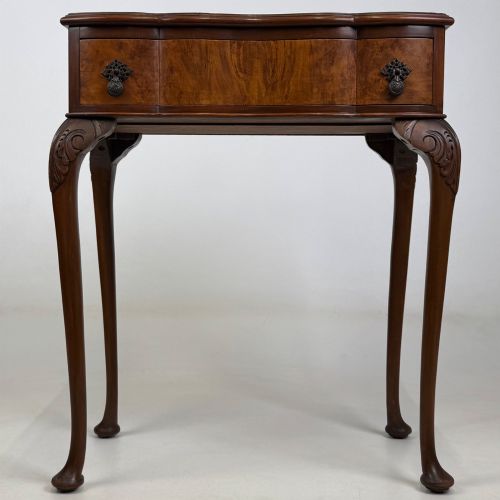
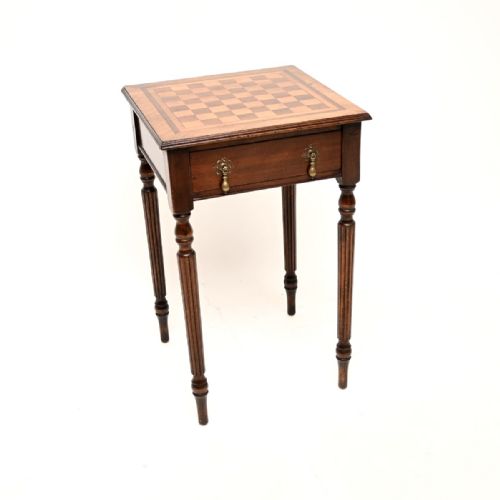
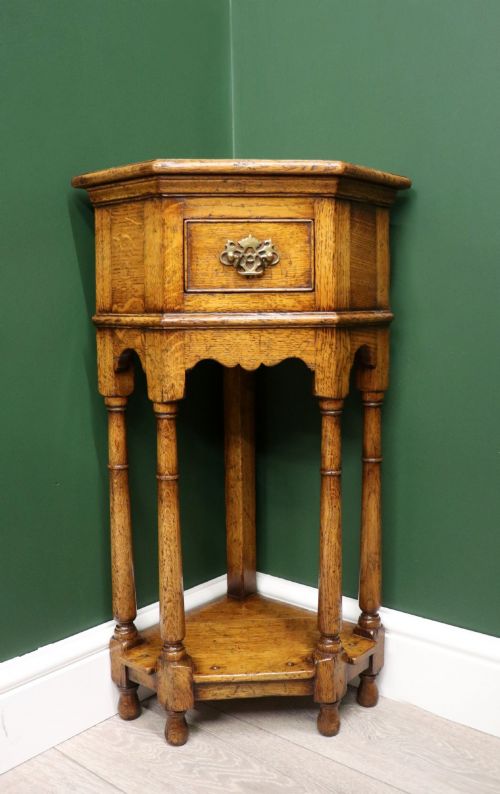
Small accent drawers appear primarily in forms such as side tables, lamp tables, and pembroke tables equipped with built-in storage. These pieces serve practical functions in hallways, bedrooms, and sitting rooms while providing a distinct period character.
The selections span the eighteenth century, the Victorian era, and the early twentieth century. Pieces from the Georgian and Regency periods share space with Edwardian designs and later revivals.
Mahogany and oak dominate the timber choices, frequently joined by walnut, burr walnut, fruitwood, and cherry. Structural formats include drop leaves, serpentine fronts, and simple single-drawer configurations.
Materials and construction
Cabinetmakers utilised native and imported hardwoods, pairing solid timber frames with figured veneers like burr walnut and satinwood. Secondary woods such as elm and birch appear in carcases and internal framing.
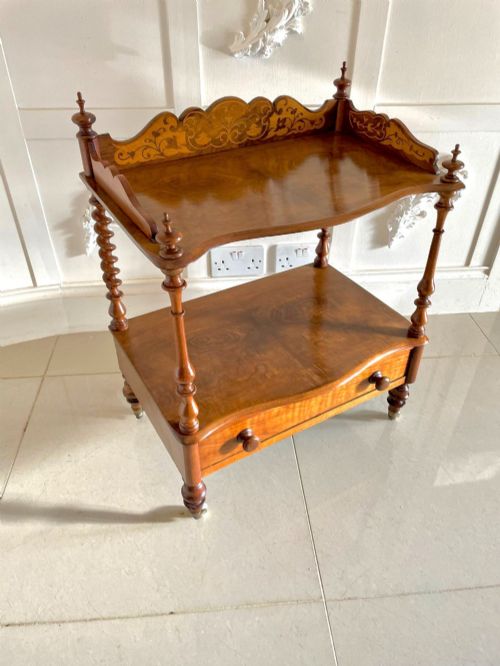
Joinery techniques include hand-cut dovetails for drawer construction and turned elements such as bobbin legs or cabriole supports. Inlaid details, leather inserts, and brass hardware complete the execution of these tables.
Small Accent Drawers Retail Price Guide 2026
Typical asking prices for small accent drawers among the pieces listed under this phrase on Sellingantiques today, from the lower quarter to the upper quarter. They describe what is for sale here now, not the wider market.
The furniture formats include side tables, occasional tables, pembroke tables, and lamp tables with single or multiple drawers.
Quality and execution
The refinement of the timber selection dictates the standing of a piece, particularly when figured veneers or choice cuts of mahogany and walnut are employed. Finer examples display careful book-matching and consistent grain patterns across the top and drawer fronts.
Structural integrity and the retention of original hardware separate standard items from superior specimens. Smooth drawer operation and well-preserved joinery reflect the standard of the original workshop.
The Small Accent Drawers Glossary
- Pembroke table
- A small occasional table featuring hinged drop leaves on two opposing sides. Many examples incorporate a single drawer or dummy drawer at one end.
- Lowboy
- A small dressing table or side table on relatively long legs, typically featuring one or more rows of drawers beneath the top. This form emerged strongly in the eighteenth century.
- Lamp table
- A compact occasional table designed to hold lighting fixtures or decorative objects. These often stand at a convenient height for bedside or sitting room use.
- Drop leaf table
- A table with a fixed centre section and hinged flaps that fold down when not in use. Brackets or swing legs support the leaves when raised.
- Serpentine front
- A furniture front characterised by a curved outline that swells outward in the centre and recesses toward the ends. This shaping requires skilled woodworking.
Small Accent Drawers: Frequently Asked Questions
What rooms suit small accent drawers best?
These compact tables fit narrow hallways, beside seating areas in living rooms, or as bedside surfaces in bedrooms. Their modest footprint allows them to provide surface space and enclosed storage without crowding a room.
Their varied period styles ensure they complement both traditional interiors and mixed modern schemes.
How do I identify a Georgian piece?
Georgian tables often feature dense mahogany, oak, or walnut timbers with restrained proportions and clean lines. Details like hand-cut dovetails in the drawer boxes point to this era of craftsmanship.
Later revival pieces from the Edwardian period imitate these characteristics but frequently employ different internal construction methods.
Are these tables sturdy enough for daily use?
Solid hardwood construction ensures these tables withstand regular placement of lamps, books, and everyday items. Traditional joinery methods provide durable frames that endure over centuries.
Care should be taken with delicate veneer surfaces and antique drawer mechanisms to preserve their condition.
What is burr walnut?
Burr walnut derives from a growth on the walnut tree, yielding timber with intricate, swirling grain patterns. Cabinetmakers sliced this wood into thin veneers to ornament the surfaces of high-status tables.
This material appears prominently on select Edwardian and Victorian pieces.