

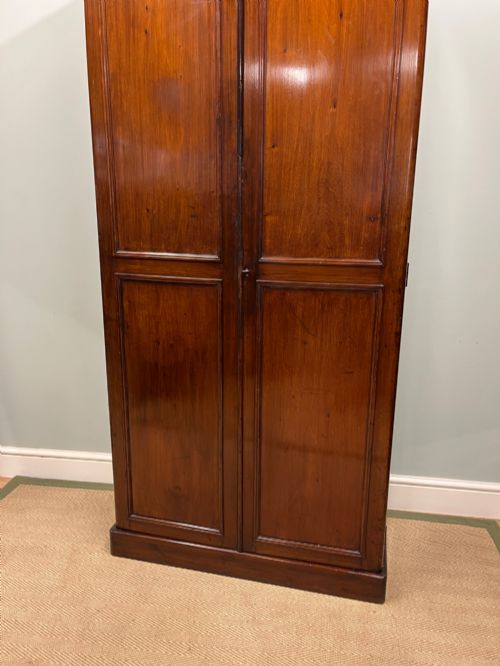
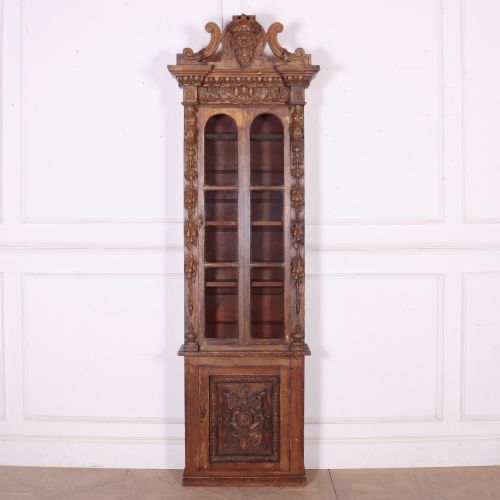


Slim Wooden Cabinet
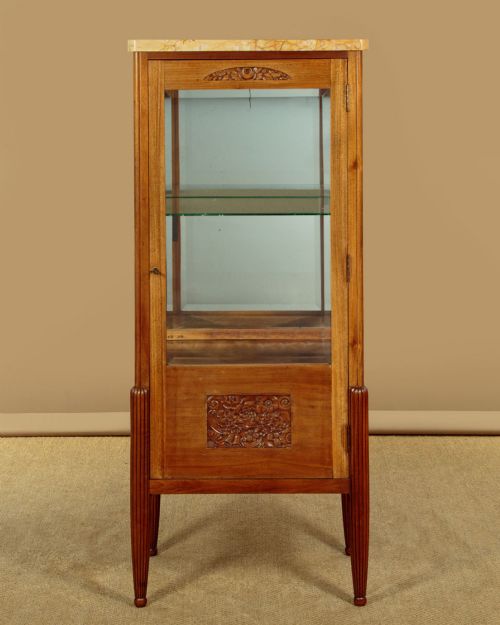
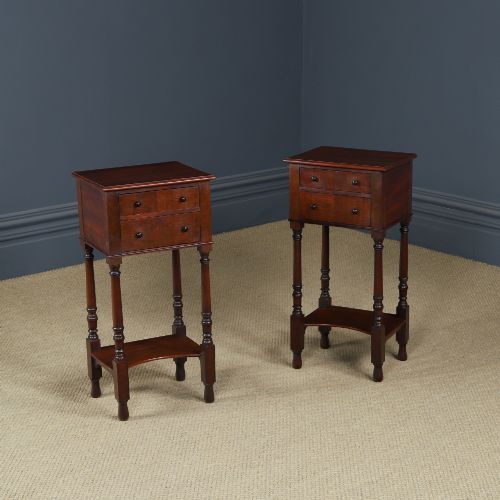
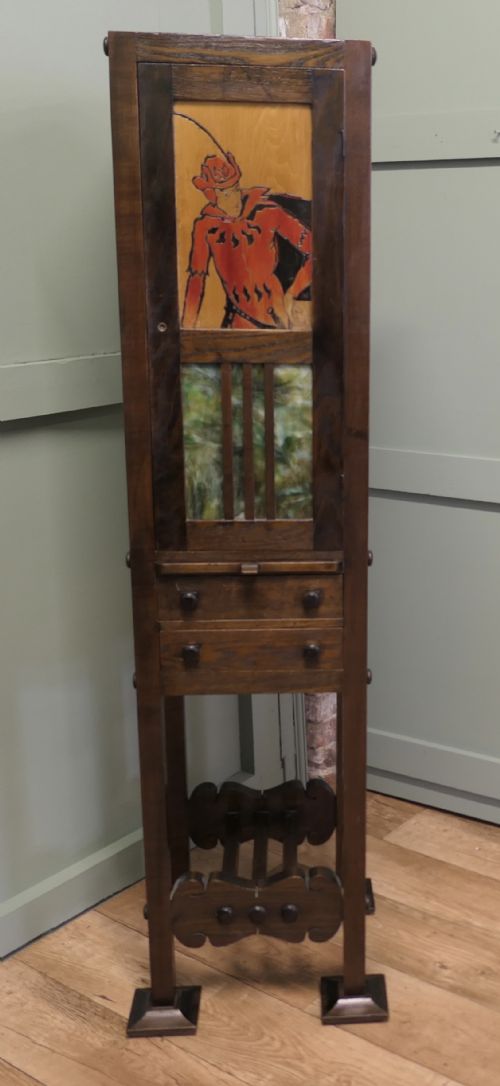
A slim wooden cabinet offers practical storage where floor space is scarce, blending functional proportions with period character.
Slim Wooden Cabinet
A slim wooden cabinet meets the practical demand for vertical storage in tighter spaces, encompassing narrow cupboards, bookcases, and bedside pieces. When searching for a slim wooden cabinet, buyers encounter varied forms spanning the Georgian, Victorian, and Edwardian eras.
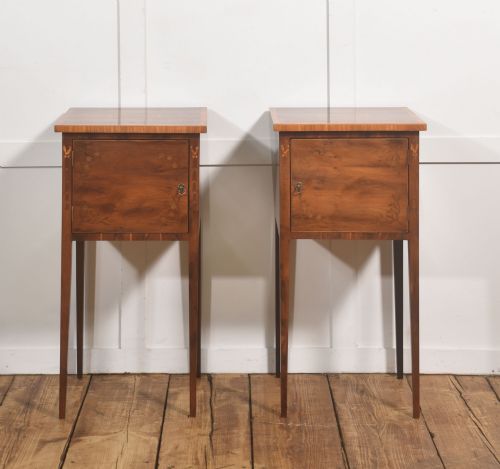
The selection on this page ranges from tall pine chimney cupboards and mahogany bedside pieces to Edwardian music cabinets and inlaid bookcases. These items reflect domestic utility across the nineteenth and early twentieth centuries, constructed in compact footprints.
How they were made
Timbers such as mahogany, oak, pine, and walnut form the primary structural carcasses of these pieces, often enhanced with satinwood inlay or brass hardware. Makers utilised traditional joinery methods suited to narrow proportions.
Surfaces exhibit varying treatments, from clear polished hardwoods and carved pine to painted finishes and delicate marquetry panels characteristic of the Sheraton style.
Slim Wooden Cabinet Retail Price Guide 2026
Typical asking prices for slim wooden cabinet among the pieces listed under this phrase on Sellingantiques today, from the lower quarter to the upper quarter. They describe what is for sale here now, not the wider market.
Listings feature Edwardian, Victorian, and Georgian eras, constructed from mahogany, oak, pine, walnut, and painted hardwood.
What varies in quality
The standard of a slim wooden cabinet rests upon the selection of timber and the precision of decorative details, such as inlaid marquetry or carved panels. Pieces featuring well-figured mahogany or walnut sit at a different level from utilitarian pine storage.
Original hardware, sound structural integrity, and retained keys or fitted interiors elevate the standing of a piece within its period.
Shapland and Petter
The Slim Wooden Cabinet Glossary
- Marquetry
- Decorative veneer work arranged in geometrical or pictorial patterns. This technique was frequently employed on Edwardian and Sheraton style pieces.
- Chimney cupboard
- A tall, narrow storage cupboard traditionally designed to fit into awkward alcoves beside chimney breasts. These pieces maximise vertical space in smaller rooms.
- Bureau
- A desk featuring a hinged sloping flap that covers a fitted interior of pigeonholes and small drawers. Examples often combine this writing surface with compact lower drawers.
- Music cabinet
- A specialised narrow cabinet fitted with internal shelving designed to store sheet music. These items date predominantly to the Edwardian period.
Slim Wooden Cabinet: Frequently Asked Questions
Where should I place a narrow cabinet?
These compact pieces suit hallways, alcoves, or bedrooms where floor space is limited. Their vertical proportions provide storage without dominating a smaller room.
Ensure you measure both the floor footprint and vertical clearance before positioning a tall bookcase or cupboard.
How do I identify an Edwardian piece?
Edwardian items often display lighter timbers, satinwood inlay, and refined proportions influenced by earlier revival styles. They typically date from the early twentieth century.
Check interior construction and secondary woods to confirm the period alongside exterior styling details.
What is the difference between a cupboard and a bureau?
A cupboard provides enclosed shelving or hanging space behind doors, while a bureau incorporates a fold-down writing slope over drawers. Both offer practical vertical storage in different formats.
Consider whether you require display space, general storage, or a writing surface when choosing between forms.
How should I care for antique timber?
Maintain antique wood by keeping it away from direct heat sources and sudden temperature fluctuations. Regular dusting with a soft, dry cloth preserves the polished surface.
Apply appropriate wax polish sparingly only when the timber appears dry, avoiding modern silicone sprays.