

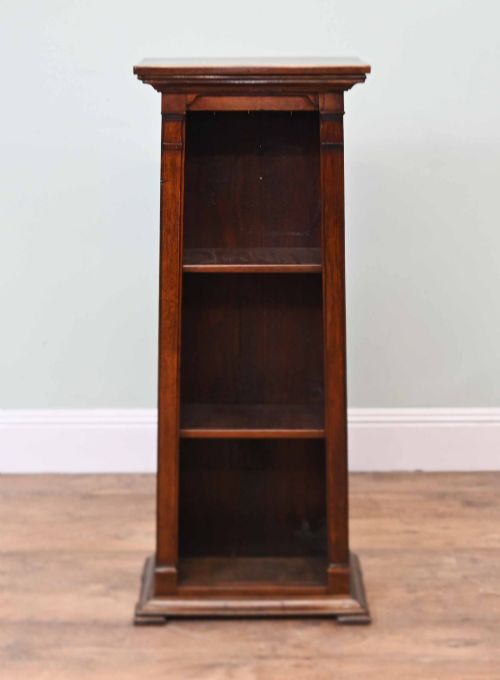
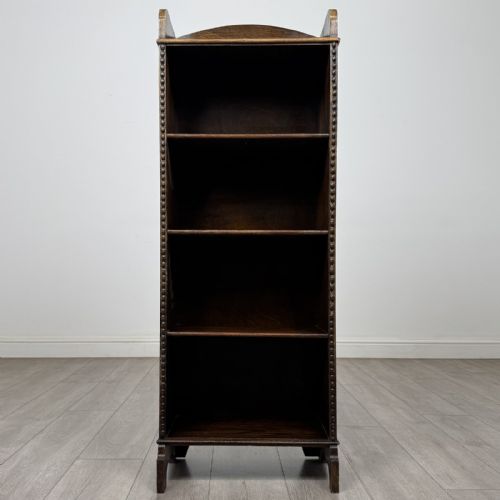
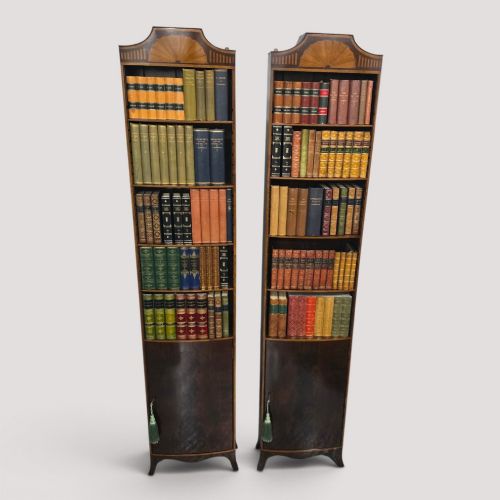
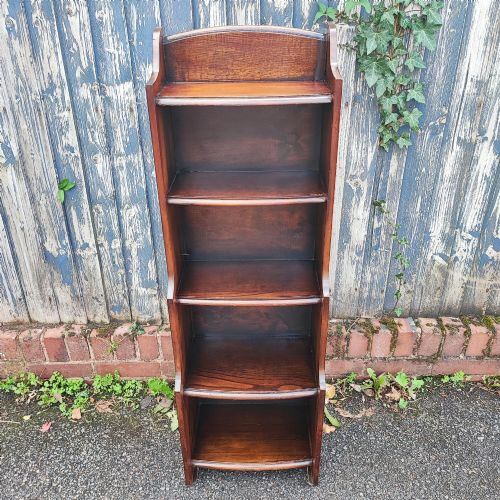


Slim Wood Bookshelf
A slim wood bookshelf provides compact storage for tight spaces, bringing character and practical organisation to any room.
Slim Wood Bookshelf
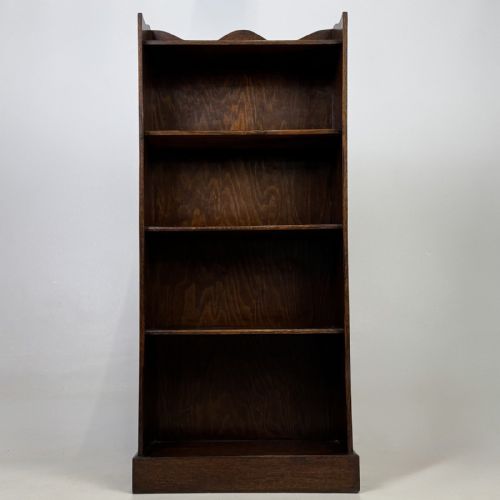
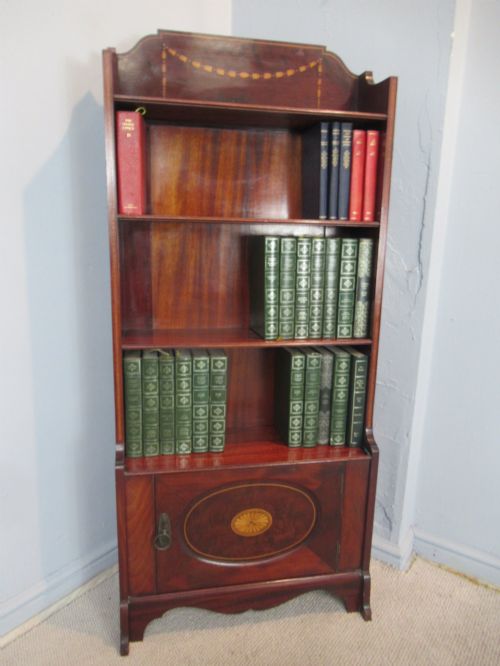
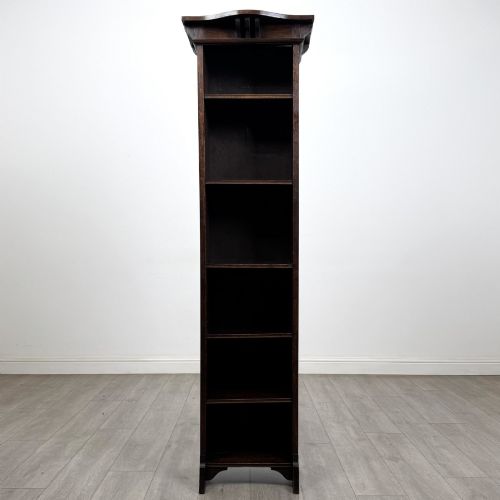
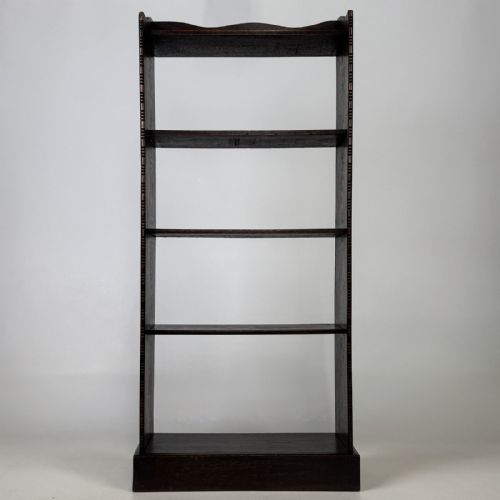
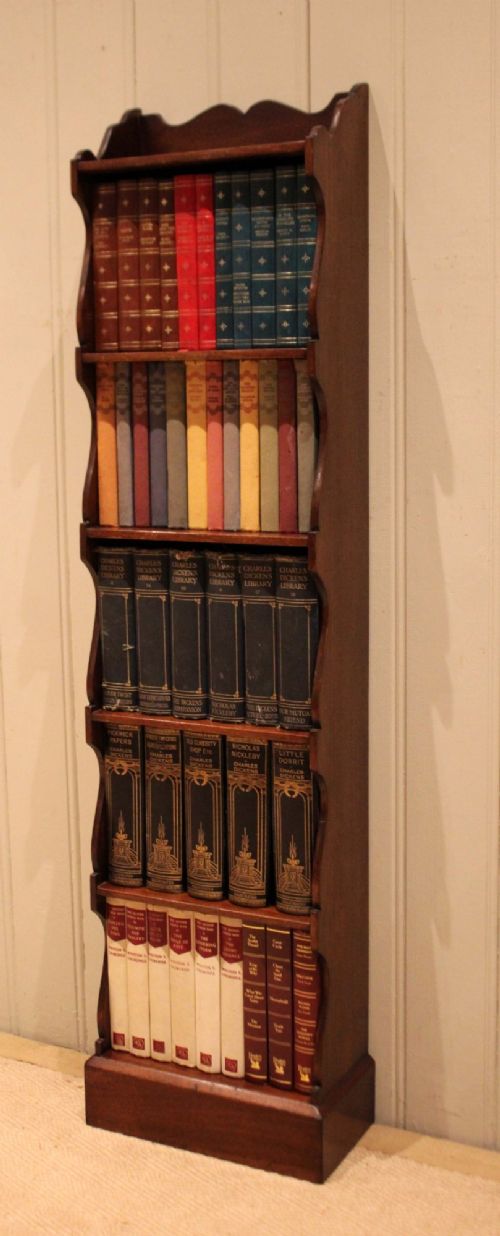
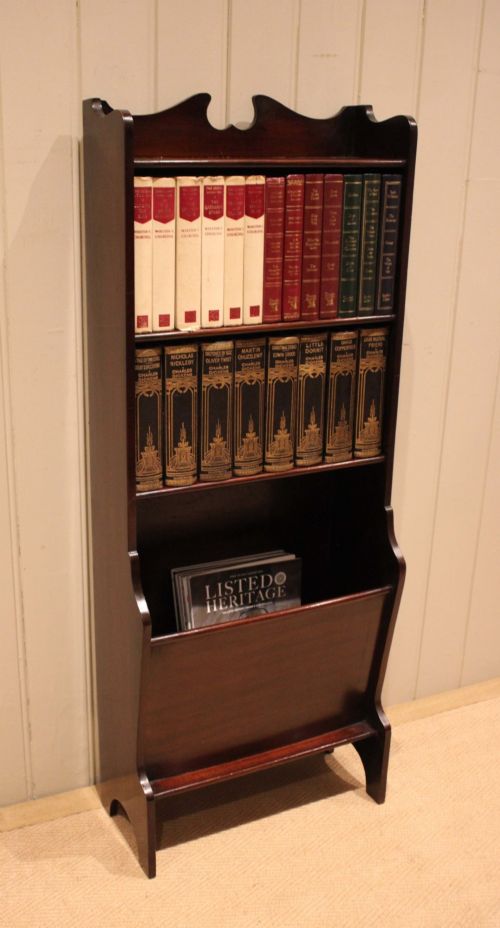
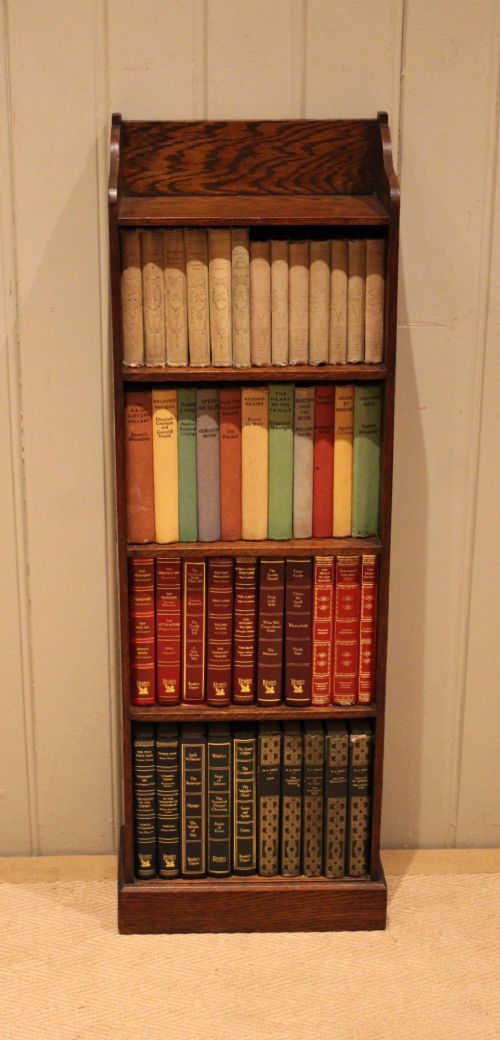
A slim wood bookshelf is an upright furniture piece designed to hold books in confined spaces while offering display surfaces. The selections seen here span the Victorian, Edwardian, and early 20th century periods, showcasing traditional British craftsmanship.
Materials and construction methods
Makers utilised solid hardwoods like oak and mahogany, often pairing them with decorative elements such as satinwood inlay or burr walnut veneers. Brass fixtures sometimes appear on these items to provide functional accents.
Construction techniques focus on creating tall, narrow carcasses capable of supporting heavy volumes without losing stability. Details like arched galleries, bow front shelves, and raised backs required skilled carpentry and joinery.
Slim Wood Bookshelf Retail Price Guide 2026
Typical asking prices for slim wood bookshelf among the pieces listed under this phrase on Sellingantiques today, from the lower quarter to the upper quarter. They describe what is for sale here now, not the wider market.
Design styles span from Victorian and Edwardian periods to Arts and Crafts and Sheraton Revival.
Evaluating craftsmanship and design
The integrity of the construction and the preservation of original surfaces dictate the desirability of each piece. Finer items demonstrate careful timber selection, particularly where burr walnut or figured mahogany is employed.
The Slim Wood Bookshelf Glossary
- Open bookcase
- A shelving unit without doors that allows direct access to books from the front. This form dominates the current selection.
- Gallery
- A raised decorative border along the top edge of a piece, designed to prevent items from sliding off. Edwardian examples often feature arched or raised variants.
- Satinwood inlay
- Contrasting light wood veneer embedded into the primary timber surface to create decorative patterns. It frequently graces late nineteenth and early twentieth century items.
- Burr walnut
- Highly figured wood veneer taken from the growth excrescences of walnut trees. It provides a rich, mottled pattern on select surfaces.
Slim Wood Bookshelf: Frequently Asked Questions
What periods do these bookcases represent?
The pieces span from the nineteenth century through the Edwardian era and into the early twentieth century. This covers Victorian, Arts and Crafts, and revival styles.
Craftsmen during these periods favoured durable timbers like oak and mahogany, adapting traditional forms for smaller domestic spaces.
How were these tall bookcases used originally?
They served to store and display modest collections of literature in studies, parlours, and bedrooms where floor space was limited.
The narrow footprint allowed them to fit into alcoves and narrow passages while keeping volumes within easy reach.
Are the shelves usually adjustable?
Some pieces incorporate adjustable shelving mechanisms to accommodate books of varying heights, though many retain fixed wooden shelves.
Checking the specific description helps determine the configuration of the internal space.
How do I identify a revival style?
Revival styles borrow decorative vocabulary from earlier historical periods, such as Queen Anne or Sheraton designs, while being manufactured later.
Cabinetmakers in the early twentieth century frequently drew on these classic motifs to appeal to traditional tastes.