


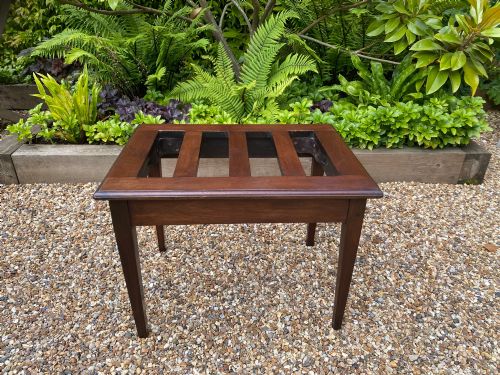


Slatted Wood Bench
A slatted wood bench brings practical utility and enduring joinery to domestic and outdoor spaces alike.
Slatted Wood Bench
A slatted wood bench encompasses several distinct domestic and garden forms found across multiple periods. The selection on this page ranges from compact bedroom luggage stands to substantial outdoor garden seating.
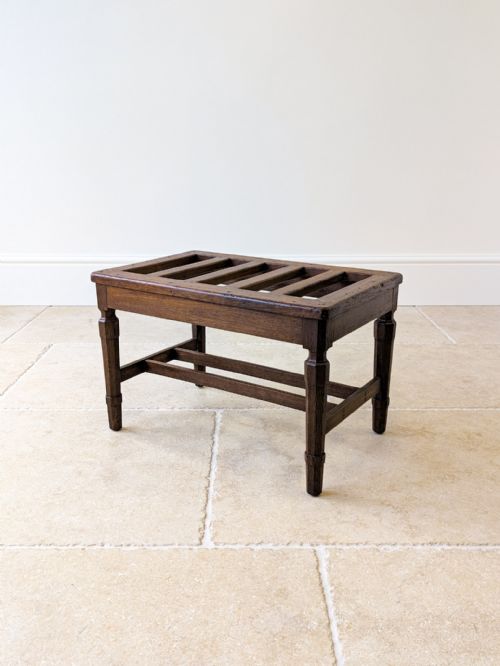
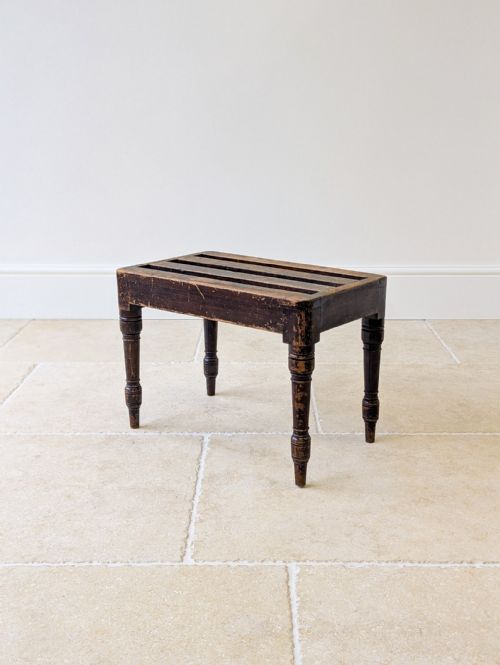
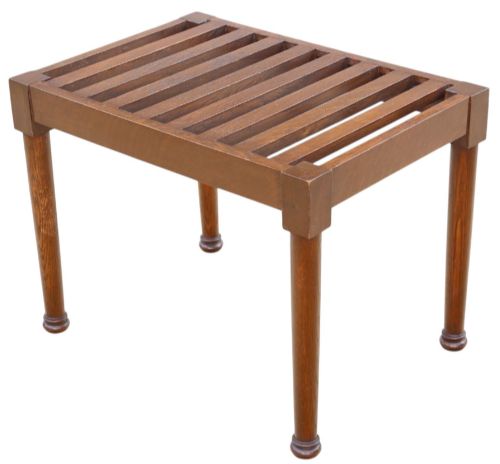
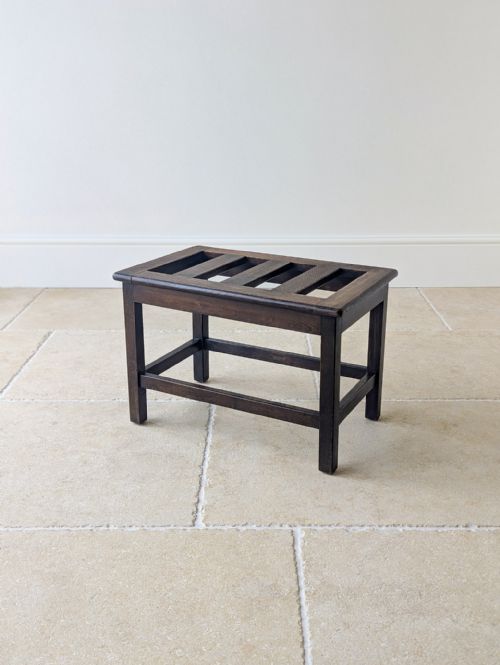
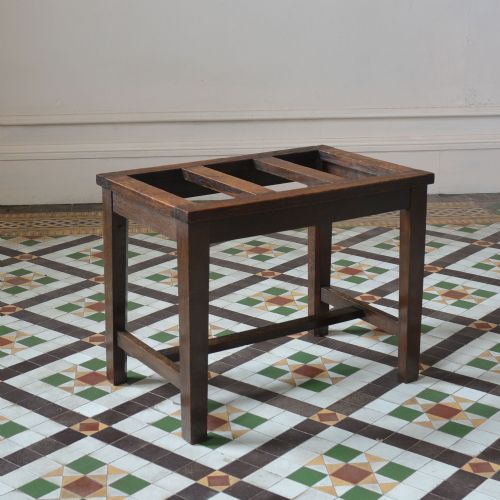
Indoor examples appear as luggage stands and racks originating in the Victorian, Edwardian, and 1920s periods. These domestic pieces utilise timbers such as oak, mahogany, ash, beech, and yew wood.
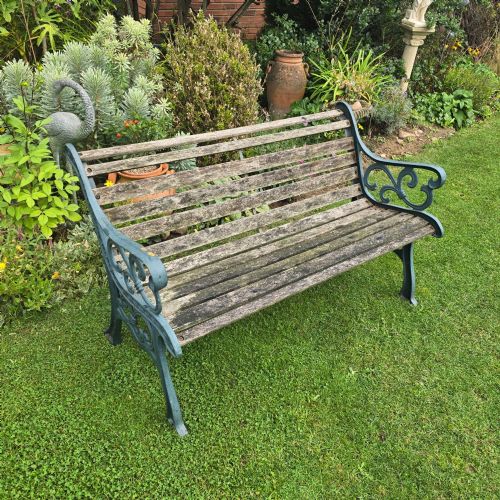
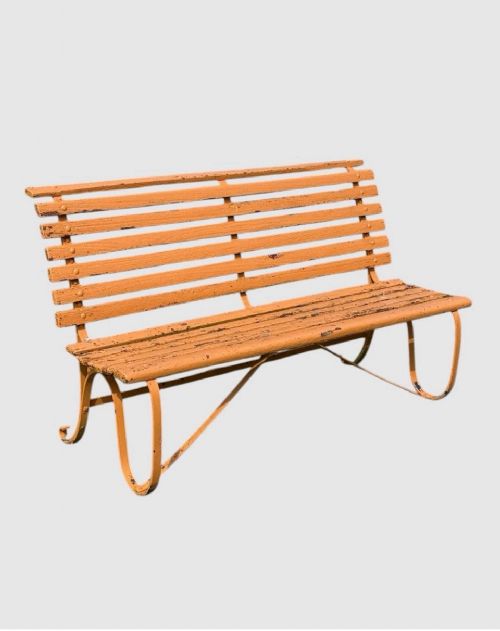
Outdoor iterations include garden benches, tree seats, and daybeds constructed from teak, hardwood, and cast iron. Buyers seeking a slatted wood bench will encounter both formal indoor folding stands and robust park furniture.
Construction and materials
Makers constructed these pieces using a combination of dense hardwoods and structural metalwork. Oak, mahogany, teak, elm, ash, and beech form the wooden slatted surfaces and frames.
Cast iron elements provide heavy structural support and decorative end panels for the garden seating varieties. Joinery techniques connect the individual wooden slats to sturdy timber or iron uprights, ensuring durability for daily weight bearing.
Slatted Wood Bench Retail Price Guide 2026
Typical asking prices for slatted wood bench among the pieces listed under this phrase on Sellingantiques today, from the lower quarter to the upper quarter. They describe what is for sale here now, not the wider market.
Listings feature items dated across the eighteenth, nineteenth, and twentieth centuries, using oak, mahogany, teak, ash, beech, elm, and cast iron.
Assessing quality
Quality rests in the selection of timber and the integrity of the structural joinery. Dense hardwoods like mahogany and oak indicate superior domestic pieces, while heavy cast iron denotes robust outdoor furniture.
The precision of the slat spacing and the condition of the surface finish distinguish finer examples. Well-weathered exterior timber shows an even silvered patina, whereas indoor racks rely on tight joints and unwarped wooden slats.
Brown and Lamont
The Slatted Wood Bench Glossary
- Luggage stand
- A low folding or rigid rack designed for holding trunks and cases in a bedroom. These typically feature slatted wooden tops.
- Cast iron
- A strong, heavy iron-carbon alloy used extensively for the structural ends and decorative frames of park and garden seating.
- Tree bench
- A circular or polygonal garden seat built around the trunk of a mature tree. The wooden slats follow the curve of the framework.
- Daybed
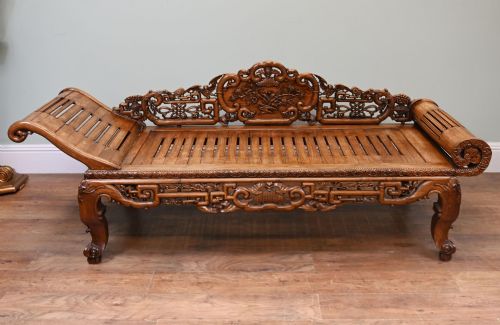
- A form of extended seating or lounging furniture, occasionally represented by carved hardwood opium bed variations. These incorporate slatted bases or platforms.
Slatted Wood Bench: Frequently Asked Questions
What periods do these benches cover?
The listings span from the eighteenth century through the Victorian and Edwardian eras into the early twentieth century. Mid-century modern and Qing dynasty examples also appear among the selections.
This broad chronological range includes both nineteenth-century domestic luggage racks and twentieth-century garden seating.
How were luggage stands used?
Bedrooms utilised these stands to hold guest luggage off the floor at a convenient height for packing and unpacking. The slatted top provided a sturdy, ventilated surface for heavy trunks.
Their folding designs allowed for simple storage when not in service within the home.
Are these pieces suitable for outdoor use?
Suitability depends entirely on the specific type and timber used in construction. Garden benches and tree seats utilise weather-resistant materials like teak, hardwood, and cast iron.
Indoor luggage stands consist of domestic timbers such as mahogany and oak which require shelter from moisture.
What woods appear in these listings?
Makers employed a variety of domestic and exotic timbers depending on the intended function. Oak, mahogany, ash, beech, elm, and yew wood dominate the indoor luggage racks.
Outdoor seating frequently incorporates teak and general hardwoods alongside cast iron components.