





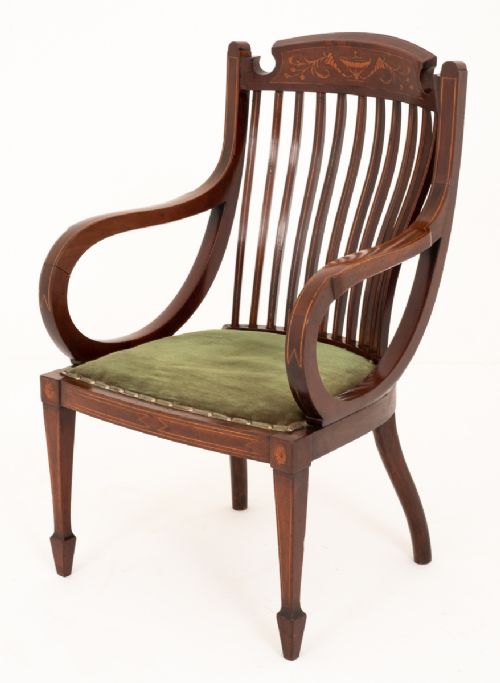
Slat Back Mahogany Armchair
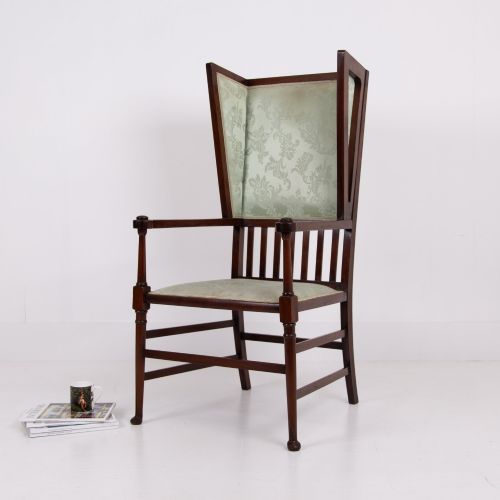
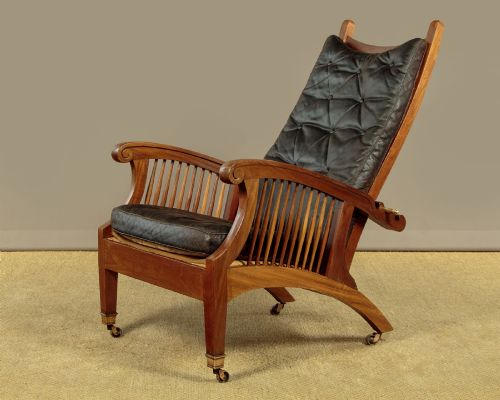
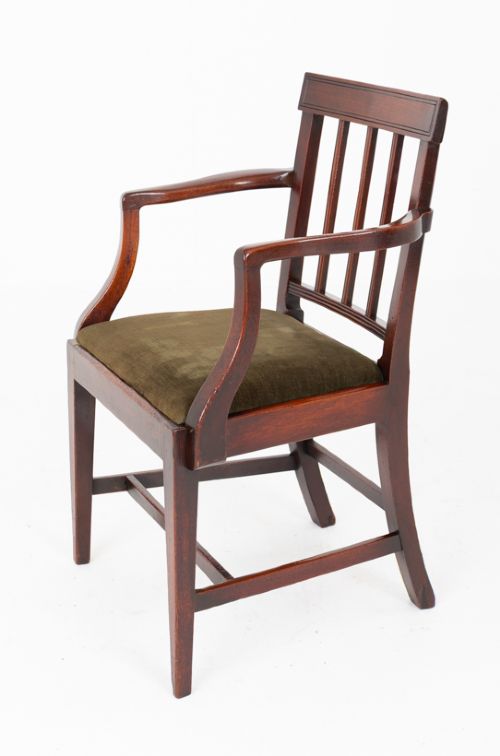
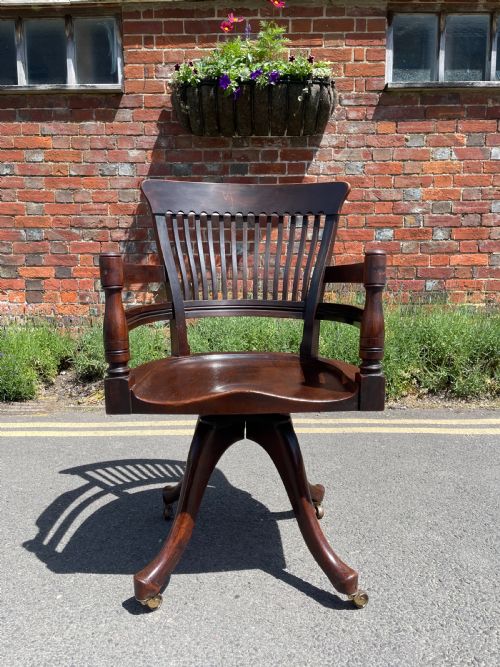
These slat back mahogany armchair examples combine sturdy timber construction with supportive upright bracing, offering a practical seating option for desks and dining rooms.
Slat Back Mahogany Armchair
A slat back mahogany armchair provides sturdy seating built primarily from dense tropical timber, appearing in forms ranging from library seats to office chairs. Buyers searching for a slat back mahogany armchair encounter items spanning the eighteenth century through the Edwardian period and into nineteen hundred.
The selection includes dining chairs, swivel office seats, desk chairs, and salon carvers featuring wooden uprights. Many examples incorporate upholstered pads in fabric, leather, or velvet, alongside occasional wood inlay and brass details.
Edwardian interpretations and George III library versions dominate the available forms, reflecting both formal dining requirements and domestic study needs. The underlying timber remains consistently dark mahogany, sometimes paired with secondary woods like beech.
How they were made
Joiners constructed these frames using solid mahogany, shaping the back slats and arm supports to balance strength with comfort. Selected pieces incorporate delicate wood inlay to accent the vertical wooden uprights.
Upholstered elements employ traditional stuffing covered in materials such as leather, velvet, tapestry, and plain fabric. Metal components like brass swivel mechanisms and iron hardware appear on specific desk and office variations.
Slat Back Mahogany Armchair Retail Price Guide 2026
Typical asking prices for slat back mahogany armchair among the pieces listed under this phrase on Sellingantiques today, from the lower quarter to the upper quarter. They describe what is for sale here now, not the wider market.
Several armchairs moonlight as office seating, proving that nineteenth-century clerks took their comfort very seriously indeed.
What varies in quality
The refinement of the timber grain and the precision of the joinery set finer examples apart from standard utility seating. Subtle details in the shaping of the back slats and the execution of wood inlay indicate higher workshop standards.
The integration of functional hardware, such as smooth-operating swivel mechanisms and durable upholstery fabrics like leather or velvet, distinguishes superior library and office models from simpler dining variants.
E.W. Godwin
The Slat Back Mahogany Armchair Glossary
- Mahogany
- A durable tropical hardwood known for its reddish-brown colour and fine grain. It serves as the primary structural material for these frames.
- Slat back
- A chair back constructed with vertical wooden slats providing rigid support. This design appears frequently in dining and office seating.
- Carver chair
- An armchair designed to match a set of dining chairs, usually placed at the table ends. These often feature open arms and upholstered drop-in seats.
- Inlay
- Pieces of contrasting wood or other materials fitted into depressions flush with the surface. It decorates the crest rails and back panels of Edwardian pieces.
- Swivel mechanism
- An iron or brass fitting beneath the seat allowing rotation. This mechanical addition appears on nineteenth and twentieth-century desk chairs.
Slat Back Mahogany Armchair: Frequently Asked Questions
What is a slat back mahogany armchair?
A slat back mahogany armchair is a wooden seat featuring vertical back slats and armrests, constructed from dark mahogany timber. These pieces function as desk chairs, dining carvers, or library seating.
They bridge domestic and working spaces, utilising sturdy wood frames designed to withstand daily use.
How do I identify an Edwardian mahogany armchair?
Edwardian examples often feature lighter proportions, subtle wood inlay, and upholstered elements covered in fabric, velvet, or leather. They reflect revival styles popular around nineteen hundred.
Comparing the stretcher arrangement and inlay patterns helps distinguish them from heavier eighteenth-century versions.
Were these chairs used at desks?
Many mahogany armchairs function as desk or office chairs, occasionally fitted with swivel mechanisms and brass or iron hardware. Nineteenth-century examples often adapt the form for working environments.
Swivel desk variants combine the traditional slat back design with adjustable seating bases.
What materials cover the seats?
Upholstered pads on these chairs utilise leather, velvet, tapestry, or woven fabric over traditional stuffing. Some variants feature drop-in seats or fully upholstered cameo backs.
The choice of covering often reflects the specific period and intended room use, from formal salons to studies.
How do George III chairs differ?
George III pieces date from the eighteenth century and generally display heavier proportions and simpler lines without Edwardian inlay work. Their construction relies on solid mahogany framing.
Library and dining armchairs from this era focus on robust joinery and functional wooden arm supports.