

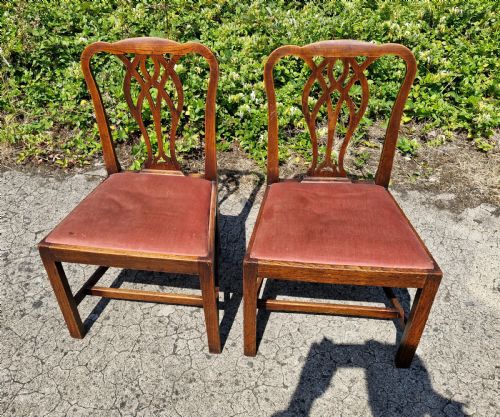


Single Hall Chair
A single hall chair is a striking timber seat built to command an entranceway, offering historic character and robust architectural presence.
Single Hall Chair
A single hall chair is a formal entranceway seat designed to make an immediate visual impression on visitors while remaining practical for brief use.
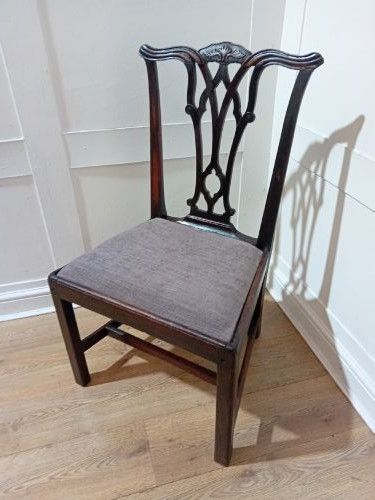
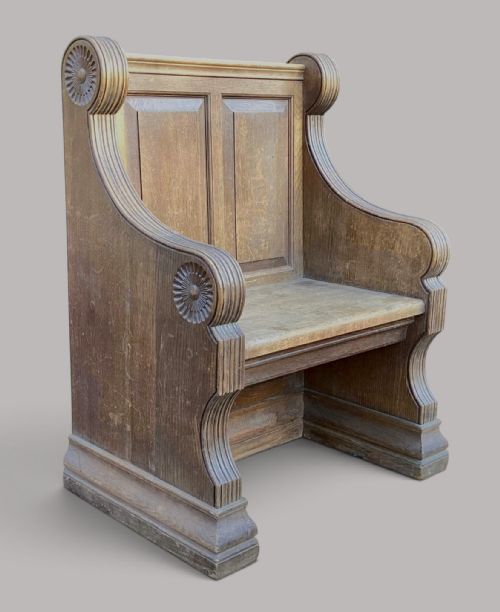
These pieces emerge across several distinct periods in the evidence, spanning sturdy 17th Century carved oak designs through to refined George III mahogany examples and ornate Victorian Gothic styles.
While some listings record side chairs and dining chairs performing this role, the core focus remains on singular timber seats created for hallways, landings, and vestibules.
How They Were Made
Cabinet makers relied primarily on solid timbers such as mahogany, oak, walnut, and pine, shaping frames through traditional joinery and hand carving.
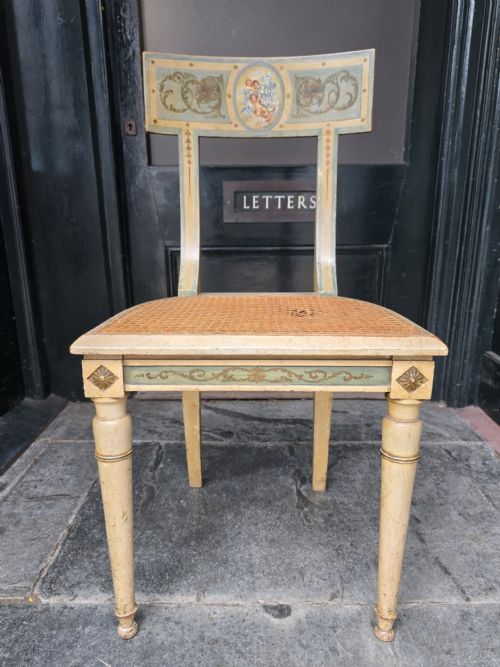
Decoration often involved detailed surface work, including architectural mouldings, carved central splats, painted finishes, and applied fabric or tapestry upholstery.
Single Hall Chair Retail Price Guide 2026
Typical asking prices for single hall chair among the pieces listed under this phrase on Sellingantiques today, from the lower quarter to the upper quarter. They describe what is for sale here now, not the wider market.
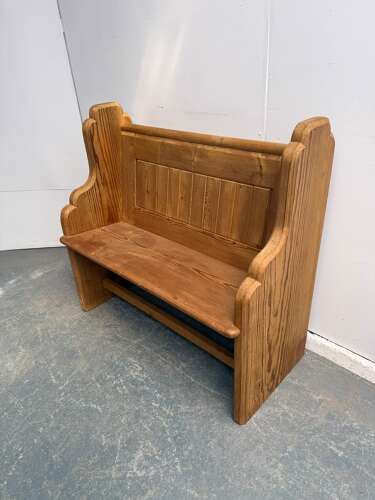
Pine church pews occasionally double as hall seats, proving that even ecclesiastical timber finds a second life in the hallway.
What Varies in Quality
The distinction between standard examples and superior pieces rests on the crispness of the timber carving and the architectural ambition of the overall form.
Subtleties in the selection of figured mahogany or deeply patinated oak elevate certain items, alongside the presence of accomplished decorative details like needlepoint or brass accents.
The Single Hall Chair Glossary
- Splat
- The vertical wooden strip down the centre of a chair back. It often receives the most elaborate carving or shaping on these chairs.
- Side chair
- A rigid, upright chair without arms designed for placement against a wall or around a table. Many single hall chairs share this practical form.
- Gothic Revival
- An architectural and decorative style drawing on medieval motifs. Pieces from this movement feature pointed arches and heavy carved tracery.
- Needlepoint
- A type of canvas work embroidery used for upholstery. It provides durable and colourful covering for seat pads.
Single Hall Chair: Frequently Asked Questions
Where did people put a single hall chair?
These chairs stood in entrance halls, corridors, and vestibules of large houses. Guests used them briefly while waiting to be announced.
They also served decorative purposes to fill empty wall spaces in grand reception areas.
How do I spot a 17th century oak chair?
Seventeenth-century pieces display dense, heavy oak construction with dark patination. Joinery relies on traditional pegs and unadorned structural frames.
Carving on these early examples tends to be geometric or linear rather than flowing.
Are these chairs comfortable to sit on?
Hall chairs were built for posture and display rather than extended lounging. Most feature solid timber seats without padding.
Some variations include upholstered needlepoint pads for a slightly softer surface.
What is the difference between Georgian and Victorian styles?
Georgian pieces from the 18th century favour balanced proportions and refined mahogany timbers. Carving is restrained and classical in inspiration.
Victorian designs embrace heavier proportions, darker finishes, and dramatic Gothic Revival or heavily carved motifs.