




Silvered Glass Pendant Lights
Silvered glass pendant lights bring reflective depth and historical character to a room, drawing the eye with their gleaming metallic surfaces.
Silvered Glass Pendant Lights
Silvered glass pendant lights encompass hanging ceiling fixtures defined by mirrored, mercury-coated, or silver-toned glass components paired with materials like brass, bronze, steel, and crystal. When searching for silvered glass pendant lights, buyers encounter variations spanning the nineteenth century, the Edwardian era, and the nineteen-twenties.
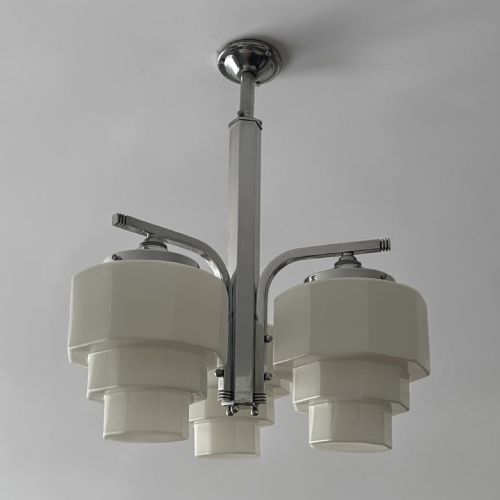
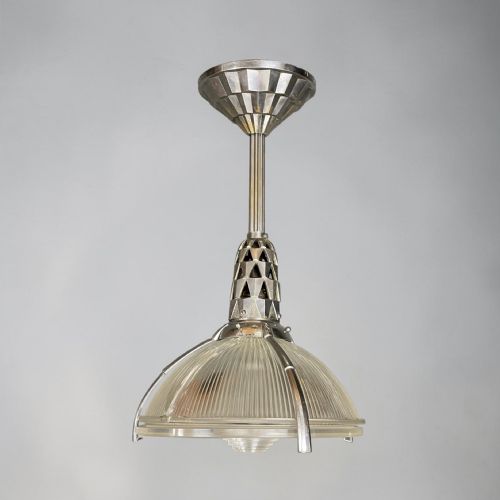
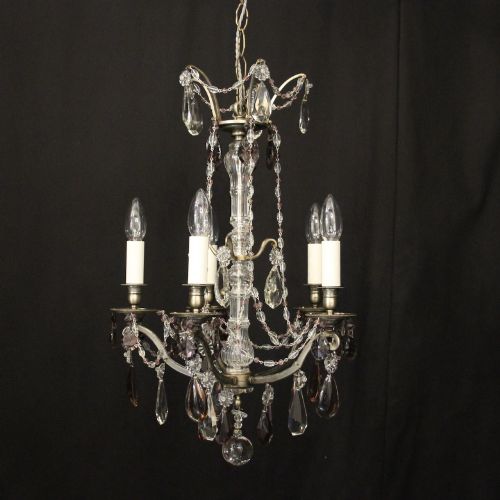
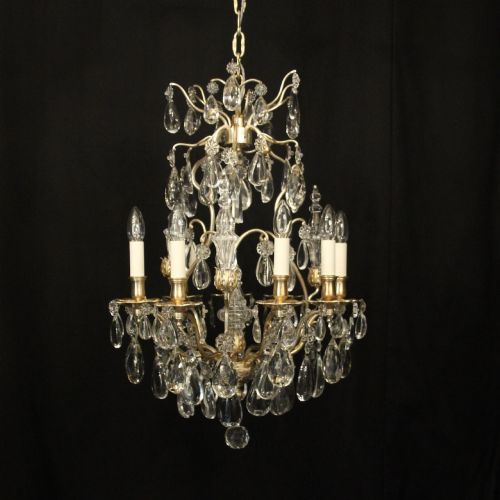
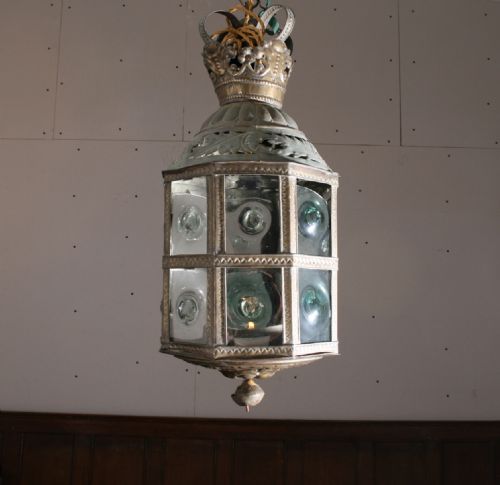
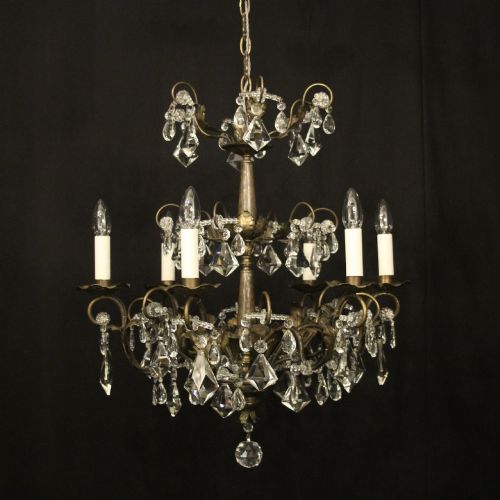
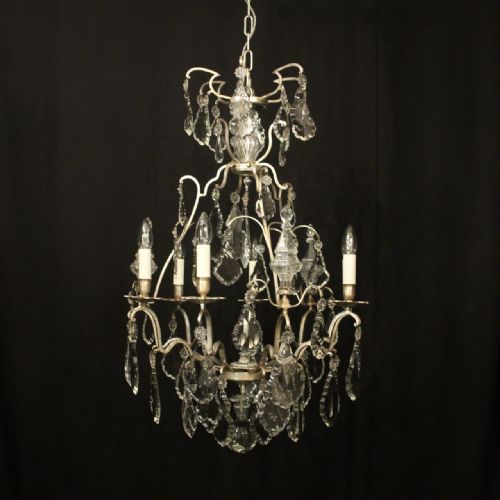
The selection on this page ranges from large lanterns with hand-blown bulls eye glass to Art Deco chrome designs and multi-light chandeliers influenced by French Chateau and Italian Neo-Classical styles. Pendant lights and hanging lanterns form the core of these listings, alongside related ceiling lighting and dish lights.
Many examples originate from French workshops or English makers, incorporating silver gilt, silver plate, and cut glass into substantial hanging fixtures. These pieces function as central illumination sources while offering the distinct optical qualities of historical mirrored glass.
Materials and construction techniques
Makers combined blown and cut glass with structural metals such as brass, bronze, steel, and chrome to support the weight of larger fixtures. Silver gilding and silver plating were frequently applied to metal mounts and frames to complement the reflective interior or exterior of the glass shades.
Swan style frames glide silently across the ceiling, proving that nineteenth-century engineers were secret ornithologists.
Distinctions in craftsmanship and preservation
Quality rests in the weight and integrity of the metal framework, whether cast bronze, heavy brass, or structural steel, compared to lighter plated alternatives. The depth and stability of the silvering on the glass also separate standard production from superior examples.
Original glass elements, uniform mercury mirroring, and intact crystal dressings retain greater historical authenticity than later replacements. The crispness of chased details on silver-gilded mounts indicates the skill of the original workshop.
F&C Osler·Wedgwood·Émile-Jacques Ruhlmann
The Silvered Glass Pendant Lights Glossary
- Silvered glass
- Glass treated with a reflective metallic coating on the inner surface to create a mirrored effect. This technique produces a soft, diffuse glow rather than direct transparency.
- Mercury glass
- A term used for double-walled blown glass coated on the inside with a silver liquid mixture, popular in the nineteenth and early twentieth centuries. It creates a silvery, antique reflection.
- Chandelier
- A branched, suspended ceiling light designed to hold multiple bulbs or candles. Historical versions incorporate numerous crystal drops and metal arms.
- Hall lantern
- An enclosed hanging light fixture originally designed for entrance hallways and corridors. They often feature glazed panels held within a metal frame.
- Cut glass
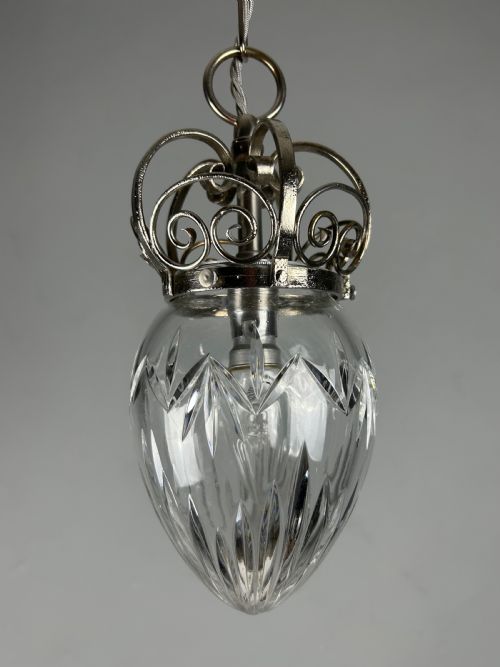
- Glass decorated by grinding facets and patterns into the surface using a rotating wheel. This process increases the refractive sparkle of pendant lights.
Silvered Glass Pendant Lights: Frequently Asked Questions
How do I hang a heavy pendant light?
Heavy fixtures require secure ceiling joists and appropriate metal fixings to support the combined weight of glass, metal, and crystal. Professional installation ensures the wiring and suspension chains meet current safety standards.
Consult an electrician to assess the ceiling capacity before hanging antique chandeliers or large lanterns.
Can these lights be rewired safely?
Most antique lighting requires rewiring to comply with modern electrical regulations before domestic installation. Qualified restorers can update internal flex and lamp holders while preserving the original metalwork.
Rewiring ensures the fixture operates safely without altering the exterior historical appearance.
What rooms suit a lantern style?
Hanging lanterns suit high-ceilinged entrance halls, stairwells, and reception rooms where their enclosed form provides directional illumination. Their vertical proportions fit narrow spaces effectively.
Placement depends on ceiling clearance and the physical scale of the room.