





Silvered Glass Light
A silvered glass light brings a cool, mirrored sheen to a room, casting reflections that standard clear fixtures simply cannot match.
Silvered Glass Light
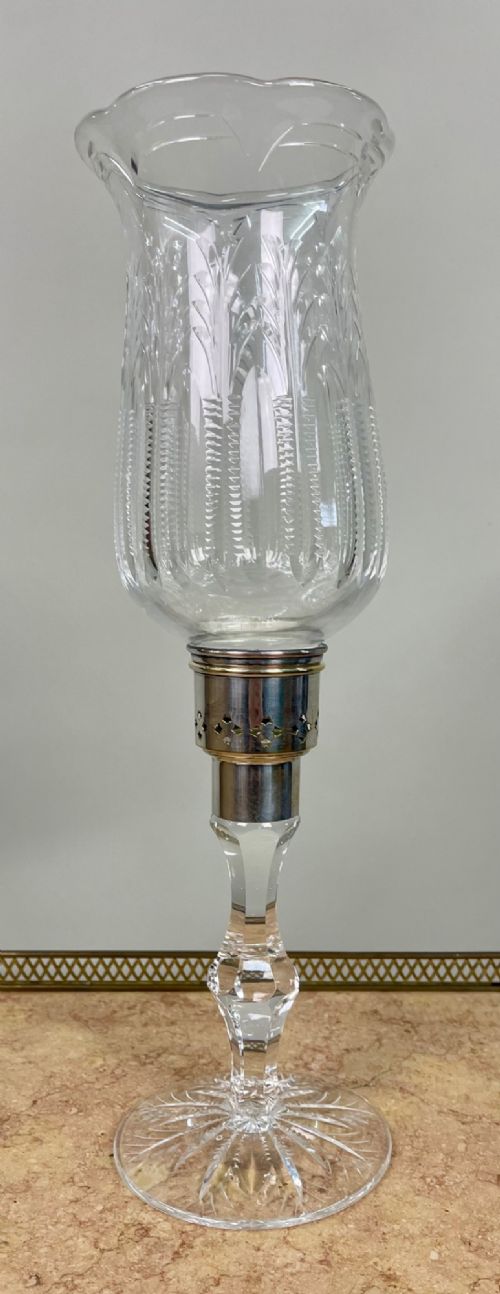
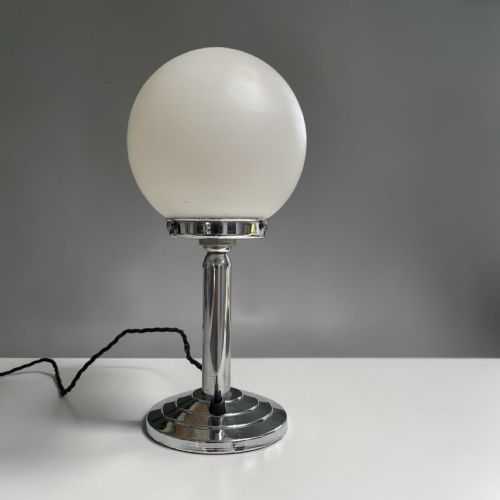
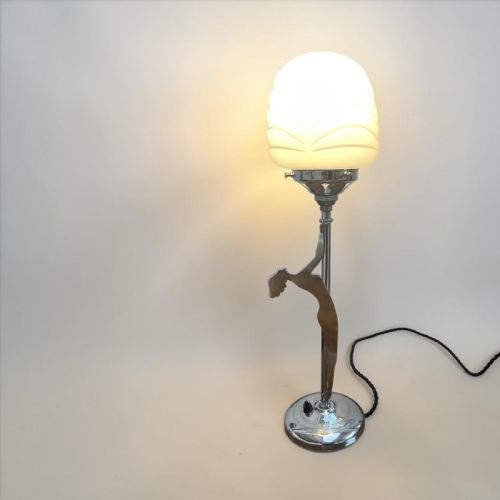
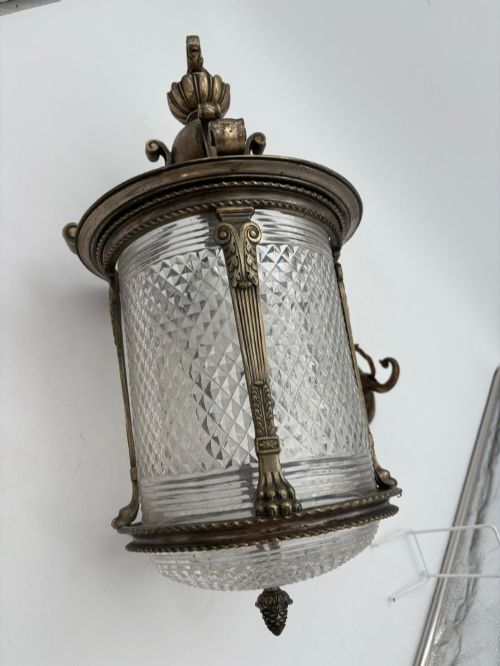
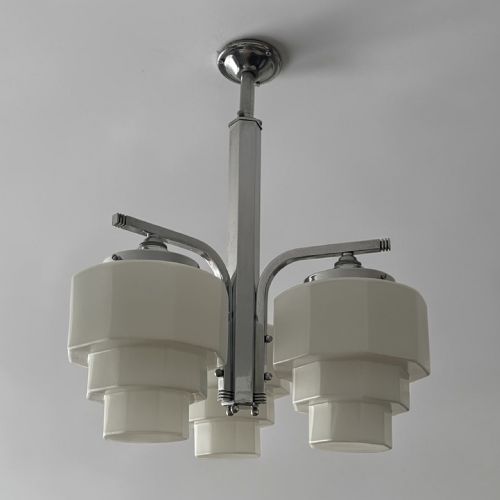
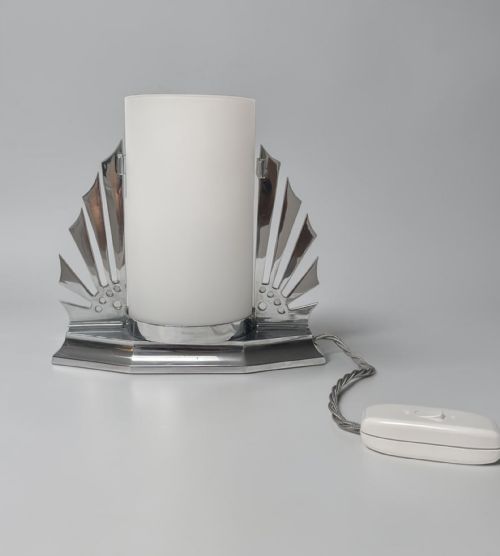
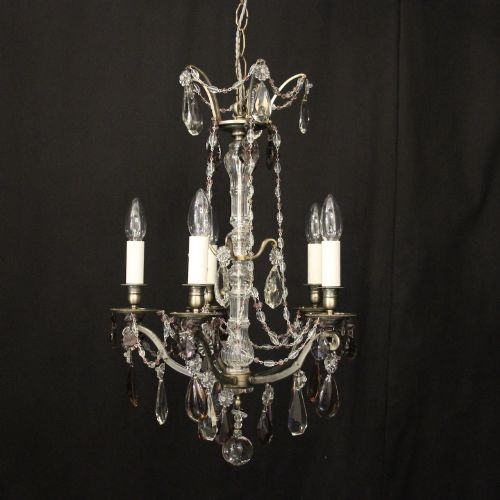
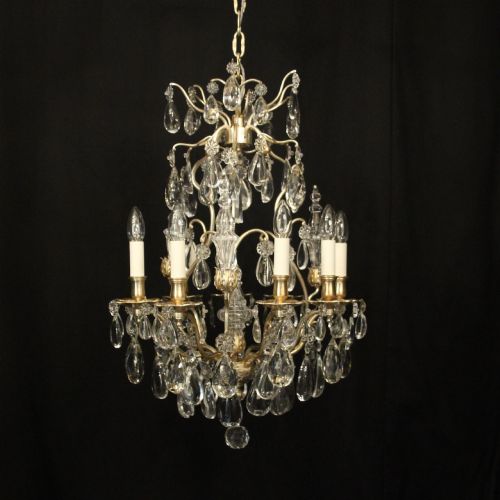
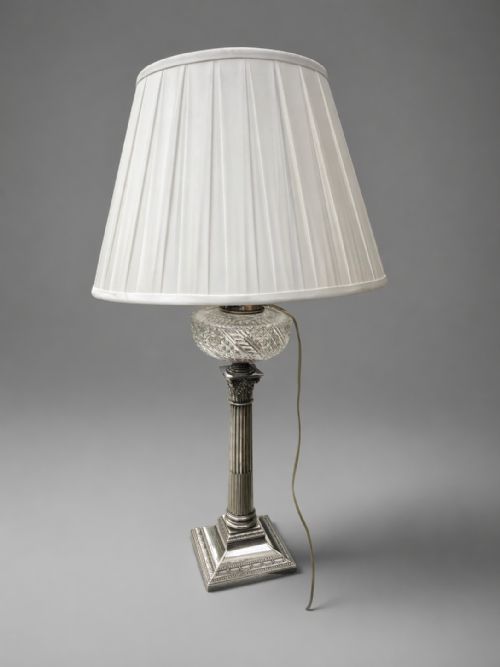
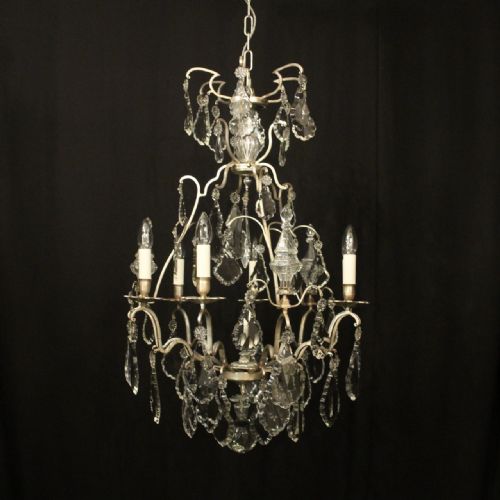
A silvered glass light encompasses a range of illuminating forms, spanning from grand chandeliers to compact table lamps and wall sconces. When exploring a silvered glass light, buyers frequently encounter pieces dating from the nineteenth century through to the art deco period of the nineteen-thirties.
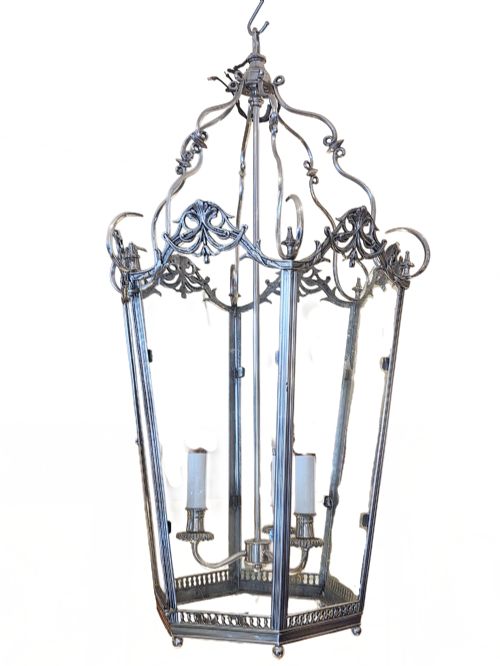
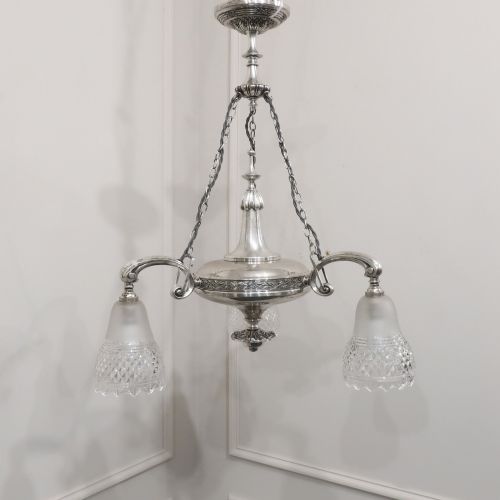
The selection here draws heavily upon French designs, including gilded bronze lanterns and multi-arm chandeliers, alongside British Victorian domestic lamps and polished twentieth-century chrome fixtures. These objects served to illuminate grand salons, corridors, and parlours, utilising mirrored surfaces to amplify the spread of candlelight or early electric bulbs.
Materials and construction methods
Makers combined blown or moulded glass with metallic elements such as brass, bronze, chrome, and silver plate to build structural integrity and visual contrast. The inner surfaces of the glass often received a silvering compound, creating a mercury-mirrored effect that catches and reflects ambient illumination.
Heavier frames utilise cast brass or steel to support the weight of crystal drops and multi-light tiers, particularly in larger French chandeliers and hall lanterns. Skilled metalwork and hand-blown elements ensure that each fixture possesses distinct character and heft.
Silvered Glass Light Retail Price Guide 2026
Typical asking prices for silvered glass light among the pieces listed under this phrase on Sellingantiques today, from the lower quarter to the upper quarter. They describe what is for sale here now, not the wider market.
Listings span the nineteenth century through the nineteen-thirties, featuring materials like brass, chrome, crystal, and silver plate across varied forms such as wall sconces and chandeliers.
Distinctions in craftsmanship and finish
The calibre of a silvered glass light rests upon the depth of the silvering within the glass and the crispness of the surrounding metal casting. Superior examples exhibit intact, evenly distributed mirroring without heavy flaking, alongside finely chased bronze or solid brass mounts.
Attribution to documented makers or specific design houses elevates certain pieces above standard commercial production of the era. The harmony between the glass shade and its original metal frame dictates the overall coherence and desirability of the fixture.
Goldsmiths and Silversmiths Company·Émile-Jacques Ruhlmann·Muller Bros·F&C Osler
The Silvered Glass Light Glossary
- Silvered glass
- Glass coated on the interior with a silver solution to produce a reflective, mirror-like finish. This technique creates an opaque or semi-opaque surface that diffuses light softly.
- Mercury glass
- A term commonly applied to silvered glass items produced in the nineteenth century, though actual mercury was rarely used in the double-walled blowing process. It creates a silvery, reflective inner layer.
- Chandelier
- A branched, suspended lighting fixture designed to hold multiple bulbs or candles. They often incorporate crystal drops and metal scrollwork.
- Torchiere
- A tall floor lamp that directs illumination upward toward the ceiling. They frequently appear in twentieth-century modernist designs.
- Peg oil lamp
- A small oil lamp featuring a protruding base or peg designed to fit directly into the candle socket of a candelabrum or candlestick. They were later adapted for electricity.
Silvered Glass Light: Frequently Asked Questions
How do I wire an antique silvered glass light?
Most vintage and antique fixtures require professional rewiring to meet contemporary safety standards before installation. A qualified electrician can thread modern flex through the existing internal channels without altering the outer metal or glass structure.
Original brass and chrome holders can often be retained or safely restored to house modern bulbs. This ensures the fitting remains functional while preserving its historical integrity.
Where should I hang a silvered glass pendant?
Pendant fixtures and lanterns suit entrance halls, dining spaces, or high-ceilinged rooms where their reflective properties can catch natural light. Positioning them centrally allows the mirrored surfaces to bounce ambient illumination evenly across the walls.
Careful consideration of drop height ensures the fixture commands the space without obstructing movement below. Smaller iterations work well grouped over a surface or within a compact corridor.
How do I clean silvered glass safely?
Maintenance requires gentle dusting with a dry microfibre cloth to protect the fragile interior silvering from moisture ingress. Harsh commercial glass cleaners must be avoided, as they can seep behind the glass and degrade the mirrored coating.
Metal components should be cleaned with appropriate non-abrasive polishes suited to brass, chrome, or silver plate. Keeping cleaning agents away from old wiring prevents further deterioration.
What is the difference between art deco and Victorian lighting?
Victorian pieces typically favour ornate casting, Corinthian columns, and rich silver plating designed for formal nineteenth-century interiors. They often incorporate satin glass or cut crystal details inspired by classical revival styles.
Art deco fixtures embrace geometric lines, streamlined chrome, and minimalist silhouettes suited to the twentieth century. These later designs prioritise industrial materials and asymmetrical forms over traditional ornamentation.