





Silvered French Wall Mirror
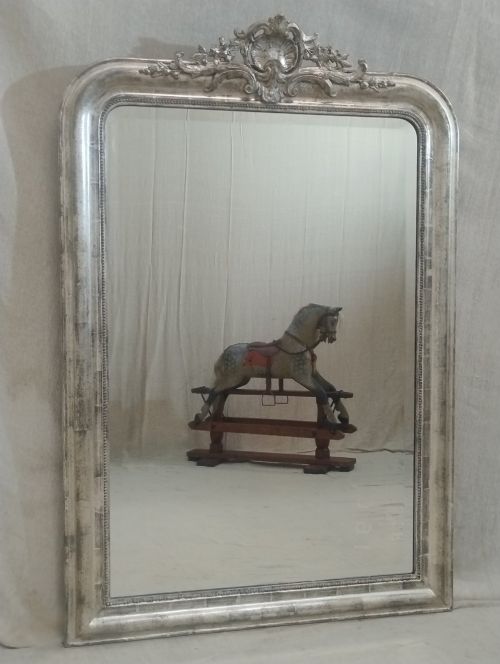
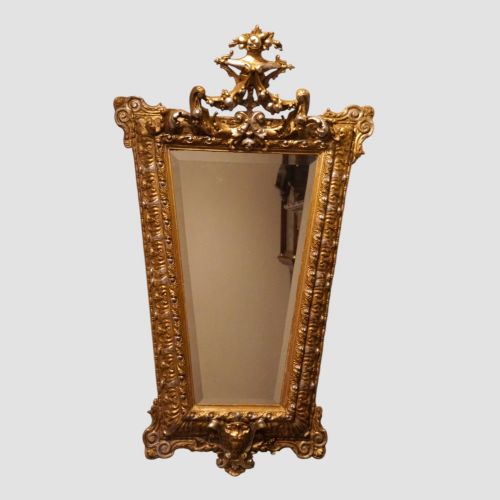
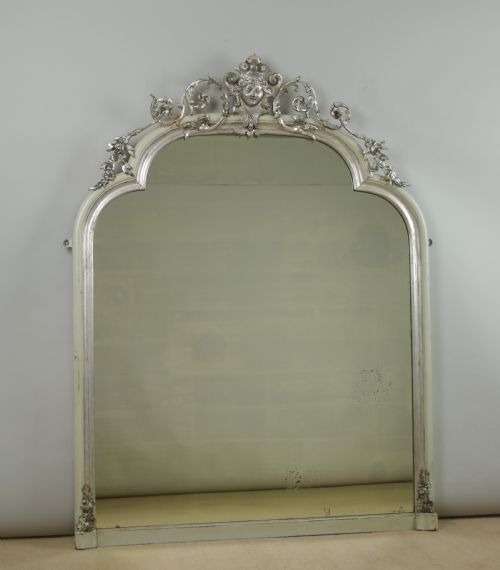
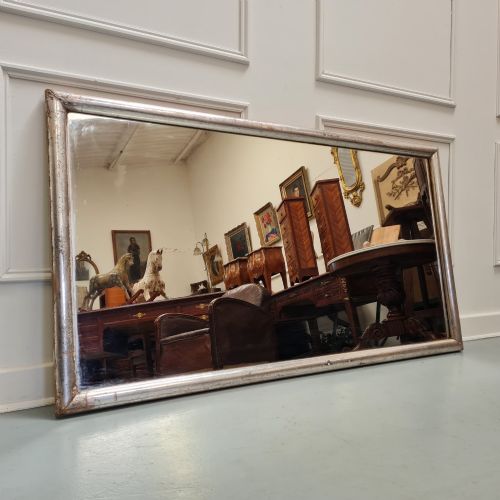
A silvered French wall mirror brings a luminous metallic reflection and classical architectural presence into a room.
Silvered French Wall Mirror
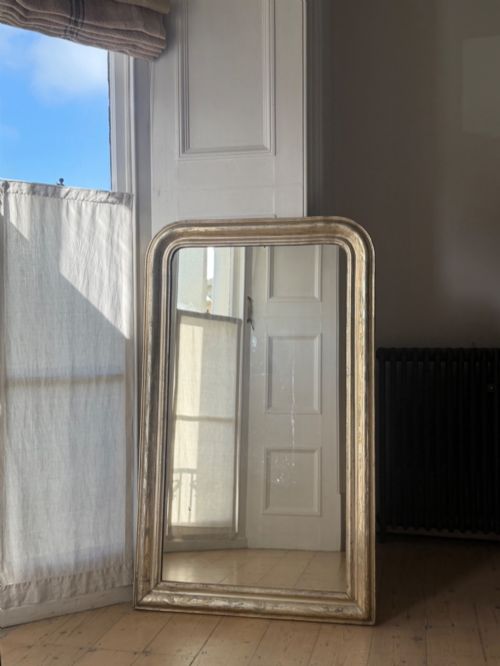
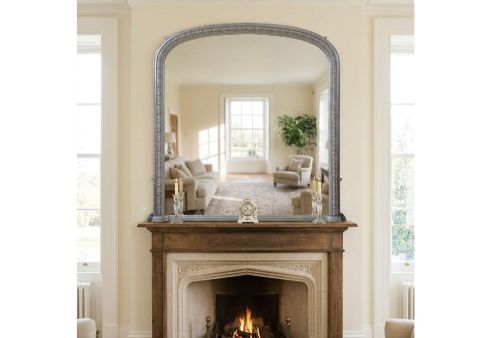
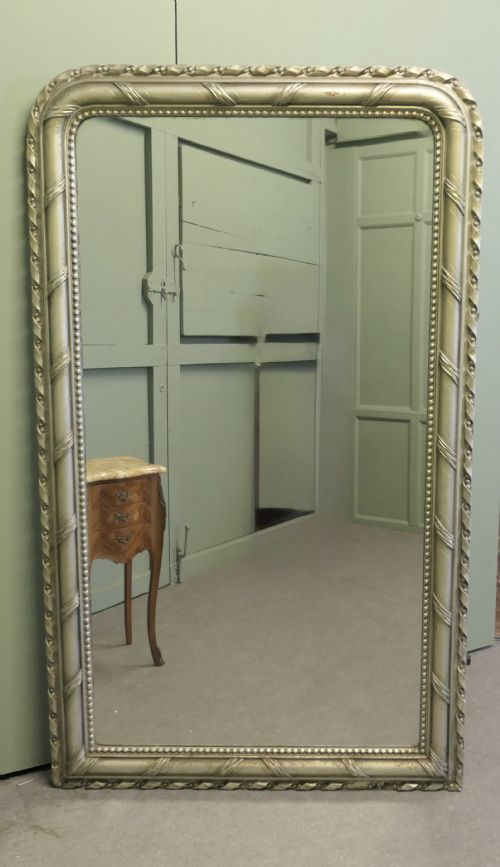
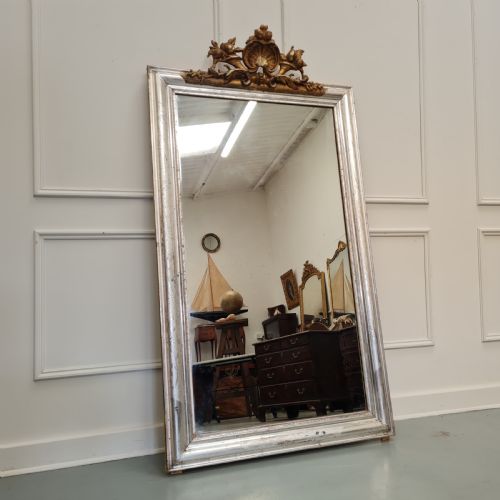
A silvered French wall mirror combines decorative glass with traditional framing methods originating from continental workshops. Buyers searching for a silvered French wall mirror encounter various formats including tall Louis Philippe designs, arched top pieces, and grand overmantles.
The selection spans multiple periods, from eighteenth-century examples to later nineteenth-century interpretations and early twentieth-century iterations. Many items display distinct regional characteristics such as French Chateau styles, Rococo ornamentation, and Baroque Revival motifs.
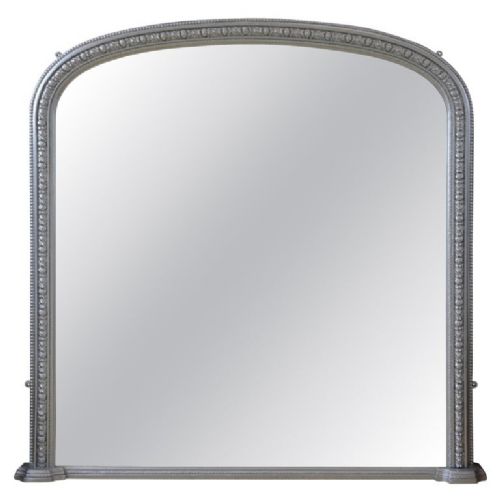
Overmantel mirrors and standard wall-hanging formats dominate the selection, often featuring carved wooden foundations. These pieces served functional and decorative roles in period interiors, reflecting natural light across principal reception rooms.
Materials and Construction
Makers built the foundational framework of a silvered French wall mirror using timber such as oak or carved wood. Artisans then applied layers of gesso to the wooden substrate to create smooth surfaces suitable for intricate moulding and relief work.
Finishing involved the application of silver leaf, silver gilt, or gold leaf to achieve the characteristic reflective metallic sheen. Original mirror glass plates were set within these frames, sometimes accompanied by etched details or distressed patination acquired through age.
Silvered French Wall Mirror Retail Price Guide 2026
Typical asking prices for silvered french wall mirror among the pieces listed under this phrase on Sellingantiques today, from the lower quarter to the upper quarter. They describe what is for sale here now, not the wider market.
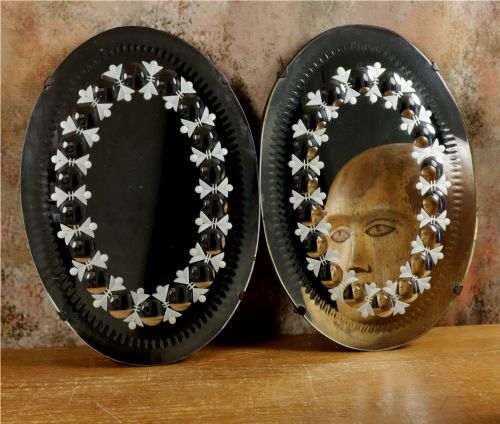
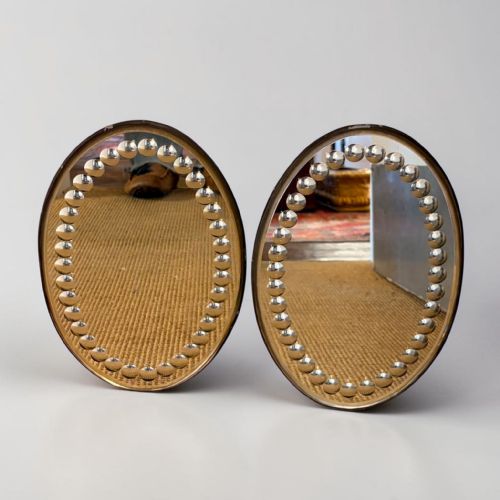
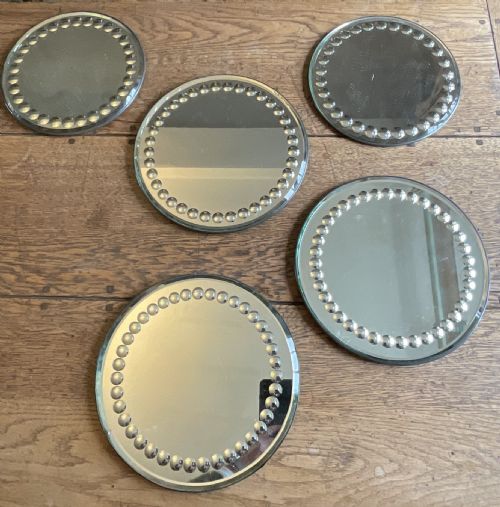
A few unexpected items include adjustable triple vanity mirrors and curious convex sorcerers mirrors designed to distort the room.
Distinctions in Quality
The distinction between standard examples and the finest pieces lies in the depth and precision of the carved wood and gesso ornamentation. Superior items display crisp floral mouldings, cherub figures, or flame torch details executed by skilled hands rather than cast in simplified moulds.
The integrity of the original silver leaf or silver gilt finish and the preservation of the early mirror plate heavily influence the standing of a piece. Hand-applied metal leaf showing subtle age-related weathering holds greater visual depth than uniform modern replating.
The Silvered French Wall Mirror Glossary
- Silver gilt
- Wood or gesso covered with a thin layer of silver applied to resemble solid metal, often with subtle warm undertones. It provides a softer reflection than standard polished chrome.
- Gesso
- A mixture of binder and chalk or gypsum applied to wood frames to prepare a smooth surface for gilding or painting. This material allows artisans to carve intricate relief decorations.
- Louis Philippe
- A nineteenth-century French style characterised by understated elegance, simple rectangular proportions, and typically rounded upper corners. These frames often maintain a restrained architectural dignity.
- Overmantel mirror
- A large horizontal mirror designed specifically to be hung above a fireplace mantelpiece. They frequently incorporate grand proportions to reflect light into the main living space.
- Sorcerers mirror
- A convex mirror designed to distort reflections and capture a wide-angle view of the interior. These unusual optical pieces served as curious decorative objects in period rooms.
Silvered French Wall Mirror: Frequently Asked Questions
Where should I hang an overmantel mirror?
An overmantel mirror finds its traditional placement directly above a fireplace mantelpiece, anchored securely to the wall to support its weight. This positioning allows the glass to reflect light from opposite windows across the entire room.
Alternatively, these large horizontal formats work effectively when mounted low above a sideboard or console table in a dining room or hallway.
How do I clean an antique silvered mirror?
Cleaning requires a soft, dry microfibre cloth to gently remove dust from the carved frame and glass surface. Avoid chemical sprays and excessive moisture, which can damage aged silver leaf and vulnerable gesso mouldings.
For the glass plate, apply a mild glass cleaner sparingly to the cloth rather than directly onto the mirror to prevent liquid seeping behind the edges.
How do I date a French wall mirror?
Dating relies on examining the construction techniques of the wooden frame, the composition of the gesso, and the style of the carving. Nineteenth-century pieces often display hand-carved floral motifs or Louis Philippe arched silhouettes typical of that era.
Inspect the reverse of the frame for original timber patination, old fixings, and the character of the mirror plate itself to gather clues about its age.
What is the difference between silver gilt and silver leaf?
Silver leaf consists of extremely thin sheets of hammered silver applied directly to a prepared gesso surface using an adhesive size. This technique creates a continuous metallic skin across the carved wooden ornaments.
Silver gilt traditionally refers to silver applied over a base of gold leaf or warm bole, which imparts a subtle golden warmth through the upper metallic layer as the surface ages.